

How to Manage Budget Constraints During Commercial HVAC Retrofit Projects
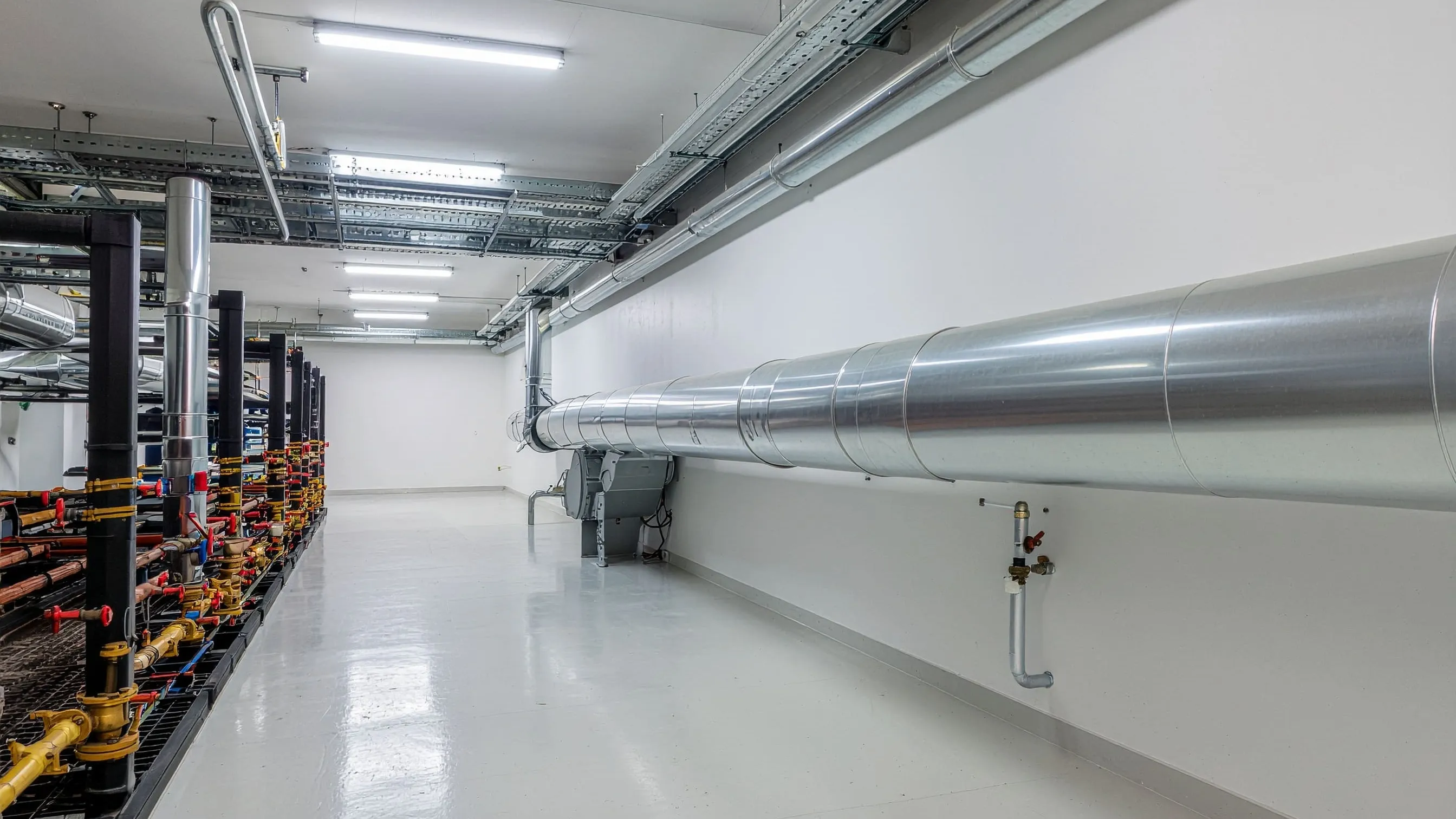
Upgrading a commercial plant room is one of the most expensive capital projects a facility manager will ever undertake. When aging boilers fail or legacy pumps consume massive amounts of electricity, you must take action. However, securing the necessary funding for a complete commercial HVAC retrofit budget is rarely straightforward. Finance directors constantly scrutinise capital expenditure and expect immediate, measurable returns.
You cannot let a restricted budget force you into unsafe engineering compromises. Installing cheap, substandard equipment will only create massive operational expenses and catastrophic failures down the line. Instead, you must deploy smart, phased engineering strategies. Proper planning allows you to upgrade your failing mechanical infrastructure safely without entirely draining your annual capital reserves.
The Financial Reality of HVAC Retrofits
Facility managers must clearly distinguish between Capital Expenditure (CapEx) and Operational Expenditure (OpEx). CapEx is the massive upfront cost of buying and installing new equipment. OpEx covers the ongoing monthly utility bills and maintenance costs. A tight commercial HVAC retrofit budget often forces managers to obsess over the initial CapEx while completely ignoring the disastrous OpEx of running inefficient machinery.
You must break this cycle. Retaining a 30-year-old, fixed-speed pump might save you a few thousand pounds today, but its massive electrical draw will bleed your operational budget dry by Christmas. Consulting with National Pumps and Boilers early in the planning phase ensures you balance these two financial realities. Professional M&E engineers help you identify which upgrades deliver the fastest payback periods.
Prioritising Immediate Needs Over Complete Overhauls
When funds are tight, you simply cannot replace the entire plant room over a single weekend. You must prioritise the mechanical components that pose the highest immediate risk to your building's operation. Engineers call this strategic phasing. It involves aggressively identifying and replacing the assets closest to catastrophic failure before touching the functional, supporting infrastructure.
Specifying a reliable Armstrong commercial pump for your primary heating circuit might be your top priority if the existing unit is leaking heavily. You can then delay the replacement of the secondary distribution circuits until the next financial year. Performing a strict lifecycle cost analysis dictates exactly which components must go now and which can safely survive another winter. This methodical approach heavily protects your cash flow.
Spreading Costs with Modular Equipment
Legacy commercial heating systems typically relied on massive, monolithic cast-iron boilers. If one massive boiler fails, the replacement cost is staggering. You can bypass this financial hurdle by transitioning to a modular plant upgrade. Instead of buying one giant unit, you install a framework that supports multiple smaller, highly efficient units operating in a cascade.
Think of a modular plant upgrade like building a structure with Lego bricks. You do not have to buy the biggest, most expensive set on day one. You can build a solid core foundation and then simply click new capacity bricks into place as your budget replenishes. If your legacy grundfos central heating pump still operates within safe parameters, you can retain it while replacing just the first two failing boilers in the sequence.
Calculating True Return on Investment
Securing funds from your board of directors requires hard, undeniable mathematical proof. You must look past the initial purchase invoice and present a comprehensive lifecycle cost analysis. This calculation models the total cost of owning, operating, and maintaining the equipment over its entire 15-year mechanical lifespan.
Installing a modern remeha calenta array requires a significant initial outlay. However, an accurate lifecycle cost analysis will prove that its condensing efficiency will slash your annual gas consumption by up to 30 percent. You must present these projected utility savings directly against the initial capital cost. When finance directors see that a high-efficiency system practically pays for itself within five years, securing the commercial HVAC retrofit budget becomes significantly easier.
Securing External Funding and Financial Support
You do not always have to fund plant room upgrades entirely from your own internal reserves. The UK government and various private sector bodies offer significant financial assistance for carbon reduction projects. Accessing an energy efficiency grant can fundamentally transform the scope of your mechanical upgrade. These funds are specifically designed to help commercial buildings transition away from heavily polluting legacy equipment.
Securing capital for a new Wilo pump replacement often requires proving that the new equipment exceeds specific seasonal efficiency thresholds. To qualify for a major energy efficiency grant, your engineering team must provide flawless commissioning documentation and accurate carbon reduction projections. Leveraging an energy efficiency grant allows you to install premium, top-tier machinery while only spending the equivalent cost of a budget system.
Reusing Existing Infrastructure Safely
Total structural demolition is incredibly expensive. You can drastically reduce your installation costs by safely retaining your existing physical infrastructure. If your 1980s steel headers and primary pipework remain structurally sound, tearing them out is a complete waste of money. You must hire competent engineers to perform non-destructive ultrasonic testing on the existing steel to verify its thickness and integrity.
A facilities director at a large commercial retail park recently faced a slashed capital budget and could not afford a full plant room replacement. Instead of compromising on quality, they retained the structurally sound existing headers and only replaced the generation plant. By focusing their limited funds on a new high-efficiency HVAC circulator and modern condensing burners, they still achieved a 28% reduction in gas consumption. Procuring specific commercial heating supplies to adapt the old steel to the new digital equipment saved them over twenty thousand pounds in labour alone.
Evaluating System Components and Accessories
When managing a tight commercial HVAC retrofit budget, facility managers often make the fatal mistake of cutting corners on the supporting accessories. They will authorise the purchase of a brilliant new high-efficiency HVAC circulator but refuse to pay for the magnetic dirt separator required to protect it. This is the ultimate false economy. The abrasive iron oxide sludge in the old pipework will destroy the new permanent magnets within weeks.
Simple upgrades like replacing seized heating pump valves will prevent you from having to drain the entire building during future maintenance. You must allocate funds to protect your primary capital investment. A high-efficiency HVAC circulator only delivers its promised electrical savings if the water quality is excellent and the surrounding isolation valves actually work.
Conclusion
A restricted budget does not mean your facility has to suffer through unreliable heating and soaring utility bills. By implementing strategic phasing, leveraging modular technology, and retaining safe existing infrastructure, you can modernise your plant room effectively. You must rely on hard engineering data to prove your return on investment to stakeholders.
Never compromise on the core safety or the protective accessories that guarantee the lifespan of your new equipment. Smart planning stretches your capital significantly further without ever sacrificing mechanical integrity. If you need expert help stretching your capital or conducting a lifecycle analysis, Talk to a Product Expert at our commercial engineering desk today.