

How to Match New High-Efficiency Pumps with Existing Commercial Pipework
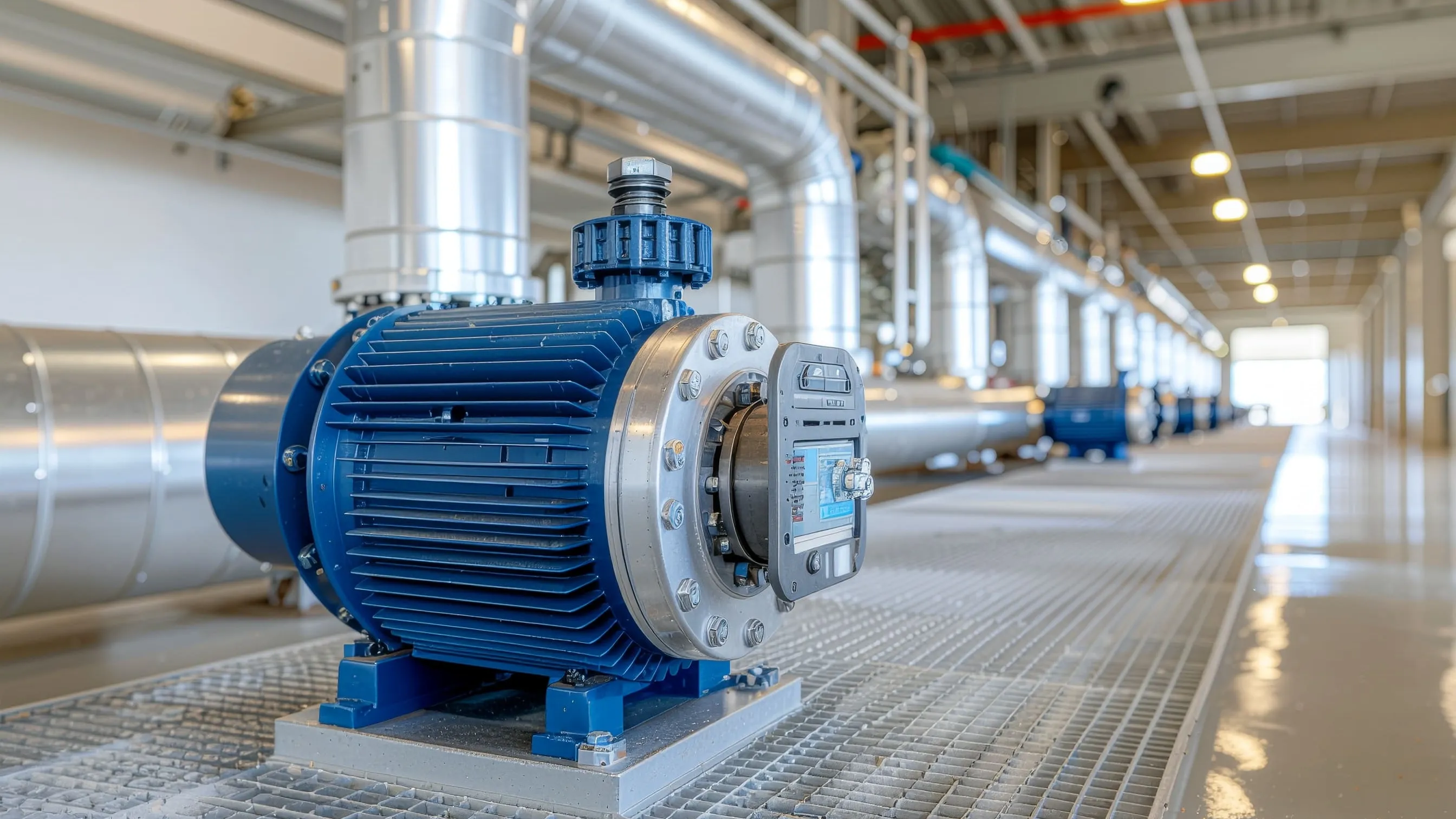
Commercial plant rooms are currently undergoing a massive technological transition. Facilities are actively stripping out old, energy-hungry fixed-speed motors to reduce their soaring electrical costs. However, matching high-efficiency pumps to legacy steel pipework is not a simple plug-and-play operation. You cannot just bolt a highly intelligent machine onto a 40-year-old pipe network and expect flawless performance without proper hydraulic engineering.
Putting a modern, highly sensitive pump onto a clogged, miscalculated legacy pipe network is exactly like putting a Formula 1 engine onto an old tractor chassis. The raw power and technology are certainly there, but the old infrastructure simply cannot handle the delivery. The mismatch will tear the system apart. Proper specification requires deep mechanical knowledge to ensure the new equipment harmonises perfectly with your existing building dynamics.
The Danger of Like-for-Like Replacements
The biggest mistake engineers make during a retrofit is the classic "like-for-like" swap. They simply read the duty point off the 30-year-old pump nameplate and order a modern unit with the exact same output. This approach is fundamentally flawed. Decades ago, mechanical consultants routinely oversized fixed-speed pumps by massive margins just to be safe.
If you match that oversized baseline today, you will completely waste the energy-saving potential of your new equipment. National Pumps and Boilers strongly advises against blind replacements. You must evaluate what the building actually requires today, not what a consultant guessed it needed thirty years ago. Properly matching high-efficiency pumps requires looking at the current thermal load and actual system resistance.
Understanding System Resistance and Friction
Legacy commercial pipework is rarely in the same condition as the day it was installed. Decades of operation allow scale, rust, and magnetite to build up internally. This buildup heavily restricts the internal diameter of the pipes. A pipe that was originally 100mm internally might now only have an effective diameter of 75mm.
This massive reduction in size drastically increases the hydraulic resistance. Therefore, conducting a fresh system head loss calculation is absolutely non-negotiable. If you install a modern grundfos circulator pump without factoring in this increased friction, the pump will struggle to push water to the furthest zones. A rigorous system head loss calculation guarantees your new pump has enough operational head to overcome decades of internal pipe restriction.
The Threat of Excessive Velocity
When you force water through narrowed, aging pipes at high speeds, you create severe mechanical problems. Every commercial heating system has a strict pipe velocity limit, typically around 1.2 to 1.5 metres per second. If you install an oversized pump that exceeds this pipe velocity limit, the water moves too fast and becomes highly turbulent.
Turbulent flow creates massive acoustic problems, causing a persistent whistling noise across the entire building. More dangerously, it causes erosion-corrosion. Water travelling too fast physically strips the protective oxide layers from the inside of steel elbows and bends. If you are retrofitting a powerful Wilo circulator, you must ensure its maximum output respects the existing pipe velocity limit to prevent catastrophic pipe degradation. Even a highly advanced Wilo Stratos cannot compensate for pipes being physically destroyed by excessive speed.
Advanced Pumping Technology to the Rescue
Fortunately, modern technology provides brilliant solutions to these legacy challenges. Upgrading to intelligent equipment like a commercial HVAC pump fundamentally changes how your distribution works. Older fixed-speed motors pushed a constant, aggressive volume of water regardless of whether the building actually needed it. Matching high-efficiency pumps with variable speed capabilities eliminates aggressive over-pressurisation entirely.
Modern units utilise variable-speed drives. An intelligent unit like the MAGNA3 circulator constantly reads the system pressure. If radiator valves close as the building warms up, the MAGNA3 circulator automatically slows its motor down. This proportional pressure control perfectly matches the fluid delivery to the legacy pipework's capacity at any given moment.
Dealing with Magnetite and Debris
Modern high-efficiency motors rely on incredibly powerful permanent magnets to achieve their electrical savings. However, these permanent magnets are highly vulnerable to the iron oxide sludge (magnetite) hiding inside older commercial pipework. If you do not filter the system water, the new pump acts like a massive magnet, pulling all that black sludge directly into its narrow internal clearances.
A facility manager at a 1970s office block recently swapped a massive fixed-speed cast-iron pump for a modern equivalent without installing proper filtration. The new pump's strong magnetic field stripped decades of loose scale from the pipes. The new impeller jammed completely solid with metallic sludge in just three days, destroying the motor.
To prevent this, you must install a heavy-duty commercial dirt and magnetic separator immediately upstream of the new equipment. Protecting a highly sensitive pressure pump from legacy debris is just as important as sizing the motor correctly. If you expose a new Wilo Stratos to this abrasive metallic sludge, its internal wet rotor will jam within days.
Hydraulic Balancing for Variable Flow
Matching high-efficiency pumps successfully also requires addressing your terminal units. When you transition from a rigid fixed-speed setup to a dynamic variable-speed flow, the water distribution changes. If the existing pipework is not hydraulically balanced, the water will take the path of least resistance.
The zones closest to the plant room will flood with heat, while the furthest zones will starve. You must re-balance the entire distribution circuit. Integrating a new central heating circulator demands proper commissioning of double regulating valves across all branches. This ensures the variable flow reaches every corner of the building evenly.
Flanges, Fittings, and Physical Alignment
The final challenge in retrofitting modern equipment involves the physical mechanical installation. Legacy cast-iron pumps are massive and incredibly heavy. Modern pumps deliver the exact same output from a physically smaller, lighter footprint.
When bolting a modern lowara water pump into an old header, the existing pipe flanges rarely line up perfectly. Engineers often need to specify custom spacer pieces to bridge the gap without straining the old pipework. Furthermore, a smart MAGNA3 circulator will only perform reliably if the mechanical pipe connections remain stress-free. Whether you are installing that Grundfos unit or a new Wilo Stratos, you must check the existing isolation valves before the swap. If they fail to hold back the system pressure, you will have to drain the entire building just to change the pump.
Conclusion
Retrofitting modern pumping technology onto legacy commercial pipework is a highly rewarding engineering challenge. It instantly slashes electrical consumption and drastically improves building temperature control. However, you must approach the transition with strict hydraulic discipline. You must perform an accurate system head loss calculation, respect velocity limits, and fiercely protect the new permanent magnets from old system sludge.
Never assume a simple like-for-like replacement will work. Proper specification requires deep mechanical understanding to marry the old steel with the new digital technology. If you need expert guidance on specifying the correct equipment for your facility's unique pipework, Find the Right Pump by speaking directly with our commercial M&E engineering specialists today.