

How to Maximise HVAC Efficiency with Smart Thermostats in Large Facilities
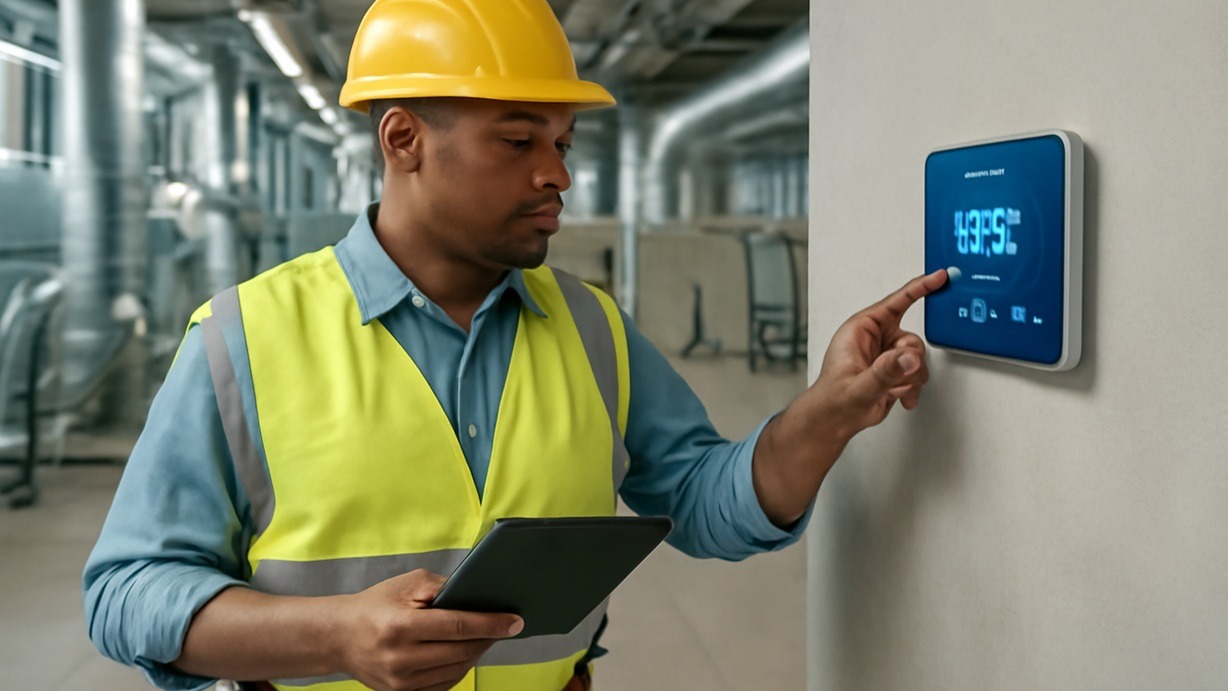
Running HVAC in a large building is rarely straightforward. One wing overheats, another feels like a fridge, and all the while the meter is spinning. When systems are left unchecked, energy bills creep higher and equipment is pushed harder than it should be. For facilities managers, that often means constant firefighting rather than forward planning.
That’s why HVAC efficiency has become such a pressing concern. Among the practical upgrades now available, smart thermostat integration is one of the simplest ways to bring order back to the system. These controls aren’t just fancy wall displays. They behave more like supervisors, measuring conditions as they change, adjusting output instantly, and feeding back useful data for smarter decisions.
Why Smart Thermostat Integration Matters
A traditional thermostat is little more than a switch. It tells the system “on” or “off” based on a set point. That approach doesn’t account for rooms filling and emptying, weather changing mid-shift, or the different demands across zones in a large building. The result? Energy wasted and comfort sacrificed.
By contrast, smart thermostat integration brings three clear benefits:
- Targeted comfort: Only the areas in use are conditioned.
- Performance tracking: Consumption is logged and compared over time.
- System balance: Equipment runs together rather than competing.
It’s the difference between flicking a light switch and installing motion-sensitive LEDs. One is blunt, the other responsive. Apply that principle at building scale and the impact on HVAC efficiency is immediate.
Real-Time Monitoring and Control
Smart thermostats respond in the moment. Picture a lecture theatre with 200 students at 9 a.m. By noon, the room is empty. An old thermostat would keep calling for the same output. A smart one scales back immediately, saving unnecessary load on fans and chillers.
Humidity rising on a warm day? The thermostat adjusts air flow to keep conditions steady without forcing the plant into overdrive. For the facilities team, that means fewer complaints and more time to focus on scheduled maintenance rather than chasing temperature issues.
And because these devices can be tied into a building management system, they provide detailed reports. A pattern of overheating in one wing might point to an undersized pump or a valve stuck open. Without that data, problems like this often go unnoticed until the call-outs pile up.
Automated Scheduling That Cuts Waste
Commercial sites rarely need full heating or cooling all day, every day. Head offices may be packed Monday to Friday, but sit quietly at the weekend. Libraries might only fill up during exam season. Without automation, HVAC continues to run flat out regardless of occupancy.
Smart thermostats can be scheduled around real building use. They wind systems down when spaces are empty and ramp them back up when people return. It’s not unlike using cruise control on a motorway, smooth, steady, and efficient, without unnecessary bursts. The knock-on effect is reduced wear on pumps, fans, and compressors, as well as the obvious savings on energy bills.
A Story from the Field
At a logistics hub in the Midlands, staff were fed up. Some loading bays overheated, while break rooms were always cold. The plant seemed to be running flat out, yet no one was comfortable. The root cause was a bank of old manual thermostats fixed at set points.
Engineers fitted smart thermostats in the most problematic zones and rebalanced flows with commercial circulators. Within three months, electricity use was down by nearly 18%. More importantly, staff stopped logging temperature complaints for the facilities manager, which freed up time and budget for planned improvements instead of constant firefighting.
Components That Support HVAC Efficiency
Thermostats are only one piece of the puzzle. Their effectiveness depends on the equipment that distributes, regulates, and stabilises performance:
- Heat Pumps – Move heat rather than create it, cutting energy demand.
- Expansion Vessels – Keep pressure steady, protecting against leaks and wasted energy. See expansion vessels for reliable options.
- Pump Valves – Regulate water flow. Poorly balanced systems waste energy in one area while leaving another undersupplied. Correctly sized pump valves keep things even.
How Smart Thermostats and Hardware Work Together
The real gains come when smart thermostat integration is paired with properly specified kit. Together they create a feedback loop:
- Insights – Data shows how and where energy is being used.
- Adaptive Control – Output reduces automatically in unused areas.
- Balanced Operation – Pumps, valves, and vessels run in harmony.
This reduces strain, prevents frequent cycling, and extends plant life.
What Happens Without Smart Control
Buildings running on traditional thermostats usually face the same headaches:
- Empty rooms are still heated or cooled at full output.
- Hot and cold spots across wings or floors.
- The equipment is wearing out early due to constant cycling.
- No meaningful energy data for planning improvements.
All of this undermines HVAC efficiency, inflates operating costs, and risks non-compliance with today’s energy standards.
Meeting Regulatory Requirements
UK Building Regulations, especially Part L, set demanding efficiency standards. Installing smart thermostats, along with well-matched pumps and vessels, makes compliance far easier. It also demonstrates environmental responsibility, something that carries weight in procurement and tendering.
Wider Benefits of Optimising HVAC Efficiency
- Lower Costs – Energy bills and maintenance budgets both shrink.
- Air Quality – Balanced airflow helps with filtration, dust, and moisture.
- Sustainability – Less waste means fewer carbon emissions.
- Comfort and Productivity – Stable indoor conditions improve satisfaction and performance.
Why Work with National Pumps and Boilers
National Pumps and Boilers provides the equipment needed to deliver real gains in efficiency.
Our range includes central heating systems, DHW pumps, and pressurisation units. We also partner with leading brands such as Grundfos, Wilo, Lowara, Remeha, and Vaillant.
Our technical specialists make sure systems are correctly specified. For tailored advice, get in touch.
Building Towards a Smarter Future
Improving HVAC efficiency with smart thermostat integration isn’t just about trimming bills. It’s about creating systems that adapt in real time, stay balanced under pressure, and give managers the information needed for better decisions.
When smart controls are combined with the right supporting hardware, facilities gain reliable performance, reduced environmental impact, and lower lifetime costs. With the right partner supplying and advising, those benefits are achievable sooner than most expect.