

How to Maximise the Efficiency of Air-to-Water Heat Pumps in Commercial Applications
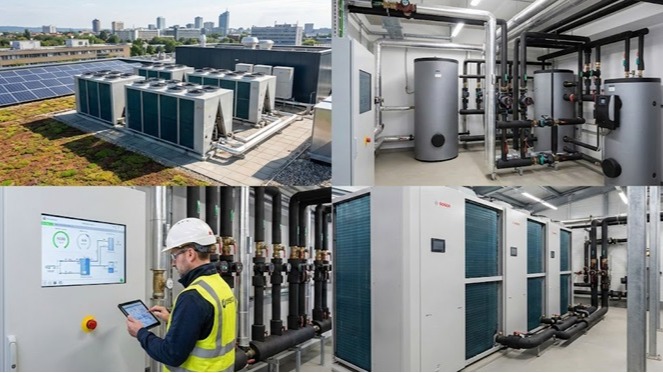
Commercial buildings operating air-to-water heat pump systems must optimise efficiency to maximise operational savings, minimise carbon emissions, and justify capital investments through superior performance. While heat pumps inherently operate more efficiently than conventional heating technologies, achieving peak efficiency requires attention to system design, operational practices, and ongoing maintenance. This comprehensive guide provides facility managers with proven strategies for extracting maximum efficiency from commercial heating pumps, covering everything from initial design decisions through daily operational optimisation and strategic heat pump settings that deliver sustained performance improvements.
Understanding Efficiency Metrics and Performance Indicators
Coefficient of Performance (COP) quantifies instantaneous heat pump efficiency - the ratio of heating output to electrical input. A COP of 3.5 means the system delivers 3.5 kilowatts of heating for each kilowatt of electricity consumed, representing approximately 350% efficiency. COP varies with operating conditions, particularly outdoor temperature and flow temperature. Higher outdoor temperatures and lower flow temperatures produce higher COP values whilst extreme cold and high flow temperatures reduce efficiency.
Seasonal Coefficient of Performance (SCOP) provides more meaningful efficiency indicators by accounting for varying conditions throughout typical heating seasons. SCOP incorporates outdoor temperature variations, defrost cycle energy consumption, standby losses, and part-load operation patterns reflecting real-world performance rather than idealised test conditions. Quality commercial systems achieve SCOP values between 3.0-4.0 in UK climate conditions, translating into substantial energy savings compared to conventional heating.
Monitor key performance indicators establishing baselines and tracking trends over time. Temperature differentials across heat pumps indicate delivered heating capacity - typical differentials range 5-10°C depending on system design and load conditions. Energy consumption normalised against heating degree days enables year-to-year comparison accounting for weather variations. Alarm frequency and nature reveal system health whilst occupant comfort surveys provide qualitative performance feedback beyond quantitative measurements.
Establish performance monitoring from initial commissioning, documenting baseline data for future comparison. Annual or seasonal performance reviews comparing current operation against historical data identify deterioration requiring attention or improvements validating optimisation efforts. Simple spreadsheet tracking proves adequate for basic monitoring whilst sophisticated building management systems provide automated data collection and analysis for larger installations.
Optimal System Sizing and Equipment Selection
Proper equipment sizing critically affects efficiency and operational costs. Oversized heat pumps cycle frequently during mild conditions when heating loads fall well below capacity, reducing efficiency through repeated start-stop operation whilst increasing component wear. Accurate heat load calculations accounting for building fabric, ventilation rates, internal gains, and climate data ensure appropriate capacity selection avoiding oversizing penalties.
Modern variable-speed heat pumps tolerate wider sizing margins than fixed-speed equipment by modulating capacity continuously matching instantaneous demand. However, even inverter systems suffer efficiency penalties when minimum modulation capacity substantially exceeds typical operating loads. Size equipment so minimum modulation capacity falls below average heating loads, enabling continuous operation at reduced speeds rather than cycling.
Multiple smaller units often outperform single large systems in facilities exceeding 100kW heating capacity. Multiple units provide redundancy during failures or maintenance, allow phased installation matching budget constraints, and improve part-load efficiency through lead-lag sequencing. One unit handles base load whilst others supplement during peak demand, enabling the base load unit to operate at optimal efficiency for majority of operating hours.
Select high-efficiency equipment incorporating latest inverter technology, enhanced heat exchangers, and sophisticated controls. Premium equipment costs more initially but delivers superior performance throughout 15-20 year lifespans, typically justifying investment through reduced operating costs. Examine manufacturer efficiency data carefully, comparing SCOP ratings at conditions matching your climate and application rather than relying on best-case test figures that may not reflect real-world operation.
Distribution System Design for Maximum Efficiency
Low-temperature heating distribution maximises heat pump efficiency by reducing compressor work required achieving flow temperatures. Design heating systems for lowest practical flow temperatures consistent with comfort requirements. Underfloor heating operating at 35-45°C pairs ideally with heat pumps, enabling peak efficiency whilst delivering comfortable radiant warmth. Large radiators or fan coil units designed for 45-50°C operation also support high-efficiency heat pump operation.
Retrofit situations with existing radiators sized for 70-80°C boiler operation often require emitter upsizing enabling adequate heat output at reduced temperatures. Professional calculations determine radiator outputs at proposed heat pump flow temperatures, identifying zones requiring supplementation. Investment in additional or larger radiators pays back through improved efficiency reducing annual operating costs substantially over system life.
Pipework insulation prevents distribution losses that undermine heat pump efficiency gains. British Standards specify minimum insulation thicknesses based on pipe diameter and operating temperature. Comprehensive insulation on all pipework, particularly in unheated spaces, reduces heat loss whilst maintaining delivered temperatures throughout distribution networks. Budget 5-10% of total project cost for proper insulation - investment typically pays back within 2-3 years through reduced energy consumption.
Hydraulic balancing ensures design flows reach all zones without excessive circulation consuming energy unnecessarily. Install balancing valves enabling flow adjustment to each circuit, systematically adjusting flows achieving design delivery throughout distribution networks. Unbalanced systems waste pump energy circulating excess flow whilst failing to deliver adequate heating to restricted zones. Professional balancing during commissioning proves essential for optimal efficiency. Grundfos variable speed pumps modulate flow matching demand whilst minimising circulation energy.
Weather Compensation Control Strategies
Weather compensation automatically adjusts flow temperature based on outdoor temperature, maintaining comfort whilst maximising efficiency. Outdoor sensors continuously measure temperature, adjusting flow along programmed curves matching building thermal characteristics. Colder conditions trigger higher flow temperatures maintaining warmth whilst mild weather allows reduced temperatures improving efficiency without compromising comfort.
Programme initial weather compensation curves using building characteristic data - construction type, insulation levels, glazing areas, and thermal mass all influence optimal curves. Standard curves suit typical buildings but individual facilities benefit from customisation. Well-insulated modern buildings require less aggressive compensation compared to older structures with poor thermal performance. Start with manufacturer recommended curves then fine-tune based on observed performance.
Monitor building response to different curve settings, adjusting incrementally to optimise balance between comfort and efficiency. Raise curves slightly if occupants report inadequate temperatures during mild weather. Lower curves if buildings remain warm with unnecessary heat input. Small adjustments (2-3°C at specific outdoor temperatures) significantly impact annual consumption whilst maintaining comfort. Document curve adjustments and resulting performance changes establishing evidence-based optimisation rather than trial-and-error guesswork.
Seasonal curve variations accommodate changes in solar gains, occupancy patterns, and comfort expectations. Summer heating requirements typically tolerate lower temperatures than winter operation. Implement scheduled curve changes at season transitions or use dual curves automatically switching based on calendar dates. Advanced controls incorporate solar radiation sensors adjusting compensation based on solar gains reducing heating during sunny periods whilst maintaining warmth during overcast conditions.
Advanced Control and Automation
Occupancy-based scheduling dramatically reduces energy consumption in facilities with predictable operating patterns. Programme temperature reductions during unoccupied periods - even modest setback (3-5°C) generates significant savings particularly in well-insulated buildings retaining heat during unoccupied hours. Optimum start algorithms calculate required pre-heating time based on outdoor temperature and building thermal response, warming spaces before occupancy begins whilst minimising energy waste from excessive early heating.
Zone control allows different building areas to be heated independently based on usage requirements. National Pumps and Boilers designs sophisticated zone control systems enabling temperature customisation across diverse commercial spaces. Office areas may require 20-22°C whilst warehouse zones operate comfortably at 16-18°C. Manufacturing processes might generate heat requiring minimal supplementary heating whilst adjacent spaces need full heating. Independent control prevents energy waste from overheating lightly used areas.
Predictive algorithms integrating weather forecasts optimise pre-heating strategies and thermal storage utilisation. Systems anticipate temperature changes adjusting heating proactively rather than reactively responding after conditions change. Pre-warm buildings before cold fronts arrive using current favourable conditions. Reduce heating ahead of forecast warming avoiding unnecessary energy input as outdoor temperatures rise. Machine learning systems analyse historical data identifying patterns optimising control strategies automatically.
Smart grid integration enables demand response participation where facilities reduce consumption during grid stress periods or shift loads to times with abundant renewable generation. Time-of-use electricity tariffs offer cheaper overnight rates encouraging load shifting to off-peak periods. Pre-heat buildings using cheap night electricity, release stored thermal energy during expensive peak periods whilst heat pumps idle. Thermal storage through buffer vessels or building thermal mass enables effective load shifting generating operational cost savings whilst supporting grid stability.
Maintenance Procedures for Peak Efficiency
Routine maintenance preserves efficiency preventing degradation from neglect. Monthly air filter cleaning or replacement maintains airflow preventing capacity loss and efficiency degradation from restricted heat exchanger airflow. Blocked filters force systems to work harder delivering equivalent heating whilst consuming more energy. Establish filter cleaning schedules appropriate to local environmental conditions - facilities near trees, agriculture, or industry face accelerated filter fouling requiring more frequent attention.
Annual professional servicing maintains refrigerant system integrity and overall performance. Qualified engineers verify refrigerant charge, inspect electrical connections, clean heat exchangers, calibrate controls, and test safety devices. Refrigerant charge significantly affects efficiency - both undercharge and overcharge reduce performance whilst potentially damaging equipment. Only F-Gas certified engineers should assess and adjust refrigerant charge based on measured superheat and subcool values.
Heat exchanger cleaning restores thermal efficiency degraded by dirt accumulation or scale formation. Outdoor coils exposed to environmental contamination require periodic cleaning removing dust, pollen, and debris. Indoor plate heat exchangers serving domestic hot water circuits accumulate scale in hard water areas requiring chemical descaling every 2-3 years. Flamco water treatment products protect systems from corrosion and scaling extending equipment life whilst maintaining efficiency.
Establish comprehensive maintenance record systems documenting all service activities, measurements, and repairs. Historical data proves invaluable troubleshooting problems, planning component replacements, and validating performance trends. Digital maintenance management systems provide automated scheduling, work order tracking, and compliance documentation supporting effective preventative maintenance programmes.
Operating Temperature Optimisation
Flow temperature directly impacts efficiency - every degree reduction improves COP provided adequate heating delivery maintains comfort. Test incremental flow temperature reductions monitoring building response and occupant feedback. Reduce design flow temperature by 2°C, operate for several weeks assessing comfort and temperature achievement. If satisfactory, reduce further repeating process until identifying minimum effective temperature balancing comfort and efficiency.
Seasonal flow temperature variations exploit changing heating requirements throughout the year. Spring and autumn heating needs typically tolerate lower temperatures than peak winter demand. Programme scheduled flow temperature changes at seasonal transitions or implement weather-dependent flow temperatures responding continuously to outdoor conditions. Advanced controls learn optimal flow temperatures for different conditions automatically adjusting based on performance history.
Balance efficiency optimisation with occupant comfort requirements. Facility managers must resist pressure to compromise comfort pursuing marginal efficiency gains. Communicate with building users explaining efficiency initiatives and soliciting feedback regarding temperature satisfaction. Minor discomfort from excessive efficiency pursuit undermines support for sustainability objectives whilst modest comfort maintenance enables meaningful efficiency improvements widely accepted by occupants.
Circulation Pump Efficiency
Variable speed circulation pumps deliver dramatic energy savings compared to fixed-speed alternatives. Pumps modulate speed matching flow requirements, operating at reduced speeds during part-load conditions consuming far less energy than full-speed operation. Differential pressure or temperature differential control strategies automatically adjust pump speeds maintaining target parameters whilst minimising energy consumption. Wilo variable speed pumps incorporate sophisticated control algorithms optimising performance across operating ranges.
Optimise pump control setpoints balancing adequate flow delivery with minimal energy consumption. Differential pressure setpoints maintain target pressure differences between flow and return manifolds ensuring adequate flow to furthest zones. Set pressures at minimum levels delivering design flows avoiding excess pressure wasting pump energy. Temperature differential control maintains target temperature drops across heat pumps ensuring proper capacity delivery whilst minimising flow rates.
Monitor pump power consumption establishing baselines and tracking trends indicating developing problems. Gradual power increases suggest bearing wear, impeller damage, or system restrictions forcing pumps to work harder. Sudden power changes indicate electrical or mechanical failures requiring attention. Advanced monitoring systems alert operators to anomalies enabling proactive intervention before failures occur.
Monitoring and Analytics
Comprehensive data logging provides objective performance evidence supporting optimisation decisions and validating improvements. Log temperature readings (outdoor, flow, return, zone temperatures), electrical consumption, operating hours, alarm events, and heat pump settings changes documenting system operation comprehensively. Cloud-based monitoring platforms enable remote access, automated analysis, and alert generation transforming raw data into actionable intelligence.
Benchmark performance against design predictions, historical data, and industry standards establishing context for current operation. Compare actual annual consumption against design predictions identifying significant deviations warranting investigation. Year-to-year consumption trends reveal efficiency improvements from optimisation efforts or degradation from neglected maintenance. Industry benchmarks for similar building types and climates provide external reference points assessing whether performance meets reasonable expectations.
Remote diagnostics capabilities enable service engineers to troubleshoot problems, adjust settings, and monitor performance without site visits. Real-time alarm notifications alert maintenance teams to developing issues enabling rapid response minimising downtime. Predictive maintenance algorithms analyse historical data identifying patterns indicating impending failures, scheduling preventative interventions avoiding emergency breakdowns during critical periods.
Continuous Improvement Strategies
Establish regular performance review processes examining quarterly data, identifying trends, and planning improvements. Engage facility operators, service engineers, and building occupants in review discussions gathering diverse perspectives on performance and opportunities. Document findings and actions creating accountability for follow-through on improvement initiatives whilst building institutional knowledge supporting long-term excellence.
Technology advancement creates ongoing upgrade opportunities. Control system enhancements, improved components, and emerging best practices offer performance improvements throughout system life. Evaluate upgrade benefits against costs determining whether investments justify expected returns. Phased improvement approaches spread expenditure whilst capturing benefits incrementally avoiding large one-time investments that strain budgets or require extensive approvals.
Commercial air-to-water heat pumps deliver maximum efficiency through attention to design fundamentals, operational optimisation, and diligent maintenance. Systematic approaches addressing system sizing, distribution design, control strategies, and ongoing monitoring extract full performance potential from commercial heating pumps. Optimal heat pump settings combined with proactive maintenance sustain efficiency throughout equipment life whilst comprehensive monitoring validates performance and identifies continuous improvement opportunities. For expert assistance optimising heat pump efficiency in your facility, contact us to discuss assessment services, control optimisation, and performance enhancement strategies tailored to your specific operation.