

How to Minimise Disruption to Occupants During Commercial Heating Installations
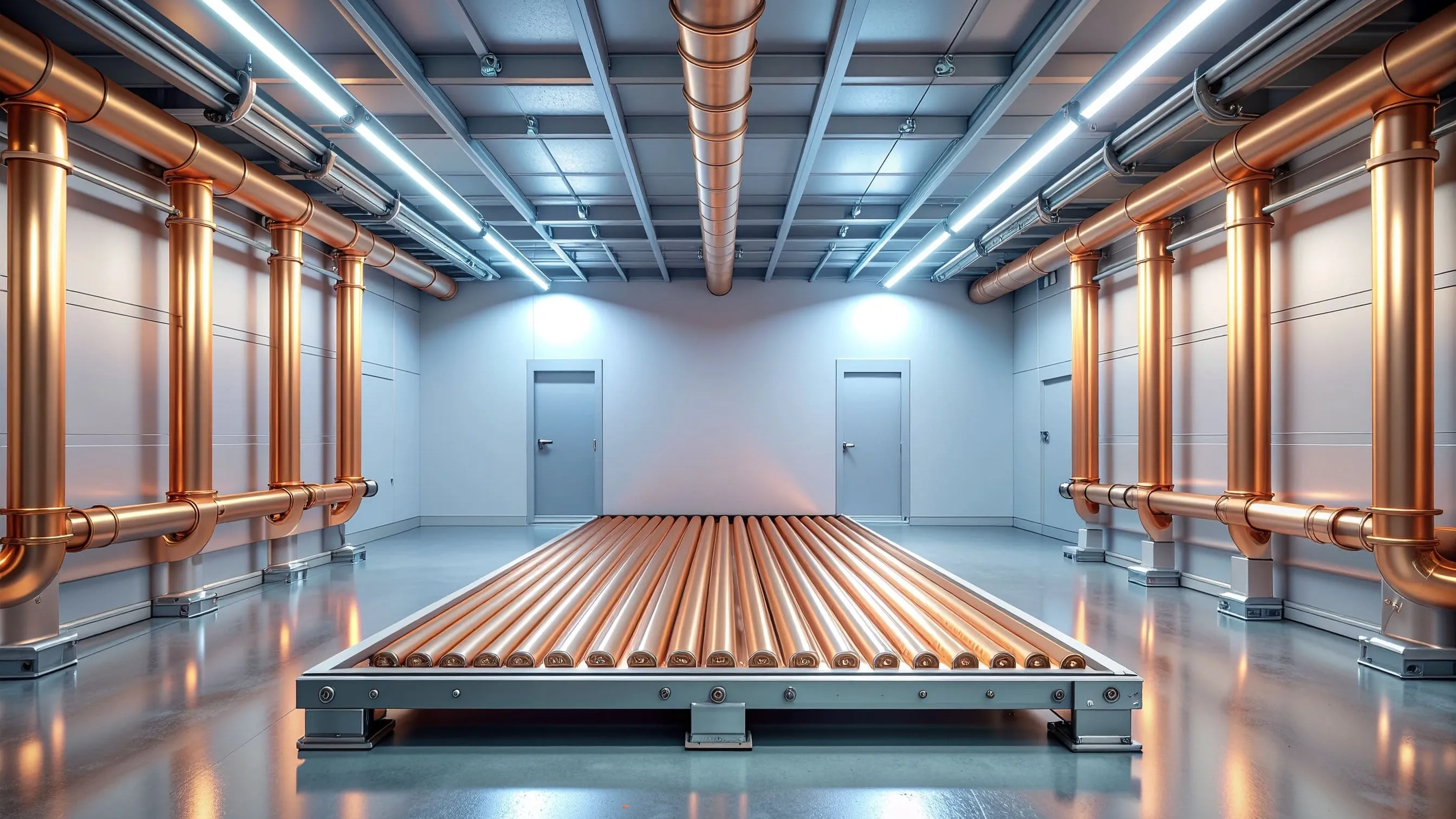
Replacing a heavy plant room in an empty building is straightforward engineering. Doing it while hundreds of people sleep, work, or receive medical care in the exact same building is a massive logistical challenge. Managing commercial heating installation disruption requires meticulous planning and exact execution. You cannot simply turn off the heat and hot water for a week during mid-winter. Facility managers must employ smart engineering strategies to ensure the occupants barely notice the massive mechanical works happening below their feet. The ultimate goal is to provide a seamless transition to modern efficiency.
Strategic Phasing and Offline Preparation
The most effective way to prevent commercial heating installation disruption is to perform the heavy mechanical build completely offline. Experienced engineers can construct the new boiler cascade on a separate modular skid while the legacy system continues to run normally. National Pumps and Boilers regularly advises mechanical contractors to build these independent rigs to protect sensitive building operations.
Once the new framework is physically built, hydraulically tested, and electrically wired, the final changeover takes mere hours instead of days. You do not have to leave the building freezing while engineers weld new steel headers. The offline approach condenses a massive mechanical project into a highly controlled, lightning-fast crossover window.
The Importance of Sectional Isolation
You do not always have to drain down the entire facility to replace major plant room components. Implementing strict isolation valve zoning allows engineers to shut down and upgrade one specific wing or floor of the building at a time. This targeted isolation valve zoning keeps the rest of the facility perfectly warm and fully operational.
If an engineer is replacing an old isolation valve for pump maintenance, they can use commercial pipe freezing kits to create temporary ice plugs. This allows them to insert new shut-offs without dumping thousands of litres of treated water. Using isolation valve zoning transforms a massive building shutdown into a minor, highly localised maintenance event.
Speeding Up Hot Works with Modern Materials
Traditional welded steel or brazed copper pipework requires heavy hot works permits. This means triggering fire alarms, establishing mandatory fire watches, and stopping normal building operations due to noxious fumes. Transitioning to press-fit copper pipework completely eliminates these highly disruptive hot works from the plant room.
Using press-fit copper pipework allows engineers to physically crimp massive high-pressure joints together in seconds using a battery-powered hydraulic tool. Whether you are piping in a new remeha quinta array or a simple low loss header, the sheer speed of cold-pressing is completely unbeatable. Specifying press-fit copper pipework drastically reduces labour time and eliminates the smell of burning flux from reaching occupied office spaces above.
Managing Domestic Hot Water Continuity
Occupants will generally forgive a slight drop in room temperature, but losing hot showers is an immediate operational crisis. In critical facilities like hospitals or hotels, you must establish temporary DHW circulation before touching the primary generation plant. Setting up robust temporary DHW circulation guarantees that safe, bacteria-free hot water continues to flow to the taps.
A mechanical contractor at a large airport hotel recently faced a total plant room replacement during the peak holiday season. They piped a mobile rental boiler directly into the existing calorifiers to maintain temporary DHW circulation throughout the project. The guests never experienced a single cold shower, completely saving the hotel from thousands of pounds in angry refund claims. Integrating a reliable domestic hot water pump into the temporary rig ensures the pressure remains exceptionally high across all upper floors.
Working Out of Hours Safely
Some mechanical tasks are simply too loud or disruptive to perform during normal daytime working hours. Heavy structural demolition, core drilling through concrete, or overnight system purging must be scheduled when the building is largely vacant. Executing an overnight system purging operation allows engineers to flush trapped air from the vast pipe network without disturbing daytime office operations or patient care.
If you are upgrading a massive andrew water heater system, the final commissioning phase often involves loud, high-velocity pipe flushing. Scheduling overnight system purging ensures that by the time staff arrive the next morning, the radiators are bleeding quietly and the system is functioning perfectly. This completely shields the occupants from the messy realities of hydraulic commissioning.
Managing Acoustic Disruption and Heavy Lifting
Replacing commercial boilers often requires heavy cranes to lift cast-iron blocks out of basement plant rooms or onto rooftops. To avoid severe commercial heating installation disruption, these heavy lifting operations require meticulous traffic management. Facility managers must schedule road closures and crane lifts for weekends or very early mornings to avoid blocking staff and visitor parking.
Furthermore, new high-speed pumps and burners create entirely different acoustic profiles than the old equipment. You must install heavy-duty anti-vibration mounts under the new boiler skids to stop mechanical hums from travelling up the structural columns. Preventing acoustic vibration ensures the occupants on the ground floor do not hear a constant, droning mechanical vibration beneath their desks.
Deploying Temporary Boiler Plant
When replacing massive, monolithic legacy equipment, establishing a temporary external plant room is often the safest way to prevent commercial heating installation disruption. Mobile, containerised boiler units sit safely in the external car park and tie directly into the building's existing primary circuits using heavy-duty flexible hoses.
These robust temporary rigs carry the entire building's thermal load while the internal plant room is safely demolished and rebuilt. For instance, if you are upgrading to an advanced ecoTEC commercial boiler cascade, the temporary external unit carries the facility seamlessly through the winter. This removes the intense time pressure on the mechanical engineers, preventing rushed, unsafe installations inside.
Intelligent Commissioning and Reintegration
Bringing the brand new mechanical plant online requires a highly delicate engineering touch. You cannot just open the isolation valves instantly and shock the old 1980s pipework with massive flow rates from a powerful, modern grundfos water pump. Sudden hydraulic shocks will blow the rust off old joints and cause immediate catastrophic leaks in occupied areas.
Think of introducing a new high-pressure pump system like merging a fast sports car onto a busy motorway. You do not just slam your foot on the accelerator and force your way in; you match the speed of the existing traffic and slide in smoothly to avoid a crash. Engineers use variable speed drives to gently ramp up the pressure, ensuring the legacy pipes do not rupture or rattle loudly in the rooms above.
Conclusion
Preventing severe disruption during a major mechanical upgrade requires meticulous logistical planning and elite modern engineering techniques. By leveraging offline building strategies, cold-press pipework, temporary plant rooms, and strict out-of-hours scheduling, you heavily protect the building occupants from freezing temperatures and loud mechanical noise.
Never let a necessary mechanical upgrade shut down your business operations, compromise occupant comfort, or risk a massive loss of revenue. With the right temporary equipment and phased isolation strategies, the transition to high-efficiency heating is entirely seamless. Call Our Team Today to discuss how our commercial heating specialists can plan a zero-downtime upgrade for your critical facility.