

How to Perform Accurate Closed-Loop Water Testing in Commercial Facilities
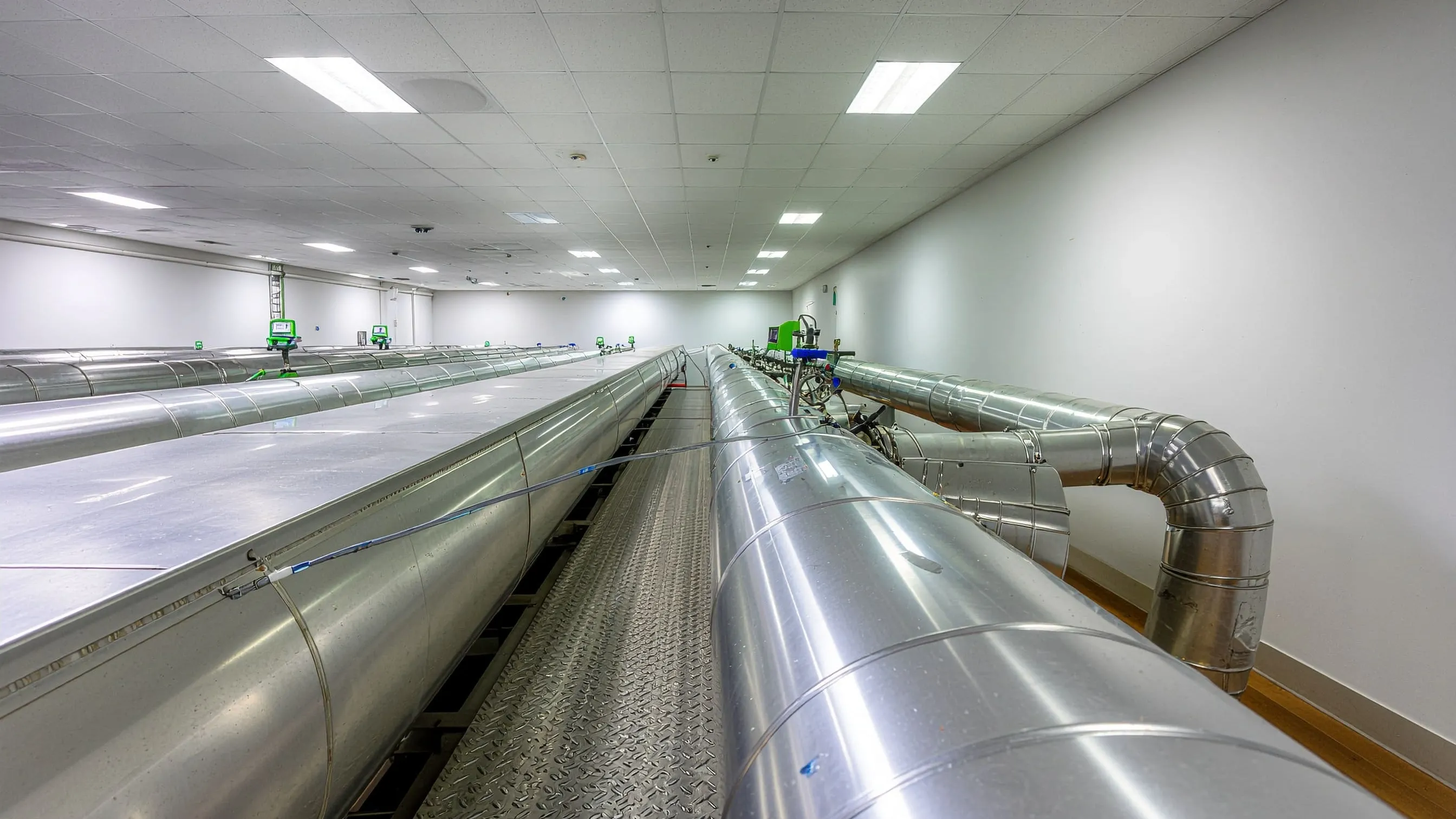
Commercial closed-loop heating and chilled water networks represent substantial capital investments, yet many facility managers underestimate how precise water chemistry directly impacts system longevity. An improperly maintained closed-loop system can experience significantly higher corrosion rates than a well-treated network. This inevitably leads to premature pump failure, reduced heat exchanger efficiency, and costly unplanned downtime.
Accurate commercial closed-loop water testing forms the absolute foundation of any effective preventive maintenance programme. Unlike open systems that continuously introduce fresh water, closed systems retain the exact same water volume for extended periods. This characteristic makes initial water treatment and rigorous ongoing monitoring absolutely essential, as hidden chemical problems compound rather than flush away.
To protect these assets effectively, facility managers must understand exactly what to test, how to test it without introducing errors, and how to interpret the results accurately.
Understanding Closed-Loop System Chemistry
The closed-loop system chemistry within a commercial facility affects every single component the water contacts. If you manage a modern network, you must understand that pH control isn't a one-size-fits-all metric. For systems with non-ferrous components, BSRIA BG 29 guidelines and National Pumps and Boilers technical standards typically recommend maintaining pH between 6.5 and 8.5 to protect aluminium heat exchangers. Alternatively, systems containing only steel components should maintain a higher pH between 8.5 and 10.0 to ensure optimal ferrous protection.
When pH levels drift outside these optimal ranges, corrosion accelerates on ferrous components whilst simultaneously causing scale formation on heat transfer surfaces. This dual action reduces pump efficiency, increases electrical consumption, and ruins expensive components.
Dissolved oxygen presents another critical concern. Even in sealed systems, oxygen easily enters through automatic air vents, expansion vessels, and minor leaks at pump seals. Without adequate corrosion inhibitors, this oxygen attacks steel pipework to create destructive magnetite sludge.
Essential Testing Equipment
Professional commercial closed-loop water testing requires highly specific instruments calibrated to deliver reliable results. You can't rely on basic paper test strips for a commercial plant room, as they completely lack the precision needed for a network where a 0.5 pH variance indicates a developing failure.
Engineers must utilise high-quality digital conductivity meters. These devices measure the water's ability to conduct electrical current, providing rapid, accurate insight into total dissolved solids (TDS) levels. You must calibrate these meters using standard solutions of known conductivity before every major testing cycle.
Additionally, you need reliable dissolved oxygen test kits or electronic DO meters. Checking dissolved oxygen proves especially important during initial system commissioning and after any maintenance work that exposes the network to the atmosphere. Protecting a premium Vaillant boiler relies heavily on confirming that oxygen levels remain below 0.1 mg/L. Finally, photometers enable the precise measurement of specific inhibitor concentrations, eliminating the dangerous guesswork of visual colour comparisons.
Step-by-Step Sampling Checklist
Sample location and technique dramatically affect result accuracy. Think of testing without flushing the sample point exactly like judging a whole restaurant based solely on the crumbs left on the closest table. It gives you a completely false reading of the broader situation. Position sampling points on horizontal pipe runs, avoiding stagnant dead-legs or areas immediately after dirt separators.
Use this strict checklist to guarantee accurate sampling:
- Verify system pressure is above 0.5 bar to prevent fresh air ingress during sample collection.
- Attach a clear plastic tube to the sample valve to direct water smoothly into your collection vessel.
- Open the valve slowly to prevent turbulence that could introduce unwanted air bubbles into your Ebara pump or broader network.
- Flush the sampling point thoroughly by discarding at least three times the volume of the sampling tube and valve assembly.
- Fill your sample bottles completely to the brim, allowing the water to overflow before capping tightly to exclude atmospheric air.
- Log the sample temperature immediately, as temperature heavily influences closed-loop system chemistry results.
Critical Parameters to Test
Conductivity testing provides immediate feedback on total dissolved solids. Baseline conductivity depends entirely on your initial fill water quality and chemical treatment. However, a significant conductivity rise from 300 µS/cm to 600 µS/cm over a month strongly suggests the system has taken on substantial fresh make-up water.
Inhibitor concentration determines whether your pipework and remeha boilers maintain adequate corrosion protection. For example, nitrite-based inhibitors typically require specific concentration levels dictated strictly by the chemical manufacturer. Regular photometric testing identifies chemical depletion before abrasive corrosion damage physically occurs.
Chloride and sulphate testing identifies contamination from external sources. Chloride levels above 250 mg/L actively promote aggressive pitting corrosion, particularly on stainless steel components. Regular commercial closed-loop water testing catches these elevated levels so you can execute a controlled system flush before permanent damage takes hold.
Interpreting Test Results
Establishing baseline readings during the initial system commissioning provides the essential reference point for all future testing. You must record the initial pH, conductivity, inhibitor levels, and dissolved oxygen within 48 hours of the final system fill.
Trending proves far more valuable than any single-point measurement. A pH reading of 8.3 might seem perfectly acceptable at first glance. However, if your previous monthly tests showed 9.0, 8.7, and 8.5, that downward trend indicates active inhibitor depletion requiring immediate investigation. Plotting these key parameters monthly allows a facilities manager to identify gradual changes before they destroy expensive andrews water heaters.
Certain results demand immediate mechanical action. Dissolved oxygen rising above 0.1 mg/L requires an urgent investigation of air ingress sources. You must check expansion vessel pre-charge pressures and inspect automatic air vents immediately. Likewise, if your nitrite-based inhibitors fall below 50% of their target levels, the system is actively vulnerable.
Common Testing Errors
Sample contamination represents the most frequent testing error in commercial plant rooms. Residual tap water left sitting in testing equipment introduces minerals and chlorine that skew results wildly. Always flush your sample tubes with system water before collecting the official sample, and never rinse your digital conductivity meters with raw tap water immediately before taking a measurement.
A junior facilities manager at a large hospital trust once skipped flushing the main sample line because he was rushing through his Friday rounds. He drew stagnant, degraded water from a dead-leg, got a falsely low inhibitor reading, and subsequently overdosed the entire system. That simple shortcut caused a severe chemical imbalance that eventually damaged the mechanical seals on a primary lowara water pump, costing thousands in emergency labour.
Timing errors also ruin accuracy. Dissolved oxygen test kits become useless if the sample sits for 30 minutes, as the water naturally equilibrates with the surrounding atmospheric oxygen. You must test critical parameters immediately after collection or preserve the samples precisely according to laboratory protocols.
Establishing a Testing Schedule
Testing frequency must match your system's operational criticality. Data centres and manufacturing facilities with mission-critical HVAC systems warrant monthly commercial closed-loop water testing during their first year of operation. Once you establish highly stable closed-loop system chemistry, standard commercial buildings can typically drop to a quarterly testing schedule.
Seasonal factors heavily influence these testing requirements. Systems experiencing frequent heating-cooling transitions face much greater chemistry challenges than those running steady, year-round base loads. You should always test just before and immediately after major seasonal transitions to catch any chemistry drift early.
Specific mechanical events trigger the need for immediate testing. Any maintenance work that opens the network to the atmosphere requires post-work verification. Furthermore, if a DAB water pump requires a seal replacement or you add make-up water exceeding 5% of the total system volume, you must retest everything.
Conclusion
Accurate water testing protects your substantial equipment investments whilst actively optimising energy efficiency. The strict sampling procedures and testing protocols outlined here provide facility managers with the exact knowledge needed to implement an effective predictive maintenance programme.
Successful water quality management requires proper sampling techniques, calibrated instruments, and systematic record-keeping. Together, these practices transform routine water testing from a frustrating compliance chore into a powerful engineering tool. Regular testing identifies minor chemistry drift long before it ruins expensive circulation equipment, making it one of the highest-return maintenance activities you can perform.
Establishing a disciplined schedule and responding promptly to deviations keeps your commercial network operating efficiently for decades. If you are dealing with persistent chemistry challenges, struggling to maintain inhibitor levels, or simply need expert guidance on commercial water testing, please Ask About This Product from our dedicated technical support team today.