

How to Plan a Phased Commercial Boiler Replacement Without System Downtime
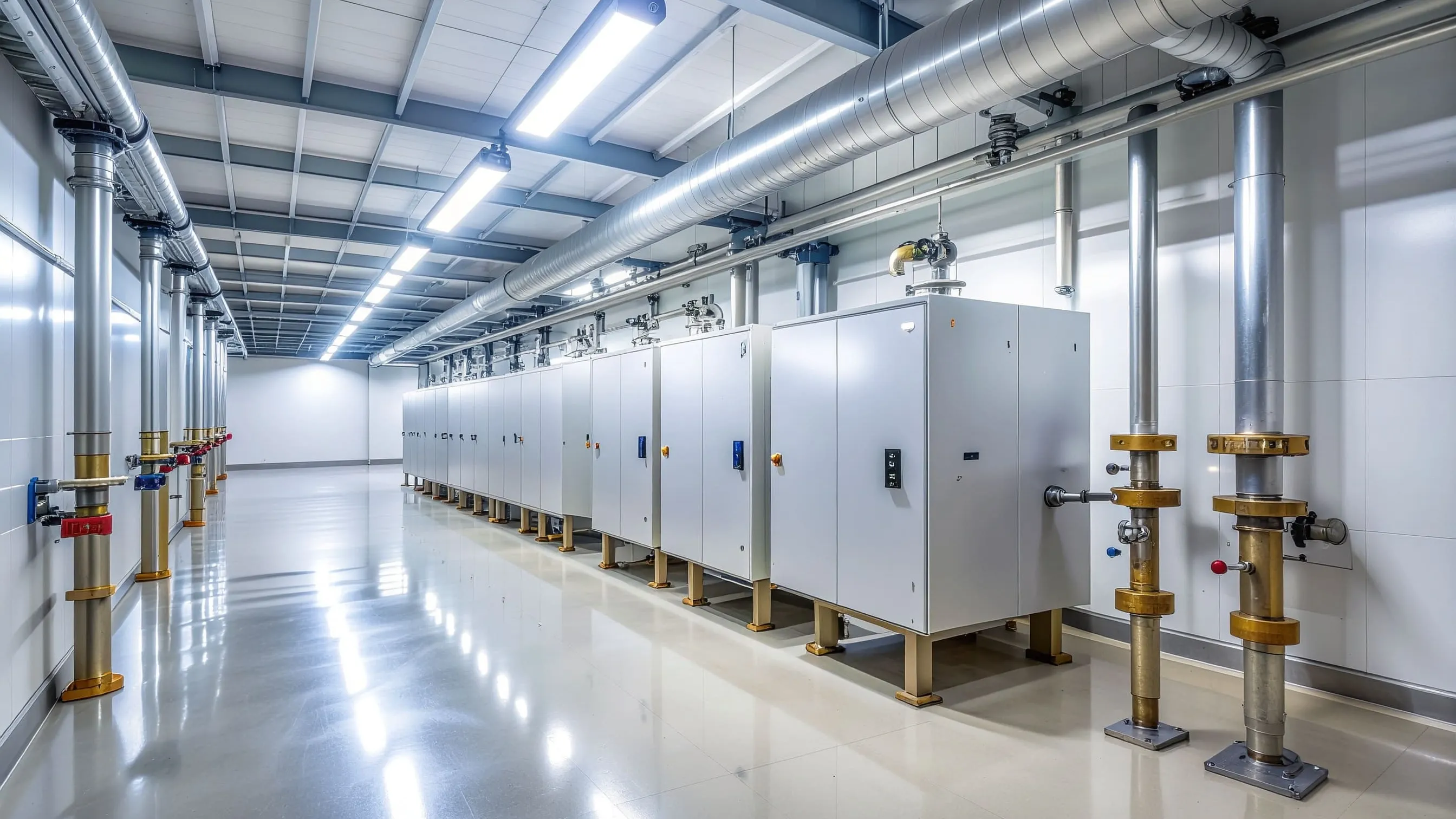
Commercial plant rooms simply cannot afford to switch off. Facilities like hospitals, hotels, and large residential blocks rely on constant heat and hot water. Executing a phased commercial boiler replacement requires meticulous engineering to keep the building live while the old infrastructure is systematically stripped out. It is a highly technical operation that leaves absolutely no room for guesswork.
You must maintain system pressure, control water quality, transition complex flues, and manage electrical changeovers simultaneously. A successful phased commercial boiler replacement protects vulnerable occupants from freezing conditions. It also prevents massive revenue losses for commercial businesses that would otherwise have to close their doors during the upgrade.
Assessing the Legacy Plant Room Infrastructure
The foundation of any successful phased commercial boiler replacement begins with a ruthless site survey. You must identify exactly how the existing system is piped, wired, and controlled. National Pumps and Boilers strongly advises engineers to manually test every single isolation valve before starting the teardown.
Older valves frequently seize or fail to hold back the water pressure. If you cut into a pipe believing the system is isolated, a failed valve will flood the plant room. A mechanical contractor at a large care home recently tried to rush a twin-boiler upgrade without testing the legacy valves first. A heavily corroded butterfly valve snapped internally, causing a complete system drain-down. They left vulnerable residents without heating for 48 hours. Proper assessment and testing entirely prevent this nightmare scenario.
You must also sample the existing system water. Legacy pipework contains decades of sludge, magnetite, and scale. Pumping this highly contaminated water straight into modern, narrow heat exchangers will destroy them instantly.
Designing the Temporary Heating Bypass
Before disconnecting the main heating plant, you must design a robust temporary heating bypass. This temporary infrastructure allows the active heating system to safely bypass the offline boilers being removed. By installing a proper temporary heating bypass, you keep the primary loop circulating and maintain the ambient building temperatures.
This usually involves routing high-pressure flexible hoses or temporary steel pipework around the immediate work area. When you are stripping out an old Vaillant commercial boiler, you must ensure the flow to the remaining operational units stays perfectly pressurised. A reliable temporary heating bypass keeps the water moving safely while your engineers physically dismantle the offline sections.
The design must incorporate temporary pressure relief valves and automatic air vents. Air ingress is inevitable during phased pipework alterations, so these temporary safety features prevent explosive pressure build-ups and airlocks.
Managing Hydraulic Separation and Water Quality
Modern boilers operate with much lower internal water content than older cast-iron models. Therefore, you must decouple the new boilers from the old building pipework using a low loss header. Think of a low loss header like a massive roundabout on a busy road. It allows fast traffic from the boiler loop and slow traffic from the building circuits to meet and exit smoothly without crashing into each other.
Proper low loss header sizing is absolutely crucial for this hydraulic separation to work. If the header is too small, water shoots through it too quickly, destroying the separation. Accurate low loss header sizing ensures the new high-efficiency boilers do not interfere with the legacy pipework pressures.
During this separation phase, you must also install high-capacity magnetic dirt filters. You should fit new pump isolation valves to allow easy servicing of these filters. Getting your low loss header sizing right guarantees optimal flow rates, while the magnetic filtration physically protects the delicate new heat exchangers from thermal shock and sludge blockages.
Implementing Modular Technologies and Flue Transitions
Replacing massive monolithic steel boilers with a modern modular boiler cascade heavily simplifies the phasing process. Instead of lifting one giant boiler into place, you bring a modular boiler cascade online one smaller unit at a time. This step-by-step approach allows you to restore partial heating capacity much faster.
A high-efficiency remeha cascade setup easily fits through standard single doorways. You avoid the massive structural demolition required to move traditional heavy plant. Operating a modular boiler cascade also provides brilliant built-in redundancy. If you need to take one unit offline for servicing next year, the other units seamlessly increase their output to cover the demand.
You must also manage the complex flue gas transition. Modern cascaded units use condensing technology, which produces significant amounts of acidic condensate. You cannot simply connect new condensing boilers into an old atmospheric brick chimney. Phased replacements require installing temporary flue liners or independent twin-wall exhaust systems for the new units while the old boilers continue to use the legacy chimney.
Maintaining System Flow and Gas Overlap
As you strip out the old boilers, you must also carefully phase the replacement of the primary circulation equipment. The building still needs heat, which means the pumps must keep pushing water through the active zones. You must establish temporary power supplies to keep the legacy pumps running while the new electrical control panels are being built.
If you are replacing a large central heating system pump, you should pipe in the new unit parallel to the old one before making the final switch. This allows you to commission the new circulator, purge it of air, and verify its flow rate.
Furthermore, the gas supply must overlap safely. The existing commercial gas header must possess enough capacity to safely supply the remaining legacy boilers and the newly commissioned cascade simultaneously during the crossover period. You must verify the gas working pressure rigorously to ensure neither set of burners is starved of fuel.
Pump Configurations and Automated Reliability
Modern plant rooms rely on a strict duty/standby configuration to guarantee uninterrupted heating delivery. A proper duty/standby configuration means two identical pumps share the workload on a single circuit. They alternate their running cycles daily to prevent uneven mechanical wear.
Installing a highly intelligent grundfos pump directly supports this strategy. These advanced variable speed circulators automatically adapt their motor speed to match the changing system resistance as different building zones open and close.
If the primary circulator unexpectedly fails or blocks with debris, the duty/standby configuration instantly triggers the backup unit. It sends an electronic fault code to the building management system while keeping the facility perfectly warm. This automated reliability ensures the new system requires far less manual intervention than the legacy plant it replaced.
Conclusion
Executing a phased commercial boiler replacement is the ultimate test of mechanical planning, hydraulic expertise, and project management. By implementing modular equipment, robust bypass systems, correct hydraulic separation, and intelligent pumping configurations, you protect the building occupants completely. The facility modernises its aging infrastructure without missing a single day of operation.
You must address the hidden complexities, including water quality protection and safe flue transitions, to ensure long-term reliability. Never attempt these complex changeovers without highly qualified commercial engineers. The hydraulic risks and electrical dependencies require seasoned professionals who understand heavy plant room dynamics. If your facility requires an urgent upgrade but simply cannot afford any downtime, Get Expert Advice from our dedicated commercial heating team today.