

How to Safely Decommission an Obsolete Commercial Boiler System
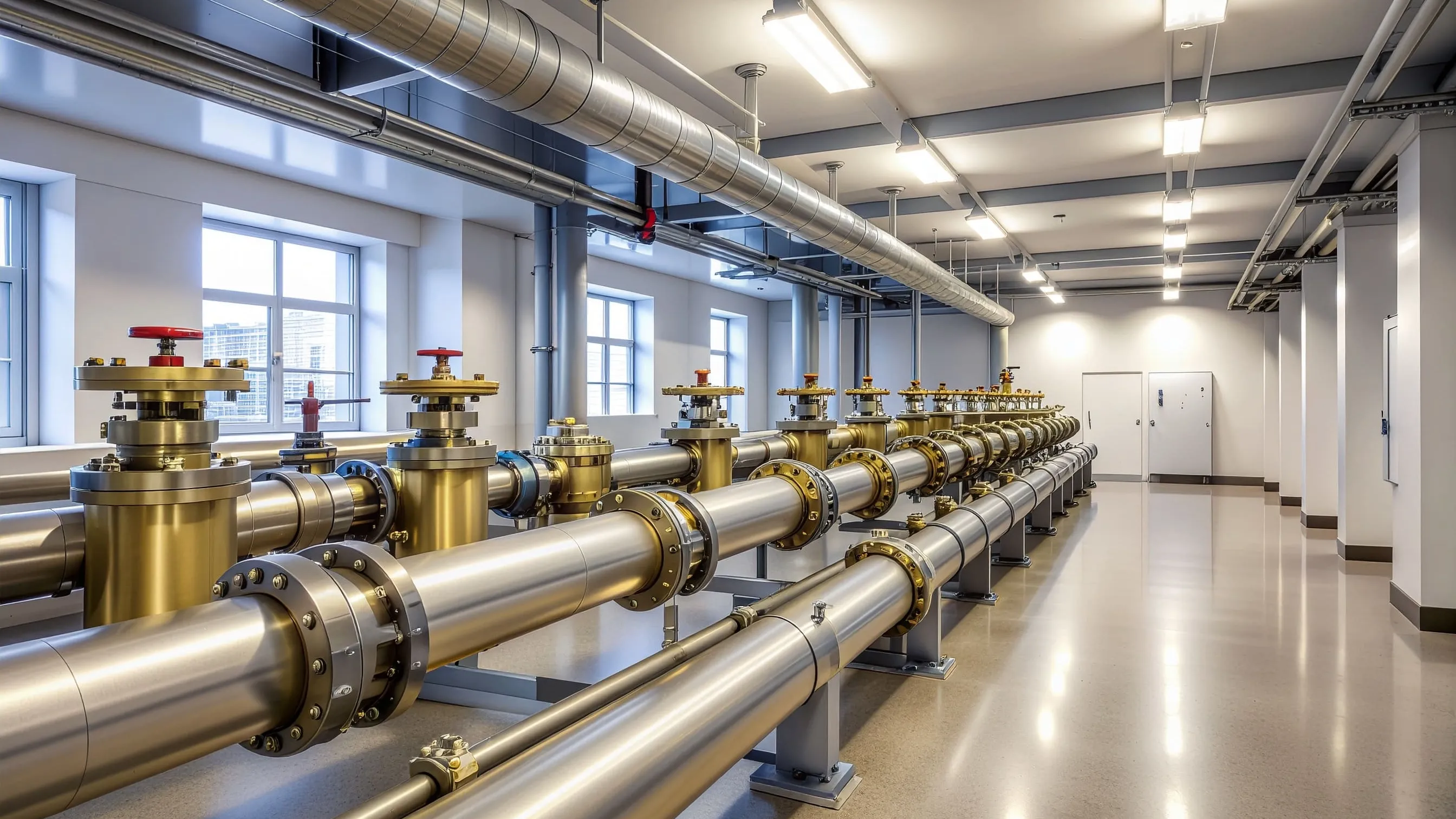
Commercial boiler systems typically deliver 15 to 25 years of reliable service before efficiency losses and component failures make decommissioning commercial boilers the most practical option. Unlike domestic heating equipment, commercial installations involve complex pipework networks and substantial thermal outputs. They also carry stringent regulatory requirements that demand professional expertise throughout the removal process.
Incorrect procedures create serious safety hazards, potential legal liabilities, and environmental compliance failures. Consequently, these mistakes can cost building owners significantly more than proper professional execution. Understanding the full scope of the decommissioning process is essential for a safe, compliant, and legally sound project.
Recognising When Decommissioning Becomes Necessary
Commercial systems rarely fail catastrophically. Instead, they deteriorate gradually through efficiency losses, increased breakdown frequency, and mounting repair costs. Boilers manufactured before 2005 typically lack modern condensing technology. Therefore, they operate at 75-80% efficiency compared to modern systems achieving 92-96%. This efficiency gap translates to substantial fuel waste, particularly in premises running extended hours.
Here are the primary triggers indicating it's time for a complete replacement:
- Spare parts become unavailable, and lead times extend beyond 4 to 6 weeks.
- System efficiency drops consistently below 70%.
- Safety components no longer meet current UK Building Regulations standards.
- Annual repair costs exceed 30% of the replacement value.
- Three or more significant component failures occur within a 12-month period.
When any of these conditions are met, complete removal represents better long-term value than continued operation.
Pre-Decommissioning Assessment and Planning
Professional decommissioning begins with a comprehensive system assessment. Specifically, this critical step documents the current configuration, connection points, and potential hazards. The survey identifies asbestos insulation, lead-based materials, and chemical treatment residues requiring specialist handling. Boilers installed before 2000 frequently feature asbestos rope seals and insulation materials. Disturbing these materials without proper containment creates serious health hazards.
Licensed asbestos removal contractors must survey, contain, and remove these materials before any mechanical work proceeds. This requirement adds 3 to 5 days to project timelines but remains strictly non-negotiable. Furthermore, Gas Safe registered engineers must oversee all work involving gas supply disconnection. Building Regulations Part L and Part J govern heating system modifications, requiring Building Control notification before work commences.
National Pumps and Boilers recommends coordinating with building management to ensure occupants receive adequate notice. Alternative heating provisions must be arranged where necessary. Often, commercial premises require out-of-hours work to minimise operational disruption, particularly in healthcare environments.
Think of this process like defusing a complex electrical circuit. You don't just cut the main wire and hope for the best. Instead, you carefully map out every connection, isolate the power sources, and neutralise the hazards step by step.
Isolating the Boiler System Safely
Gas supply isolation forms the critical first step in safe decommissioning. Initially, Gas Safe engineers must verify complete isolation at the emergency control valve. They purge the remaining gas from supply pipework and physically cap the supply line. The engineer then tests for complete isolation using electronic gas detection equipment, documenting zero readings before anyone proceeds.
Electrical disconnection closely follows gas isolation. Qualified electricians must isolate the supply at the distribution board, disconnect control wiring, and remove power cables. Commercial boilers often feature complex control systems serving multiple components. Each individual circuit requires isolation, testing, and secure termination to prevent accidental re-energisation.
Central heating system water must be completely drained before physical removal commences. This step requires closing system isolation valves and connecting drainage hoses to designated drain points. Commercial systems may contain up to 2,000 litres requiring controlled, legal removal. System pressure relief proves absolutely essential before opening any pipework connections.
Draining and Cleaning Procedures
Complete system drainage extends far beyond the boiler itself. It encompasses entire heating circuits, buffer vessels (large storage tanks that maintain system volume), and header tanks. Proper DHW pump isolation ensures active domestic hot water circuits are not accidentally drained. Any grundfos equipment in the circuit requires separate, careful attention. You should isolate and drain each Grundfos circulation pump separately, as these components often retain significant water volumes.
Chemical treatment residues in commercial systems require careful handling. Inhibitors, biocides, and descaling agents must not discharge directly to foul sewers without local water authority approval. Collecting these fluids in sealed containers for licensed disposal represents the only compliant approach.
Pipework flushing removes sludge, scale, and treatment residues that could contaminate your replacement systems. High-velocity flushing using mains water pressure clears debris from distribution pipework. Ensure thorough DHW pump isolation during flushing to protect sensitive downstream components. Magnetic filters should be cleaned or replaced before flushing commences to capture mobilised debris.
Physical Removal and Site Clearance
Safe dismantling follows a highly methodical sequence beginning with peripheral components. Control panels, pumps, and expansion vessels are removed first. This strategy reduces overall weight and creates safe access for the main unit extraction. A Wilo pump typically unbolts from its mounting brackets once electrical and pipework connections are severed.
Structural considerations become critical with large commercial boilers weighing 500 to 1,500kg. Floor loading capacity, doorway dimensions, and lifting equipment access require careful planning. Mechanical handling equipment must be appropriately rated and operated only by trained personnel.
A mechanical contractor on a recent hotel refurbishment skipped a proper load assessment before attempting to extract a 1,200kg cast iron boiler block. The gantry hoist failed, cracking the concrete plinth and delaying the installation by three days. Bringing in a specialist lifting team with correctly rated equipment resolved the issue safely, but it cost the contractor their entire profit margin.
Flue system removal demands particular attention to structural integrity and weatherproofing. Safe condensing boiler flue removal ensures external terminals are extracted without damaging brickwork or cladding. Internal flue runs should be completely extracted during condensing boiler flue removal rather than abandoned in situ. Proper condensing boiler flue removal prevents future complications during building alterations.
Documentation and Certification
Gas Safe certification provides essential documentation confirming the safe disconnection and capping of gas supplies. The registered engineer issues a Commissioning Certificate documenting the work completed. Consequently, this formally proves the installation no longer presents gas safety risks. Proper paperwork is the backbone of safely decommissioning commercial boilers.
Building Control notification confirms compliance with UK Building Regulations. Where replacement systems are installed, Building Control inspects work at key stages. They issue completion certificates demonstrating regulatory compliance. These certificates add immense value during property sales and satisfy strict insurance requirements.
Handover documentation should include photographic records of the entire decommissioning process. It must include waste transfer notes, asbestos removal certificates, and details of any pipework modifications. This vital documentation creates a complete audit trail demonstrating professional execution.
Warranty implications for replacement systems deserve major consideration during decommissioning planning. If you are replacing the unit with a new Vaillant boiler, coordinating the removal ensures minimal downtime. Most manufacturers require professional installation by accredited engineers to validate warranty coverage.
Transitioning to Modern Heating Solutions
Decommissioning obsolete equipment creates prime opportunities to reassess your overall heating strategies. Modern technologies deliver superior efficiency and reduced environmental impact. Weather compensation controls and optimised pump valves can reduce commercial heating costs by 25-35% compared to older installations.
System design improvements often emerge during decommissioning projects. Oversized boilers operating inefficiently can be replaced with right-sized equipment. Installing a new Vaillant commercial boiler in a cascade configuration provides redundancy and excellent turndown capability. A properly commissioned Vaillant commercial boiler delivers long-term reliability and fuel savings.
Distribution systems can be rebalanced to eliminate hot and cold spots across the premises. Upgrading your DHW pump serving domestic hot water circuits drastically reduces electrical consumption. Modern variable-speed pumps maintain optimal flow rates, contributing to massive overall system efficiency improvements.
Commercial premises increasingly face pressure to demonstrate environmental responsibility. Replacing an obsolete unit with a high-efficiency Vaillant commercial boiler helps organisations meet strict sustainability targets. Building Energy Management Systems can integrate seamlessly with modern boilers. Every Grundfos circulation pump in the new system can be monitored for optimal, continuous energy use.
Conclusion
Decommissioning commercial boilers demands professional expertise, strict regulatory compliance, and highly methodical execution. The process extends well beyond simple disconnection. It encompasses hazardous material management, structural considerations, and comprehensive documentation requirements that only qualified professionals can properly address.
Safety considerations must override all other factors throughout the project. Gas supply isolation, asbestos handling, and structural stability require specialist knowledge. Engaging Gas Safe registered engineers and experienced mechanical specialists ensures work proceeds safely while protecting your business from massive legal liabilities.
The transition from obsolete to modern heating equipment represents a significant investment delivering long-term operational benefits. Improved efficiency, reduced maintenance requirements, and enhanced control capabilities easily justify the replacement costs. Commercial premises benefit heavily from reduced breakdown risks, improved occupant comfort, and demonstrable environmental responsibility.
Building owners considering boiler replacement should engage professional advice early in the planning process to source the best equipment. Proper planning prevents the costly delays and safety incidents that characterise poorly managed projects.
For expert guidance on sourcing replacement equipment and transitioning to modern heating solutions, Speak to a Pump & Boiler Specialist today to discuss your specific site requirements.