

How to Safely Drain Down Large-Scale Commercial Heating Networks
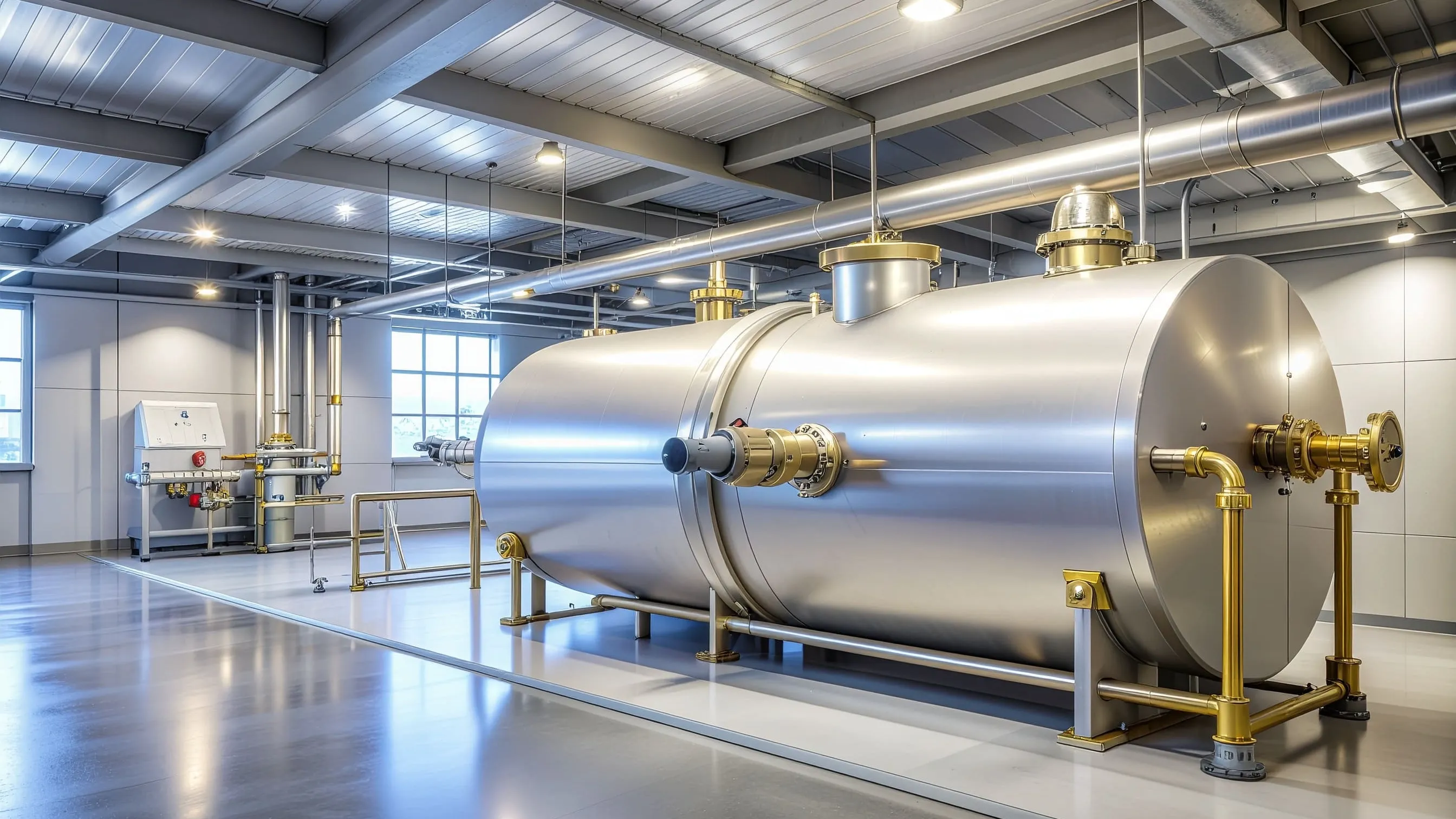
Draining large commercial heating systems presents engineering challenges that extend far beyond domestic-scale work. Multi-storey buildings, complex pipe networks, and pressurised systems containing thousands of litres demand methodical planning. A single procedural error can damage expensive equipment, compromise building services, or create massive safety hazards for occupants. It's a process that requires absolute precision and technical expertise.
Commercial heating networks typically incorporate multiple heat sources, distributed pumping arrangements, and interconnected zones. Understanding the complete system architecture before initiating drainage separates competent commercial work from dangerous improvisation. The consequences of improper drainage include severe thermal shock, fractured cast iron components, and dangerous residual pressure releases.
Pre-Drainage Assessment and Planning
Comprehensive system documentation forms the foundation of safe drainage procedures. Accurate as-built drawings allow engineers to develop drainage sequences that prevent air locks. Buildings modified since their original installation often contain undocumented alterations. These hidden modifications create massive challenges during drainage operations. Proper preparation ensures your drain-down proceeds without unexpected flooding incidents.
When draining large commercial heating systems, calculating exact system volumes determines realistic operation timeframes. A ten-storey office building might easily contain 8,000 litres in its primary circuits alone. Drainage points must handle these volumes without overwhelming building drainage systems or creating environmental compliance issues. Preparing for proper Mikrofill pressurisation system drainage at this stage ensures the containment vessels are accounted for in the volume calculations.
Circuit mapping identifies critical isolation points that allow staged drainage procedures. Large systems rarely drain in single operations. Instead, engineers isolate specific zones while maintaining heating to occupied areas. This approach requires a detailed understanding of valve positions and hydraulic relationships. British Standards BS 7593 establish strict water quality requirements that influence these procedures heavily.
Essential Safety Protocols Before Starting
Isolation procedures follow strict lockout/tagout protocols that prevent accidental energisation during work. All electrical supplies to pumps, controls, and motorised valves require total isolation. Gas supplies to boilers need isolation at emergency control valves with clear signage indicating ongoing maintenance operations. Executing proper plate heat exchanger isolation ensures these specific high-pressure components are securely locked off before the wider network is touched.
Pressure relief represents the most critical safety step before drainage begins. Sealed systems operating at 3.0 bar contain significant stored energy. A grundfos pressure pump and similar high-quality units require specific depressurisation sequences. These sequences prevent rapid pressure loss from damaging delicate system components. Engineers must verify zero pressure using calibrated gauges before opening any drainage points.
Temperature verification prevents scalding injuries and thermal shock damage. Systems must cool below 50°C throughout all circuits before drainage commences. Thermal imaging cameras easily identify hot spots in supposedly cooled systems. Personal protective equipment for commercial drainage operations heavily exceeds basic domestic requirements.
Step-by-Step Drainage Procedure
The drainage sequence begins with complete system shutdown following manufacturer procedures. Modern condensing boilers require controlled shutdown sequences that prevent thermal shock. Pressure release proceeds gradually through dedicated pressure relief valves rather than drainage points. Rapid depressurisation can cause severe water hammer effects in long pipe runs.
Primary drainage points typically locate at system low points. Commercial systems incorporate multiple drainage points to handle large volumes efficiently. Precise automatic air vent positioning ensures the network breathes properly as the fluid escapes at the base. Opening high-point automatic air vents prevents air locks that trap water in elevated circuits.
Staged drainage procedures maintain hydraulic balance while removing water. Engineers drain upper floors first in tall buildings, working downwards to prevent dangerous vacuum conditions. Residual water removal demands high attention to detail. Compressed air blown through circuits at low pressure displaces residual water without risking component damage. A Wilo circulator installed at a high point may require individual drainage through specific drain plugs.
Managing Specific System Components
Buffer vessels and thermal stores contain hundreds of litres requiring dedicated drainage procedures. These components typically incorporate bottom drainage connections sized for rapid emptying. Internal baffles can trap water that escapes visual inspection from drainage points alone. Proper buffer vessel stratification (the natural separation of hot and cold water layers) relies on internal integrity, so engineers must verify complete drainage safely.
Pump isolation protects valuable circulation equipment during drainage operations. Commercial units like a DAB water pump require absolute isolation valve closure before system drainage begins. Mechanical seals in larger pumps benefit from manufacturer-recommended preservation procedures when drainage extends beyond a few days.
Heat interface units in district heating schemes need precise coordination with network operators before any water is removed. These systems often remain pressurised from external sources. If you don't execute plate heat exchanger isolation properly here, high-pressure water from the district mains can violently backflow into your drained circuits.
Water Quality and Chemical Treatment Considerations
Inhibitor recovery from commercial systems represents both environmental responsibility and major cost savings. Systems treated with quality inhibitors contain chemicals worth recovering for reuse. Drainage into suitable containers allows laboratory testing of inhibitor concentration before deciding whether recovered fluid requires disposal.
A facility manager recently ignored system water testing before draining large commercial heating systems into temporary storage. The highly acidic residue remained undetected, severely corroding their brand new Vaillant commercial boiler within six months of refilling. They had to pay for a full commercial replacement entirely out of pocket.
Environmental compliance governs where and how system water reaches drainage systems. Water containing glycol antifreeze can't discharge directly to sewers without specialist disposal. Mastering Mikrofill pressurisation system drainage is essential for staying compliant with local water authority regulations when purging hazardous chemicals.
Preventing Common Drainage Failures
Air locks during drainage create persistent problems that extend operation timeframes. These occur when air entering through open vents can't displace water properly. Identifying all manual vents before drainage begins prevents this common failure. Incorrect automatic air vent positioning guarantees a sluggish, incomplete drain-down that traps hundreds of litres in the pipework.
Think of an air lock during drainage like a severe kink in a garden hose. The water stops flowing entirely, but the heavy pressure remains trapped. If you remove the kink suddenly near a delicate heating circulation pump, the resulting hydraulic surge can instantly shatter the mechanical seals.
Residual pressure in sealed systems catches inexperienced engineers despite apparent zero readings. Pressure can remain trapped in isolated zones or sections of pipework between closed valves. Opening these sections without pressure verification risks sudden water discharge and potential injury. Engineers must verify zero pressure across all system sections before loosening any connections.
Post-Drainage Verification and System Protection
Complete drainage verification requires systematic checking of all circuits and components. Engineers inspect accessible pipework for water pooling and verify air vent operation. Thermal imaging identifies residual water in concealed pipework rapidly. Remaining water appears significantly cooler than surrounding air-filled pipes on the camera display.
Component inspection opportunities during drainage periods allow deep condition assessments. Pump impellers, strainer baskets, and pump isolation valves become highly accessible for visual inspection. Corrosion deposits or debris accumulation identified during these inspections heavily inform future maintenance planning.
Frost protection becomes critical for drained systems in unheated plant rooms. Residual water in components can freeze, causing catastrophic structural damage. Compressed air purging removes most residual water safely. Vulnerable components may require additional protection through temporary heating or heavy insulation wrapping.
Refilling and Recommissioning Considerations
Pre-fill system checks prevent problems during refilling that could require total re-drainage. All drainage points need secure closure with particular attention to drain valves. Isolation valves must return to correct positions for system operation. A single incorrectly positioned valve can prevent entire building zones from filling properly.
Water treatment dosing calculations ensure correct inhibitor concentrations from the initial fill. Under-dosing leaves systems vulnerable to rapid corrosion. Over-dosing wastes expensive chemicals and causes severe operational problems. Engineers calculate precise dosing quantities accounting for system volume. Ruining the buffer vessel stratification during a rushed refill will instantly destroy the thermal efficiency of the entire network.
Commissioning sequence planning ensures a systematic restart that prevents operational problems. Boilers need controlled first firing sequences. Pressurisation units require charge pressure verification. Circulation pumps need thorough air purging before normal operation. National Pumps and Boilers supplies robust commercial equipment that requires strict adherence to these initial parameters. Rushing the final commissioning creates problems that could have been easily prevented.
Conclusion
Draining large commercial heating systems safely demands technical knowledge, methodical planning, and strict safety protocols. The massive complexity of multi-circuit networks creates challenges that inexperienced engineers consistently underestimate. This leads to incomplete drainage, component damage, or serious safety incidents.
Understanding system architecture and managing specific component requirements separates professional commercial work from dangerous improvisation. Each system presents unique characteristics requiring adaptation of general engineering principles. Engineers approaching