

How to Safely Flush and Clean Severely Contaminated Commercial Heating Systems
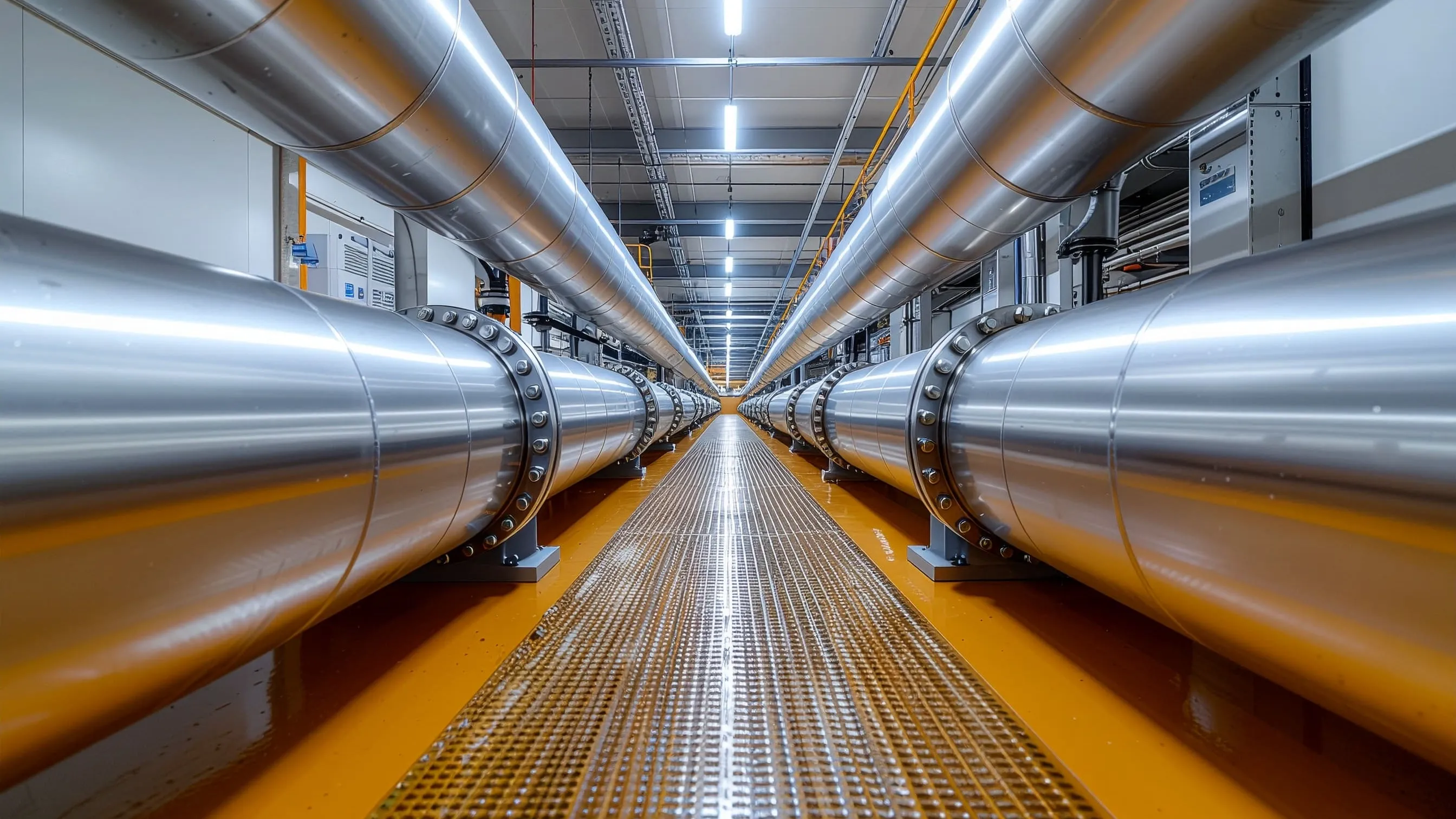
Severely contaminated commercial heating systems present one of the most challenging scenarios a heating engineer will ever face. Unlike domestic installations where annual maintenance usually prevents catastrophic buildup, commercial systems often operate for years with minimal intervention until massive performance degradation forces action. The thick black water, settled sludge, and aggressively corroded components found in these neglected systems demand a highly methodical approach.
The consequences of improper flushing extend far beyond simply doing a bad cleaning job. Dislodged debris can permanently block pump impellers, jam your automatic bypass valves, and completely destroy expensive heat exchangers. Chemical cleaners mixed at the wrong concentrations can actually accelerate internal corrosion rather than strip it away.
Think of flushing a massive commercial system like performing surgery on a blocked artery. You can't just blast the system with maximum pressure and hope for the best; the shock will cause vulnerable parts to rupture. You need a systematic protocol that balances aggressive chemical cleaning with meticulous equipment protection.
The Reality of Severe Contamination in Commercial Systems
Visual inspection provides the very first indicator of severe contamination. The technical experts at National Pumps and Boilers frequently encounter systems where drained sample water from low points produces an opaque black liquid rather than slightly cloudy water. This black water is packed with suspended magnetite sludge, raw corrosion products, and heavy biological contamination resulting from ongoing oxygen ingress.
Physical sludge accumulation always concentrates at system low points and areas with reduced flow velocity. In commercial networks, horizontal pipe runs often contain inches of settled magnetite sludge that severely restricts the flow cross-section. Large panel radiators and heat emitters become partially blocked, remaining completely cold at the bottom while the upper portions remain warm.
When flushing commercial heating systems, performance degradation hits your budget through drastically increased power consumption and frequent mechanical failures. Boiler short-cycling immediately indicates restricted flow rates. Meanwhile, uneven heat distribution across different zones proves you have blockages in the distribution pipework. When you see accelerated system pressure loss, it points directly to corrosion-induced leaks developing from this internal contamination.
Essential Pre-Flush Preparation Checklist
System age dictates exactly how vulnerable your components are to aggressive flushing. Attempting to flush through vulnerable components guarantees a permanent blockage or a catastrophic leak. Work through this strict checklist before connecting your commercial power flushing equipment:
- Evaluate all installations over fifteen years old carefully, as heavily corroded radiator sections may physically fail under intense pressures.
- Isolate all plate heat exchangers completely, as they simply can't withstand the massive debris loads released during an aggressive clean.
- Close off all pressure relief valves, automatic air vents, and delicate filling loop components to prevent internal contamination.
- Establish documented baseline conditions by photographing water samples, recording pressure readings at multiple points, and measuring temperature differentials.
- Log these metrics diligently; if a tired grundfos pump fails during the process, this data helps distinguish between flushing damage and pre-existing deterioration.
Selecting Chemical Flushing Agents for Heavy Contamination
Selecting the appropriate cleaning chemicals depends entirely on the specific contamination type and your system's metallurgy. Severely contaminated systems require industrial-strength cleaners that contain advanced dispersants, targeted corrosion inhibitors, and aggressive scale removers. You must use products certified to BSRIA BG 29 standards to ensure compatibility with mixed-metal networks containing steel, copper, and aluminium.
Concentration ratios for severe contamination often exceed standard maintenance recommendations. Manufacturers usually suggest a 1% cleaner concentration for routine work. However, severely blocked systems may require 3% to 5% concentrations for the initial cleaning cycles. These elevated concentrations absolutely demand reduced circulation times to prevent the chemicals from attacking the actual system components.
Temperature significantly impacts your chemical cleaning efficiency. A novice contractor recently tried flushing commercial heating systems in a massive hospital wing using entirely cold water to save time. After eight hours of circulation, the chemical failed to activate properly, leaving 70% of the magnetite sludge hardened inside the pipework. Maintaining the system temperature at 50°C during chemical circulation accelerates the contamination breakdown safely.
Mechanical Power Flushing Techniques
Equipment selection determines your ultimate cleaning effectiveness. Commercial networks strictly require high-capacity commercial power flushing equipment capable of delivering massive flow rates at 3 to 4 bar pressure. Undersized domestic units completely lack the flow capacity to physically dislodge heavy accumulations inside larger bore commercial pipework.
Flow velocity creates the aggressive scouring action that rips adherent contamination away from the pipe walls. Achieving the required 1.5 metres per second velocity in large distribution mains often requires executing a strict sequential zone flushing approach. This means isolating the massive network into individual floors or equipment zones so the machine's power remains highly concentrated.
This sequential zone flushing approach also prevents overwhelming debris loads. Each isolated zone must undergo a complete chemical and mechanical flush before you proceed to the next area. This disciplined method prevents massive walls of dislodged debris from migrating into sections you have already cleaned, protecting your primary Wilo circulator from sudden blockages.
Managing Contaminated Water Disposal
Strict environmental regulations prohibit the direct discharge of chemical cleaners into public drains without prior treatment. The flushing water typically contains massive iron concentrations, active chemical cleaners, and suspended solids that wildly exceed standard discharge consent limits. Proper disposal legally requires specific settlement and pH neutralisation procedures.
Executing precise pH neutralisation procedures prevents catastrophic chemical damage to local drainage infrastructure. Flushing water that contains highly alkaline cleaners requires acidic neutralisation to achieve a safe pH of 6 to 9 before discharge. You must use citric acid or proprietary neutralising agents to bring the pH into this acceptable range, confirming the exact values with digital testing before disposal.
Settlement procedures physically remove the suspended solids before you discharge the liquid. Allowing the contaminated water to settle in appropriate collection containers for 24 hours separates the heavy magnetite particles from the water. The settled sludge requires disposal as controlled waste through licensed carriers. The clarified, neutralised water can then usually enter the drainage system legally.
Post-Flush System Protection and Verification
Water quality verification definitively confirms your cleaning effectiveness. Your post-flush water samples should show pH values between 7.5 and 8.5, iron concentrations below 3 ppm, and total dissolved solids (TDS) readings below 200 ppm. These specific parameters prove you have successfully removed the contamination and created the perfect conditions for your new chemical inhibitors.
Calculating the correct inhibitor dosing prevents future corrosion from returning. Accurate volume calculations must account for all distribution pipework, massive central heating system pump bodies, radiators, and buffer vessels. Typical dosing rates range from 0.5% to 1.0% of the total system volume depending on the specific product formulation and your local water hardness.
System repressurisation follows very specific procedures to prevent fresh air entrainment. Filling from the absolute lowest point while manually venting at the high points ensures complete air removal. Central heating networks require pressurisation strictly to the manufacturer's specifications, and you must perform a final pressure test at 1.5 times the operating pressure for 30 minutes to confirm system integrity.
Equipment Protection During Aggressive Cleaning
Sensitive system components require extreme protection measures during severe contamination removal. Modern condensing boilers contain highly efficient aluminium heat exchangers that are incredibly vulnerable to alkaline chemical attack. These expensive units must remain completely isolated during the chemical flush, with only neutral pH water permitted to flow through the actual boiler circuits.
Electronic controls and motorised pump valves require complete electrical isolation before you commence flushing operations. Harsh chemical cleaners and aggressively increased water flow can easily penetrate valve actuators, immediately destroying the electronics. Removing the actuator heads entirely during flushing prevents contamination ingress while allowing you manual control for zone isolation.
Expansion vessels desperately need protection from contaminated water ingress. Severely contaminated networks often contain older expansion vessels with weakened diaphragms. If you expose these to massive pressure spikes during a flush, the diaphragm will fail, allowing the air chamber to fill with toxic water. Isolating these vessels before flushing prevents this entirely.
System Recommissioning and Performance Verification
Controlled recommissioning procedures verify your cleaning success and identify any weakened components. Initial system operation should occur at a heavily reduced temperature, typically around 40°C. This allows gradual component thermal expansion while you actively monitor the network for fresh leaks. Your primary DHW pump requires close observation during this first operation to ensure no residual debris is grinding the impeller.
Temperature differential measurements across the heat emitters confirm restored efficiency. Clean commercial radiators typically show a crisp 10°C to 12°C temperature drop between the flow and return connections under normal design conditions. Smaller differentials suggest you still have blockages requiring additional cleaning. Conversely, larger differentials often indicate system balancing issues.
Performance monitoring over the first week identifies delayed mechanical failures. Components severely weakened by years of deep contamination may fail shortly after cleaning, as they finally experience fully restored flow rates and proper pressures. Daily inspections during this first operational week catch these failures early.
Conclusion
Flushing commercial heating systems safely demands deep technical knowledge, highly specialised equipment, and a rigid adherence to systematic procedures. You simply can't take aggressive shortcuts when dealing with massive commercial infrastructure. Success requires an accurate initial assessment, careful component isolation, and the methodical execution of chemical and mechanical cleaning protocols.
The inherent risks of component failure are massive, making your pre-flush preparation and post-flush verification absolutely essential. When you execute these procedures correctly, water quality verification and precise inhibitor dosing ensure the newly cleaned system delivers fully restored performance and protects against future contamination.
However, engineers must recognise when contamination severity makes replacement more economical than a massive cleaning operation. Professional judgment separates the systems worth saving from those requiring complete mechanical renewal. If components do fail, or you need expert guidance on replacing damaged infrastructure, always rely on a professional to Speak to a Pump & Boiler Specialist to source exact commercial replacements quickly.