

How to Update Building Management Systems After Heating Equipment Removal
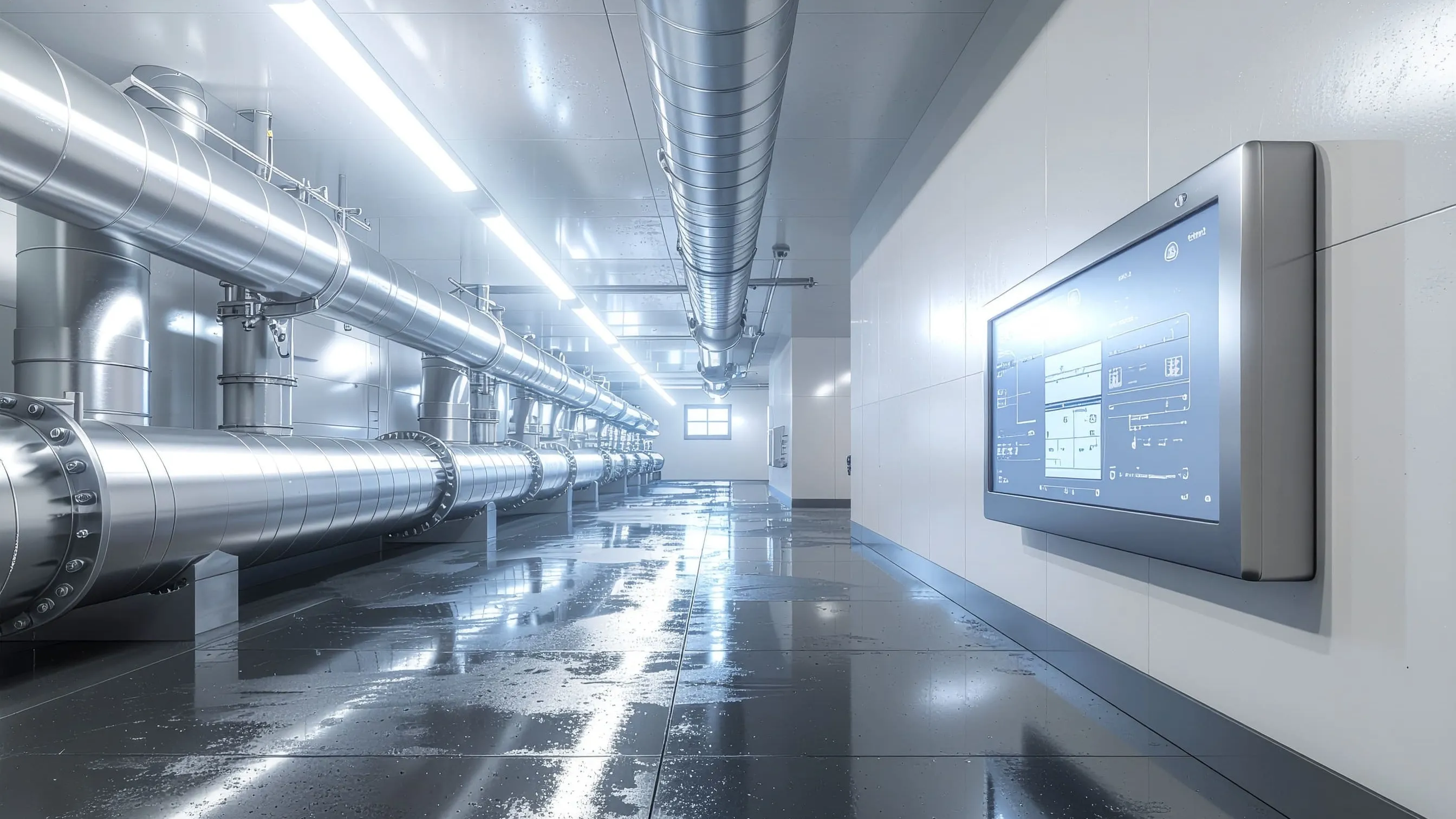
Removing obsolete boilers, pumps, or heating plant from a commercial building creates an often-overlooked challenge. The Building Management System (BMS) still expects that equipment to be there. Outdated BMS programming generates false alarms, displays non-existent equipment on operator screens, and easily triggers unnecessary emergency callouts. For facilities managers, updating BMS after equipment removal prevents these operational headaches and ensures the control system remains highly accurate.
The consequences of neglecting these updates extend far beyond nuisance alarms. Orphaned control points consume system resources, confuse maintenance personnel, and obscure genuine faults within the remaining equipment. When a BMS continues monitoring a removed boiler's flow temperature, operators waste vital time investigating phantom issues. Proper BMS reconfiguration following equipment removal is absolutely critical to maintaining operational efficiency.
Understanding BMS Integration with Heating Equipment
Building management systems establish communication with heating equipment through multiple data points and control sequences. A typical commercial boiler connects to the BMS via proprietary protocols, transmitting information including flow and return temperatures, firing rates, and operating hours. Circulation pumps communicate running status, speed feedback, and electrical consumption data. The BMS uses this information to coordinate heating plant operation and optimise energy consumption.
Control sequences programmed within the BMS determine how heating equipment responds to building demand. A boiler arrangement relies on BMS logic to sequence boiler firing based on load requirements and outside air temperature. grundfos variable speed pumps receive modulating signals from the BMS to match flow rates with heating demand. These interdependent control relationships mean removing one piece of equipment affects multiple system functions.
When heating equipment is physically removed but BMS programming remains unchanged, the system attempts to communicate with devices that no longer exist. Communication timeouts generate repeated fault messages. Control sequences that reference removed equipment fail to execute properly, potentially affecting operational equipment. Addressing these issues requires systematic BMS reconfiguration.
Pre-Removal Documentation Requirements
Thorough documentation before equipment removal vastly simplifies subsequent updates and prevents configuration errors. Heating engineers must capture complete records of existing BMS programming related to the targeted equipment. This includes screenshots of control graphics showing equipment location and copies of sequences that reference the equipment. You must document all associated data points, including sensors, actuators, and communication addresses.
Mapping control sequences reveals critical interdependencies between the equipment being removed and other building systems. Think of a BMS like a central nervous system. If you remove a limb but forget to sever the nerve connections, the brain still sends signals and registers phantom pain. Similarly, a central heating pump removal requires severing the digital connections to prevent system confusion. Documentation should identify every single instance where removed equipment appears.
Recording baseline system performance before equipment removal provides reference data for post-modification commissioning. Note the operating temperatures, flow rates, energy consumption patterns, and typical alarm frequencies. These metrics help verify that updating BMS after equipment removal maintains or improves system performance.
Immediate Post-Removal BMS Tasks
Once heating equipment is physically removed, immediate attention prevents false alarms and system confusion. The first priority involves disabling communication polling for the removed devices. Proper Modbus communication polling ensures the system actively monitors live equipment. If you do not disable the obsolete Modbus communication polling, repeated timeout errors will flood the alarm log and trigger costly callouts.
Removing alarm triggers associated with decommissioned equipment prevents annoying nuisance notifications. A removed boiler might have generated alarms for low water level, flame failure, or high temperature. Each alarm point requires individual attention within the programming to ensure it no longer triggers notifications. Overlooking even minor alarm points creates ongoing confusion for your operators.
System graphics require immediate updating to reflect the newly modified equipment arrangement. Operators rely heavily on graphical representations showing equipment location, status, and operating parameters. Systems featuring equipment supplied by National Pumps and Boilers typically connect to detailed BMS graphics displaying boiler plant rooms and distribution circuits. Leaving obsolete equipment on system graphics completely misleads operators and complicates future troubleshooting efforts.
Reconfiguring Control Sequences
Control sequence modification represents the most complex aspect of updating BMS after equipment removal. Heating systems typically operate under coordinated control where multiple components work closely together. A four-boiler system controlled via standard lead-lag boiler sequencing requires complete reprogramming if reduced to three boilers. The system must recognise the new equipment count and adjust the lead-lag boiler sequencing logic accordingly to prevent failures.
Temperature control strategies may require heavy reconfiguration based on modified system capacity. If equipment removal reduces total heating capacity, the system might need revised setpoint strategies to maintain comfort. Conversely, removing oversized legacy equipment might finally enable highly precise temperature control. Heating engineers should evaluate whether existing control strategies remain appropriate.
Cascading controls that coordinate multiple heating elements demand particular attention during reconfiguration. A DHW pump removal affects direct hot water circulation, but it also impacts boiler firing sequences and mixing valve positions. Each control loop that referenced the removed pump requires thorough evaluation and modification.
Updating System Graphics and User Interfaces
Operator interfaces provide the primary means for facilities staff to monitor the heating systems. Updating these interfaces following equipment removal ensures operators work with perfectly accurate representations. Floor plan graphics showing equipment locations require modification to remove decommissioned plant. Schematic diagrams illustrating system flow paths need revision to reflect modified piping arrangements correctly.
Dashboard displays that summarise system performance typically include key metrics from all major equipment. Proper BACnet equipment mapping ensures the dashboard displays accurate data streams. If your BACnet equipment mapping is incorrect, the dashboard will leave blank spaces where removed equipment data once appeared. Dashboard redesign should always optimise screen real estate to emphasise remaining equipment performance instead.
Trend displays that graph system performance over time need updating to remove data series from decommissioned equipment. Historical data from removed equipment might be archived for reference but should not appear in active displays. Wilo pump installations, for example, benefit from trend displays showing speed, power consumption, and flow rates.
Testing and Commissioning Modified BMS
Systematic testing verifies that modifications maintain proper control following equipment removal. Testing protocols must exercise all modified control sequences under various operating conditions. Verification includes confirming that remaining equipment responds correctly to commands, and that no obsolete control logic interferes with current operations. Precise variable speed pump modulation ensures the new flow rates match demand. Without verifying variable speed pump modulation, the system may over-pressurise the remaining network.
Alarm testing ensures that genuine faults trigger appropriate notifications while false alarms no longer occur. This involves deliberately creating fault conditions on remaining equipment to verify alarm generation and escalation procedures. Testing should confirm that alarm priorities remain entirely appropriate. Operators must understand which alarms require immediate response versus those indicating minor issues.
Performance monitoring during the commissioning period identifies any unexpected consequences of BMS modifications. Comparing post-modification performance data against baseline measurements reveals whether system efficiency meets expectations. pump valves and control components must demonstrate proper modulation under BMS control.
Documentation and Handover
Comprehensive documentation following updates provides essential reference material for ongoing system operation. Updated as-built drawings should accurately reflect current equipment arrangements and communication network configurations. These drawings serve as the critical foundation for future troubleshooting and eventual equipment replacement. Documentation quality directly impacts long-term system maintainability.
Revised operating procedures must account for modified system capabilities and control sequences. If equipment removal changed heating capacity, operating procedures should include revised guidance for extreme weather operation and backup protocols. Procedures should clearly identify which controls remain active and which have been disabled entirely.
A facilities manager at a regional hospital recently removed an obsolete unit to install a new Vaillant boiler but forgot the BMS handover update. At 2:00 AM, the system tried polling the missing unit, triggering a critical failure alarm. The night shift evacuated the basement. Proper documentation and hands-on operator training completely prevent these expensive disasters.
Maintaining BMS Accuracy During Future Changes
Establishing strict procedures for maintaining accuracy during future equipment changes prevents the accumulation of obsolete programming. Every equipment addition, removal, or replacement should trigger a formal update process. This disciplined approach prevents the gradual degradation of accuracy that occurs when modifications accumulate unnoticed over the years.
Regular audits identify severe discrepancies between actual equipment configurations and system programming. Annual reviews comparing physical installations against graphics and data point assignments reveal outdated elements requiring immediate correction. These audits also provide excellent opportunities to optimise control strategies based on operational experience.
Version control for programming enables tracking changes over time and facilitates troubleshooting when system behaviour changes unexpectedly. Maintaining dated backups of programming before and after each modification creates a vital historical record. This documentation proves invaluable when investigating operational issues or training new facilities staff.
Conclusion
Updating building management systems after heating equipment removal requires systematic attention to communication protocols, control sequences, and operator interfaces. Neglecting these essential updates generates false alarms, confuses operators, and obscures genuine system faults. Proper reconfiguration ensures control systems accurately reflect current equipment arrangements while maintaining operational efficiency.
The process begins with thorough documentation before equipment removal, capturing existing configurations and identifying interdependent systems. Immediate post-removal tasks disable obsolete communication polling and alarm triggers. Control sequence reconfiguration addresses the complex relationships between components, ensuring remaining equipment operates effectively under modified conditions.
Facilities managers and heating engineers should approach updates with the same exact rigour applied to physical equipment installation. The investment in proper reconfiguration pays huge dividends through reduced false alarms and maintained system performance.
For expert guidance on upgrading your circulation equipment and ensuring perfect system integration, Request Product Support today by speaking with our technical support team.