

How to Upgrade Thermal Insulation on Existing Commercial Heating Pipework
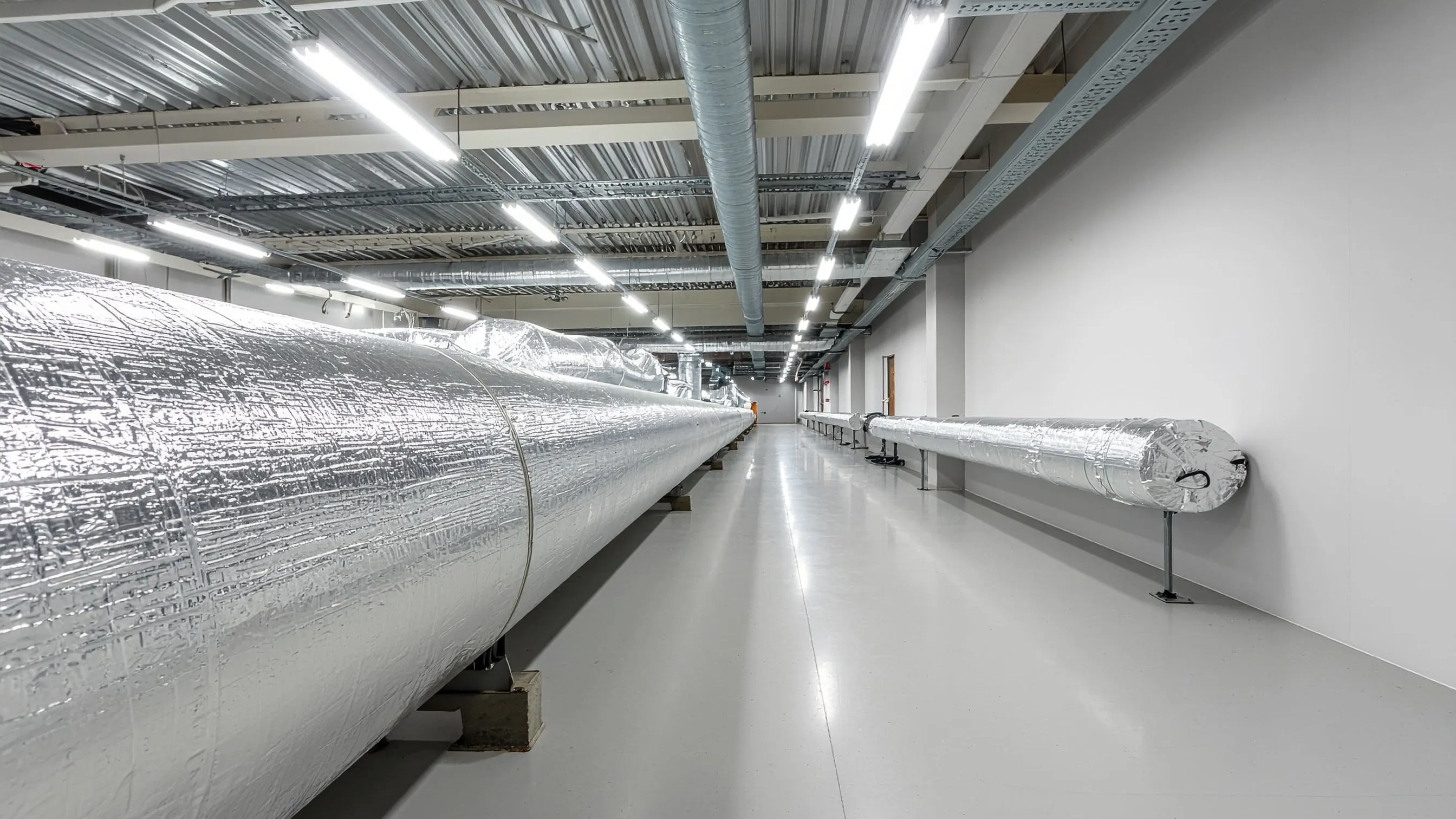
Upgrading commercial pipework insulation is a vital engineering intervention for any aging facility. Old, degraded lagging bleeds massive amounts of expensive thermal energy directly into the atmosphere. This forces your primary heating equipment to work significantly harder just to satisfy the basic building demand. By executing a proper, methodically planned insulation upgrade, facility managers can drastically lower their operational utility costs and reduce their overall carbon footprint.
Replacing damaged insulation is not merely a cosmetic exercise. It fundamentally protects your heavy mechanical infrastructure from severe environmental degradation. Implementing a highly structured upgrade strategy ensures your facility meets the latest strict energy compliance laws while preventing catastrophic pipe failures.
Assessing the Existing Infrastructure
Before tearing off old material, engineers must evaluate the current state of the pipework. Old insulation often hides severe pipe degradation. Facilities must utilise non-destructive moisture detection to find hidden wet spots safely. This advanced non-destructive moisture detection uses sophisticated capacitance or microwave sensors to identify saturated insulation without cutting into the physical pipe.
Finding and fixing these wet zones prevents catastrophic system failures. National Pumps and Boilers regularly advises clients to map these vulnerable areas carefully before authorising a full strip-out. Using precise non-destructive moisture detection guarantees that your maintenance budget is targeted at the sections that genuinely pose a structural risk to the building.
Removing Degraded Lagging Safely
If the existing lagging is crushed, wet, or brittle, you must remove it entirely. You cannot simply wrap new material over saturated foam. Leaving wet insulation against steel pipes causes severe Corrosion Under Insulation (CUI). As a trusted heating equipment supplier, we strongly recommend stripping the pipes down to the bare metal.
Engineers must execute strict health and safety checks first, as many pre-2000 installations contain highly dangerous asbestos hidden in the gaskets or lagging. Once the area is deemed completely safe, engineers wire-brush the steel surface to remove existing rust before applying any new thermal barriers. Upgrading commercial pipework insulation requires a pristine, dry foundation to ensure the new materials bond and perform flawlessly.
Specifying Modern Insulation Materials
Choosing the correct replacement material dictates the long-term success of the upgrade. For standard heating headers, rigid mineral wool provides excellent high-temperature resistance and superior Class O fire safety ratings. If you are insulating chilled water lines alongside a primary central heating pump, you must specify closed-cell elastomeric rubber instead.
This specific closed-cell material guarantees total interstitial condensation prevention. Effective interstitial condensation prevention stops atmospheric moisture from sweating against cold pipes and rotting the steel from the inside out. Furthermore, engineers must calculate the exact thickness of the material to comply with Building Regulations Part L, ensuring maximum energy retention across the entire network.
Implementing Vapour Barriers
Insulation is only effective if it remains completely dry over its entire lifespan. The outer layer must form a continuous, impenetrable shield against the humid plant room atmosphere. Engineers achieve this by sealing every single joint tightly with heavy-duty vapour barrier tape.
Think of vapour barrier tape like the watertight seal on a submarine hatch. Even a microscopic gap allows moisture to rush in under pressure, sinking the entire thermal defence immediately. You must seal every longitudinal seam perfectly, especially around awkward heating pump valves and tight elbows. Flawless application of vapour barrier tape guarantees the underlying insulation maintains its maximum thermal resistance for decades.
Applying Retrofit Pipe Cladding
Plant rooms are highly active, hazardous mechanical spaces. Soft foil-faced insulation easily gets crushed by ladders, heavy boots, or dropped maintenance tools. To protect the soft lagging, engineers install rigid retrofit pipe cladding over the vulnerable sections. This tough retrofit pipe cladding acts as protective body armour for your delicate thermal barriers.
If technicians are servicing heavy grundfos circulating pumps, this hard outer shell prevents accidental impacts from destroying the vapour seal beneath. Installing retrofit pipe cladding is an absolute necessity for low-level pipework exposed to daily foot traffic. Engineers often use aluminium jackets with overlapping seams to ensure overhead water drips simply roll off the pipework harmlessly.
Protecting High-Heat Generation Areas
The primary headers located directly above the main boilers carry the absolute highest temperatures in the building. These sections experience intense thermal stress. Upgrading commercial pipework insulation in these critical zones requires premium, high-density materials to trap the massive radiant heat securely.
A facility manager at a regional hospital recently noticed their basement plant room exceeding forty degrees Celsius despite installing new boilers. A quick survey revealed the primary headers were completely bare. The radiant heat was literally melting the circuit boards on their modern inverter drives. Covering these exposed pipes with heavy insulation instantly dropped the ambient room temperature to a safe level and slashed their gas consumption by twenty percent. If you operate a large remeha cascade system, insulating the primary flow headers is a non-negotiable safety requirement.
Securing Domestic Hot Water Lines
Space heating is not the only system requiring intense thermal protection. Domestic hot water circulation lines must maintain strict, elevated temperatures across vast distances to prevent dangerous bacterial growth. If these lines lose heat through poor insulation, the furthest taps become a lethal breeding ground for Legionella bacteria.
You must insulate these distribution lines flawlessly. When retrofitting a commercial facility with new andrews water heaters, engineers must ensure the entire secondary return loop is heavily lagged. Proper insulation ensures the water stays safely above sixty degrees Celsius throughout its entire journey, providing absolute health and safety compliance for the facility occupants. Total interstitial condensation prevention on the surrounding cold mains is equally important to stop adjacent pipes from dripping onto the hot lines.
Insulating the Pumping Infrastructure
Leaving massive steel flanges and heavy brass valves exposed ruins your overall thermal efficiency. These exposed mechanical components act as giant heatsinks, bleeding valuable thermal energy rapidly into the ambient air. Engineers use bespoke, removable velcro jackets to insulate these awkward shapes tightly and securely.
These custom jackets wrap tightly around a domestic hot water pump or complex isolation valve. They trap the heat perfectly whilst allowing maintenance staff quick, unhindered access during routine emergency servicing. Upgrading commercial pipework insulation must include every single mechanical component in the fluid path to eliminate destructive thermal bridging completely.
Conclusion
Modernising your plant room insulation is one of the most reliable and cost-effective energy upgrades available to commercial facilities. By combining advanced diagnostics with robust outer cladding, you protect your highly expensive mechanical infrastructure completely. Proper material specification ensures total legal compliance while saving your heavy steel pipes from devastating internal rust.
Never ignore the massive financial drain caused by exposed, uninsulated pipework. Replacing crushed lagging heavily extends the lifespan of your electronic controls and slashes your monthly utility bills. If you need professional engineering guidance on selecting the correct lagging materials for your specific site, Get the Right Solution by speaking directly to our commercial heating specialists today.