

How to Upgrade Your Commercial Heating System with Hydronic Technology
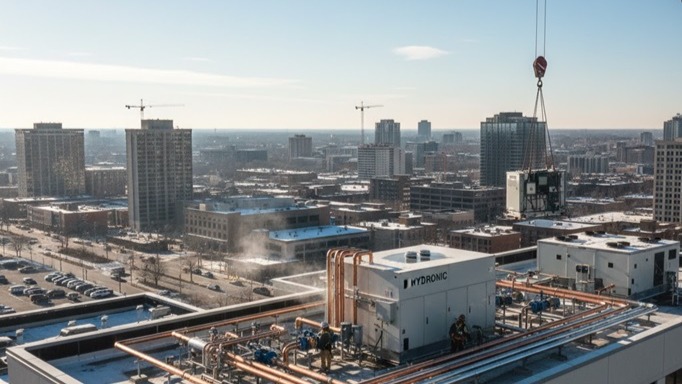
Upgrading heating system infrastructure with hydronic heating system design represents a strategic investment delivering substantial energy savings, improved comfort, and reduced operating costs for commercial properties. As aging forced-air systems approach replacement age, property managers increasingly recognise hydronic technology's superior efficiency and performance characteristics. This comprehensive guide walks through the complete upgrade process, from initial assessment through commissioning, ensuring your commercial heating system upgrade delivers optimal results for decades to come.
Assessing Your Current Commercial Heating System
Before committing to hydronic technology, thoroughly evaluate your existing system identifying specific limitations and upgrading heating system opportunities.
Identifying Upgrade Triggers
Age and performance decline typically manifest when systems reach 15-20 years old. Forced-air furnaces and aging boilers lose efficiency gradually, with 25-year-old equipment often consuming 30-40% more fuel than modern alternatives. Equipment reaching this age warrants replacement consideration regardless of apparent functionality.
Rising energy costs signal declining efficiency even in seemingly functional systems. Compare current fuel consumption against previous years adjusted for degree days. Consumption increases exceeding 10-15% over five years suggest efficiency degradation warranting investigation and potential replacement.
Maintenance frequency increases indicate approaching end-of-life conditions. Systems requiring multiple service calls annually cost more in reactive repairs than preventive replacement would deliver in savings and reliability. Track maintenance expenses annually - costs approaching 50% of replacement value justify proactive system upgrades.
Comfort complaints from building occupants reveal temperature control inadequacies and distribution problems. Forced-air systems particularly suffer from temperature stratification, drafts, and noise complaints that hydronic systems inherently eliminate through gentle radiant heat distribution.
Evaluating Existing System Limitations
Efficiency deficiencies in older systems stem from outdated technology, worn components, and design limitations. Conventional boilers operate at 75-80% efficiency compared to 90-95% for modern condensing units. Distribution losses in poorly insulated ductwork can waste 20-30% of generated heat before reaching occupied spaces.
Capacity constraints emerge as buildings undergo renovations, tenant improvements, or usage changes. Undersized systems run continuously during peak demand failing to maintain comfortable temperatures. Conversely, oversized systems short-cycle wasting energy and causing temperature fluctuations.
Control inadequacies limit older systems' ability to respond to varying demands and occupancy patterns. Simple thermostatic controls lack weather compensation, scheduling sophistication, and zone management capabilities that modern systems provide for optimal efficiency and comfort.
Understanding Hydronic Technology Advantages
Hydronic heating system design delivers multiple benefits over forced-air alternatives, justifying upgrade investments through superior performance and reduced operating costs.
Energy Efficiency Benefits
Superior heat transfer distinguishes hydronic from forced-air systems. Water transfers heat 3,500 times more effectively than air, allowing smaller distribution components and lower operating temperatures whilst delivering equivalent warmth. This fundamental advantage translates to 15-30% energy savings in typical commercial applications.
Lower operating temperatures prove particularly beneficial with condensing boiler technology. Hydronic systems designed for 60-70°C flow temperatures enable maximum condensing efficiency, whilst forced-air systems typically require higher temperatures limiting condensing effectiveness. Grundfos commercial circulators provide efficient water circulation using minimal electricity compared to forced-air blower motors.
Reduced distribution losses characterise hydronic piping running through conditioned spaces. Any heat escaping from pipes contributes to space heating rather than wasting to unconditioned areas. Well-insulated hydronic piping loses only 2-5% of heat during distribution compared to 15-25% for typical ductwork installations.
Comfort and Control Improvements
Zone-level management capabilities exceed forced-air alternatives substantially. Individual radiators easily accommodate thermostatic valves providing room-level control, whilst forced-air zoning requires complex damper systems delivering inferior temperature precision. Commercial circulators enable sophisticated multi-zone configurations serving diverse building areas independently.
Temperature consistency improves dramatically with hydronic heating eliminating the temperature cycling characteristic of forced-air systems. Radiant heat from radiators or underfloor systems maintains steady warmth without fluctuations, whilst forced-air systems create noticeable temperature swings between heating cycles.
Quiet operation represents a significant comfort advantage. Hydronic systems operate virtually silently compared to forced-air blowers, duct air movement, and equipment cycling noises. Office environments, libraries, and healthcare facilities particularly appreciate this characteristic.
Long-Term Cost Savings
Reduced fuel consumption from superior efficiency delivers ongoing savings throughout system lifespan. Annual energy cost reductions of 20-30% prove common when replacing aging forced-air systems with modern hydronic technology. These savings compound over 20-25 year equipment lifespans, substantially exceeding initial investment premiums.
Lower maintenance requirements follow from hydronic systems' simpler mechanical configurations. Fewer moving parts, no filters requiring monthly replacement, and robust component construction reduce service demands and costs. Annual maintenance typically costs 30-40% less than forced-air equivalents.
Extended equipment lifespan sees properly maintained hydronic boilers operating 20-25 years compared to 15-18 years for forced-air furnaces. Distribution components including piping and radiators often exceed 30-40 years, far outlasting ductwork and air handlers.
Planning Your Hydronic Upgrade
Successful upgrading heating system projects require thorough planning addressing technical requirements, budget constraints, and implementation timing.
Heat Load Analysis
Building assessment determines precise heating requirements accounting for insulation levels, glazing properties, orientation, and thermal mass. Professional heat load calculations prevent undersizing causing comfort problems or oversizing wasting capital and operating costs.
Insulation considerations significantly impact system sizing. Buildings with recent envelope improvements require smaller heating capacity than original designs specified. Conversely, buildings awaiting insulation upgrades should size systems for post-improvement loads avoiding expensive future replacements.
Occupancy patterns influence both capacity requirements and control strategies. Buildings with predictable schedules benefit from aggressive setback strategies and zone management reducing heating during unoccupied periods. Variable occupancy patterns require different approaches maintaining comfort for unpredictable usage.
System Design Considerations
Boiler selection balances capacity, efficiency, and fuel availability. Multiple smaller boilers provide better part-load efficiency and redundancy compared to single large units. Modulating condensing boilers adjust output matching demand precisely whilst maintaining peak efficiency across varying loads.
Distribution method choice between piping to radiators, underfloor systems, or fan coil units depends on building characteristics and performance priorities. Wilo commercial pumps serve various distribution configurations efficiently.
Heat emitter options include panel radiators offering quick installation and proven performance, underfloor heating providing superior comfort and efficiency, or fan coil units enabling future cooling integration. Mixed approaches combining technologies suit many commercial applications.
Control strategy development determines how systems respond to varying demands. Weather compensation, zone management, and building management system integration optimise performance whilst maintaining occupant comfort. Modern controls dramatically improve efficiency compared to simple thermostatic systems.
Budget Development
Equipment costs vary substantially based on system sophistication and component quality. Budget £100-250 per square metre for complete hydronic system installations including boilers, distribution, emitters, and controls. Premium components and complex designs increase costs whilst delivering superior performance and longevity.
Installation expenses typically equal or exceed equipment costs depending on existing building conditions and access constraints. Occupied building upgrades cost more than vacant building work due to coordination requirements and phasing constraints.
Financing options include traditional capital budgets, energy performance contracts, green financing programmes, and operational leasing arrangements. Each approach offers distinct advantages regarding cash flow, tax treatment, and financial reporting.
ROI calculations demonstrate upgrade justification through quantified energy savings, maintenance cost reductions, and avoided repair expenses. Typical payback periods range 5-10 years depending on existing system conditions and energy costs, with total lifecycle savings substantially exceeding initial investments.
Hydronic System Components Selection
Component selection significantly impacts system performance, reliability, and operating costs, making careful evaluation essential for hydronic heating system design success.
Boiler Technology Options
Condensing boilers represent current best practice, achieving 90-95% seasonal efficiency through heat recovery from flue gases. Wall-hung condensing boilers suit smaller commercial applications whilst floor-standing units serve larger buildings. Remeha commercial boilers offer excellent efficiency alongside proven reliability.
Modulating capability allows boilers to adjust firing rates from 20-30% to 100% of capacity matching output precisely to demand. This eliminates cycling losses improving efficiency and component longevity. Multiple modulating boilers provide superior part-load efficiency compared to single large units.
Fuel type considerations balance availability, cost, and sustainability goals. Natural gas remains most common offering competitive costs and clean combustion. Propane serves areas without gas infrastructure, whilst biomass and heat pumps support carbon reduction initiatives.
Circulation Pump Selection
Variable-speed benefits prove substantial with modern circulators automatically adjusting flow rates to match system demands. These pumps consume 50-80% less electricity than fixed-speed alternatives whilst improving control responsiveness. ErP A-rated pumps meet stringent efficiency standards ensuring minimum energy waste.
Sizing requirements demand careful calculation balancing adequate flow against excessive pump energy. Professional hydraulic analysis determines required flow rates and pressure losses guiding appropriate pump selection. Oversized pumps waste electricity continuously whilst undersized units compromise performance.
Efficiency ratings directly impact operating costs with premium circulators paying for themselves through electricity savings. A-rated pumps typically recover cost premiums within 2-4 years through reduced energy consumption.
Heat Emitter Choices
Radiators vs underfloor heating debates balance installation complexity, response characteristics, and comfort quality. Radiators prove simpler to install in existing buildings whilst underfloor systems deliver superior comfort and efficiency. Many commercial upgrades combine both technologies strategically.
Fan coil units provide heating and optional cooling capability through single terminal units. These prove popular in office buildings requiring year-round climate control, though they sacrifice some efficiency and comfort advantages compared to pure hydronic emitters.
Mixed system approaches allocate different emitter types based on space requirements and priorities. Underfloor heating suits reception areas and open spaces, radiators serve cellular offices, whilst fan coils provide meeting rooms with independent environmental control.
Control System Integration
Building management systems enable centralised monitoring and control across all building services including heating. Integration provides sophisticated scheduling, remote access, and performance analytics supporting continuous optimisation. Modern BMS systems accommodate hydronic heating seamlessly.
Weather compensation adjusts supply temperatures based on outdoor conditions improving efficiency whilst maintaining comfort. This simple control strategy typically delivers 10-15% energy savings with minimal investment.
Zone controls divide buildings into logical areas with independent temperature management. Perimeter zones, interior spaces, and areas with distinct occupancy patterns benefit from separate control enabling tailored comfort whilst minimising energy waste.
Installation Planning and Execution
Professional installation following systematic planning ensures upgrading heating system projects deliver intended performance whilst minimising disruption.
Phased Implementation Strategy
Minimising operational disruption requires careful sequencing of work activities. Complete installations during nights, weekends, or low-occupancy periods when building closures prove acceptable. Phased approaches maintain partial heating during extended projects.
Seasonal timing significantly impacts installation convenience and building occupant comfort. Spring and autumn provide ideal installation windows between heating and cooling seasons. Summer installations suit buildings without cooling requirements, whilst winter work requires careful planning maintaining temporary heat.
Zone-by-zone approaches suit larger buildings where simultaneous building-wide work proves impractical. Complete individual zones sequentially whilst maintaining existing systems serving other areas. This staged approach extends project duration but enables continuous building occupation.
Working with Existing Infrastructure
Reusing distribution piping proves economical where existing pipe sizing, routing, and condition permit. Copper and steel piping in good condition often accommodates hydronic conversion with minimal modifications. However, undersized or deteriorated piping requires replacement ensuring reliable long-term performance.
Adapting control wiring sometimes allows reuse of existing cables for new control components. Evaluate wire gauge, insulation condition, and routing suitability before committing to reuse. New control systems often warrant complete rewiring ensuring reliable communication.
Integration challenges arise coordinating new heating with existing building systems. Electrical service capacity, structural load limits, and space constraints all influence upgrade feasibility. Professional engineering assessment identifies potential obstacles enabling proactive solutions.
Professional Installation Requirements
Qualified contractors with commercial hydronic experience prove essential for successful upgrades. Verify relevant certifications including Gas Safe registration for gas-fired equipment and appropriate trade licenses. Request references from similar commercial projects demonstrating relevant capabilities.
Compliance standards including Building Regulations, gas safety requirements, and electrical codes mandate professional adherence. Non-compliant installations create safety hazards, insurance complications, and potential legal liabilities. Ensure contractors understand and follow all applicable requirements.
Quality assurance procedures throughout installation catch problems before completion. Regular site inspections, photographic documentation, and testing protocols verify work quality meeting specifications. National Pumps and Boilers maintains rigorous quality standards ensuring commercial installations deliver specified performance.
Financing and Incentives
Various funding mechanisms and incentive programmes support commercial heating upgrades reducing financial barriers to hydronic heating system design implementation.
Available Funding Options
Energy efficiency grants from government and utility programmes sometimes offset upgrade costs. Available programmes vary by location and change over time - research current offerings before finalising budgets. Grants typically require meeting specific efficiency thresholds and may involve application processes.
Green financing provides favourable loan terms for energy efficiency improvements. These programmes recognise energy savings improving project economics and reducing environmental impacts. Interest rates often prove lower than conventional commercial loans whilst offering extended repayment terms.
Tax incentives including accelerated depreciation and energy investment credits reduce effective upgrade costs for qualifying projects. Consult tax professionals determining available benefits and ensuring compliance with programme requirements.
Calculating Return on Investment
Energy savings projections require baseline consumption data and realistic efficiency improvement estimates. Professional energy audits quantify expected savings accounting for equipment performance, building characteristics, and usage patterns. Conservative estimates prevent disappointment whilst maintaining project justification.
Maintenance cost reductions follow from hydronic systems' simpler mechanical configurations and robust construction. Estimate 30-40% lower annual maintenance expenses compared to forced-air alternatives based on fewer service visits and reduced parts replacement.
Payback period analysis demonstrates when cumulative savings recover initial investment. Simple payback periods of 5-8 years prove typical for commercial hydronic upgrades, with total lifecycle savings substantially exceeding initial costs.
Testing, Commissioning, and Handover
Thorough commissioning transforms completed installations into fully functional, optimised heating systems delivering intended performance.
System Testing Procedures
Pressure testing verifies system integrity before operation. Industry standards typically require testing at 1.5 times maximum operating pressure for minimum two hours. All joints and components undergo visual inspection during testing identifying any leaks requiring correction.
Performance verification confirms equipment operates meeting design specifications. Measure flow rates, temperatures, and pressures comparing against design values. Investigate significant discrepancies before accepting installations as complete.
Control validation ensures all thermostats, zone valves, and automation functions operate correctly. Test each control sequence verifying proper response to varying demands and conditions. Document all settings for future reference and troubleshooting.
Staff Training
Operation instruction familiarises building staff with new system characteristics and controls. Hands-on training proves more effective than written documentation alone, though comprehensive manuals remain essential references. Cover normal operation, seasonal adjustments, and routine monitoring procedures.
Maintenance responsibilities clarification establishes clear expectations for owner-performed tasks versus contractor services. Simple tasks including pressure monitoring and filter cleaning suit building staff, whilst technical servicing requires professional contractors.
Troubleshooting basics enable staff to identify and address simple problems whilst recognising when professional assistance becomes necessary. Understanding common issues and their symptoms prevents minor problems escalating unnecessarily.
Post-Upgrade Optimisation
Continuous improvement following installation maximises upgrading heating system benefits through performance monitoring and control refinement.
Monitoring Performance
Energy consumption tracking compares actual performance against projections identifying optimisation opportunities or problems requiring attention. Smart meters and building management systems provide detailed consumption data enabling meaningful analysis.
Temperature monitoring ensures all zones maintain specified conditions without excessive heating. Temperature sensors in representative locations verify comfort delivery whilst identifying potential control or balance problems.
Occupant feedback provides valuable performance insights beyond quantitative measurements. Survey building occupants regarding comfort, noise levels, and any concerns. Address identified issues promptly maintaining satisfaction whilst optimising system operation.
Fine-Tuning Controls
Schedule optimisation aligns heating availability with actual building usage eliminating waste during unoccupied periods. Review and adjust time programmes quarterly accounting for seasonal changes and evolving occupancy patterns.
Temperature curve adjustment for weather compensation requires iterative refinement matching building thermal characteristics. Start with manufacturer recommendations then adjust based on temperature monitoring and occupant feedback over several weeks.
Zone balance refinement ensures even heat distribution across all areas without overserving some zones whilst underserving others. Professional balancing contractors use differential pressure measurements achieving optimal flow distribution.
Case Studies and Results
Real-world hydronic heating system design upgrades demonstrate achievable outcomes guiding expectations for commercial projects.
Typical Upgrade Outcomes
Energy savings achieved in commercial hydronic upgrades typically range 20-35% compared to replaced forced-air systems. Well-insulated buildings with sophisticated controls achieve upper range savings, whilst buildings with envelope deficiencies see more modest improvements.
Comfort improvements prove universally positive with occupant satisfaction surveys showing 80-90% positive responses following hydronic upgrades. Elimination of drafts, noise, and temperature fluctuations particularly receives appreciation.
Maintenance reductions averaging 30-40% lower annual costs follow from simpler mechanical configurations and robust construction. Service call frequency drops substantially whilst routine maintenance proves less demanding and expensive.
Industry-Specific Applications
Office buildings benefit from quiet operation supporting productive work environments whilst zone controls accommodate varying space usage patterns. Open-plan layouts particularly suit underfloor heating providing comfort without space-consuming radiators.
Healthcare facilities increasingly specify hydronic heating improving infection control through eliminated air circulation whilst enhancing patient comfort. Easy cleaning without radiator obstacles further supports healthcare hygiene requirements.
Educational institutions appreciate hydronic systems' longevity and low maintenance supporting tight budgets and minimising disruption. Quiet operation benefits learning environments whilst robust construction tolerates demanding usage conditions.
Conclusion
Upgrading heating system infrastructure with hydronic heating system design delivers substantial benefits through superior efficiency, improved comfort, and reduced operating costs. Strategic planning, quality component selection, and professional installation ensure upgrades achieve intended performance whilst minimising implementation challenges.
Success requires thorough assessment of existing conditions, realistic performance projections, and commitment to proper commissioning and ongoing optimisation. The investment in professional guidance and quality equipment pays dividends through decades of reliable, efficient operation.
For expert assistance planning and implementing commercial heating system upgrades, contact us to discuss your project with experienced engineers. Professional assessment and quality installation deliver heating systems meeting comfort, efficiency, and reliability expectations throughout extended operational lifespans.