

How Trace Heating Protects Commercial Pipework from Freezing in Winter
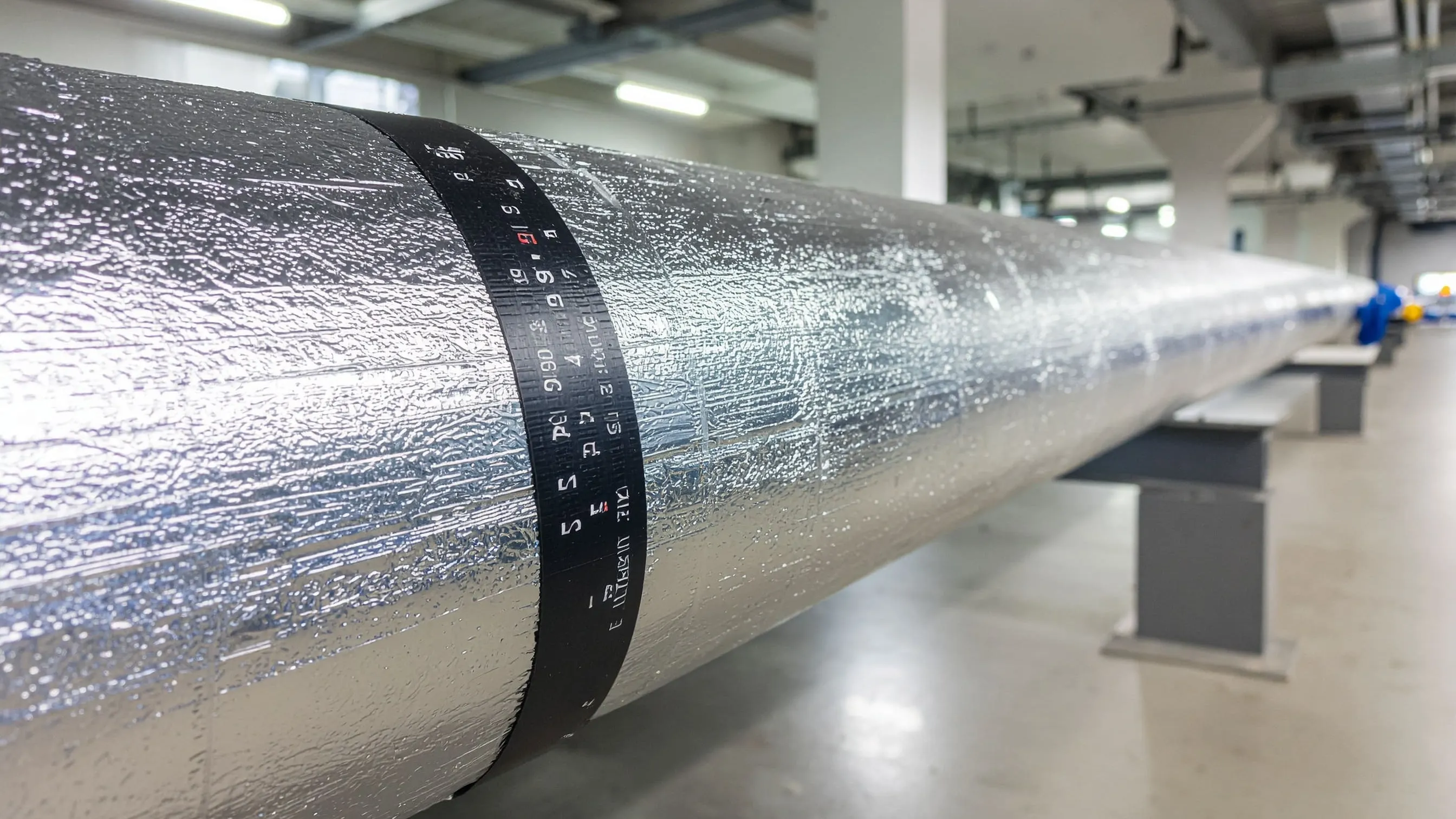
Winter weather introduces a severe threat to commercial building infrastructure. When temperatures drop below zero, exposed pipework becomes highly vulnerable to catastrophic failure. Passive insulation alone cannot generate heat; it can only slow down the cooling process. To actively prevent water from freezing inside external or exposed pipes, facility managers must install commercial pipework trace heating.
This highly engineered electrical system acts as an active thermal shield. It guarantees that critical heating circuits, chilled water lines, and external drainage networks survive the harshest winter nights without bursting. Understanding how to apply this technology ensures your facility operates seamlessly through freezing conditions without sustaining massive structural water damage.
The Physics of Freezing Pipes
Water follows a very unique and destructive law of physics when it freezes. As water drops below zero degrees Celsius and turns to ice, it expands its physical volume by approximately nine percent. If this water is trapped inside a rigid copper or steel pipe, that expansion generates thousands of pounds of outward pressure.
No commercial pipe can withstand that level of internal force. The metal simply splits wide open. National Pumps and Boilers regularly advises clients that recovering from a burst external header is incredibly expensive. The resulting flood destroys valuable equipment and shuts down the facility entirely. Relying on active commercial pipework trace heating physically prevents the water from ever reaching that critical freezing point.
Understanding Trace Heating Technology
The core concept is incredibly straightforward. Engineers run a specialised electrical cable directly along the entire length of the vulnerable pipe. When activated, this cable generates targeted thermal energy. This heat transfers straight through the metal pipe wall and directly into the cold fluid sitting inside.
Think of trace heating like a high-tech electric blanket wrapped tightly around a person. The blanket supplies gentle, continuous warmth to keep the core temperature perfectly stable in a freezing room. You must procure the right commercial heating supplies to secure the cable tightly against the pipe. If the cable sags and loses direct physical contact with the metal, the heat transfer fails completely, and the pipe will freeze regardless.
Self-Regulating Heating Cable Applications
The most common and efficient technology used today is a self-regulating heating cable. This advanced wire contains a semi-conductive polymer core sitting between two parallel bus wires. As the ambient temperature drops, this polymer core microscopically contracts. This contraction creates numerous electrical paths, causing the cable to generate significant heat.
As the pipe warms up, the polymer expands again, safely breaking those electrical paths and dropping the heat output. Therefore, a self-regulating heating cable modulates its own temperature independently at every single point along the pipe. If part of the pipe is in the freezing shade and another part sits in direct winter sunlight, the cable adapts instantly. This intelligent modulation protects your heating circulation pump pipework from freezing while saving massive amounts of electrical energy.
When to Use Constant Wattage Trace Heating
While self-regulating matrices are brilliant for general frost protection, some heavy industrial sites require massive, unwavering thermal power. In these intense scenarios, engineers specify constant wattage trace heating. This older but incredibly robust technology uses a fixed resistance wire.
When you apply power to a constant wattage trace heating circuit, it delivers the exact same intense thermal output continuously across its entire length. It does not modulate or slow down. If you need to protect heavy, thick fluid lines feeding a large external DHW pump, this robust cable ensures the fluid viscosity remains perfectly stable. However, because it cannot lower its own temperature, it absolutely requires an external control panel to turn it off safely before it overheats the pipe.
Precision Control with Sensors and Thermostats
Trace heating networks must operate automatically. You cannot rely on a facility manager to manually flip a switch when they feel a chill in the air. The system relies entirely on an accurate ambient temperature sensor mounted outside the building.
This ambient temperature sensor monitors the exact outside air conditions. Engineers mount this sensor on a north-facing wall, ensuring it reads the absolute coldest, most shaded air on the site. This sensor feeds live data directly back to the main frost protection thermostat. When the air drops to a pre-set danger point, usually around four degrees Celsius, the frost protection thermostat triggers the electrical contactors. This powers up the trace heating cable long before the water inside a grundfos water pump housing actually reaches zero.
Protecting Vulnerable Valves and External Assets
Straight pipe runs are easy to protect, but complex brass and steel fittings require meticulous attention. A facility manager at a large retail park recently lost a major chilled water line in January. The contractors had traced the straight pipes but completely ignored a massive external brass valve. The cold bridge froze the water inside the brass housing, snapping the valve casing in half and causing a severe leak.
Engineers must use specific winding techniques to wrap the cable tightly around every single isolation valve for pump maintenance, strainer, and flange. Brass and steel fittings act as massive heatsinks. They bleed warmth into the atmosphere much faster than straight pipes. Proper wrapping ensures total thermal continuity across the entire mechanical boundary.
Defending Drainage and Waste Infrastructure
Trace heating is not exclusively reserved for clean water or primary heating circuits. You must also protect external wastewater networks. Modern condensing boilers produce hundreds of litres of acidic condensate water daily. If this external condensate pipe freezes solid, the water backs up into the boiler and triggers a total system lockout.
Furthermore, external sewage lines and heavy waste pipes are highly vulnerable. By applying a commercial pipework trace heating network to these lines, you prevent foul water from freezing and backing up into the building. Protecting a heavy industrial drainage pump discharge line guarantees your facility continues to manage waste safely, regardless of severe sub-zero weather conditions.
The Absolute Necessity of Thermal Lagging
Installing the best electrical heating cable in the world is completely useless if you leave the pipe exposed to the winter air. The generated heat will simply radiate outward into the freezing atmosphere rather than penetrating the steel pipe wall.
Once you install a self-regulating heating cable or a constant wattage trace heating run, you must cover it immediately with heavy-duty thermal insulation. Proper lagging traps the generated heat directly against the metal. It forces the thermal energy inward. You must use oversized insulation to accommodate the extra width of the cable, ensuring the lagging seals perfectly without leaving any dangerous air gaps.
Conclusion
Winter weather is relentless, but commercial pipework trace heating provides an impenetrable thermal defence for your facility. By actively generating targeted heat exactly where it is needed, you protect your business from devastating floods, cracked valves, and frozen drainage lines.
You must always combine an accurate ambient temperature sensor with a reliable frost protection thermostat to guarantee the system operates automatically and efficiently. Never attempt to design or install these complex electrical heating networks without highly qualified commercial M&E engineers. If you need to winterise your exposed commercial infrastructure before the temperatures drop, Get Expert Advice from our dedicated commercial heating team today.