

How Underfloor Heating Systems Affect Pump Selection and Circuit Design
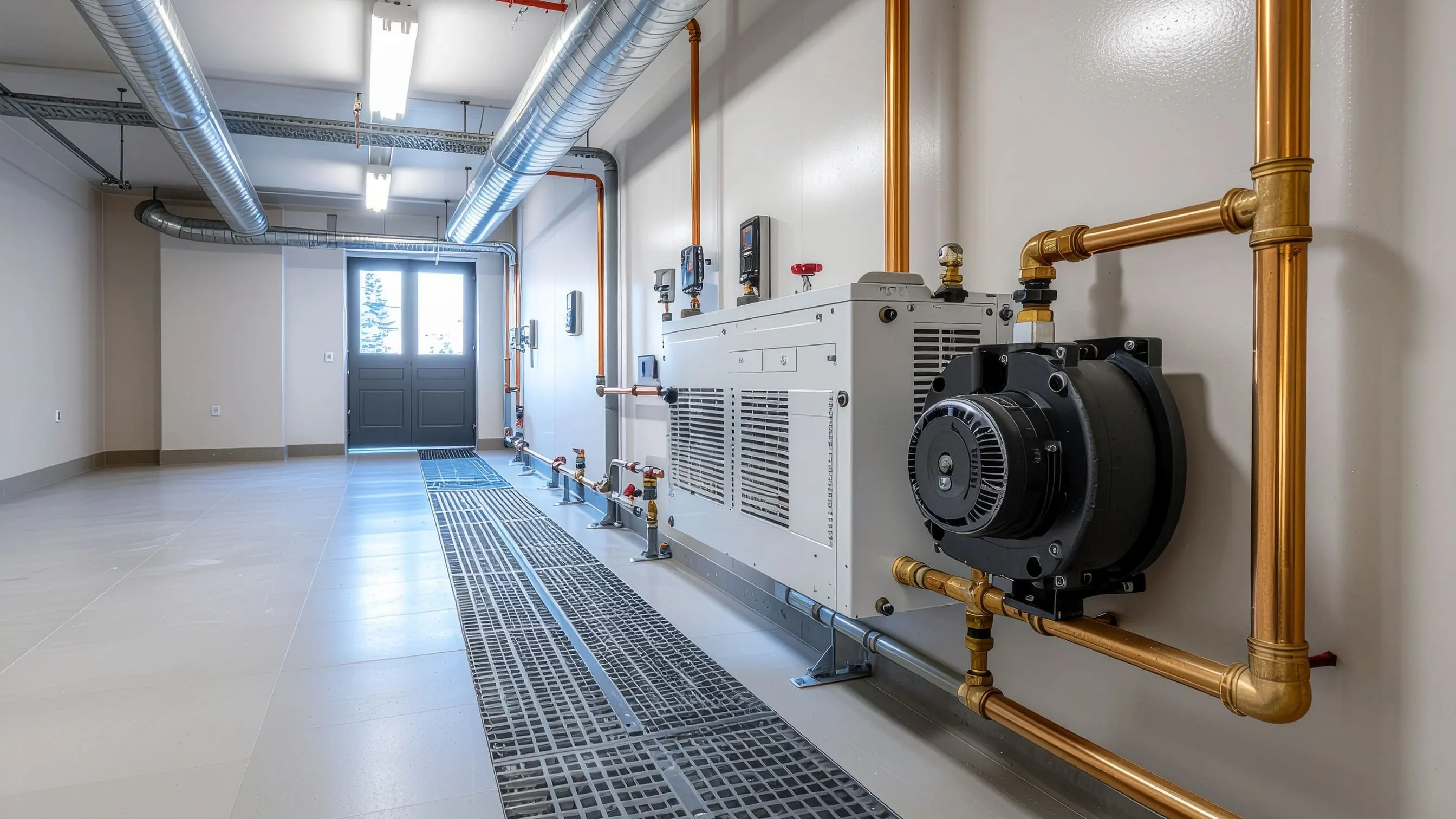
Underfloor heating operates at fundamentally different temperatures and flow characteristics compared to traditional radiator setups. A standard radiator circuit usually runs at a 70 to 80°C flow temperature with a 20°C temperature drop. Underfloor heating operates much cooler, typically between 35 and 50°C. It uses a narrow temperature differential of just 5 to 10°C.
This narrower temperature band requires substantially higher flow rates to deliver the same amount of heat. This core difference directly influences your circuit design and makes accurate underfloor heating pump selection a critical decision from the very start of a project.
The hydraulic resistance of underfloor heating loops creates pressure loss patterns completely distinct from conventional radiator circuits. You must account for these characteristics during pump specification to ensure adequate circulation. Incorrect specification leads to cold spots, inefficient operation, and premature component failure.
Understanding Underfloor Heating Hydraulics
Underfloor heating circuits rely on a large surface area to compensate for low operating temperatures. A typical domestic room might contain 100 metres of 16mm pipe. This extended pipework generates continuous friction losses. The water velocity in these pipes should remain below 0.5 metres per second to prevent audible noise transmission through the floor.
Think of an underfloor heating manifold exactly like a garden irrigation system. If you open all the sprinkler valves at once without balancing the water pressure, the plants closest to the tap flood. Meanwhile, the ones at the far end stay completely dry. Proper hydraulic design ensures water flows evenly to every single circuit.
The relationship between flow rate, temperature differential, and heat output follows a strict formula. For a circuit delivering 2kW with a 7°C differential, you need a flow rate of about 4 litres per minute. Multiple circuits serving a large property might demand total flow rates of 20 to 40 litres per minute. As a specialist heating equipment supplier, we know this significantly exceeds typical radiator system requirements.
Critical Pump Selection Criteria for UFH
Head pressure requirements for underfloor heating systems typically range from 2 to 6 metres. This depends heavily on circuit length, pipe diameter, and your manifold configuration. A single-storey domestic installation with standard 100-metre circuits might require just 3 metres of head.
Energy efficiency considerations are paramount under modern Building Regulations Part L. A grundfos alpha 2 pump achieves an Energy Efficiency Index rating below 0.20. Upgrading to a premium Alpha2 underfloor circulator dramatically reduces operational costs compared to older fixed-speed models. A high-efficiency unit might consume just 80 kWh annually, compared to 400 kWh for an outdated alternative.
Variable speed pumps automatically adjust their output to match system demand. They reduce flow rates during partial load conditions when individual zone valves close. Precise underfloor heating pump selection ensures the unit maintains a constant pressure differential across the manifold at all times.
Circuit Design Principles
Your manifold configuration determines both hydraulic performance and control capability. A properly specified manifold includes flow meters on each circuit outlet. Precise manifold flow meter adjustment ensures each circuit receives its exact design flow rate, guaranteeing even heat distribution across the floor.
Each circuit also needs a reliable electrothermal actuator integrated with the room thermostats. This allows different rooms to maintain distinct temperatures. It improves overall comfort while reducing energy consumption. Systems with frequent zone switching require pumps with soft-start functionality to prevent pressure surges when these valves open.
A plumbing contractor recently installed an oversized circulator on a five-zone underfloor heating manifold in a new-build bungalow. They assumed bigger was safer. However, the excessive pressure caused every single thermal actuator to fail within six weeks. Swapping the unit for a correctly sized, variable-speed pump resolved the issue instantly and eliminated the system noise.
Maximum circuit lengths depend heavily on your chosen pipe diameter and acceptable pressure loss. Standard 16mm pipe accommodates circuits up to 100 metres in domestic applications. You can use quality pump valve accessories to help balance the system, but exceeding maximum pipe lengths will always risk uneven floor temperatures.
Pump Types Suited to Underfloor Heating
High-efficiency circulators with automatic differential pressure control represent the current industry standard. These pumps adjust their speed continuously to maintain optimal pressure regardless of how many zones are active. Using an Alpha2 underfloor circulator guarantees automatic adaptation to system changes without the water hammer associated with basic pumps.
Commercial system requirements often exceed single-pump capacity. Large buildings with heat demands above 50kW typically employ twin-pump arrangements with automatic changeover. A commercial-grade Armstrong pump provides the necessary redundancy and facilitates maintenance without requiring a complete system shutdown.
Multi-zone applications benefit immensely from pumps with external control inputs. These allow building management systems to optimise operation based on occupancy patterns. For multi-storey installations requiring consistent pressure delivery, a reliable DAB booster pump can complement the primary circulation strategy perfectly.
Integration with Heat Sources
Heat pump compatibility requires particular attention during the specification phase. Air source heat pumps achieve their optimal efficiency when producing flow temperatures below 45°C. This aligns perfectly with underfloor heating requirements, provided the circulation pump can accommodate the necessary flow volume.
Condensing boiler systems require a thermostatic mixing valve to reduce the boiler flow temperature. A Vaillant boiler might produce 75°C flow for domestic hot water production. You must blend this down to 45°C before it enters the delicate underfloor circuits.
Your circulation pump must overcome the additional pressure loss through the thermostatic mixing valve assembly. Low loss headers provide hydraulic separation between the heat source and these distribution circuits. This arrangement is highly valuable when combining underfloor heating with high-temperature radiators.
Common Design Errors to Avoid
Oversizing your circulator is a very common and costly mistake. Excessive pump capacity forces the unit to operate inefficiently and increases the risk of cavitation. An oversized pump attempting to circulate through a low-resistance underfloor system consumes substantially more energy than a correctly specified unit.
Inadequate flow balancing creates extreme temperature variations across the floor. Skipping the manifold flow meter adjustment process means some areas will overheat while others stay cold. Professional commissioning always includes measuring actual flow rates and adjusting the manifold valves to achieve precise design conditions.
Control system mismatches occur when thermostats, actuators, and pump controls fail to coordinate. If a room thermostat calls for heat but the pump runs continuously regardless of demand, you waste energy. You must also ensure excessive pump pressure doesn't force a closed electrothermal actuator to leak water through the circuit. Proper underfloor heating pump selection prevents these control conflicts entirely.
Performance Optimisation
Seasonal adjustments help maintain comfort while minimising energy consumption. Reducing your flow temperature during milder weather decreases heat output proportionally. Weather compensation controls automate this process perfectly. They adjust the flow temperature based on external conditions to maintain steady internal comfort.
Monitoring system parameters provides deep insight into your overall hydraulic health. National Pumps and Boilers recommends checking these performance metrics periodically. If a circuit returns water 4°C cooler than its neighbours, you likely have a flow restriction. Periodic manifold flow meter adjustment may be necessary if settlement or air accumulation has altered your flow distribution over time.
Pump performance degradation usually manifests as gradually declining flow rates. Modern units like the Alpha2 underfloor circulator rarely fail catastrophically. Checking each electrothermal actuator and verifying the thermostatic mixing valve is operating correctly should form the basis of your annual servicing routine.
Conclusion
Underfloor heating's low-temperature, high-flow characteristics demand careful calculation and precise circuit design. You must calculate head requirements accurately and select pumps with appropriate variable-speed control capabilities. High-efficiency circulators with differential pressure control represent best practice for all modern domestic installations.
Proper manifold specification, thorough balancing, and careful integration with your heat source ensure optimal performance. Avoiding common errors like oversizing and inadequate balancing prevents operational problems and excessive energy consumption. Systems designed and commissioned to professional standards deliver comfortable, efficient heating for decades.
If you need professional guidance on underfloor heating pump selection or circuit design for a specific project, Get Help Choosing the Right Product by speaking directly with our technical engineering team today.