

How Varying Flow Temperatures Affect Pump Duty in Heat Pump Installations
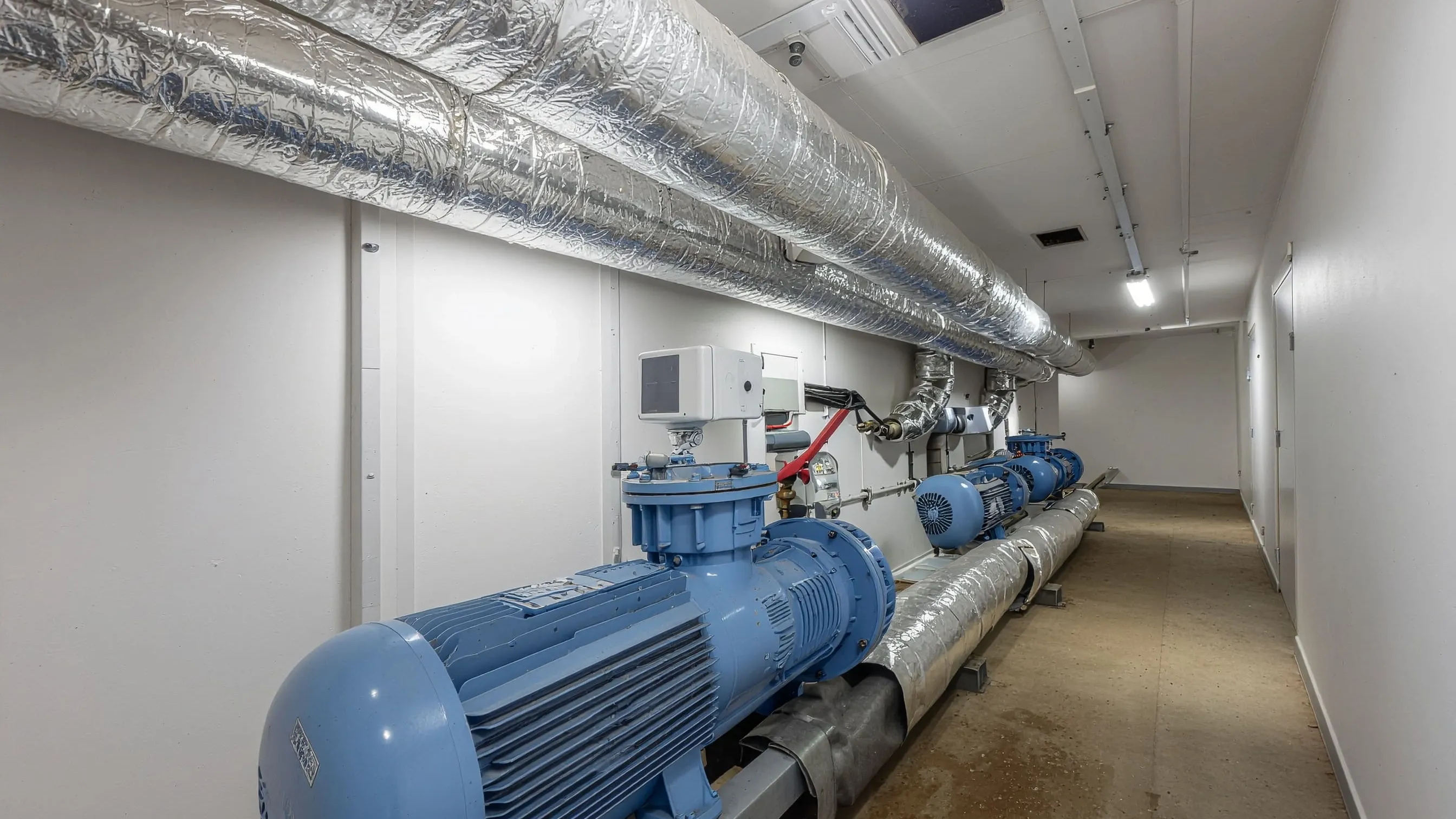
Heat pump installations present completely different hydraulic challenges compared to traditional boiler setups. You must carefully calculate how flow temperature variations affect pump duty across the entire heating season. A traditional gas boiler operates around 70°C to 80°C constantly. Heat pumps work most efficiently between 35°C and 55°C. These temperatures shift dynamically based on outdoor conditions and smart controls.
This shifting temperature creates immediate, continuous changes in system resistance. It directly alters the required pump performance in variable flow temperature heating systems. Many installers completely overlook this dynamic relationship during specification. A pump selected purely for maximum design conditions will operate inefficiently for most of the year. This wastes electrical energy and often causes system noise or hydraulic imbalances.
Understanding Flow Temperature in Heat Pump Systems
Flow temperature is simply the water temperature leaving the heat generator and entering the distribution network. Heat pumps use weather compensation to adjust this output automatically. On a mild autumn day, the system operates at 35°C. During peak winter demand, it pushes up to 55°C to meet the higher heat loss.
This dynamic shifting helps National Pumps and Boilers customers achieve massive efficiency gains. Lower temperatures always yield a higher coefficient of performance. Managing variable flow temperature heating effectively requires your circulation system to respond perfectly. The pump must modulate its speed to maintain optimal circulation without wasting power.
The operating temperature also depends entirely on your emitter type. Underfloor heating systems typically operate between 35°C and 45°C. Radiator-based systems usually require 45°C to 55°C to output enough heat. This variation creates different hydraulic conditions that your circulation pump must overcome daily.
The Fundamentals of Pump Duty
Pump duty describes the exact point where a pump's performance curve meets your system's resistance curve. This mechanical interaction defines your volumetric flow rate, head pressure, and electrical consumption. A 12kW heat pump with a 5°C differential requires about 0.57 litres per second of flow. This specific flow rate must overcome pipe friction and emitter resistance effortlessly.
Using a reliable grundfos water pump ensures you hit these performance metrics smoothly. Many domestic setups use the Grundfos UP 20-15 N 150 for secondary hot water loops alongside the main heating circuits. An intelligently sized Grundfos UP 20-15 N 150 handles these shifting hydraulic demands without drawing excessive electrical current.
Modern circulators offer advanced control algorithms to handle these varying demands. Using proportional pressure control ensures the pump only works as hard as physically necessary. As thermostatic radiator valves close, proportional pressure control automatically reduces the pump speed to save energy and prevent noise.
How Flow Temperature Variations Impact System Resistance
Water changes its physical viscosity based directly on its temperature. At 35°C, water is noticeably more viscous and thicker than at 55°C. This means the fluid generates higher friction losses as it travels through your pipework. This temperature-dependent viscosity is a critical factor in modern hydraulic calculations.
Think of this temperature-dependent viscosity like drinking a beverage through a straw. Drinking warm water is effortless. However, sucking up a thick, cold milkshake requires much more physical force from your lungs. As the heating fluid cools down, the circulator pump must work significantly harder to move the exact same volume.
This increased friction loss alters the system resistance curve entirely. In a well-designed low-temperature system, the temperature-dependent viscosity creates modest additional resistance. However, in poorly piped systems, this thickened fluid can completely stall the circulation rate during cold snaps.
Calculating Pump Duty Across Temperature Ranges
You calculate pump duty accurately by plotting resistance curves for different seasonal conditions. Start with your peak winter demand at the highest required flow temperature. A system requiring 0.6 litres per second might need 4.5 metres of head at 55°C.
You must then recalculate this resistance for lower temperatures. Operating that same system at 35°C might increase the head requirement to 4.8 metres. This jump happens entirely because of the increased fluid friction. Specifying a quality residential central heating pump prevents under-performance during these colder, high-viscosity periods.
Fixed-speed pumps simply cannot adapt to these changing numbers. They operate at a single static point on their performance curve. They will deliver excessive flow during mild conditions and insufficient flow during peak winter demand.
Pump Selection for Variable Flow Temperature Systems
A variable-speed circulator is the only logical choice for these dynamic conditions. These intelligent units adjust their motor speed continuously to match the system. Operating with proportional pressure control automatically balances the changing demands when zone valves open and close.
A properly selected commercial HVAC pump might run at 60% speed during mild weather. It then automatically ramps up to 85% during freezing winter conditions. This precise modulation reduces total electrical consumption by up to 70% compared to obsolete fixed-speed alternatives.
You must consider the full operating envelope when specifying a unit. The pump curve must accommodate maximum flow at the highest system resistance easily. It must do this without being so oversized that it becomes highly inefficient during normal mild weather operation.
Real-World Performance Considerations
Seasonal variations create massive shifts in operating conditions. An installer recently fitted a fixed-speed pump on a 15kW heat pump without checking the winter viscosity calculations. When a severe cold snap hit, the pump couldn't overcome the thickened fluid, leaving the entire second floor completely freezing. Upgrading to a modern variable-speed unit resolved the flow restriction instantly.
Many hybrid heating systems pair a heat pump with a robust Vaillant commercial boiler for winter backup. This arrangement requires incredibly precise hydraulic coordination. When the secondary boiler fires up to assist, the circulation pump must sync perfectly with the system output.
Modern hybrid setups rely entirely on accurate modulating burner control to maintain high efficiency. The primary circulation pump tracks this modulating burner control to prevent wasteful short-cycling. A sophisticated system uses precise modulating burner control to blend the two distinct heat sources seamlessly into one stable flow temperature.
Common Installation Mistakes
Oversizing pumps for worst-case scenarios remains a highly common error across the industry. Installers often select a 6-metre head pump when the system only requires 4 metres. This forces the unit to operate highly inefficiently during normal daily conditions. It wastes electricity and frequently generates irritating noise through the radiators.
Sourcing appropriate commercial pump equipment prevents this wasteful over-specification easily. You must also select a dedicated unit like the Grundfos UP 20-15 N 150 that matches your specific system curve accurately. Never guess the required head pressure.
Ignoring fluid viscosity changes leads to severe under-performance during cold weather. Some installers calculate pump duty based solely on summer commissioning conditions. They fail to verify the performance when the system operates with cooler, thicker fluid during the actual heating season.
Optimising Pump Performance in Heat Pump Installations
Weather compensation configuration directly controls your pump duty all winter. Setting the correct compensation curve ensures the lowest possible flow temperature. It also stabilises the hydraulic resistance across your pipework network. Variable flow temperature heating relies entirely on these intelligent system parameters functioning correctly together.
Hydraulic balancing at multiple temperature points ensures highly consistent performance. You should commission the system at design conditions first. You must then verify the flow distribution at reduced temperatures to ensure the thermostatic valves function properly. If a remeha boiler provides hybrid backup, this balancing becomes even more critical.
Conclusion
Flow temperature variations fundamentally alter how your circulation pumps perform. You cannot rely on static boiler calculations for modern renewable installations. The relationship between temperature, water viscosity, and system resistance demands extremely careful consideration during system design.
Managing variable flow temperature heating efficiently demands variable-speed technology and careful hydraulic balancing. Specifying a pump that adapts to changing seasonal conditions guarantees optimal performance. It protects your equipment lifespan whilst minimising electrical consumption across the entire year.
If you need professional advice on system design or component specification, Request Product Support from our technical engineering team today.