

Hydraulic Separation in Heat Pump Systems: Why It Matters for Performance
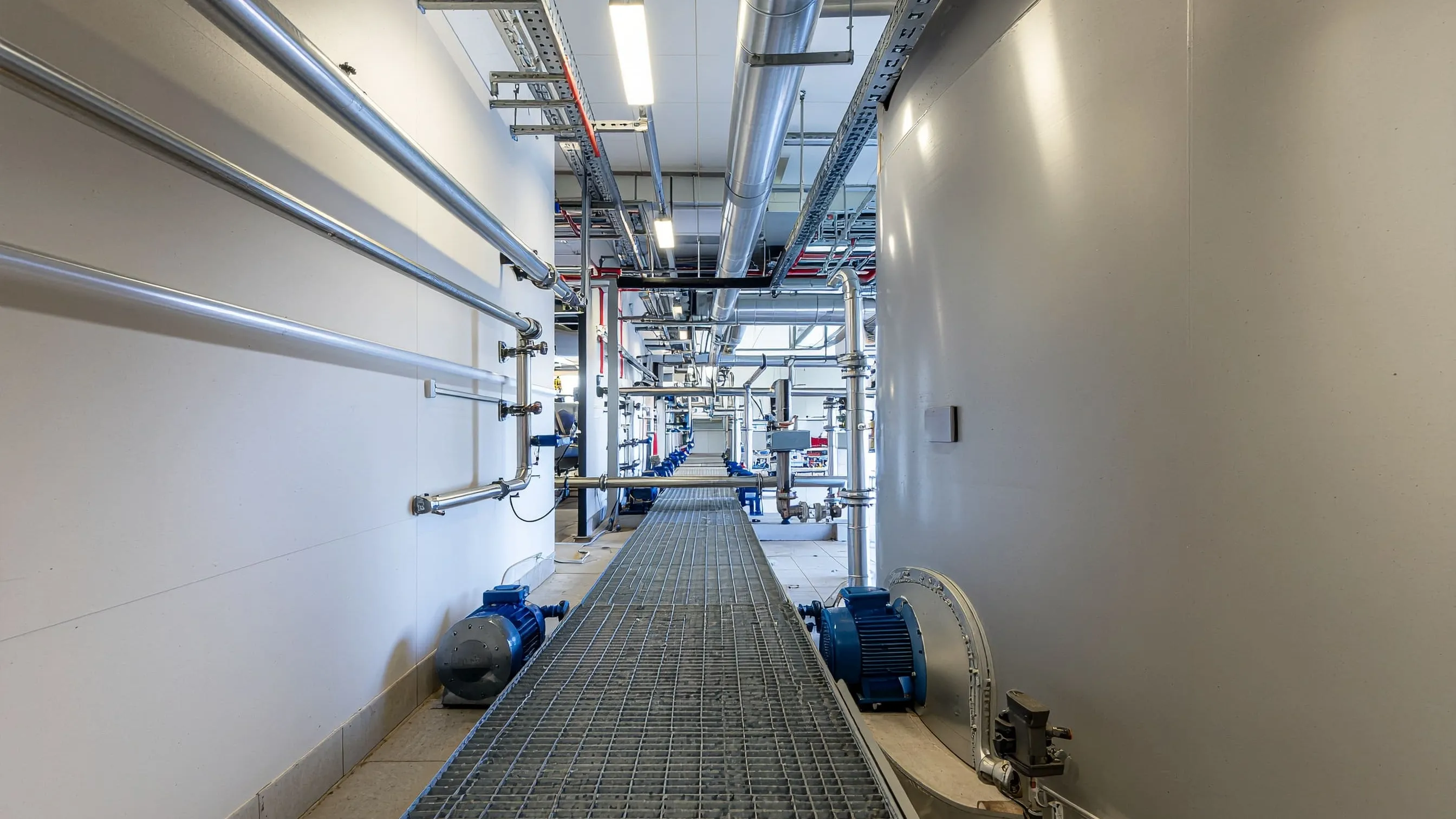
Heat pump installations have evolved far beyond simple replacements for gas boilers. Modern systems often serve multiple zones, integrate with existing heating infrastructure, and demand incredibly precise flow control. Proper design of hydraulic separation heat pump systems addresses one of the most critical challenges in these complex installations. It ensures each circuit operates independently without ever compromising overall system performance.
The basic principle sounds straightforward. You create a neutral buffer zone where primary and secondary circuits exchange heat without interfering with each other's flow rates. However, the performance implications extend far beyond basic functionality. Proper separation can mean the difference between an excellent coefficient of performance (COP) and a terrible one. It stops persistent callbacks, prevents frequent compressor cycling, and ensures long-term operational stability.
What Is Hydraulic Separation in Heat Pump Systems?
Hydraulic separation creates a low-resistance connection point between the primary circuit and the distribution circuits. This allows each side to operate at its optimal flow rate. It stops the heat pump from struggling against the variable demands of radiators or underfloor heating.
Think of hydraulic separation exactly like a busy traffic roundabout. Cars arrive from the heat pump on one side at a steady, fixed speed. They merge into the roundabout, allowing vehicles on the distribution side to exit at their own different speeds without causing a massive traffic jam.
Two main methods achieve this separation successfully. You can use low-loss headers or buffer vessels. Accurate low-loss header sizing ensures minimal internal resistance. A correctly specified header connects the primary and secondary circuits through a shared volume of water.
Buffer vessels provide vital thermal mass alongside this separation. They store heated water to smooth out sudden demand variations. A high-efficiency grundfos circulator benefits immensely from this setup. It allows the primary circuit flow rate to remain entirely consistent while your zone pumps modulate independently.
The Physics Behind Hydraulic Separation
Flow rate independence forms the absolute foundation of separation benefits. Without it, your heat pump's main circulator must overcome the combined resistance of all active heating zones. When individual zones close, the system resistance spikes dramatically and unexpectedly.
Hydraulic separation completely breaks this direct connection. The primary circuit flow rate stays constant through the heat pump and the separator. Meanwhile, secondary distribution circuits draw heated water only as they actually need it.
This arrangement prevents several highly problematic scenarios. If heating zones close their thermostatic radiator valves suddenly, the primary circuit doesn't experience sudden pressure spikes. It continues flowing optimally, which completely prevents the severe short-cycling that plagues poorly designed setups.
Proper buffer vessel stratification adds another major dimension to separation benefits. Well-designed vessels maintain distinct vertical temperature layers, keeping the hottest water at the very top. This allows a hot water circulation pump to draw exactly what it needs without disrupting the cooler return water at the bottom.
Performance Benefits of Hydraulic Separation
Coefficient of performance improvements represent the most quantifiable benefit of proper design. Heat pumps achieve their highest efficiency with the lowest possible condensing temperature. Effective hydraulic separation heat pump systems maintain these exact conditions perfectly.
Without separation, heating zones close as spaces reach their target temperatures. The heat pump continues operating briefly, rapidly heating the reduced water volume. This raises the return temperature and lowers your overall COP significantly.
With physical separation, excess heat enters the buffer or recirculates safely. This moderates the return temperature rise and allows your controls to respond smoothly. It also provides excellent stability for complex DHW circulation requirements operating alongside standard space heating.
When Hydraulic Separation Becomes Essential
Multi-zone heating applications create the strongest case for separation. Systems serving ground-floor underfloor heating alongside first-floor radiators face dramatically different flow requirements. Underfloor circuits operate at high flow rates, while traditional radiators need lower volumes.
A local installer recently connected an 11kW heat pump directly to a mixed system of new underfloor heating and old radiators without any separation. The heat pump compressor short-cycled twelve times an hour because the flow rates conflicted so badly. Installing a properly sized buffer vessel resolved the pressure conflicts instantly and protected the compressor from premature failure.
As experts at National Pumps and Boilers, we know retrofits present unique challenges. Existing radiator systems require much higher flow rates when supplied with lower heat pump temperatures. Designing reliable hydraulic separation heat pump systems solves these specific retrofit headaches permanently.
Low-Loss Headers vs Buffer Vessels
Low-loss headers offer a minimal footprint and a lower cost while providing excellent flow separation. However, correct low-loss header sizing is completely non-negotiable. A typical 28mm diameter header creates negligible pressure drop in most residential applications.
Buffer vessels add vital thermal storage to your flow separation. A 100-litre vessel absorbs 10 to 15 minutes of heat pump output easily. This smooths out demand fluctuations and prevents damaging short-cycling during brief zone closures.
Hybrid approaches combine both technologies beautifully. Manufacturers often recommend a hybrid setup to handle complex mixed systems. For example, a Vaillant ecoTEC system operates brilliantly when integrated properly. Incorporating a reliable Vaillant ecoTEC hybrid arrangement requires careful attention to both buffering and flow separation.
Excellent buffer vessel stratification ensures the heat pump always draws from the coolest available water. This maximises the temperature differential across the evaporator and boosts your overall system efficiency rating significantly.
Common Installation Mistakes
Undersizing your separation components completely undermines their effectiveness. Proper low-loss header sizing must ensure internal water velocity remains strictly below 0.3 metres per second. Higher velocities create pressure drops that defeat the entire purpose of separation.
If you have a 12 litre per minute primary circuit flow rate, you need a minimum 28mm diameter header. Yet, many installers routinely specify 22mm headers to save money. This creates a severe flow restriction rather than actual separation.
Buffer vessel connection errors are equally problematic. Connecting all four ports at similar heights destroys the natural buffer vessel stratification you need for maximum efficiency. You should always use a correctly sized remeha low loss header or an equivalent premium component to ensure optimal performance.
Compliance with British Standards
BS EN 12828 establishes strict design requirements for all modern heating systems. The standard requires systems to maintain appropriate flow rates and protect against excessive pressure. Building reliable hydraulic separation heat pump systems addresses these exact regulatory requirements perfectly.
Building Regulations Part L focuses heavily on seasonal energy efficiency. For heat pump installations, you must maintain a high COP across widely varied operating conditions. Hydraulic separation supports this directly by preventing poor flow control and excessive, wasteful cycling.
MCS 020 specifies heat pump design requirements very clearly. Systems with limited distribution volume absolutely require proper buffering. Whether you install a standard air source unit or a complex Vaillant ecoTEC hybrid system, you must meet these buffering standards for compliance.
The Heat Pump Association strongly emphasises stable flow conditions. Incorporating a modern Vaillant ecoTEC hybrid setup with correct separation aligns perfectly with their technical guidelines. This ensures your installation remains fully compliant, highly efficient, and incredibly reliable.
Conclusion
Hydraulic separation transforms basic heat pump installations into highly sophisticated, efficient systems. The performance benefits easily justify the modest additional cost and complexity. You enjoy improved COP, severely reduced cycling, and dramatically enhanced system stability.
The choice between low-loss headers and buffer vessels depends entirely on your specific system characteristics. Simple installations achieve adequate separation with headers. Complex multi-zone systems require buffer vessel thermal mass to prevent short-cycling effectively.
Properly designed hydraulic separation heat pump systems separate successful installations from highly problematic ones. If you need specific guidance on system design or component specification, Get the Right Solution by speaking directly with our technical engineering team today.