

Hydronic Heating vs. Forced Air Systems: A Comparative Analysis
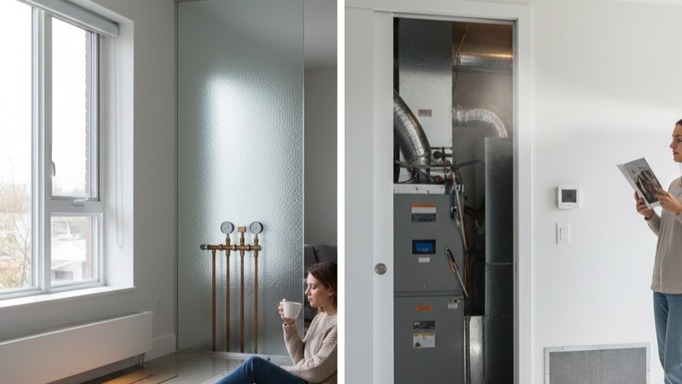
Selecting between hydronic vs forced air heating systems represents one of the most significant decisions in building design and renovation projects. Each technology delivers warmth through fundamentally different approaches, with distinct implications for comfort, efficiency, installation complexity, and long-term costs. This comparative analysis examines both systems across multiple criteria, providing the comprehensive understanding needed to make informed decisions aligned with specific building requirements, occupant priorities, and budget constraints.
Understanding Each System Type
Before conducting detailed comparisons, understanding how each system operates provides essential context for evaluating their relative merits and limitations.
How Hydronic Heating Works
Hydronic systems circulate heated water through pipes to radiators, underfloor loops, or other heat emitters that warm occupied spaces through radiation and convection. Boilers raise water temperature, whilst central heating pumps propel this heated water throughout the distribution network. As water releases its thermal energy, it returns to the boiler for reheating, completing the circulation cycle.
Key components include the boiler or heat source, circulation pumps, piping network, heat emitters, expansion vessels, and control systems. Modern hydronic installations incorporate zone controls, weather compensation, and sophisticated thermostats maximising comfort whilst minimising energy consumption. Typical applications span residential homes, commercial buildings, industrial facilities, and institutional settings.
How Forced Air Systems Work
Forced air systems heat air in a central furnace or heat pump, then distribute this warmed air through ductwork to various spaces. Blowers propel air through supply ducts into rooms, with return ducts carrying cooler air back to the heating unit for warming. System components comprise the furnace or heat pump, air handler with blower motor, supply and return ductwork, filters, dampers, and thermostats.
Many installations include air conditioning capability, providing year-round climate control through the same distribution infrastructure. Common configurations include single-zone systems serving entire buildings or multi-zone systems allowing independent temperature control for different areas. Forced air dominates North American residential construction, though hydronic systems are gaining popularity for their efficiency and comfort advantages.
Comparative Analysis: Energy Efficiency
Energy efficiency directly impacts operating costs and environmental footprint, making this comparison critical for long-term system evaluation when considering hydronic vs forced air options.
Operating Efficiency Comparison
Water transfers heat approximately 3,500 times more effectively than air, giving hydronic systems fundamental thermodynamic advantages. This superior heat capacity allows hydronic systems to deliver equivalent warmth using lower operating temperatures and smaller distribution components compared to forced air alternatives.
Distribution losses differ significantly between technologies. Hydronic piping running through conditioned spaces loses minimal heat since any losses contribute to space heating. Forced air ductwork in unconditioned areas can lose 20-30% of heat before reaching intended spaces, despite insulation efforts.
Seasonal efficiency ratings typically favour hydronic systems, particularly those using condensing boilers achieving 90-95% efficiency. High-efficiency furnaces reach similar ratings, though real-world performance often falls short due to distribution losses and infiltration from duct leakage. Grundfos circulators in modern hydronic systems consume minimal electricity compared to furnace blower motors requiring continuous operation.
Long-Term Energy Costs
Fuel consumption patterns reveal hydronic systems typically consuming 10-30% less energy annually compared to forced air systems in similar applications. This advantage stems from superior heat transfer, reduced distribution losses, and more precise zone control capabilities.
Lifecycle cost analysis considering purchase, installation, operation, and maintenance over 20-25 years generally favours hydronic systems despite potentially higher initial costs. Lower operating expenses and extended equipment lifespan offset upfront investment premiums, making hydronic systems economically attractive for long-term ownership.
Comfort and Indoor Air Quality
Occupant comfort and health depend heavily on heating system characteristics, with hydronic vs forced air systems producing markedly different indoor environments.
Temperature Consistency
Heat distribution patterns differ fundamentally between technologies. Hydronic systems provide gentle, even warmth without the temperature fluctuations characteristic of forced air cycles. Radiant heat from radiators or underfloor systems warms objects and occupants directly, creating comfortable conditions at lower air temperatures.
Temperature stratification - warm air collecting near ceilings whilst floor levels remain cool - plagues forced air systems despite best efforts at diffuser design and placement. Hydronic systems, particularly underfloor installations, eliminate this problem through bottom-up heating maintaining uniform vertical temperature profiles.
Zone control capabilities prove superior in hydronic installations where individual radiators easily accommodate thermostatic valves providing room-level control. Forced air zoning requires multiple dampers and thermostats, proving more complex and expensive whilst still offering coarser control compared to hydronic alternatives.
Air Quality and Noise
Dust and allergen circulation represents a significant concern with forced air systems. Blowers continuously recirculate air, dispersing dust particles, pet dander, and allergens throughout buildings. Even high-quality filters cannot completely eliminate this circulation, particularly impacting occupants with respiratory sensitivities.
Hydronic systems avoid forced air circulation entirely, maintaining naturally stable air conditions. This characteristic particularly benefits individuals with allergies, asthma, or other respiratory conditions. The absence of blowers and ducts eliminates breeding grounds for mould and bacteria that sometimes develop in forced air components.
Operational sound characteristics dramatically differ between technologies. Forced air systems generate noise from furnace operation, blower motors, and air rushing through ductwork. Hydronic systems operate nearly silently, with only occasional pump operation sounds audible in mechanical spaces, maintaining peaceful indoor environments particularly appreciated in bedrooms and quiet spaces.
Installation Considerations
Installation complexity, disruption, and costs significantly influence system selection, particularly in renovation projects where these factors often prove decisive in the hydronic vs forced air decision.
Installation Complexity and Costs
Structural requirements differ substantially between systems. Forced air demands extensive ductwork consuming significant ceiling cavity, wall, and floor space. Hydronic piping occupies far less space, running through standard joist bays and wall cavities without the bulky dimensions of ductwork. This compact installation proves particularly advantageous in retrofit applications or buildings with limited concealed spaces.
Retrofit feasibility presents distinct challenges for each technology. Forced air retrofit requires routing bulky ductwork through existing structures, often necessitating ceiling drops, soffits, or exposed ductwork compromising aesthetics. Wilo heating pumps enable hydronic retrofits using compact piping easily concealed in existing structures, with substantially lower disruption levels and less extensive structural modifications.
Initial investment costs for basic hydronic systems typically exceed forced air equivalents, particularly when including radiators or underfloor heating components. However, total project budgets for comparable systems prove surprisingly similar when properly specified, with lifecycle cost analysis usually favouring hydronic systems despite potentially higher upfront investment.
Maintenance Requirements
Service frequency differs between technologies, with both requiring annual professional attention maintaining efficiency and safety. Forced air systems demand more frequent attention from owners, including monthly filter changes and periodic register cleaning. Hydronic maintenance centres on annual boiler servicing, water quality management, and occasional pump inspection.
Equipment lifespan proves superior for hydronic systems, with boilers typically operating 20-25 years and distribution components lasting even longer. Forced air furnaces average 15-20 year lifespans, requiring more frequent replacement over building life. Repair costs typically run lower for hydronic systems, with component replacement straightforward and labour requirements modest.
Control and Space Considerations
System responsiveness and control sophistication affect both comfort and efficiency, representing important comparative analysis factors.
System Response and Control
Warm-up periods differ significantly between technologies. Forced air systems heat air quickly, delivering warmth within minutes of activation, suiting intermittent heating schedules. Hydronic systems require longer warm-up periods, particularly those incorporating substantial thermal mass, favouring continuous or gently setback operation rather than aggressive temperature cycling.
Control sophistication proves comparable between systems, with both technologies compatible with modern smart thermostats. However, zone control capabilities favour hydronic systems where individual radiators easily accommodate thermostatic valves providing granular room-level control. Weather compensation and outdoor reset controls prove particularly effective in hydronic applications.
Space and Aesthetics
Mechanical room needs favour hydronic systems, with compact wall-hung boilers occupying minimal floor space. Forced air furnaces require substantially larger mechanical spaces. Distribution space proves dramatically different, with forced air ductwork consuming significant ceiling cavity and wall space, whilst hydronic piping fits easily through standard construction cavities.
Visible components differ significantly between systems. Radiators make architectural statements - either positive design elements or visual intrusions depending on selection and placement. Modern designer radiators offer aesthetic appeal, whilst underfloor systems eliminate visible heat emitters entirely. Forced air registers prove more visually discrete, though duct bulkheads sometimes compromise architectural aesthetics.
Cooling Capability and Applications
Air conditioning integration represents a significant consideration in climates requiring both heating and cooling, with hydronic vs forced air systems offering different approaches.
Summer Comfort Options
Forced air cooling integration proves straightforward, with the same ductwork serving both heating and cooling functions. Adding air conditioning to existing forced air heating requires only outdoor condensing unit and evaporator coil installation. Hydronic cooling feasibility exists but proves more complex and expensive, requiring careful control preventing condensation.
Hybrid approaches combining hydronic heating with separate cooling systems represent common solutions where hydronic heating benefits outweigh air conditioning integration advantages. Mini-split heat pumps provide efficient cooling whilst preserving hydronic heating benefits.
Suitability for Different Applications
Residential applications in new construction slightly favour forced air in regions where cooling proves equally important as heating. Renovation projects generally favour hydronic installations where minimising disruption and preserving architectural features prove paramount. Commercial circulators serve larger properties requiring robust circulation capacity.
Commercial applications see office buildings benefit from forced air systems enabling simultaneous heating and cooling in different zones. However, hydronic systems with dedicated ventilation provide comparable functionality with superior heating efficiency. Industrial facilities often prefer hydronic heating for specific areas requiring precise temperature control without air circulation disturbing dust-sensitive processes.
Making the Right Choice
System selection requires weighing multiple factors against specific priorities, with no universally superior choice emerging from hydronic vs forced air comparisons.
Decision Criteria
Priority factors assessment should consider comfort preferences, efficiency goals, budget constraints, cooling requirements, aesthetic preferences, and building characteristics. Weight these factors based on specific project requirements rather than applying generic recommendations.
Application-specific recommendations recognise hydronic systems excelling in heating-focused applications prioritising efficiency, comfort, and quiet operation. Forced air suits situations where integrated cooling proves essential, rapid response desirable, or budget constraints preclude higher hydronic upfront costs.
When to Choose Each System
Hydronic heating excels in renovation projects, heating-dominated climates, applications prioritising efficiency and comfort, spaces requiring quiet operation, and buildings with architectural sensitivity. Building characteristics favouring hydronic heating include sufficient ceiling heights accommodating radiators and floor constructions suitable for underfloor heating.
Forced air makes sense with integrated heating and cooling requirements, new construction in cooling-dominated climates, rapid heat-up requirements for intermittently occupied spaces, and situations where hydronic installation proves impractical. Climate considerations favouring forced air include hot, humid regions where substantial air conditioning loads equal or exceed heating requirements.
Conclusion
This comparative analysis of hydronic vs forced air heating systems reveals each technology offering distinct advantages for different priorities and applications. Hydronic systems excel in efficiency, comfort, quietness, and air quality, particularly suiting heating-focused applications. Forced air systems provide integrated cooling capability, rapid response, and lower upfront costs in new construction, particularly benefiting cooling-dominated climates.
Optimal selection requires careful evaluation of specific building requirements, climate conditions, occupant priorities, and budget considerations rather than applying universal recommendations. National Pumps and Boilers provides expertise ensuring system selection aligned with project goals.
For expert assistance evaluating heating system options and professional installation ensuring optimal performance, contact us to discuss your project with experienced engineers. Professional assessment and quality installation deliver heating systems meeting comfort, efficiency, and reliability expectations for decades of satisfying service.