

Identifying and Repairing Heat Leaks in Extensive Commercial Heating Networks
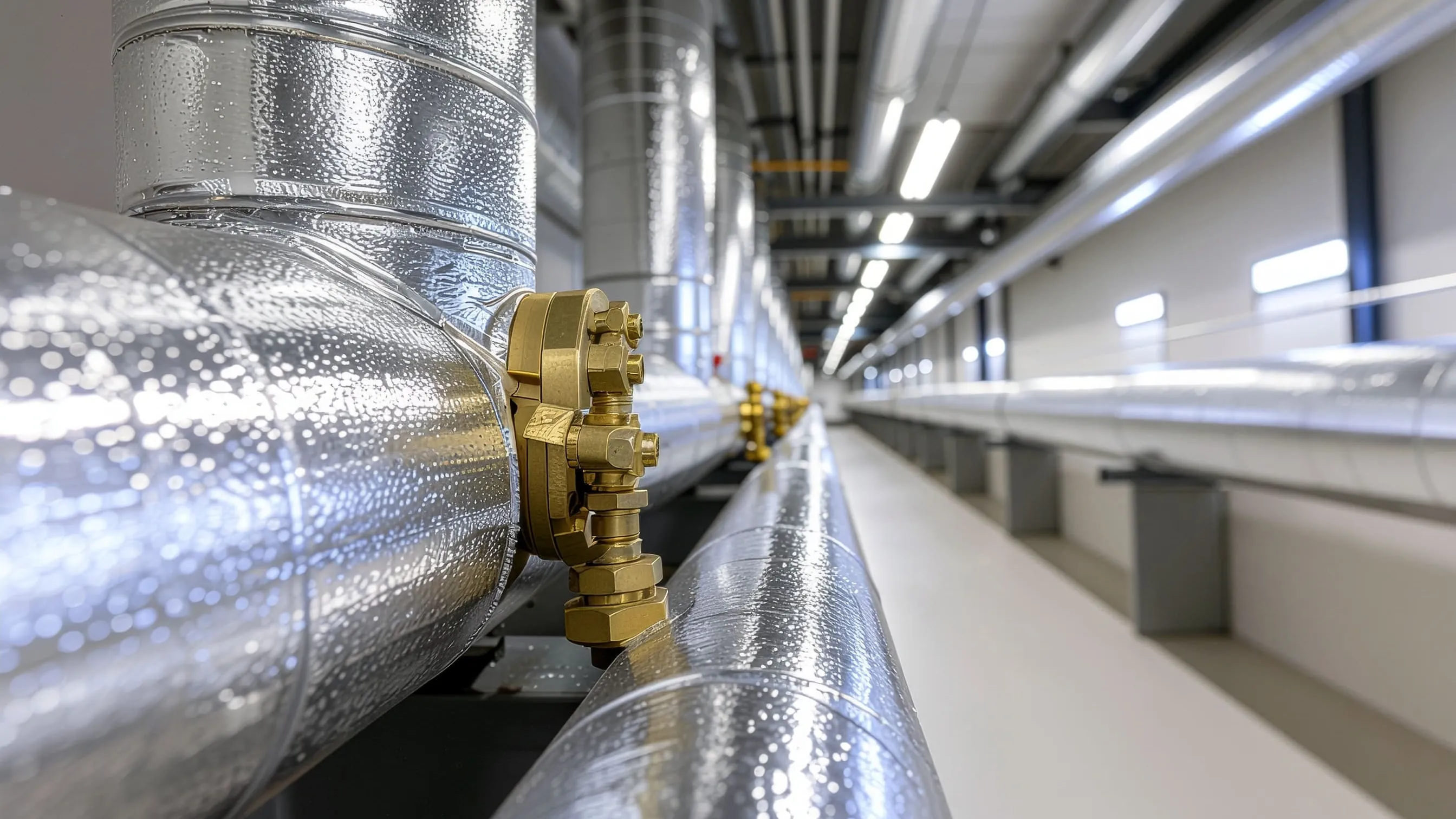
Managing a massive commercial facility requires constant vigilance against invisible financial drains. While a burst pipe instantly demands attention, invisible commercial heating heat leaks silently bleed thousands of pounds from your operational budget. When boiling water travels across hundreds of metres of pipework, any breach in the thermal boundary allows expensive energy to radiate straight into the atmosphere or the surrounding ground.
Finding and fixing these invisible losses requires far more than just wrapping foam around a pipe. It demands advanced diagnostic technology, a deep understanding of fluid dynamics, and systematic engineering repairs. By actively hunting down thermal inefficiencies and fixing internal mechanical bypasses, facility managers can drastically lower fuel consumption. They also reduce the strain on primary plant equipment and eliminate suffocating ambient temperatures in basement plant rooms.
The Financial Reality of Unseen Thermal Loss
Heat behaves predictably; it always seeks equilibrium with colder surrounding air. When a commercial pipe network is poorly insulated, it suffers from massive hydronic radiant heat loss. The boilers generate the required thermal energy, but that energy bleeds out through the pipe walls long before it reaches the intended radiators, calorifiers, or air handling units.
To compensate for this severe hydronic radiant heat loss, your boilers must fire longer and harder. This wastes vast amounts of unnecessary fuel and destroys your building's carbon reduction targets. National Pumps and Boilers regularly advises clients to check their Building Management System (BMS) for unusually high return water temperatures. If water returns to the plant room without dropping its heat into the building, you undoubtedly have commercial heating heat leaks within the distribution network. Stopping these invisible losses is the absolute fastest way to slash utility bills.
Utilising Infrared Thermography for Detection
You cannot fix what you cannot see. Modern M&E engineers rely heavily on an advanced infrared thermography inspection to visualize the invisible. A thermal imaging camera reads the exact surface temperatures of the pipework and translates that data into a clear visual spectrum.
During an infrared thermography inspection, a perfectly insulated pipe appears dark and cool on the screen. However, a section of pipe suffering from severe heat loss glows brightly, indicating exactly where the thermal energy is escaping. This technology is incredibly valuable for buried district heating pipework running between multiple facility blocks. If you operate a large residential central heating pump network across a housing estate, a sweeping infrared thermography inspection allows engineers to pinpoint the exact underground locations of thermal failure without blinding digging up hundreds of metres of expensive concrete.
Pinpointing Issues with Ultrasonic Flow Measurement
Thermal imaging is brilliant for surface temperatures, but engineers also use an ultrasonic flow measurement tool to diagnose internal mechanical failures. This highly sensitive acoustic equipment straps to the outside of a pipe and measures the exact speed and volume of the water moving inside. Heat leaks are frequently caused by water flowing where it shouldn't.
If the main boilers are satisfied and the zone valves are shut, but an ultrasonic flow measurement device still detects significant water movement, you have a major mechanical bypass. It usually means a 3-port mixing valve is passing internally, allowing hot water to bleed into inactive building zones continuously. A facility manager at a regional shopping centre recently used these acoustic tools and discovered a failed bypass valve was continuously looping boiling water into a redundant wing. Replacing that single valve cut their overnight gas usage by twenty percent instantly. Using precise ultrasonic flow measurement helps engineers track down these rogue internal currents that force a massive vaillant 80kw boiler to fire endlessly.
Addressing Degraded Insulation and Corrosion Risks
The most common source of invisible energy waste is physically ruined insulation. In busy plant rooms, soft thermal lagging gets crushed by ladders, ripped by maintenance boots, or saturated by minor overhead water leaks. Once water penetrates the insulation, its thermal resistance drops to absolute zero.
Even worse, wet insulation causes Corrosion Under Insulation (CUI). The trapped moisture literally rots the steel pipe from the outside in, creating a catastrophic structural failure risk. Executing a proper degraded pipe lagging repair is absolutely essential to prevent this rot. A professional degraded pipe lagging repair involves cutting away the saturated material entirely, wire-brushing the exposed steel pipe, and installing fresh closed-cell insulation. When engineers service a modern remeha calenta array, they must ensure the surrounding degraded pipe lagging repair provides complete, watertight thermal continuity to preserve the pipework's structural integrity.
Managing Vulnerable Flanges and Mechanical Joints
While long, straight pipe runs are usually well insulated, complex mechanical junctions are almost always ignored. Massive brass strainers, steel flanges, and twin-pump isolation points act as massive heat sinks. Leaving a heavy brass valve bare is like wearing a thick winter coat but walking outside barefoot in the snow; the thermal energy simply escapes out the weakest point.
Beyond the financial waste, bare 80-degree metal represents a severe health and safety burn risk for maintenance technicians. Engineers must identify these exposed metal components and wrap them in bespoke, removable thermal jackets. These specialized covers strap tightly over the awkward shapes, trapping the heat instantly. They feature industrial velcro straps, allowing maintenance staff to access the pump service valves quickly for servicing without destroying the permanent lagging on the adjacent pipes.
Rectifying Faulty Isolation and Non-Return Valves
Not all commercial heating heat leaks are caused by missing insulation. Many are caused by failing mechanical hardware creating unwanted hydraulic loops. Over decades of operation, internal valve seats and non-return valves wear down and fail to close completely. These passing valves allow boiling water to circulate through bypass loops constantly.
This internal bleeding creates a massive dead-leg circulation loop that radiates heat into empty ceiling voids or mechanical shafts. Engineers must physically cut out and replace these failing valves to restore total hydraulic control. Resolving these rogue bypass loops drastically reduces the return water temperatures. This is vital, because ensuring the water returns as cool as possible allows your primary hydronic circulator to feed modern condensing boilers the exact low temperatures they need to operate at peak efficiency.
Conclusion
Stopping invisible commercial heating heat leaks is a mandatory requirement for any facility manager looking to control operational costs and hit strict carbon reduction targets. By leveraging advanced diagnostic technology like thermal imaging and ultrasonic tracking, you can pinpoint the exact source of your thermal waste without costly guesswork.
Addressing crushed insulation, stopping internal valve bypasses, and covering bare mechanical flanges restores the absolute thermal integrity of your building. Never allow your expensive heating plant to bleed its energy into the atmosphere or rot its own pipework. If your basement plant room is suffocatingly hot or your gas bills are unmanageable, Call for Product Advice to speak with our commercial heating specialists today.