

Industrial Maintenance Planning for Heating and Pump Equipment
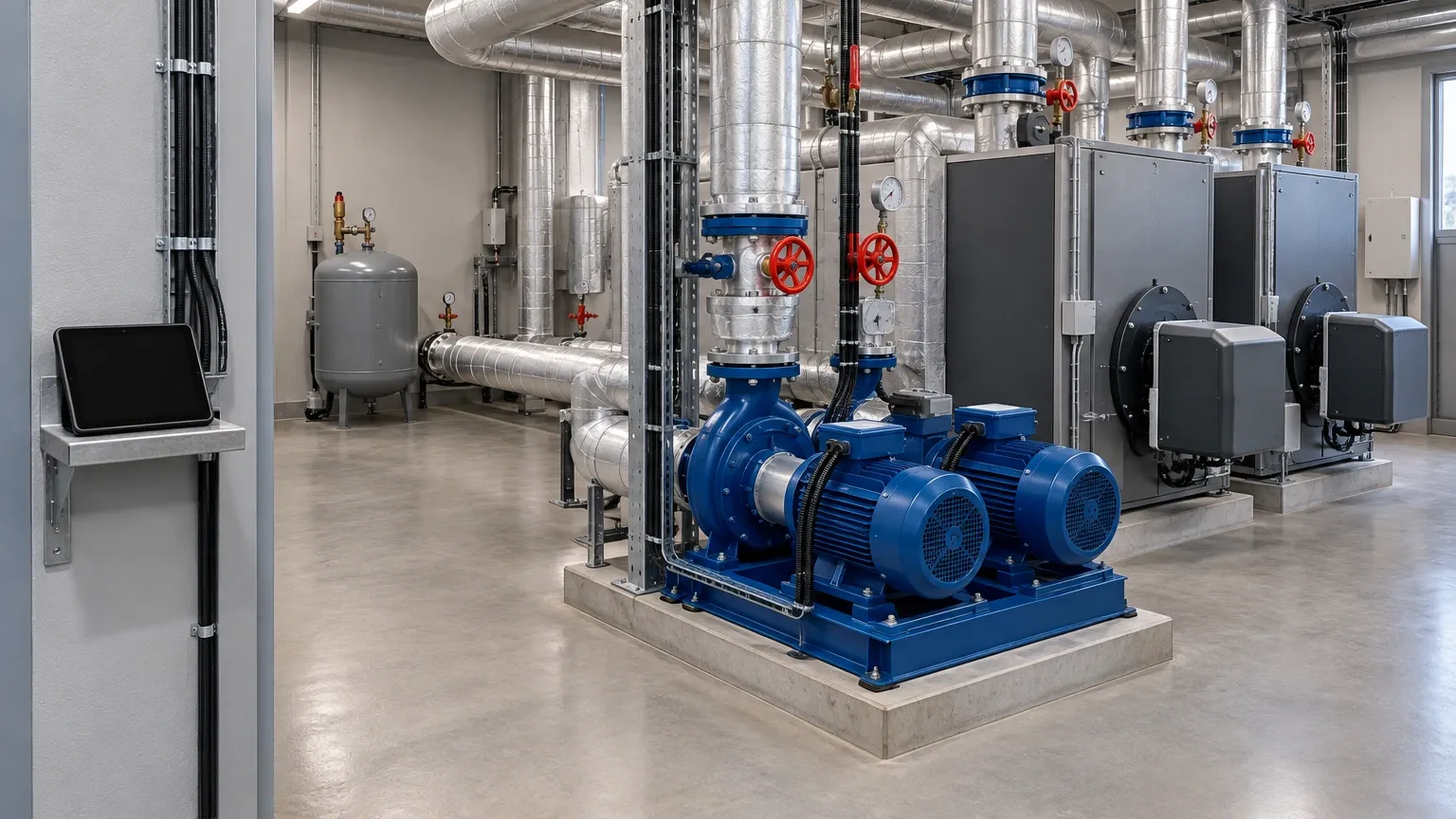
An industrial maintenance plan should explain what needs attention, why it matters, when the work is due and who will see it through. For heating and pump equipment, that means connecting the service a building needs with the condition of the equipment providing it. A plant maintenance checklist becomes useful when its entries lead to scheduled tasks, safe escalation and checks that completed work has actually restored the intended service.
Start with the equipment already operating, rather than a replacement shopping list. Build a record of its purpose, maintenance instructions, normal behaviour and outstanding actions. Then arrange the people, access and interruption time needed to maintain it. The coordinator’s job is to keep those arrangements complete and moving; technical assessments and maintenance belong with people who have the skills, knowledge and experience to perform them safely.
Set Priorities by the Consequence of Losing Service
Give each asset a reference that connects the physical equipment to its records. Alongside its make and model, write what it serves: heating for an occupied wing, hot-water circulation or a defined production area. Describe what would happen if that service stopped and who would be affected. This is more informative than an unexplained high, medium or low priority, because it gives the next coordinator the reason behind the ranking.
Consider safety, essential services and operational disruption separately. A heating interruption in an empty store and one affecting vulnerable occupants need different continuity arrangements. Age can inform the maintenance history, but it should not decide priority alone. Ask the service manager to identify important operating periods and acceptable interruption arrangements, while the competent maintainer assesses equipment condition and safety. Business tolerance for disruption is not permission to operate unsafe equipment.
Record any duty/standby arrangement: the duty pump normally does the work, while the standby is intended to take over when needed. Do not count a second installed pump as dependable cover without evidence of the intended operation. Keep the latest competent check of that arrangement with the asset record. For routine planning, the important question is whether maintenance can proceed with the agreed service protected, not simply whether two pumps are visible.
Separate Safety Escalation from Routine Scheduling
Make the reporting route clear before a fault occurs. Staff need to know whom to notify about damaged equipment, abnormal operation or an alarm, including outside normal working hours. A suspected gas leak or carbon monoxide alarm belongs in the site’s emergency arrangements, not the next maintenance meeting. Carbon monoxide is a poisonous gas that can result from unsafe combustion. Nobody should investigate a dangerous situation simply to complete an observation record.
HSE’s gas safety guidance says not to use an appliance known or suspected to be unsafe. It also distinguishes the qualifications required for gas work in different premises. Have the responsible technical manager establish the applicable requirements and check the appointed person’s competence and registration where required. A facilities coordinator should not infer that someone is qualified for a particular industrial gas task from a general trade description.
For other abnormal observations, obtain competent assessment rather than inventing a waiting rule. A pump still circulating, a warm room or a cleared display does not establish that continued operation is safe. Where monitoring is appropriate, the technical decision should specify what will be observed, the next review date and the changes that require escalation. Record who authorised that approach and how the instruction reaches the people operating the equipment.
Give Every Maintenance Interval a Reason
Separate routine observations from inspections and maintenance tasks. An observation records what authorised staff can see through normal, safe access. An inspection assesses condition against defined requirements. Maintenance preserves or restores working condition. These activities may have different frequencies and competence requirements. HSE’s maintenance guidance recommends using manufacturers’ instructions when planning work and requires arrangements for necessary inspections of safety-critical features. One annual calendar entry cannot describe every task on a heating system.
For each task, retain the applicable instruction, interval, last completion date and next due date. Have the maintainer account for operating hours, environment, condition and previous findings when setting the programme, alongside any applicable statutory requirements. If no reliable completion record exists, mark the date as unknown and arrange a technical review. Do not create a fresh due date that makes an unverified task appear recently completed.
Model-specific intervals illustrate why inspection and maintenance need separate entries. For the Vaillant ecoTEC plus VU GB 806/5-5, 1006/5-5 and 1206/5-5, inspection is required annually, while maintenance scope follows the competent engineer’s findings, with a maintenance interval no longer than two years. This distinction applies to these named models; it is not a two-year servicing rule for all boilers. Record both the inspection date and the resulting maintenance decision so that one completed task does not obscure another due requirement.
For the new DAB EVOPLUS, periodic checks are required at least annually and include noise or vibration, condensation and cable condition. Maintenance belongs with competent, qualified personnel. The planning lesson is to identify the checks and competence needed for the installed model, rather than copying a generic annual service entry. These checks are not permission for untrained staff to open equipment. Record findings that justify earlier attention rather than allowing the calendar to overrule a developing concern.
Compare Behaviour with a Known Baseline
A baseline is a record of normal operation established when the competent maintainer considers the equipment to be operating correctly. It gives later observations something meaningful to compare against. Agree which existing readings and records are useful for each asset. These might include operating pressure, displayed temperatures, running hours, alarm history and the control mode. Record units and operating conditions so that a number remains understandable months later.
Compare like conditions where possible. A reading during morning heat-up is not directly equivalent to one after demand has fallen. Note the time, service demand and any known schedule change alongside the observation. If running hours increase, the first planning question is what changed during that period. The record should help a maintainer distinguish a changed operating requirement from a possible equipment problem, rather than declaring a fault from the total alone.
Keep the history of equipment settings in the same record as the mechanical equipment. Identify who reviews that history and who receives alarms. Where settings have been changed temporarily, record the reason, authorisation and intended restoration date. An unexplained override can otherwise become the assumed normal state against which later performance is judged.
Turn Due Tasks into Workable Maintenance Windows
A due date is not yet a workable appointment. Establish which services the task will interrupt, who can approve that interruption and how affected occupants or operations will be informed. Include preparation and return-to-service checks within the available window, not just the time spent on the component. Arrange work before important operating periods where practical, leaving time to address findings rather than discovering them immediately before heating is needed.
Ask the maintenance contractor to identify access and isolation requirements early. Isolation means securely separating equipment from energy or other hazardous supplies so work can proceed safely; it is not simply switching a control to off. HSE requires plant to be made safe before maintenance. The coordinator should arrange access, approvals and any required permit, a formal authorisation for specified work. The competent party determines and carries out the safe working method.
Give each scheduled task a named maintenance owner who follows it from booking to verified closure, with a deputy for absence. That person coordinates the contractor, service manager and purchasing requirements without taking over their technical responsibilities. Record a readiness check before the window: access agreed, affected services understood, contractor confirmed and required materials available. If a dependency is missing, escalate it before people arrive for work that cannot proceed.
Include materials in the readiness check only where the appointed maintainer has identified a requirement for the scheduled task. When ordering commercial circulators from us, use the appointed maintainer’s defined requirement; site assessment and maintenance remain with the appointed technical parties. Confirm delivery arrangements against the agreed work window, and record who will follow up any uncertainty. An order acknowledgement should not be treated as evidence that the task is ready to proceed.
Agree who receives the goods, checks them against the maintainer’s requirement and keeps them accessible until the visit. Where the task includes pump valves or other separately supplied items, check the whole delivery rather than assuming the main equipment package contains everything needed. Record shortages, damage or discrepancies against the maintenance task and obtain resolution before confirming readiness. Keep the delivery record with the booking so a deputy can establish what is available without repeating enquiries. Receipt supports scheduling; it does not replace the contractor’s technical checks before use.
Close the Task with Evidence of the Result
Agree the completion requirements before work begins. The contractor’s report should identify the asset, work performed, findings, relevant checks and any restrictions or further action. Distinguish attendance from completion: a visit that identifies additional work may leave the original objective unresolved. Capture the next action with its owner and date instead of closing the entry because an invoice has arrived. Keep technical authorisation to return equipment to service separate from administrative closure.
After the authorised return to service, check that the intended building service has been restored under the relevant operating conditions. A successful immediate start does not answer whether the occupied area receives heat during its normal demand period. Arrange any follow-up observation with the maintainer, and confirm that temporary settings have been resolved. If the original problem recurs, reopen the task with the earlier findings attached rather than starting an unrelated record.
Conclusion: Keep the Plan Connected to Operating Results
A practical maintenance plan links service consequence to justified tasks, realistic work windows and verified results. Begin with one important heating or pump asset and make its record complete enough to manage the next due task. Use the findings to improve the programme, whether that means earlier assessment, better access arrangements or a defined supply requirement. The measure of progress is not the number of boxes ticked, but whether necessary work reaches a safe, documented conclusion.