

Integrating Modern Pressurisation Units into Older Heating Networks
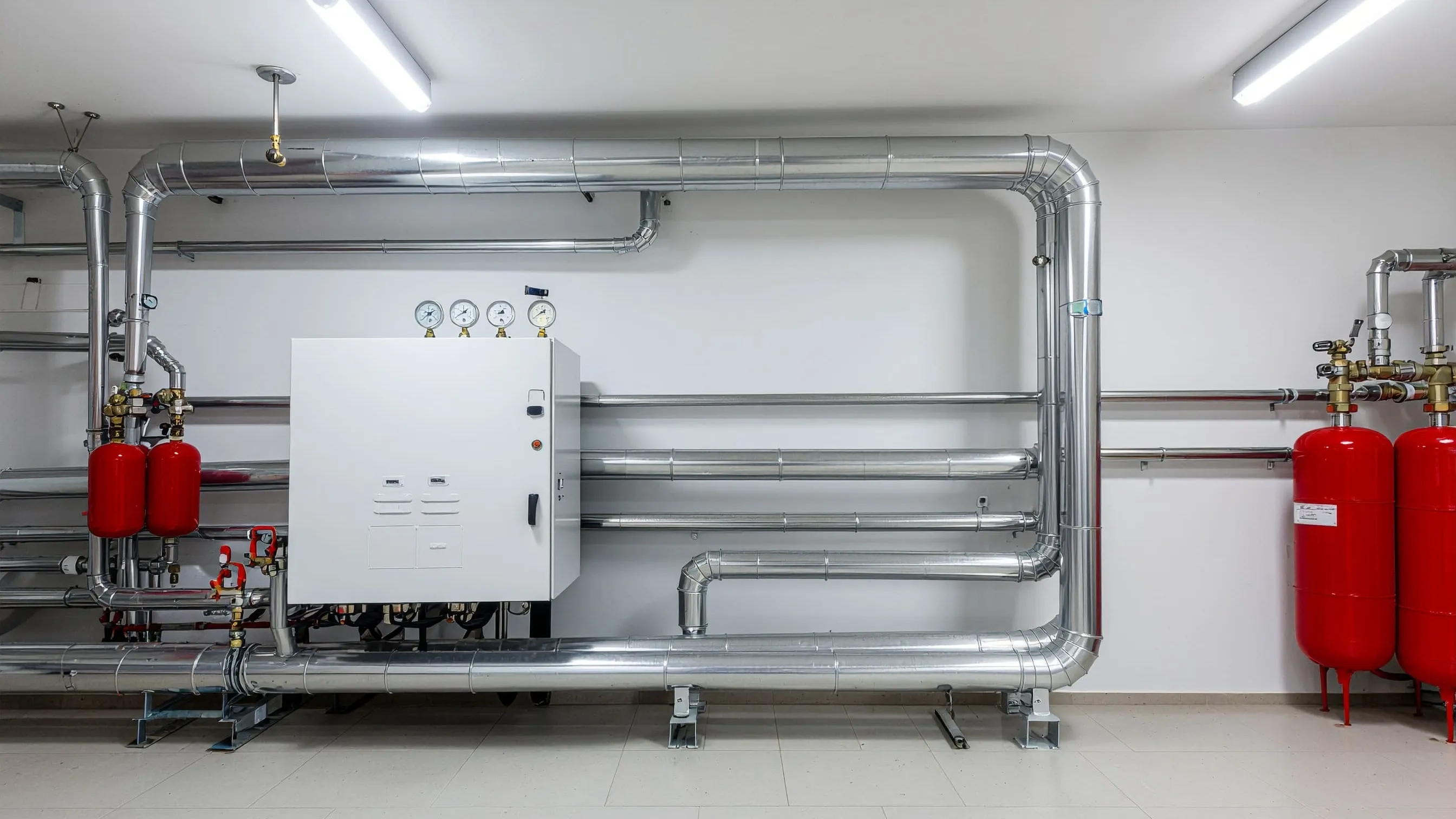
Legacy commercial heating systems historically relied on massive open-vented header tanks located in the roof space. These feed and expansion tanks maintained pressure using gravity. Today, facility managers aggressively upgrade these outdated networks to fully closed, sealed systems. They achieve this by installing intelligent, mechanical equipment in the plant room.
However, integrating modern pressurisation units into 30-year-old pipework is not a simple plug-and-play job. You cannot just bolt a high-pressure machine onto rusty steel pipes and walk away. You must understand the specific fluid dynamics involved to protect the aging infrastructure. Proper specification requires rigorous mathematical calculations, an understanding of static head, and a careful assessment of the legacy network's structural limits.
The Physics of Sealed Heating Systems
Open-vented setups suffer from continuous atmospheric exposure. This constant oxygen ingress creates devastating iron oxide sludge inside the pipes. By sealing the network, you eliminate this aggressive rust completely.
Think of sealing a heating system like putting a tight pressure lid on a simmering pot. It stops the steam from escaping, raises the boiling point, and keeps the contents perfectly controlled. When integrating modern pressurisation units, you seal the treated water away from the atmosphere permanently. National Pumps and Boilers regularly advises facilities on how to make this complex mechanical transition safely.
Calculating Expansion Requirements
Water expands by roughly four percent when heated from cold to 80 degrees Celsius. In a massive commercial building containing thousands of litres of water, you must give this extra thermal volume somewhere to go safely. This is exactly why you must calculate the exact expansion vessel acceptance volume.
If the expansion vessel acceptance volume is too small, the safety relief valves will blow continuously as the system heats up. A poorly calculated expansion vessel acceptance volume guarantees catastrophic pressure spikes that will ultimately crack your boiler heat exchangers. Before you install a heavy-duty grundfos pressure pump, you must ensure your total expansion capacity matches the total water volume of your legacy pipework perfectly.
Establishing the Baseline Pressure
To stop air from being drawn into the top of your building, you need adequate static head pressure. You establish this baseline by calculating the correct cold fill pressure setting for the specific height of your facility.
This cold fill pressure setting ensures the highest radiator or air handling unit in the building remains completely full of water at all times. If you get the cold fill pressure setting wrong and set it too low, the top floors will suffer from persistent airlocks and severe cold spots. If your engineering team is conducting a lowara pump repair down in the basement, they must verify the static head calculation before restarting the circulation.
The Shift to Digital Monitoring
Old pressurisation equipment used clunky mechanical pressure switches that frequently lost their calibration over time. Today, upgrading means relying on a highly accurate digital pressure transducer. A quality digital pressure transducer reads the exact system pressure constantly and sends live diagnostic data straight to your building management system.
A facility manager at a 1970s office block recently suffered a massive boiler room flood when an old mechanical switch jammed open. They immediately upgraded the plant and installed a highly accurate digital pressure transducer. Three months later, the new smart sensor detected a microscopic pressure drop and alerted the main desk instantly. This allowed them to fix a tiny pipe weep before any severe water damage occurred. Even a basic DAB booster pump network benefits heavily from this level of digital oversight. Integrating modern pressurisation units provides unparalleled diagnostic visibility.
Managing Water Make-Up Safely
Minor water loss is completely inevitable in large commercial systems through weeping radiator valves and routine maintenance venting. Therefore, precise auto-fill valve operation is a critical safety feature.
Proper auto-fill valve operation allows the unit to top up the system automatically from the mains when the internal pressure drops slightly. However, intelligent auto-fill valve operation also features a strict flood protection limit. If a massive pipe bursts in the ceiling, the unit recognises the excessive flow rate and stops filling completely to prevent continuous flooding. This logic protects the building whether you run standard boilers or a massive pumping station pump network.
Protecting Legacy Infrastructure
Pushing higher pressures into old 1980s steel pipes comes with very serious structural risks. You must conduct rigorous non-destructive ultrasonic testing on the old mains first. Integrating modern pressurisation units successfully means proving the old joints can actually hold the new closed-system pressure without rupturing.
If the old radiators and pipe threads are severely weakened by internal rust, sealing the system will blow the rusty seams apart immediately. Whether you run massive industrial heating loops or a scaled-up residential central heating pump cascade, the legacy pipework dictates the maximum safe operating threshold. The weakest link in your old network limits how high you can set the new equipment.
Isolation and Maintenance Access
When you seal a massive commercial heating network, you must plan heavily for future maintenance. You simply cannot drain down the entire building every time a minor sensor fails or a vessel loses its nitrogen charge.
You must install high-quality lockshield isolation valves around the new plant. Upgrading your pump valve accessories allows your engineers to isolate the expansion vessels safely without losing the main building pressure. This targeted isolation heavily reduces future maintenance costs and completely eliminates operational downtime for the building occupants.
Phasing the Transition safely
You do not have to shut the entire facility down for a week to make this mechanical upgrade. Experienced M&E engineers will physically build the new pressurisation rig completely offline.
They prepare the final pipework connections and electrical supplies while the old open-vented system continues running normally. Once the new digital equipment is fully tested, the final changeover takes mere hours. If you are also upgrading a vaillant shunt pump alongside the new unit, schedule both for the exact same maintenance window to ensure total hydraulic harmony. Integrating modern pressurisation units this way heavily protects the building's operational revenue.
Conclusion
Sealing an old, open-vented heating system instantly improves its thermal efficiency and fundamentally extends its mechanical lifespan. By eliminating atmospheric oxygen ingress, you stop internal pipe corrosion in its tracks. However, this complex mechanical upgrade requires precise hydraulic mathematics to protect the aging pipes from catastrophic pressure spikes.
You must never guess the required expansion volumes or the static head calculations. Rely on accurate digital sensors and professional load assessments. If your facility is struggling with a rusty open-vented system and high maintenance bills, Get Help Choosing the Right Product by speaking directly to our commercial heating specialists today.