

Key Features to Look for in a Smart Control System for Commercial Buildings
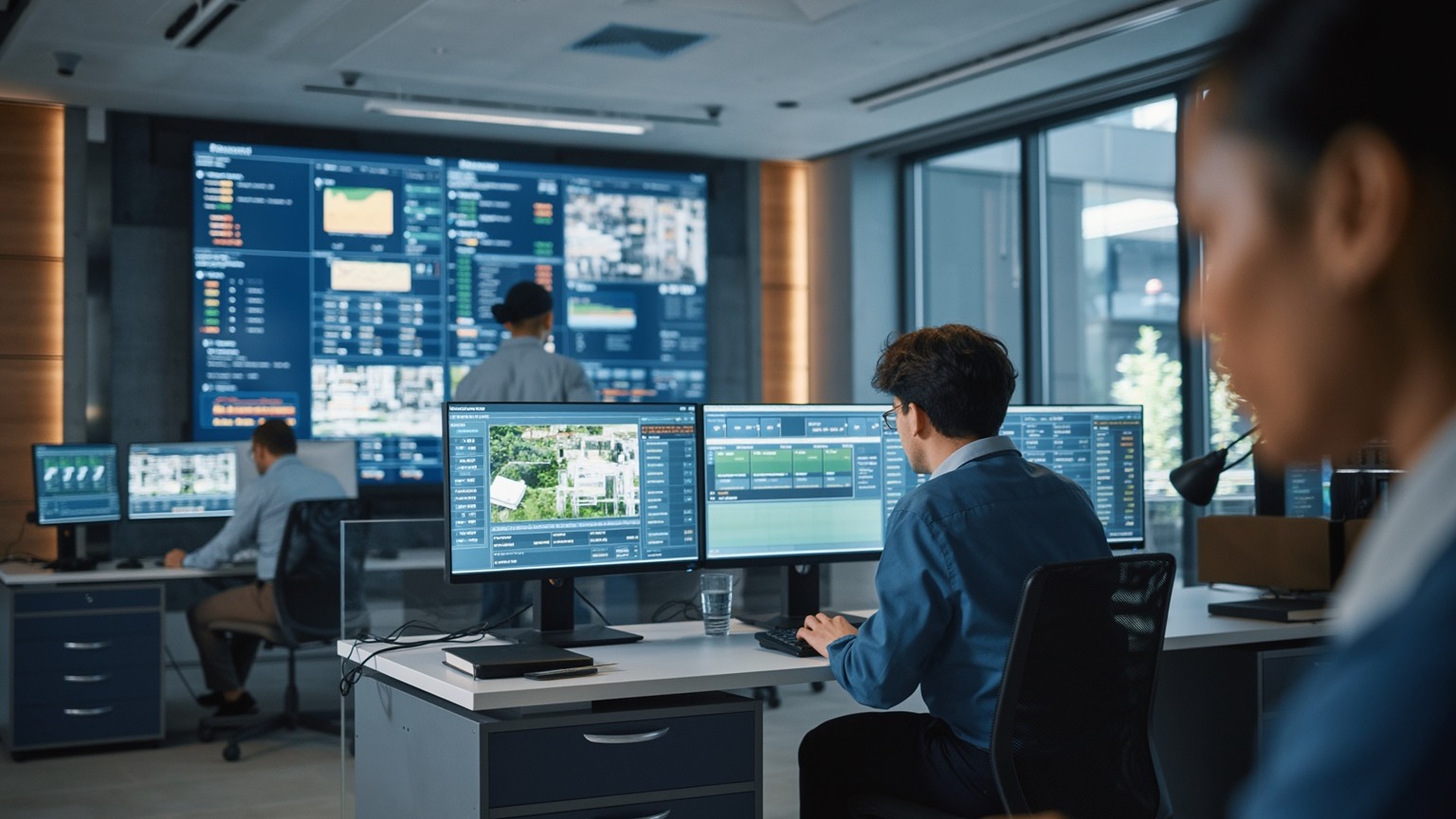
Selecting appropriate smart control systems for commercial buildings requires careful evaluation of essential features against specific operational requirements and budget constraints. Whilst manufacturers promote extensive feature lists, not all capabilities deliver equal value in every application. Understanding which functionalities genuinely enhance efficiency, comfort, and operational effectiveness enables informed decisions that maximise return on investment whilst avoiding unnecessary complexity or high costs.
The most successful implementations prioritise features addressing specific facility challenges rather than pursuing comprehensive functionality that may never receive practical use. Strategic feature selection ensures systems remain manageable, cost-effective, and genuinely beneficial to daily operations.
Remote Access and Control Capabilities
Remote Control Heating Fundamentals
Remote control heating represents perhaps the most immediately valuable feature in modern smart control systems, enabling facility managers and maintenance teams to monitor and adjust heating operations from any location via internet-connected devices. This capability proves invaluable for multi-site organisations, emergency responses, and optimisation opportunities identified outside normal working hours.
The convenience of addressing heating issues or making adjustments without site visits substantially reduces operational costs whilst improving response times. Snow emergencies requiring building pre-heating, unexpected occupancy changes, or equipment problems discovered remotely all benefit from immediate attention enabled by remote access capabilities.
Quality remote control heating systems provide comprehensive functionality matching on-site control panels, ensuring remote users have access to complete operational capabilities rather than limited monitoring with minimal adjustment options. The parity between local and remote interfaces prevents frustration whilst supporting effective system management regardless of operator location.
Mobile App Functionality
Dedicated mobile applications optimised for smartphones and tablets provide intuitive interfaces specifically designed for remote operation. The applications typically offer dashboard views summarising system status, temperature readings, equipment operation, and alert notifications in easily digestible formats suited to small screens.
Touch-optimised controls enable efficient navigation and adjustment without the precision required for mouse-driven interfaces. The mobile-first design approach recognises that facility managers increasingly rely on smartphones for operational oversight whilst travelling or working remotely. National Pumps and Boilers provides systems incorporating sophisticated mobile applications supporting comprehensive remote management.
Offline notification capabilities ensure alerts reach managers even when applications aren't actively running, preventing missed critical notifications. Push notifications for equipment failures, temperature excursions, or security events provide immediate awareness, enabling rapid response regardless of manager availability.
Web-Based Dashboards
Browser-based interfaces accessible from any internet-connected computer provide larger screen real estate ideal for detailed analysis, configuration, and monitoring. The web dashboards typically present more comprehensive information and advanced features compared to mobile applications, serving as primary management interfaces for in-depth work.
Multi-monitor support enables simultaneous viewing of multiple facility areas, trends, or system aspects - valuable for complex facilities or organisations managing numerous buildings. The expanded visibility supports holistic oversight impossible through single-screen mobile interfaces.
Customizable dashboard layouts allow users to prioritise information matching their specific responsibilities and preferences. Operators might emphasise current temperatures and equipment status, whilst energy managers focus on consumption trends and efficiency metrics.
Multi-Site Management Features
Organisations operating multiple facilities require remote control heating capabilities spanning distributed locations through unified interfaces. Centralised management dramatically improves operational efficiency by eliminating the need to access separate systems for each building, whilst enabling comparative analysis revealing outlier performance.
Hierarchical permissions enable appropriate access levels for corporate managers, regional supervisors, and site-specific operators. The role-based approach balances organisational oversight against site autonomy, preventing conflicts whilst maintaining accountability.
Standardised operating procedures implemented across multiple sites through centralised configuration ensure consistent approaches whilst simplifying training and knowledge transfer. The uniformity proves particularly valuable for organisations experiencing staff turnover or reassignments between facilities.
Emergency Response Capabilities
Remote control heating enables rapid response to emergency situations, including equipment failures, frozen pipe risks, or unexpected occupancy requirements. The immediate adjustment capability prevents damage, maintains building protection, and supports operational continuity despite challenging circumstances.
Remote system shutdown capabilities prove essential during emergency situations where rapid equipment isolation prevents damage or addresses safety concerns. Fire responses, major leaks, or electrical problems all benefit from immediate system shutdown without requiring physical site access.
Advanced Scheduling and Automation
Flexible Scheduling Options
Sophisticated scheduling capabilities represent core functionality, enabling substantial energy savings through automated operation matching actual occupancy patterns. The systems should accommodate complex schedules, including different patterns for each day, seasonal variations, holiday exceptions, and special event accommodations without excessive programming complexity.
Multi-week schedule patterns enable automated rotation for facilities with varying occupancy cycles, eliminating manual adjustments for predictable patterns. The extended scheduling horizon proves particularly valuable for educational facilities, religious buildings, or operations with regular but non-weekly schedules.
Schedule override capabilities allow temporary adjustments without permanently modifying programmed patterns - essential for unexpected occupancy changes, special events, or temporary operational variations. The override functionality should include automatic reversion to standard schedules, preventing forgotten overrides from wasting energy indefinitely. Modern commercial circulators integrate seamlessly with advanced scheduling systems.
Occupancy-Based Automation
Integrated occupancy detection automatically adjusts heating based on actual space usage rather than predetermined schedules that may poorly match reality. The adaptive approach eliminates energy waste during unexpectedly vacant periods whilst ensuring comfort when occupancy occurs outside normal schedules.
Learning algorithms analyse historical occupancy patterns, progressively refining schedules to match observed usage. The self-optimisation reduces programming burdens whilst improving performance through data-driven adjustments based on actual facility operations rather than assumptions.
Occupancy sensors must balance sensitivity to detect presence reliably whilst avoiding false triggers from minor movements or environmental factors. Adjustable detection parameters enable tuning to match specific space characteristics and usage patterns, optimising both reliability and energy savings.
Holiday and Exception Handling
Annual holiday calendars automate schedule adjustments for recurring events, including bank holidays, religious observances, and organisational closures. The automated handling prevents manual adjustments whilst ensuring appropriate heating operation during special circumstances.
Exception scheduling accommodates one-time events, including special meetings, facility rentals, maintenance shutdowns, or emergency closures. The temporary schedule variations should clearly indicate active exceptions whilst providing straightforward restoration to normal operation following event completion.
Sunrise/Sunset Integration
Geographic location awareness enables automatic adjustment of operating schedules based on actual sunrise and sunset times at facility locations. The solar-responsive scheduling proves particularly valuable for facilities where lighting conditions significantly influence heating requirements or where operational hours correlate with daylight availability.
Seasonal variations receive automatic accommodation without manual schedule modifications, maintaining optimal operation throughout the year. The adaptive approach eliminates periodic schedule adjustments whilst ensuring consistent performance despite changing daylight patterns.
Learning Algorithms
Machine learning capabilities analyse operational data to identify optimisation opportunities, predict equipment failures, and recommend schedule improvements. The intelligent automation progressively enhances performance throughout system lifespans as accumulated operational history enables increasingly sophisticated optimisation.
Predictive pre-heating algorithms anticipate heating requirements, initiating equipment operation at optimal times, achieving target temperatures precisely when needed, whilst minimising energy consumption. The sophisticated timing balances comfort achievement against energy efficiency through a detailed understanding of building thermal characteristics and equipment capabilities.
Zone Control and Temperature Management
Multi-Zone Capabilities
Granular zone control enables independent heating management for distinct facility areas with varying occupancy patterns, thermal requirements, or operational schedules. The zone-based approach directs heating energy precisely where needed whilst eliminating waste in unoccupied or low-requirement areas.
Systems should accommodate sufficient zones matching facility complexity without high costs for unused capacity. Scalability enabling zone additions as requirements evolve prevents premature system obsolescence whilst avoiding initial over-investment in unnecessary capability.
Zone naming and organisation features help maintain clarity in complex facilities with numerous zones. Hierarchical organisation, descriptive names, and visual floor plan integration support efficient navigation and management, preventing confusion that compromises operational effectiveness. Quality Grundfos pumps support effective multi-zone circulation strategies.
Independent Temperature Control
Each zone requires independent temperature setpoint control, enabling optimisation matching specific space requirements and occupancy patterns. Conference rooms maintain different temperatures than storage areas, offices receive different treatment than manufacturing spaces, and public areas warrant distinct approaches from back-of-house operations.
The independent control prevents the inefficiency of heating entire facilities to accommodate the most demanding zone, whilst eliminating comfort complaints from areas receiving inadequate heating under whole-building approaches.
Priority Zones Configuration
Establishing zone priorities enables intelligent load management during equipment capacity constraints or demand response events. Critical areas maintain appropriate conditions whilst non-essential spaces accept temporary setbacks, ensuring overall facility functionality despite limited heating capacity.
The priority system should provide straightforward configuration matching organisational needs whilst operating automatically without manual intervention during constrained conditions. A clear indication of active priority-based control prevents confusion whilst maintaining transparency regarding system operation.
Load Balancing Features
Intelligent equipment sequencing distributes heating loads efficiently across available boilers, heat pumps, or other sources. The coordination prevents inefficient operation where multiple units run simultaneously at low output whilst ensuring adequate capacity remains available for peak demands.
Smart heating system features include predictive load balancing that anticipates requirements based on weather forecasts, occupancy schedules, and thermal response characteristics. The proactive approach optimises equipment utilisation whilst preventing situations where inadequate capacity compromises comfort or operational requirements.
Energy Monitoring and Reporting
Real-Time Consumption Tracking
Continuous energy monitoring provides immediate visibility into heating costs, enabling rapid identification of inefficiencies or unexpected consumption increases. The real-time awareness supports proactive management rather than discovering problems weeks later through utility bills when corrective opportunities have passed.
Granular monitoring by zone, equipment, or function enables precise allocation and identification of specific consumption sources. The detailed visibility reveals which areas or equipment consume disproportionate energy, directing optimisation efforts toward the greatest savings opportunities.
Trend visualisation through intuitive graphs and charts makes consumption patterns immediately apparent without requiring detailed analysis. The visual presentation supports quick assessments whilst revealing patterns that might escape notice in tabular data formats.
Historical Data Analysis
Long-term data retention enables year-over-year comparisons revealing trends, validating improvement initiatives, and supporting strategic planning. Historical analysis identifies seasonal patterns, quantifies savings from implemented measures, and establishes baselines supporting future optimisation efforts.
Exporting capabilities enable integration with enterprise energy management systems, financial analysis tools, or regulatory reporting platforms. The data portability prevents information silos whilst supporting comprehensive organisational energy management strategies.
Cost Allocation Features
Multi-tenant facilities require accurate energy cost allocation matching actual consumption by tenant, department, or business unit. The allocation functionality supports fair billing whilst motivating energy-conscious behaviour through accountability for consumption costs.
Smart heating system features should include flexible allocation methodologies accommodating various approaches, including proportional distribution, actual metered consumption, or hybrid methods balancing measurement costs against allocation accuracy requirements.
Automated Reporting Capabilities
Scheduled reports delivered automatically via email provide regular performance updates without requiring manual generation. The automated distribution ensures stakeholders receive consistent information whilst eliminating reporting burdens from facility management staff.
Customizable report formats enable tailoring to specific audience needs - executives receive high-level summaries, facility managers obtain detailed operational data, and energy teams access comprehensive consumption analytics. The targeted approach ensures recipients receive relevant information without overwhelming detail.
Benchmarking Tools
Performance comparison against similar facilities, industry standards, or historical baselines reveals opportunities for improvement whilst validating current performance levels. The benchmarking context helps organisations understand whether observed consumption represents efficient operation or indicates significant improvement potential.
Integration and Compatibility Features
Building Management System Integration
Facilities with existing building management systems (BMS) benefit from heating control integration, enabling unified oversight and coordinated operation across multiple building systems. The integration supports holistic optimisation, which is impossible when systems operate independently without awareness of related equipment states.
Standard protocol support, including BACnet, Modbus, or LonWork,s ensures interoperability with diverse BMS platforms without requiring proprietary gateways or expensive custom integration efforts. The standardisation provides long-term flexibility whilst reducing vendor lock-in risks. Modern Wilo pumps offer excellent BMS integration capabilities.
Third-Party Device Compatibility
Open systems accommodating sensors, actuators, and controllers from multiple manufacturers prevent vendor lock-in whilst enabling selection of best-of-breed components for specific applications. The flexibility ensures organisations aren't constrained by single-vendor limitations or incur costs from proprietary requirements.
Verified compatibility lists documenting tested third-party devices help prevent integration problems whilst providing confidence that selected components will function reliably. The testing validation proves particularly valuable for organisations lacking internal expertise to evaluate compatibility independently.
Open Protocol Support
Systems supporting open communication protocols, including RESTful APIs, MQTT, or other industry-standard interfaces, enable integration with enterprise systems, custom applications, or future technologies not yet envisioned. The extensibility protects long-term investments whilst supporting innovative applications impossible with closed proprietary systems.
Developer documentation and software development kits (SDKs) enable internal IT teams or systems integrators to create custom integrations matching specific organisational requirements. The development support proves essential for organisations with unique needs not addressed through standard interfaces.
API Availability
Programmatic access through well-documented application programming interfaces (APIs) enables automation, data extraction, and integration with business systems, including work order management, financial analysis, or operational dashboards. The API capabilities substantially enhance system value beyond standard features through custom workflows matching specific organisational processes.
Webhook support enables real-time notifications to external systems when significant events occur, supporting sophisticated automation workflows responding immediately to equipment failures, threshold excursions, or operational changes requiring coordinated responses across multiple platforms.
Future Expansion Capabilities
Scalable architectures accommodate facility growth, additional buildings, or enhanced functionality without requiring complete system replacement. The expansion capability protects initial investments whilst enabling progressive enhancement, matching evolving requirements and available budgets.
Modular designs allow selective feature additions, avoiding the necessity to purchase comprehensive packages including functionality not currently needed. The pay-as-you-grow approach makes advanced systems accessible to organisations with constrained initial budgets whilst providing clear upgrade paths.
Alert and Notification Systems
Fault Detection Alerts
Automated monitoring continuously evaluates equipment operation, immediately notifying appropriate personnel when failures occur or performance degrades beyond acceptable thresholds. The rapid notification enables timely responses, preventing minor problems from escalating whilst minimising operational impact.
Smart heating system features should include intelligent alert filtering, preventing notification fatigue from excessive alarms,s whilst ensuring genuine problems receive immediate attention. Configurable alert thresholds, escalation procedures, and acknowledgement requirements balance awareness against overwhelming staff with constant notifications.
Maintenance Reminders
Scheduled maintenance notifications ensure regular service tasks receive timely attention without relying on manual tracking systems that often fail during busy periods. The automated reminders support preventive maintenance programmes, preventing neglect that leads to efficiency degradation or premature failures.
Integration with computerised maintenance management systems (CMMS) enables automated work order generation, seamlessly connecting identified maintenance needs with organisational work management processes. The integration streamlines workflows whilst ensuring maintenance requirements don't escape attention.
Performance Degradation Warnings
Progressive monitoring identifies gradual efficiency losses from fouling, wear, or other factors, enabling proactive intervention before substantial energy penalties accumulate. The early warnings support condition-based maintenance approaches,s addressing problems at the optimal intervention point,s balancing performance preservation against service costs.
Trending capabilities help distinguish normal seasonal variations from genuine degradation requiring attention. The analytical context prevents unnecessary service calls whilst ensuring legitimate issues receive an appropriate response.
Customizable Notification Preferences
Individual users should control notification delivery methods, timing, and threshold levels matching their specific responsibilities and preferences. Facility managers might want immediate alerts via SMS for critical failures, whilst accepting email notifications for routine information, whilst corporate executives prefer daily summary emails without constant operational details.
Role-based default configurations provide appropriate starting points for common positions whilst allowing customisation to match individual needs. The flexible approach balances organisational needs for awareness against individual preferences, preventing notification burnout.
User Interface and Ease of Use
Intuitive Control Interfaces
User interface design significantly impacts system adoption, operational effectiveness, and user satisfaction. Interfaces should prioritise clarity, logical organisation, and straightforward navigation, enabling effective operation without extensive training or constant reference to documentation.
Visual representations,s including floor plans, equipment diagrams, and graphical displays, help users quickly understand system status and navigate to relevant controls. The visual approach proves more intuitive than a text-heavy interface,s requiring careful reading to locate desired information.
Consistent design patterns throughout interfaces reduce learning burdens whilst preventing confusion from inconsistent approaches across different features or screens. The uniformity helps users develop muscle memory,y enabling efficient operation through familiarity.
Role-Based Access Control
Hierarchical permission systems ensure users access appropriate functionality matching their organisational responsibilities without exposure to controls or information beyond their needs. The controlled access prevents accidental misconfiguration whilst maintaining security for sensitive settings or data.
Administrative interfaces for managing user accounts, permissions, and system configuration should provide straightforward tools enabling effective management without requiring extensive technical expertise. The accessible administration supports delegation to facility staff rather than necessitating expensive external support for routine user management.
Mobile Responsiveness
Interfaces should adapt seamlessly across diverse screen sises from large desktop monitors through tablets to smartphones. The responsive design ensures consistent functionality and usability regardless of device, supporting operational flexibility without compromising effectiveness.
Touch-optimised controls accommodate finger-based interaction on mobile devices whilst remaining functional with traditional mouse-driven desktop operation. The dual-mode design prevents frustration from interface elements too small for finger selection or buttons requiring excessive precision.
Training and Support Resources
Comprehensive documentation, video tutorials, and interactive training modules support effective system adoption whilst reducing reliance on vendor support for routine questions. The self-service resources enable users to find answers independently, improving satisfaction whilst reducing support costs.
Built-in help systems providing context-sensitive guidance accessed directly from relevant interface elements prove more effective than separate documentation requiring users to search for applicable information. The integrated approach delivers assistance precisely when needed without interrupting workflows.
Conclusion
Selecting smart control systems with appropriate features requires careful evaluation of specific facility requirements, operational priorities, and budget constraints. Remote control heating capabilities, advanced scheduling, comprehensive monitoring, and integration flexibility represent essential functionality for most commercial applications, whilst specialised features deliver value in specific contexts, matching unique organisational needs.
The most successful implementations prioritise smart heating system features addressing genuine operational challenges rather than pursuing comprehensive functionality that may never receive practical use. Strategic feature selection ensures systems remain manageable, cost-effective, and genuinely beneficial throughout their operational lifespans.
For expert guidance on evaluating smart control system features, selecting appropriate functionality matching your facility's specific requirements, and implementing solutions delivering optimal value, contact us to discuss comprehensive options with our experienced technical team.