

Key Heating and Pumping Considerations for Healthcare Facilities
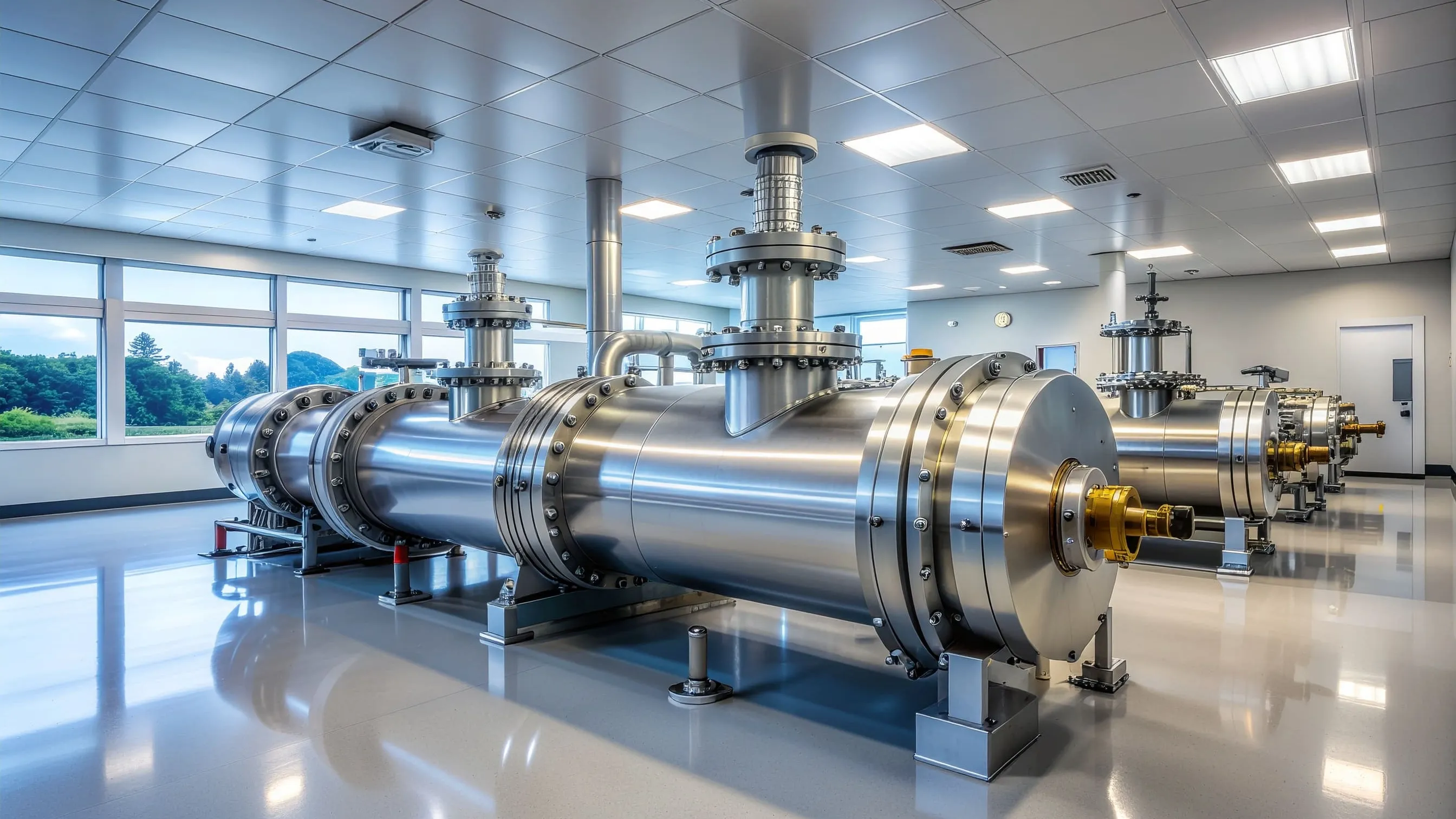
Healthcare facilities demand heating and pumping systems that operate without failure. They must maintain precise environmental conditions and meet stringent regulatory standards. A single system malfunction can compromise patient recovery, enable bacterial proliferation, or force ward closures entirely. A hospital pump specification differs fundamentally from commercial or residential applications. It requires specialist knowledge of medical engineering standards and strict infection control protocols.
The specification process cannot rely on generic commercial building approaches. Regulatory oversight from the Care Quality Commission and mandatory compliance with Health Technical Memorandum guidance create incredibly rigid obligations. The direct link between system performance and patient outcomes means these standards protect lives, not just building efficiency.
Regulatory Framework and Compliance Standards
Health Technical Memorandum 04-01 (HTM 04-01) establishes the mandatory requirements for heating and ventilation systems in NHS and private healthcare facilities. This comprehensive document specifies design parameters, commissioning procedures, and maintenance protocols that directly impact patient safety. Installations must demonstrate compliance during CQC inspections. You need documented evidence of temperature control, water quality management, and reliable system performance.
Building Regulations Part L applies additional energy efficiency requirements. However, patient safety considerations always take precedence over energy conservation in healthcare environments. The challenge lies in achieving thermal comfort and infection control while optimising running costs across continuous operations. Central heating systems in medical buildings typically consume up to 60 percent more energy than equivalent commercial spaces.
Environmental health officers strictly scrutinise hot water systems for Legionella control measures. They require monthly temperature checks at sentinel outlets and quarterly microbiological sampling. Non-compliance can result in prosecution under the Health and Safety at Work Act 1974. This regulatory exposure makes proper hospital pump specification a fundamental patient safety obligation. National Pumps and Boilers consistently supplies the precision equipment needed to meet these demanding clinical standards safely.
Temperature Control and Zoning Requirements
General ward areas require stable temperatures between 18 and 24 degrees Celsius. Individual room control is essential to enable patient comfort adjustments. Elderly care wards typically operate at the upper end of this range. Recovery areas often require lower temperatures for post-anaesthetic patients. The heating system must respond rapidly to seasonal variations without creating uncomfortable temperature swings.
Operating theatres demand incredibly precise control within 20 to 26 degrees Celsius. Most surgical procedures happen at a highly specific 21 to 23 degrees. Surgical teams generate significant metabolic heat, yet anaesthetised patients lose body heat rapidly. A reliable grundfos circulation pump enables the fine flow adjustments necessary to maintain these narrow temperature bands safely. It responds to real-time load changes without overshooting setpoints that could compromise surgical conditions.
Think of precision temperature control in an operating theatre exactly like maintaining an incubator. Even a two-degree temperature swing can compromise the carefully balanced environment, so the mechanical response must be smooth, continuous, and absolutely precise.
Neonatal units require exceptionally stable conditions. Any temperature deviation triggers immediate alarms because premature infants cannot regulate their own body heat. Isolation rooms present unique challenges by requiring negative pressure ventilation with massive fresh air supply volumes. Modulating burner systems and weather compensation controls prove essential for managing these variable demands in any robust hospital pump specification.
Hot Water Generation and Distribution
Legionella bacteria proliferate rapidly between 20 and 45 degrees Celsius. This makes hot water systems in healthcare facilities a critical infection control priority. HTM 04-01 mandates storage temperatures of 60 degrees Celsius minimum. Furthermore, the distribution pipework must strictly maintain 50 degrees Celsius throughout the entire system.
This requirement conflicts directly with patient scalding prevention measures. You must install TMV3-approved thermostatic mixing valves at all patient-accessible outlets. These valves provide fail-safe temperature limitation, preventing washbasin outlet temperatures from exceeding 43 degrees Celsius. Dedicated andrews boilers paired with commercial cylinders facilitate safe temperature generation. To keep the water moving right up to the outlets, a properly engineered TMV3 mixing valve circulation strategy is absolutely critical.
A mechanical contractor recently audited an older community hospital that continually failed its quarterly Legionella tests. They discovered the secondary return loops were too far from the outlets, creating stagnant lukewarm zones. Installing a dedicated bronze-fitted DHW pump for each branch immediately elevated the return temperatures above the required 50 degrees Celsius. The facility passed all subsequent health inspections with zero compliance issues.
Dead legs in pipework create ideal conditions for bacterial colonisation. Healthcare installations must eliminate all dead legs exceeding one metre in length. Robust DHW circulation systems prevent temperature drops that enable bacterial growth. A dedicated bronze-fitted DHW pump suits most healthcare applications perfectly. It resists the corrosion associated with highly oxygenated fresh water supplies, safeguarding the TMV3 mixing valve circulation loop.
Pump Selection for Medical Applications
Reliability takes absolute precedence in hospital pump specification because system failures directly impact clinical care. Medical-grade circulators incorporate sealed motor designs and stainless steel wetted components. Standard commercial units often lack the build quality necessary for the demanding duty cycles required in healthcare environments. Specifying a genuine HTM 04-01 compliant pump ensures the equipment meets these rigorous operational standards.
Noise generation presents a significant concern for patient recovery areas. Acoustic specifications should not exceed 43 dB(A) at a one-metre distance. You must select an HTM 04-01 compliant pump with low-vibration motor designs and resilient mounting arrangements. Variable speed units operate much more quietly than fixed-speed models because they avoid the flow noise generated by restrictive throttling valves.
Energy efficiency matters considerably for facilities operating 24 hours a day. High-efficiency permanent magnet motors reduce electrical consumption by 30 to 40 percent compared to standard induction motors. Inline pump designs with accessible isolation valves enable rapid removal without draining entire systems. This accessibility is essential in facilities where shutdowns must be scheduled weeks in advance.
Backup Systems and Redundancy
Clinical guidelines require strict duty and standby pump configurations for all critical heating and hot water services. Automatic changeover controls switch to the standby pump within seconds of detecting a failure. This maintains service continuity without requiring any manual intervention.
Think of duty and standby automatic changeover like a hospital's uninterruptible power supply. The moment the primary source fails, the backup kicks in instantly so the system never flatlines.
Emergency heating provisions must maintain minimum temperatures during boiler failures or fuel interruptions. Some facilities install dedicated backup boilers sized for partial load. This maintains safe temperatures in critical areas while repairs proceed. Heavy-duty Armstrong pressure boosters are frequently utilised to maintain critical water delivery during these demanding scenarios. Generator compatibility requires careful electrical design. Variable speed drives reduce electrical inrush currents, enabling multiple Armstrong pressure boosters to restart automatically on emergency power without overloading the generators.
Infection Control and Material Selection
Copper pipework provides inherent antimicrobial properties. Copper ions actively prevent bacterial colonisation on the pipe surfaces. This natural biocidal effect makes copper the preferred material for healthcare potable water systems. Solder joints must use lead-free materials entirely, and flux residues must be flushed thoroughly before commissioning.
Stainless steel pipework suits applications where copper proves incompatible. Systems with a low pH or elevated chlorine levels require this robust material. Press-fit jointing systems eliminate hot work requirements, reducing fire risks in occupied areas. However, stainless steel lacks copper's antimicrobial properties, requiring more rigorous water treatment. A reliable DAB water pump handles these treated systems perfectly.
Surface temperature control prevents patient contact burns. HTM 04-01 limits accessible surface temperatures to 43 degrees Celsius in vulnerable patient areas. This requires protective radiator guards or low surface temperature emitters in wards and mental health facilities.
Monitoring and Control Systems
Building Management System integration enables the centralised monitoring of temperatures, pressures, and pump status. Modern systems provide secure web-based access to historical data. This supports mandatory compliance reporting and enables rapid diagnosis of developing faults. Alarm notifications via email ensure maintenance teams respond promptly to out-of-specification conditions.
Temperature logging for Legionella compliance requires monthly readings at sentinel outlets. Digital temperature sensors with automatic data recording eliminate transcription errors. They provide auditable records that protect the facility during compliance inspections. Every properly executed hospital pump specification integrates seamlessly with these digital logging platforms.
Advanced commercial boiler systems communicating via Modbus protocols provide real-time performance data. Remote monitoring capabilities enable specialist contractors to diagnose faults before arriving on site. This reduces response times and repair costs significantly.
Maintenance Access and Planning
Service continuity during maintenance requires smart isolation valve arrangements. Pumps should have accessible isolation valves with drain points on either side. This allows for safe removal while maintaining heating to unaffected areas. Proper pump valves enable this rapid component replacement. Strainers require similar isolation provisions because they need cleaning several times annually.
Plant room design significantly impacts maintenance efficiency. Adequate working space around equipment enables safe servicing. Lifting provisions for heavy components prevent manual handling injuries and speed up the repair process.
Planned preventative maintenance schedules include quarterly pump inspections and six-monthly calorifier servicing. Maintenance scheduling must coordinate closely with clinical activities to avoid disruption. Documentation requirements are extensive. You must retain commissioning records, maintenance logs, and TMV service certificates for immediate CQC inspection.
Conclusion
Healthcare facility heating and pumping systems demand exceptional reliability and precise environmental control. The regulatory framework reflects the direct impact that mechanical performance has on patient safety. Successful system design requires deep specialist knowledge of HTM 04-01 requirements and Legionella control protocols.
Pump selection, intelligent redundancy, and maintenance accessibility are critical to achieving continuous clinical operation. You must balance energy efficiency against uncompromising patient safety requirements. A dedicated TMV3 mixing valve circulation loop and an HTM 04-01 compliant pump are non-negotiable foundations for these facilities.
If you are upgrading a medical facility and need to ensure absolute regulatory compliance, Request Product Support. We can help you engineer a highly resilient, infection-safe heating and pumping solution today.