

Legionella Risk Assessment Requirements for UK Commercial Properties in 2026
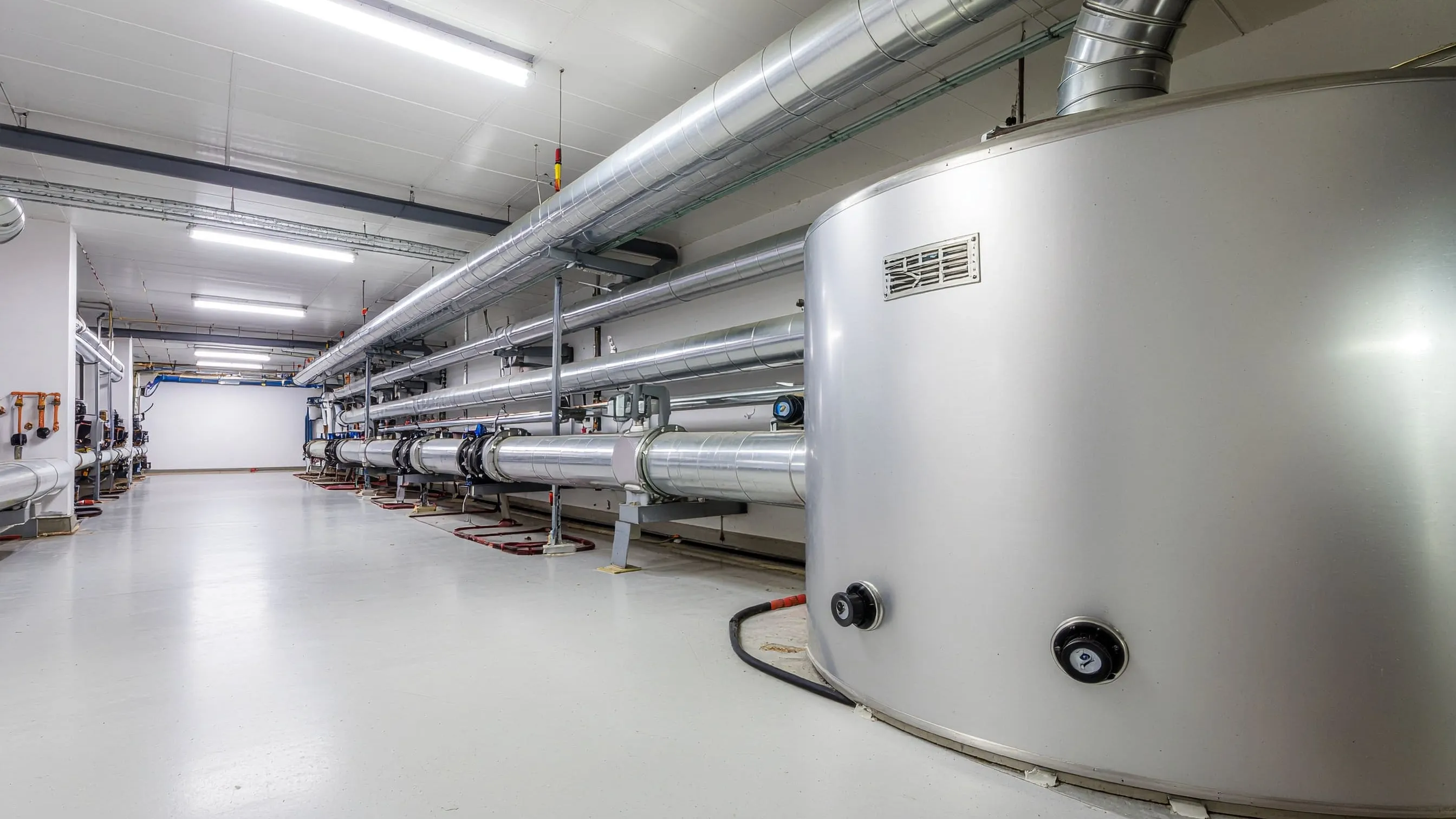
Legionella bacteria resulted in a significant number of confirmed cases reported to public health authorities in the UK during 2024, continuing a rising trend, with every investigated case traced back to a commercial water system where temperature control failed, monitoring lapsed, or risk assessments remained incomplete. Property managers and building owners face intensifying regulatory scrutiny as the Health and Safety Executive strengthens enforcement of the Control of Substances Hazardous to Health (COSHH) Regulations 2002 alongside the Approved Code of Practice L8.
The legal obligation remains absolute: duty holders must identify and assess sources of legionella risk in all building water systems, implement effective control measures, appoint competent persons to manage those controls, and maintain detailed records proving ongoing compliance. With prosecution rates climbing and fines reaching £500,000 for serious breaches, understanding the specific legionella risk assessment UK 2026 requirements has moved from administrative necessity to critical risk management for every commercial property operator.
Understanding the Legal Framework
The Health and Safety at Work Act 1974 establishes the foundational duty, placing responsibility on employers and property controllers to ensure their premises do not expose people to health risks. Section 3 of the Act extends this duty beyond employees to anyone who might be affected by the undertaking - visitors, contractors, residents, and members of the public who may encounter water systems during normal building use.
COSHH Regulations 2002 specifically address biological agents, classifying legionella bacteria as a substance hazardous to health requiring formal risk assessment and control. Regulation 6 mandates a suitable and sufficient assessment of the risk created by work involving such hazardous substances. For water system management, this requirement translates to documented evaluation of every point where legionella could proliferate and find a transmission route to building occupants.
The L8 Approved Code of Practice (Fourth Edition) provides the definitive guidance framework for controlling legionella bacteria in water systems. Whilst L8 is not statute law itself, it carries special legal status - courts accept its recommendations as evidence of proper compliance unless duty holders can demonstrate they achieved equivalent or better protection through alternative means. HSE prosecution teams routinely reference specific L8 paragraph numbers in enforcement notices, making detailed familiarity with the document's requirements essential for anyone holding responsibility for commercial water system management.
Enforcement powers available to HSE inspectors include improvement notices requiring compliance within specified timeframes, prohibition notices halting building operations immediately where serious risk exists, and criminal prosecution for breaches causing death or serious harm. Corporate manslaughter charges now apply when management failures contribute to fatal legionella outbreaks, with potential unlimited fines and director disqualification. The 2016 Sentencing Council guidelines produce average fines of £85,000 for health and safety breaches, with legionella cases regularly exceeding £200,000.
What Constitutes a Compliant Risk Assessment
L8 prescribes a five-step methodology for legionella risk assessment that mirrors the general risk assessment approach required across health and safety legislation. Step one requires comprehensive hazard identification - mapping every water system, storage tank, calorifier, cooling tower, and distribution pipe where water temperatures between 20°C and 45°C could occur for sustained periods.
Step two assesses who faces risk and how transmission might occur. Healthcare facilities, hotels, leisure centres, and care homes present higher risk due to vulnerable populations and complex water systems with high outlet numbers. Office buildings with infrequently used washrooms, documented or undocumented dead legs, or poorly maintained systems create significant hazard points despite lower general occupant vulnerability. The exposure pathway assessment must consider both the water system conditions and the proximity and vulnerability of building users.
Step three evaluates existing control measures against current L8 standards. Temperature monitoring frequency and records, cleaning and descaling schedules, water treatment programmes, and maintenance logs all undergo scrutiny during this evaluation. Gaps between current practice and required standards define the remedial scope of the risk management programme.
Step four implements additional controls to eliminate or adequately manage identified risks. This might involve removing documented dead legs, installing or servicing thermostatic mixing valves at point of use, upgrading pipe insulation to current standards, fitting continuous temperature monitoring systems, or redesigning sections of distribution pipework. Central heating primary circuits and domestic hot water distribution systems within the same building require coordinated assessment where they share plant rooms, risers, or any hydraulic connection through heat exchangers or combination vessels.
Step five establishes the ongoing review schedule that keeps the assessment current. L8 requires formal reassessment whenever significant changes occur to water systems, occupancy patterns, or building use. Annual reviews represent minimum best practice for standard commercial properties, with quarterly detailed reviews recommended for high-risk premises serving vulnerable populations.
Critical Water Systems Requiring Assessment
Hot and cold water services dominate legionella risk assessment scope in most commercial buildings. Storage calorifiers must maintain water at 60°C minimum throughout the vessel volume, with distribution temperatures reaching 50°C at outlets within one minute of running. Cold water systems require temperatures consistently below 20°C throughout storage and distribution, necessitating proper tank insulation, pipework separation from heat sources, and cold water temperature monitoring programmes.
DHW pumps in secondary circulation systems must be correctly sized to maintain 50°C return temperatures at the calorifier throughout all demand conditions - undersized or deteriorating circulation pumps allow distribution temperatures to fall into the bacterial growth range and must be identified during risk assessment as a control critical component requiring regular performance verification.
Cooling towers and evaporative condensers require separate, detailed assessment due to their direct aerosol generation risk. The Notification of Cooling Towers and Evaporative Condensers Regulations 1992 require registration with local authorities within one month of commissioning. Weekly visual inspections, monthly water sampling, quarterly deep cleans, and six-monthly comprehensive examinations form the minimum control regime. These systems require specialist management contracts in most commercial building applications.
Spa pools, hydrotherapy baths, and decorative water features generate aerosols that carry legionella bacteria directly into the breathing zone of building users. Temperature control in these systems is inherently challenging, making continuous disinfection, filtration, and chemical monitoring essential. Many operators drain and refill spa systems between uses rather than maintaining continuous operation within the parameters that consistent legionella prevention requires.
Emergency showers and eyewash stations present a specific risk category often overlooked in routine legionella risk assessment UK 2026 programmes. These outlets frequently sit unused for weeks or months between activation tests, creating stagnant water at ambient temperature - conditions ideal for bacterial growth. Weekly activation flushing and temperature checks are required to prevent colonisation of these safety-critical fixtures.
Temperature Control Standards
The 60°C storage and 50°C distribution delivery standard reflects the thermal kill kinetics of legionella bacteria. At 60°C, the bacteria die within two minutes; at 50°C, death occurs within two hours. Temperatures consistently below 50°C at outlets indicate inadequate storage temperature, excessive heat loss in distribution pipework, or insufficient secondary circulation flow rates - each representing a distinct control failure requiring targeted remediation.
Grundfos secondary circulation pump systems sized correctly for system volume and total pipe length maintain return temperatures above 50°C throughout commercial distribution networks, preventing the temperature drops that create bacterial growth conditions in sections of the system remote from the calorifier.
Cold water presents the temperature management challenge in the opposite direction. Mains water enters commercial buildings at 5-15°C in winter, but summer conditions, solar gain on poorly insulated tanks, and proximity to heating services can raise stored temperatures into the risk zone. Tank specifications for legionella risk assessment UK 2026 compliance must include location assessment, insulation specification verification, and seasonal temperature monitoring to confirm the below-20°C requirement is met throughout the year.
National Pumps and Boilers supplies the secondary circulation equipment, temperature monitoring integration, and system controls that form the technical infrastructure of compliant commercial hot water installations, supporting building managers in meeting the legionella risk assessment implementation requirements that L8 step four demands.
Thermostatic mixing valves under L8 must draw from hot water maintained at 60°C and cold water below 20°C, with mixing occurring at point of use rather than at centralised locations serving multiple outlets. TMV2 and TMV3 valves both require annual servicing by a competent person, with TMV3 certification providing additional assurance of fail-safe performance under fault conditions. Monthly temperature testing at TMV outlets confirms delivery temperatures and identifies valves that have drifted from specification before they create compliance failures.
Monthly temperature monitoring at sentinel outlets - those furthest from storage vessels, on isolated branches, or at positions previously identified as problematic - provides the ongoing compliance evidence that L8 requires. Digital data loggers with continuous monitoring and automated out-of-range alerts are increasingly expected by HSE inspectors as an alternative or supplement to monthly manual checks, particularly for high-risk premises where water safety management requires demonstrably robust controls.
Common Compliance Failures in 2025
Industry analysis of enforcement trends reveals consistent failure patterns across commercial property sectors. Inadequate temperature monitoring featured prominently in improvement notices, with the most common failures being insufficient testing frequency, missing or incomplete records, and critically - failure to take documented corrective action when readings showed non-compliance. Recording out-of-range temperatures without acting on them demonstrates that monitoring is occurring as a documentation exercise rather than a genuine control mechanism, and courts treat this distinction as significant in prosecution cases.
TMV installations frequently failed to meet L8 requirements across the enforcement data reviewed. Mixing valves installed at centralised distribution points rather than individual outlets created long pipe runs carrying water at 41-43°C. Annual TMV servicing requirements went unmet in a high proportion of assessed premises, with seized valve mechanisms delivering scalding water or complete flow failure. TMV3 certification verification was rarely documented in maintenance records despite L8's explicit requirement for annual competent person inspection and performance testing.
Dead legs - pipe runs serving removed fixtures or redundant system sections - frequently featured in risk assessments reviewed during HSE inspections. Water remaining stagnant in capped pipes provides conditions for bacterial growth, with pressure fluctuations or temperature changes potentially flushing contaminated water into active distribution systems during periods of high demand. Identification requires detailed system drawings that many commercial buildings lack, necessitating physical surveys as part of the risk assessment process.
Staff training deficiencies were a significant contributor to compliance failures in prosecuted cases. Maintenance personnel conducting temperature checks without understanding the significance of specific readings, facilities managers unaware of their duty holder responsibilities under COSHH Regulations 2002, and contractors modifying water systems without legionella risk awareness training all created compliance gaps. L8 explicitly requires training proportionate to roles and responsibilities throughout the building management structure.
The Role of Competent Persons
L8 requires duty holders to appoint competent persons to manage legionella control programmes. Competence derives from the combination of relevant training, practical experience, and technical knowledge sufficient to implement control measures effectively and assess their ongoing effectiveness. For straightforward water systems in lower-risk commercial buildings, a facilities manager with appropriate formal training may satisfy this requirement. Complex systems, high-risk premises, or significant system modifications require specialist expertise beyond what in-house staff typically possess.
The Legionella Control Association (LCA) and Water Management Society (WMSoc) provide training and certification schemes recognised by HSE as demonstrating relevant competence. City & Guilds Level 2 Award in Legionella Control suits operational staff conducting routine monitoring, maintenance, and flushing regimes. Level 3 qualifications address risk assessment methodology and control scheme design, appropriate for those managing compliance programmes and conducting formal risk assessments.
Responsibility chains must be documented clearly and comprehensively. Overall duty holder accountability, day-to-day responsible person management, operational monitoring staff, escalation procedures, and remedial action authorisation all require named assignments with defined scope. Written appointments with specific responsibilities prevent the diffusion of accountability that characterises poorly managed compliance failures where multiple individuals each assumed someone else was managing the critical control functions.
Vaillant commercial system controls with integrated temperature monitoring and remote access capability support the competent person's ability to oversee multiple buildings from a centralised management function, reducing the resource requirement for on-site presence whilst maintaining the continuous temperature oversight that high-risk premises require.
Changes Expected in 2026
Digital record-keeping transitions from a recommended best practice to an expected standard in 2026. HSE inspectors are increasingly requesting electronic records that demonstrate real-time monitoring, automated out-of-range alerts, and trend analysis capability. Paper logbooks showing monthly temperature checks lack the monitoring granularity and audit trail reliability that continuous digital systems provide. Whilst L8 does not mandate digital records as a legal requirement, demonstrating adequate legionella risk assessment UK 2026 compliance without them becomes progressively more difficult as inspection standards evolve.
Documentation standards for risk assessment reviews are tightening. Annual reviews must demonstrate active reassessment with documented consideration of changes in building use, occupancy patterns, water demand variation, and system modifications. Signing off the previous year's assessment without evidencing a genuine review process is no longer sufficient to satisfy HSE inspection requirements. Records must show specifically what was reviewed, what changes were identified, and what control measure adjustments resulted from the review process.
Inspection frequency expectations for high-risk premises continue to increase. Healthcare facilities, care homes, hotels, and leisure centres face growing expectation of quarterly comprehensive compliance reviews rather than annual assessments alone. Monthly detailed inspections of cooling towers and spa pool systems supplement the required weekly operational checks, with competent person involvement documented and verified at each stage.
Ebara pump systems with corrosion-resistant materials and integrated performance monitoring are suited to high-risk premises where water quality conditions accelerate deterioration in standard materials and where continuous pump performance data forms part of the compliance monitoring programme expected by HSE inspectors under 2026 enforcement standards.
Practical Implementation Steps
Establishing a written water safety control scheme transforms L8 requirements from abstract obligations into operational procedures with assigned responsibilities and defined timescales. The scheme must document the complete water system schematic, identify all hazard points with their associated risk levels, specify the control measure for each identified risk, assign named responsibilities, and set monitoring frequencies for each system element.
Wilo circulation pump systems with BMS-connected monitoring and control capabilities form part of the physical infrastructure that supports the written control scheme, enabling automated temperature data capture that reduces the human resource requirement for routine monitoring whilst improving monitoring consistency and data reliability.
Emergency response procedures must be documented before they are needed. Defining the immediate actions, escalation contacts, system shutdown criteria, water sampling protocols, and regulatory notification requirements in advance prevents ad-hoc responses that may expose additional building users to risk or compromise the legal position during subsequent investigation. Organisations maintaining relationships with specialist laboratories providing rapid legionella testing are better positioned to respond effectively when confirmed or suspected cases require immediate action.
Pump valves within hot water secondary circulation systems require specific inclusion in the written control scheme maintenance programme - isolation valve seizure or non-return valve failure affects secondary circulation performance and requires identification through the quarterly system inspection rather than waiting for temperature monitoring failures to reveal the problem.
Conclusion
Legionella risk assessment UK 2026 requirements demand systematic hazard identification, documented control measure implementation, appointment of genuinely competent persons, and maintenance of comprehensive compliance records that demonstrate active management rather than passive documentation. The legal framework centred on COSHH Regulations 2002 and L8 guidance leaves no ambiguity about duty holder responsibilities, whilst increasing HSE enforcement activity and penalty levels make non-compliance both financially and legally untenable for commercial property managers.
Temperature control remains the primary engineering defence - hot water stored at 60°C and distributed at 50°C, cold water maintained below 20°C, and TMVs positioned at point of use to minimise blended water volumes. Correctly specified circulation pumps, monthly sentinel outlet monitoring, and prompt corrective action when readings fall outside acceptable ranges prevent the conditions that allow legionella to colonise commercial water systems. Written control schemes, trained responsible persons, and documented emergency procedures translate these technical requirements into operational reality that HSE inspectors can verify and courts can assess.
For specialist legionella risk assessment, control scheme development, and equipment specification tailored to specific commercial building requirements, Contact Us to discuss regulatory obligations and practical compliance solutions.