

Magnetic Filters for Heating Systems: What They Do and Why You Need Them
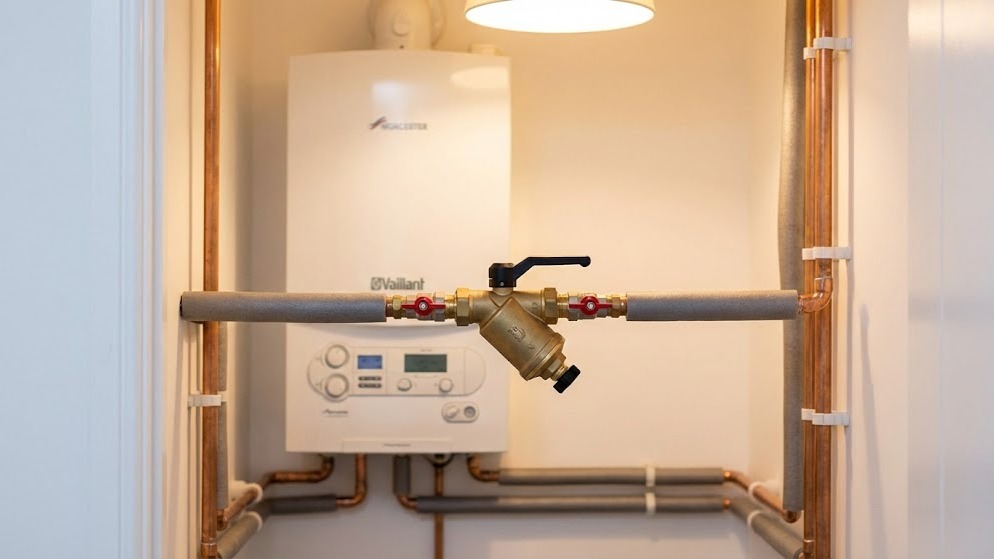
Heating systems accumulate debris that most homeowners never see: magnetite sludge, rust particles, and metal fragments that silently degrade performance and slash equipment lifespan. A magnetic filter heating system captures these contaminants before they damage boilers, pumps, and radiators, yet fewer than 30% of UK heating systems have one installed.
The black sludge collecting in radiators represents more than just dirt. Magnetite forms when iron components inside heating systems oxidise, creating microscopic particles that circulate continuously through pipes, valves, and heat exchangers. Without filtration, these particles cause pump failures, blocked heat exchangers, and cold spots in radiators, problems that cost UK homeowners £470 million annually in repairs and replacements. Effective magnetite removal systems prevent this costly damage.
How Magnetic Filters Protect Heating Systems
A magnetic filter heating system works through powerful neodymium magnets that attract ferrous particles from circulating water. As system water passes through the filter chamber, magnetic fields pull iron oxide particles from the flow, trapping them against the magnet core while clean water continues through the system.
The filtration process happens continuously. Water enters the filter body at system pressure, typically 1-3 bar in domestic systems. Inside the chamber, flow velocity drops, allowing the magnetic field more time to capture particles. The strongest filters generate magnetic flux densities exceeding 12,000 gauss, enough to extract particles as small as 5 microns.
Modern filters combine magnetic and mechanical filtration. While magnets capture ferrous debris, mesh screens trap non-magnetic contaminants like scale, biofilm, and installation debris. This dual-action approach removes up to 100% of circulating magnetite when properly sized and maintained. Such magnetite removal systems provide comprehensive protection for all system components.
The Real Cost of Magnetite Damage
Magnetite causes progressive damage that compounds over time. A study by BEAMA (British Electrotechnical and Allied Manufacturers Association) found that just 1mm of magnetite coating inside a boiler heat exchanger reduces efficiency by 10%. This translates to £150-200 in additional annual heating costs for an average UK home.
Circulator pump failures represent the most common magnetite-related breakdown. Grundfos pumps tested with magnetite-contaminated water showed bearing wear rates 400% higher than those running clean water. Pump replacements cost £200-500, not including labour or system downtime.
Heat exchanger blockages create more expensive problems. Magnetite accumulation restricts water flow through narrow channels, causing localised overheating and eventual failure. Replacing a boiler heat exchanger costs £400-800, while complete boiler replacement runs £2,000-4,000.
Cold radiators indicate magnetite accumulation in system low points. While power flushing can restore circulation, the process costs £300-600 and requires system shutdown. Regular magnetic filtration prevents these accumulations, maintaining consistent heat distribution.
Choosing the Right Filter Size and Type
Filter sizing depends on system volume, flow rate, and contamination levels. Domestic systems typically require filters rated for 20-35 litres/minute flow rates. Commercial systems need proportionally larger units: a 500kW system might require filters handling 200+ litres/minute.
Inline magnetic filters install on horizontal pipework, usually on the boiler return. These units suit most domestic installations where space permits. Leading manufacturers like Fernox and Sentinel produce compact inline filters that fit within standard boiler casings.
Twin-filter configurations provide redundancy for critical systems. One filter operates while the other undergoes maintenance, ensuring continuous protection. This setup suits commercial buildings, care homes, and facilities where heating downtime is not acceptable.
Combination filters integrate air separation and dirt removal. These units particularly benefit systems prone to air ingress, combining magnetic filtration with automatic air venting. The Spirotech range exemplifies this technology, removing both magnetite and microbubbles.
System pressure influences filter selection. Standard domestic filters operate at 3 bar maximum, while commercial units handle 6-10 bar. Oversizing provides safety margins: a filter rated for 6 bar operating at 2 bar experiences less stress and longer service life.
Installation Requirements and Best Practices
Professional installation ensures optimal filter performance. Position matters: filters work best on boiler returns where water temperature is lowest and contamination levels highest. Installing on flow pipes exposes filters to higher temperatures that can damage seals and reduce magnetic strength.
Isolation valves on both sides enable maintenance without system drainage. Full-bore valves minimise flow restriction, while lever-operated designs speed up service procedures. Quality installers include drain valves below filters, simplifying cleaning procedures.
Pump valves protect both pumps and filters. Installing strainers upstream of magnetic filters prevents large debris from blocking filter inlets. This two-stage approach maximises protection while extending service intervals.
Vertical installation requires specific filter models. Standard horizontal filters installed vertically trap air, reducing effectiveness. Purpose-designed vertical filters incorporate air bleed points and modified flow paths to maintain performance.
System inhibitor compatibility affects filter choice. Some magnetic filters include dosing points for inhibitor addition during service. This feature maintains protection levels without additional system connections.
Maintenance Schedules That Maximise Protection
New systems require frequent initial cleaning. Check filters monthly for the first three months, as installation debris and flux residues flush through. After this period, quarterly checks usually suffice for domestic systems.
Cleaning procedures vary by manufacturer but follow similar principles. Isolate the filter, release system pressure, and remove the magnetic core. Magnetite releases immediately when magnets withdraw, allowing simple flushing. Most filters clean completely in under 10 minutes.
Annual deep cleaning improves long-term performance. Remove the filter body completely, inspecting seals and checking for damage. Replace O-rings showing compression set or surface cracking. This preventive maintenance extends filter life beyond 15 years.
Central heating equipment benefits from coordinated maintenance. Schedule filter cleaning alongside boiler services, checking system pressure and inhibitor levels simultaneously. This integrated approach identifies problems before they cause breakdowns.
Commercial systems need more frequent attention. Monthly inspections catch heavy contamination before it affects performance. Some facilities install pressure gauges across filters: rising differential pressure indicates cleaning requirements.
Measuring Filter Effectiveness
Performance metrics demonstrate filter value beyond subjective assessments. Collect magnetite during each service, weighing dried residue to track contamination trends. Decreasing collection rates indicate improving system cleanliness.
System efficiency provides another measure. Monitor gas consumption before and after filter installation. Most systems show 5-15% efficiency improvements within 12 months as heat exchanger surfaces clear.
Pump current draw indicates system resistance. Measure amp draw before filter installation and at six-month intervals. Reducing current consumption confirms decreasing system resistance as magnetite clears.
Water clarity improves progressively. Sample system water during annual services, comparing colour and turbidity. Clear water indicates effective filtration, while persistent discolouration suggests inadequate filter capacity or maintenance. Proper filtration delivers measurable improvements.
Common Installation Mistakes to Avoid
Undersizing remains the most frequent error. Installers often select filters based on pipe size rather than system flow rate. A 22mm pipe might carry 40 litres/minute at full flow, beyond many domestic filter capacities. Always verify flow rates before selection.
Installing filters immediately after boilers exposes them to maximum temperatures. High temperatures weaken magnetic fields and accelerate seal degradation. Maintain minimum 1-metre separation from boiler flow connections.
Forgetting expansion vessels during system modifications causes pressure problems. Adding filters increases system volume slightly. Verify expansion vessel sizing remains adequate, particularly on older systems with minimal reserve capacity.
Bypassing filters during power flushing wastes cleaning opportunities. Modern filters withstand power flushing pressures when properly installed. Leave filters inline to capture debris during cleaning procedures.
Mixing metals accelerates corrosion. Brass filter bodies in steel systems can trigger galvanic corrosion without proper inhibitor levels. Match filter materials to existing system components where possible.
The Long-Term Financial Case
Investment in magnetic filtration pays back through multiple channels. Preventing a single pump failure covers filter cost. Extended boiler life adds thousands in value: boilers protected by magnetic filters average 18-20 years service versus 10-15 years for unprotected systems.
Energy savings compound annually. A typical semi-detached home saves £100-150 yearly through improved heat transfer efficiency. Over a 15-year boiler lifespan, these savings exceed £2,000, far more than filter and maintenance costs.
Wilo pumps and other premium circulators particularly benefit from protection. High-efficiency pumps cost £300-500 but deliver 70% energy savings versus standard models. Magnetic filtration ensures these pumps achieve designed service life, maximising efficiency gains. The investment protects expensive equipment.
Insurance implications deserve consideration. Some insurers reduce premiums for properties with comprehensive heating protection, including magnetic filtration. Document filter installation and maintenance for potential premium negotiations.
Conclusion
Magnetic filters represent essential protection for modern heating systems, preventing damage that costs UK homeowners millions annually. The technology is proven: capturing magnetite before it damages pumps, blocks heat exchangers, or reduces efficiency. With proper sizing, professional installation, and regular maintenance, these filters extend equipment life while reducing energy consumption.
For systems showing signs of magnetite contamination, including cold radiators, noisy pumps, or frequent breakdowns, magnetic filtration offers immediate benefits. New installations benefit even more, preventing contamination from the start. Contact the team at National Pumps and Boilers for expert guidance on filter selection and system protection strategies tailored to specific requirements.