

Maintaining Hydronic Heating Systems for Long-Term Performance
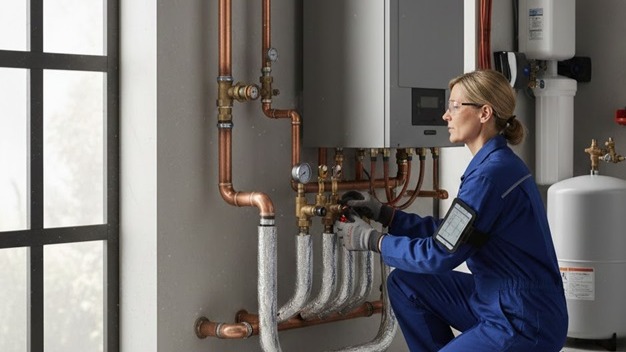
Hydronic heating systems maintenance represents the key to decades of reliable, efficient heating performance. Whilst hydronic systems inherently offer superior longevity compared to many alternatives, achieving their full potential requires consistent attention to critical components and system conditions. This comprehensive guide provides heating engineers, facilities managers, and property owners with practical hydronic heating servicing strategies ensuring systems deliver optimal comfort, efficiency, and reliability throughout their operational lifespan.
Understanding Hydronic System Maintenance Fundamentals
Effective maintenance begins with understanding why regular attention matters and which components require periodic inspection and servicing.
Why Regular Maintenance Matters
Efficiency preservation stands as perhaps the most compelling maintenance justification. Well-maintained hydronic systems achieve seasonal efficiency ratings of 85-92%, whilst neglected systems often drop to 70-75% through sludge accumulation, air entrainment, and component wear. This 15-20% efficiency degradation translates to substantially higher fuel costs year after year.
Reliability improvement follows naturally from consistent maintenance. Identifying and addressing minor issues before they cause failures prevents inconvenient breakdowns, particularly during cold weather when heating proves most critical. Hydronic heating systems maintenance schedules catch developing problems early, when repairs prove simpler and less expensive.
Safety assurance justifies maintenance investment through proper function of safety devices including pressure relief valves, low water cutoffs, and flame failure detection. Annual testing verifies these critical components operate correctly, protecting property and occupants. Cost prevention through maintenance proves dramatically more economical than reactive repairs, with annual servicing costing £100-200 preventing failures requiring £500-2,000 emergency repairs.
Key System Components Requiring Attention
Boilers and heat sources require annual professional inspection covering combustion efficiency, heat exchanger condition, and safety device function. Remeha boilers particularly benefit from manufacturer-trained technicians performing specified maintenance procedures.
Circulation pumps need periodic inspection verifying proper operation, checking electrical connections, and monitoring performance. Modern variable-speed circulators from manufacturers like Grundfos require minimal maintenance but benefit from annual functional testing ensuring optimal efficiency.
Heat emitters including radiators require periodic bleeding removing accumulated air, external cleaning maintaining appearance, and occasional internal flushing addressing sludge accumulation. Thermostatic radiator valves need testing and cleaning ensuring proper temperature control.
Water quality determines long-term system health more than any other factor. Regular testing and maintenance of proper inhibitor concentrations prevents corrosion whilst magnetic filter cleaning removes circulating debris protecting components.
Annual Professional Servicing
Professional hydronic heating servicing addresses tasks requiring specialised tools, training, and expertise beyond typical owner capabilities.
Boiler Service and Inspection
Combustion analysis and tuning optimise fuel-air ratios, maximising efficiency whilst minimising emissions. Gas Safe registered engineers use electronic flue gas analysers measuring carbon dioxide, oxygen, and carbon monoxide levels, adjusting burner settings achieving optimal combustion.
Heat exchanger inspection identifies scale accumulation, corrosion, or soot deposits reducing efficiency. Condensing boilers particularly benefit from heat exchanger inspection since blockages dramatically impact condensing performance. Professional cleaning restores original efficiency when deposits found.
Safety device testing verifies proper operation of pressure relief valves, gas valves, flame failure devices, and overheat protection. These critical components must function reliably, making annual verification essential for safe operation. Flue and ventilation verification ensures proper combustion air supply and safe exhaust gas removal.
Pump and Control System Testing
Performance verification measures pump flow rates and pressure rises against specifications. Worn pumps lose efficiency and capacity, requiring replacement restoring proper circulation. Electrical connection inspection ensures tight terminals and proper grounding preventing fires and equipment damage.
Control system testing includes thermostat calibration ensuring accurate temperature sensing, zone valve operation verification, and programmer function confirmation. Modern programmable controls offer sophisticated features requiring periodic checking ensuring proper configuration. Sensor accuracy checking tests temperature sensors and pressure transducers providing system feedback.
Monthly Owner Inspections
Regular owner inspections between professional service visits identify developing problems enabling prompt intervention before minor issues escalate.
Visual Checks
Pressure gauge monitoring tracks system pressure daily or weekly. Steady pressure around 1.0-1.5 bar indicates proper operation, whilst gradual pressure loss suggests leaks requiring investigation. Rapid pressure changes indicate expansion vessel or relief valve problems needing immediate attention.
Leak detection involves inspecting visible pipework, radiator valves, pump connections, and boiler areas for moisture signs. Catching leaks early minimises water damage and prevents pressure-related system shutdowns. Heat output verification ensures all radiators warm properly and spaces reach comfortable temperatures, with cold radiators indicating circulation problems or valve failures.
Basic System Tests
Thermostat response checking verifies proper boiler firing when temperatures drop below setpoints. Delayed response or non-operation indicates control system problems requiring troubleshooting. Zone operation verification tests individual zone thermostats confirming proper heating activation for each area, preventing energy waste heating unnecessary spaces.
Water Quality Management
Water chemistry profoundly impacts system longevity, making hydronic heating systems maintenance of proper water conditions essential for extended component life.
Importance of Clean Water
Corrosion prevention protects boilers, pipes, radiators, and pumps from oxidation damage. Untreated water causes rapid corrosion, particularly in mixed-metal systems combining copper, steel, and aluminium components. Proper inhibitor concentration prevents this damaging process.
Efficiency maintenance depends on clean water preventing sludge and scale accumulation. Magnetite sludge settling in radiators and pipe bottoms restricts flow and insulates heat transfer surfaces. Scale deposits on boiler heat exchangers dramatically reduce efficiency requiring higher firing rates. Component longevity extends dramatically in properly treated systems, with boilers in clean systems often exceeding 20 years.
Inhibitor Testing and System Flushing
Testing procedures use simple test strips or sophisticated titration methods measuring inhibitor concentrations. Annual testing confirms protection remains adequate, with results guiding dosing decisions. Concentration requirements vary by system volume and water hardness, with manufacturers specifying dosing rates achieving target concentrations of 3-5% inhibitor.
Powerflush procedures use high-velocity water flow and chemical cleaning agents removing stubborn deposits. Professional equipment generates flow velocities impossible through normal circulation, dislodging years of accumulated sludge. Wilo pumps used in powerflushing equipment provide the pressure required for effective cleaning.
Filter maintenance involves monthly cleaning of magnetic system filters capturing circulating metallic debris. Regular filter inspection prevents accumulation reducing flow and damaging pumps. Central heating pumps particularly benefit from upstream filtration removing abrasive particles.
Radiator and Heat Emitter Maintenance
Heat emitters require periodic attention maintaining heat transfer efficiency and aesthetic appearance through hydronic heating servicing protocols.
Radiator Bleeding
Bleeding frequency depends on system tightness and water treatment, with new or recently filled systems requiring monthly bleeding initially. Established systems typically need bleeding once or twice annually, usually before heating season starts.
Proper techniques involve opening radiator bleed valves with appropriate keys whilst holding cloths catching expelled water. Continue bleeding until steady water flow appears without air bubbles. Always check system pressure after bleeding, topping up as necessary. Air accumulation causes stem from water treatment inadequacies, system leaks drawing air inward, or inadequate venting during filling.
Radiator Cleaning and Valve Maintenance
External cleaning maintains appearance and maximises convection efficiency. Dust accumulation on radiator surfaces and between panels reduces heat output whilst creating unsightly appearance. Vacuum cleaners with brush attachments or specialised radiator brushes effectively remove debris.
Thermostatic valve maintenance involves testing valve operation annually by manually adjusting through their range, feeling for smooth movement. Many valves benefit from removing thermostatic heads and cleaning moving components, ensuring free movement. Replacement indicators include stuck valves refusing to open or close, leaking valve bodies, and valves failing to maintain set temperatures.
Expansion Vessel and Pressure Management
Pressure control components require regular attention maintaining system safety and reliability through hydronic heating systems maintenance procedures.
Expansion Vessel Inspection
Precharge pressure testing verifies expansion vessels maintain proper air cushion. Test with system depressurised, connecting pressure gauge to vessel valve. Precharge should match approximately 0.3 bar below cold fill pressure, typically 0.5-0.8 bar. Membrane condition assessment involves checking for waterlogged vessels losing precharge immediately after pressurising.
Replacement indicators include vessels losing precharge repeatedly, waterlogging symptoms, or external corrosion damage. Expansion vessels typically last 10-15 years but may fail earlier in aggressive conditions.
Pressure Relief Valve Testing
Operation verification involves briefly lifting valve test levers checking for free movement and water discharge. Annual testing confirms valves haven't seized, ensuring proper operation if excess pressure develops. Replacement timing follows manufacturer recommendations, typically every 5-10 years even without obvious problems. Safety devices demand conservative replacement policies ensuring reliability.
Pump Maintenance and Optimisation
Circulation pumps require attention maintaining efficiency and reliability throughout their operational life.
Pump Performance Monitoring
Flow rate verification ensures pumps deliver design flow quantities. Measuring temperature differential between flow and return indicates flow rate changes - increasing differentials suggest reduced flow requiring investigation. Power consumption tracking using energy monitors identifies efficiency degradation, with increasing electrical consumption indicating bearing wear or control problems.
When to Replace Pumps
Performance degradation signs include reduced flow rates despite proper speed settings, increasing noise levels, and chronic seal leakage. These symptoms indicate approaching end-of-life warranting replacement consideration. Energy efficiency considerations favour replacement when older pumps waste substantial electricity compared to modern A-rated alternatives. Grundfos Alpha circulators exemplify modern efficiency, consuming 80% less electricity than older constant-speed pumps.
Control System Maintenance
Control sophistication directly impacts comfort and efficiency, justifying regular hydronic heating servicing attention ensuring optimal operation.
Thermostat Calibration
Accuracy verification compares thermostat readings against calibrated thermometers placed adjacent. Discrepancies exceeding 1-2°C warrant calibration adjustment or replacement. Location assessment ensures thermostats mount in representative locations free from drafts, direct sunlight, and heat sources.
Programming review confirms schedules match current occupancy patterns and seasonal requirements. Updating programmes for daylight saving changes and altered routines maintains comfort whilst minimising energy waste.
Smart Control Updates
Firmware updates address security vulnerabilities, fix bugs, and add features. Regular update checking ensures systems benefit from manufacturer improvements. Connectivity verification confirms reliable communication between system components and cloud services, preventing remote access problems.
Seasonal Maintenance Tasks
Seasonal hydronic heating systems maintenance ensures systems transition smoothly between operational and idle periods.
Pre-Winter Preparation
System pressure checking verifies proper levels before heating season. Top up pressure if below specification, investigating any significant pressure loss since previous season. Boiler function testing confirms proper ignition, smooth operation, and adequate heat output before cold weather makes heating essential. Radiator bleeding removes summer-accumulated air ensuring full heat output from season start.
Spring Maintenance
End-of-season inspection reviews system performance, noting any developing problems requiring summer attention. Spring provides excellent timing for major work avoiding heating season disruptions. Efficiency assessment evaluates fuel consumption against degree days, identifying any degradation warranting investigation. Planning summer work schedules major maintenance, component replacements, and upgrades whilst heating remains unnecessary.
Record Keeping and Common Mistakes
Comprehensive maintenance documentation supports troubleshooting, warranty compliance, and system optimisation.
Maintenance Documentation
Service date tracking records all maintenance activities creating valuable service history. Document dates, work performed, and technicians completing service. Parts replacement history tracks component installations enabling lifespan monitoring and replacement scheduling. Performance measurements including pressures, temperatures, and efficiency calculations establish baseline data for trending.
Avoiding Common Errors
Over-pressurisation risks include pressure relief valve discharge, expansion vessel damage, and pump seal failures. Prevention strategies include understanding proper pressure ranges and careful filling procedures. Neglecting water quality causes long-term damage including heat exchanger failures and radiator corrosion, with replacement costs far exceeding water treatment expenses.
Preventive vs Reactive Maintenance
Investment in preventive hydronic heating servicing delivers superior returns compared to reactive repair approaches.
Cost-Benefit Analysis
Preventive maintenance investment including annual servicing and regular inspections typically totals £150-300 annually for residential systems. This investment maintains efficiency, prevents failures, and extends equipment life. Repair cost comparison shows average repair expenses for reactive maintenance approaching £500-800 annually including emergency service calls.
Lifecycle cost optimisation through preventive maintenance reduces total ownership costs 20-30% compared to reactive approaches. Better reliability, maintained efficiency, and extended equipment life deliver compelling value.
Professional Service Contracts
Service agreements provide structured maintenance approaches with various benefits. Priority scheduling ensures contract customers receive preferential appointment timing, particularly valuable during heating season. Cost predictability through fixed annual fees enables budget planning without surprise expenses.
Qualifications verification ensures technicians hold appropriate certifications including Gas Safe registration for gas work. National Pumps and Boilers maintains qualified engineers holding relevant certifications supporting residential and commercial hydronic systems. Experience assessment evaluates contractor familiarity with specific system types, as hydronic expertise differs from forced air knowledge.
Conclusion
Hydronic heating systems maintenance delivers exceptional returns through preserved efficiency, prevented failures, extended equipment life, and maintained comfort. Consistent attention to critical components using systematic approaches ensures systems achieve their full potential reliability throughout decades of service.
Success requires balancing professional servicing addressing complex technical requirements with routine owner inspections identifying developing problems early. This partnership between professional expertise and attentive ownership delivers optimal maintenance outcomes.
For comprehensive hydronic heating servicing programmes tailored to specific system requirements, contact us to discuss professional maintenance support with experienced engineers. Expert servicing protects system investment, ensures reliable comfort, and maximises efficiency throughout your heating system's operational life.