

Maintaining Thermal Storage Systems for Optimal Performance
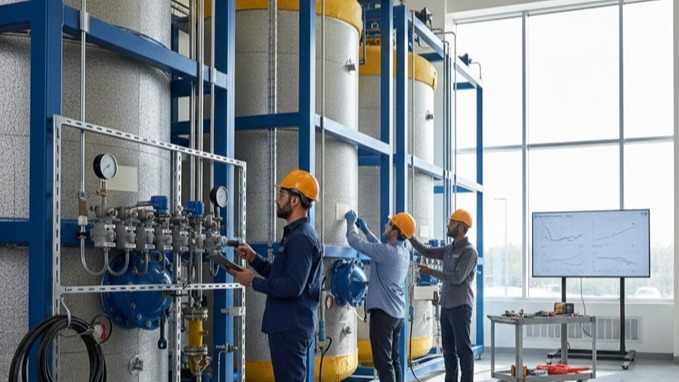
Proper thermal storage maintenance ensures commercial and industrial facilities achieve maximum energy savings, system reliability, and equipment longevity. Neglected systems experience declining efficiency, unexpected failures, and costly repairs that undermine the financial benefits of thermal energy storage. This comprehensive guide outlines essential maintenance procedures and monitoring strategies that preserve thermal storage performance throughout system lifespans.
Understanding Thermal Storage System Components
Key Components Requiring Regular Maintenance
Thermal storage maintenance encompasses multiple interconnected systems demanding attention. Storage tanks and vessel integrity form the foundation, requiring periodic inspection for corrosion, leaks, and structural issues. Tank surfaces, connections, and supports need examination to identify potential problems before catastrophic failures occur. Interior surfaces may develop scale, sediment, or corrosion affecting water quality and heat transfer efficiency.
Circulation pumps and motors drive system operation, moving large volumes of water through charging and discharging cycles. These mechanical components experience wear from continuous operation, demanding regular lubrication, alignment checks, and performance monitoring. Motor bearings, shaft seals, and impellers gradually degrade, requiring replacement to maintain efficiency and prevent failures. Lowara pumps deliver reliable performance in thermal storage applications when properly maintained.
Control systems and sensors provide the intelligence directing system operation. Temperature sensors lose calibration over time, causing control errors and reduced performance. Pressure transducers, flow metres, and level switches similarly require periodic testing and adjustment. Control panel components including relays, contactors, and circuit boards may fail unexpectedly, necessitating spare parts inventory and rapid response procedures.
Valves and piping connections throughout systems regulate flows, isolate equipment, and provide service access. Valve actuators may malfunction, seats may leak, or packing may deteriorate allowing external leaks. Piping joints, flanges, and threaded connections gradually work loose or corrode, developing leaks that waste energy and potentially damage surrounding areas.
How Maintenance Affects Thermal Storage Performance
Energy efficiency implications of deferred thermal storage maintenance become significant over time. Small leaks waste heated or chilled water, forcing equipment to run longer compensating for losses. Poor insulation increases standby heat gain or loss, reducing effective storage capacity and raising operating costs. Fouled heat transfer surfaces in tanks or heat exchangers decrease thermal efficiency, demanding more energy input to achieve equivalent results.
System reliability and uptime directly impact facility operations and occupant comfort. Unexpected equipment failures during peak demand periods eliminate thermal storage benefits, potentially causing building temperature problems or production disruptions. National Pumps and Boilers provides emergency service support for thermal storage systems experiencing critical failures, but proactive maintenance prevents most emergency situations.
Equipment lifespan extension represents a major financial benefit of consistent maintenance programmes. Properly maintained pumps, controls, and tanks routinely achieve 20-30 year service lives, whilst neglected systems may fail within 10-15 years. Replacement costs for major components can reach tens of thousands of pounds, making preventive maintenance highly cost-effective compared to premature equipment replacement.
Daily and Weekly Maintenance Tasks
Visual Inspections
Checking for leaks or moisture represents the most fundamental daily thermal storage maintenance activity. Operators should walk around tanks, pumps, and piping looking for water puddles, damp insulation, or active drips. Early leak detection enables quick repairs before minor issues cause significant damage or efficiency losses. Moisture on cold pipes may indicate condensation from damaged vapour barriers rather than actual leaks, but both conditions require prompt attention.
Monitoring pressure gauges and temperature readings throughout systems identifies abnormal operating conditions. Operators should compare current readings against established baselines, investigating any significant deviations. Unexpected pressure changes may indicate valve problems, air locks, or system leaks. Temperature variations could signal control malfunctions, stratification problems, or heat exchanger issues affecting thermal storage performance.
Observing pump operation and unusual noises helps detect developing mechanical problems. Pumps should run smoothly without excessive vibration, grinding sounds, or cavitation noise. Bearing wear often announces itself through high-pitched squealing or rumbling sounds before complete failure occurs. Central heating pumps in thermal storage service should maintain consistent performance without unusual operational characteristics.
Performance Monitoring
Reviewing system data logs reveals trends and anomalies requiring investigation. Modern building management systems record temperatures, pressures, flow rates, and energy consumption at regular intervals. Analysing this data identifies gradual performance degradation that might go unnoticed during casual observation. Declining efficiency may result from fouling, leaks, control drift, or component wear - all addressable through targeted maintenance before major failures occur.
Tracking charging and discharging cycles confirms systems maintain design capacity. Incomplete charging may indicate insufficient off-peak time, equipment limitations, or control problems. Premature discharge depletion suggests undersized storage, excessive building loads, or thermal losses exceeding design assumptions. Documentation of cycle performance over time quantifies system effectiveness and justifies maintenance investments.
Identifying efficiency trends enables proactive responses to developing issues. Gradual increases in energy consumption per unit of stored capacity may signal insulation deterioration, stratification degradation, or component inefficiency. Monthly or quarterly comparisons against baseline performance reveal whether systems maintain expected savings or require corrective actions to restore optimal operation.
Monthly Maintenance Procedures
Pump and Motor Maintenance
Lubrication requirements for pump bearings and motor components follow manufacturer specifications. Over-lubrication can damage seals and bearings, whilst under-lubrication causes premature wear and failure. Operators should use specified lubricant types and quantities at recommended intervals, typically monthly or quarterly depending on operating hours and environmental conditions. Grundfos pumps feature sealed bearings requiring minimal maintenance, though periodic checks remain important.
Bearing inspection and replacement prevents catastrophic pump failures. Operators should check for excessive play, rough rotation, or temperature elevation indicating bearing wear. Vibration analysis instruments detect bearing degradation before failures occur, enabling planned replacements during scheduled maintenance periods rather than emergency repairs during critical operating times.
Vibration analysis for early fault detection identifies developing mechanical problems including unbalanced impellers, misaligned shafts, worn bearings, or foundation issues. Regular vibration measurements establish baseline signatures for comparison. Significant changes indicate problems requiring investigation and correction. This predictive maintenance approach prevents unexpected failures whilst optimising repair timing and costs.
Valve Testing and Adjustment
Checking valve operation and actuation ensures isolation valves, control valves, and safety devices function properly when needed. Manual valves should operate smoothly without excessive force or binding. Automated valves should respond correctly to control signals, opening and closing fully within specified times. Stuck or sluggish valves may indicate corrosion, debris, or actuator problems requiring prompt attention to maintain thermal storage performance.
Cleaning strainers and filters throughout systems prevents debris accumulation that reduces flows and damages downstream equipment. Monthly inspection reveals contamination rates guiding cleaning frequency adjustments. Clogged strainers increase pump power consumption and may cause cavitation or overheating. Proper strainer maintenance protects pumps, heat exchangers, and control valves from damage caused by debris in system water.
Calibrating control valves maintains accurate flow regulation essential for optimal system operation. Valve positioners should track control signals precisely, adjusting flows to match system demands. Periodic calibration checks verify response accuracy and identify drift requiring adjustment or replacement. Properly calibrated pump valves ensure efficient system operation and precise temperature control.
Insulation Inspection
Identifying damaged or deteriorated insulation prevents energy losses and condensation problems. Monthly visual inspections should examine all insulated surfaces for torn jacketing, compressed material, or missing sections. Physical damage from maintenance activities or normal wear exposes insulation to moisture and reduces effectiveness. Prompt repairs maintain thermal efficiency and prevent larger problems.
Checking for moisture intrusion through insulation systems protects against accelerated degradation and mould growth. Moisture within insulation drastically reduces thermal resistance whilst promoting corrosion of underlying pipes and tanks. Sources include damaged vapour barriers, leaking joints, or condensation from improperly sealed penetrations. Addressing moisture issues quickly prevents extensive insulation replacement and potential equipment damage.
Repairing or replacing compromised sections maintains thermal storage maintenance effectiveness. Small repairs using appropriate materials and techniques restore thermal performance at minimal cost. Extensive damage may require complete insulation replacement, particularly when moisture saturation has occurred. Expansion vessels connected to thermal storage systems also require insulation inspection and maintenance to prevent heat losses.
Quarterly and Annual Maintenance
Tank Interior Inspection
Scheduled internal inspections provide direct assessment of tank condition and water quality. Annual or biennial inspections depend on water chemistry, operating temperatures, and system age. Confined space entry procedures must be followed rigorously, including atmospheric testing, ventilation, and standby personnel. Interior examinations identify corrosion, scale formation, sediment accumulation, and coating deterioration requiring remediation.
Checking for sediment buildup reveals water quality problems and circulation inefficiencies. Sediment settles at tank bottoms, insulating surfaces and reducing effective storage volume. Sources include corrosion products, scale particles, and biological growth. Regular drainage and cleaning during scheduled inspections prevent excessive accumulation interfering with temperature sensors and reducing heat transfer.
Corrosion assessment and treatment extend tank service life. Visual examination identifies pitting, general corrosion, or coating failures exposing base metal. Ultrasonic thickness testing quantifies remaining wall thickness, determining whether continued service is safe or replacement necessary. Appropriate corrosion treatments including coatings, cathodic protection, or water chemistry adjustments prevent accelerated deterioration.
Water Quality Management
Testing water chemistry parameters ensures conditions remain within acceptable ranges for system materials and efficiency. Key measurements include pH, alkalinity, hardness, chlorides, and dissolved oxygen. Out-of-range parameters promote corrosion, scaling, or biological growth affecting thermal storage performance. Quarterly testing provides early warning of developing water quality issues requiring corrective action.
Treatment chemical adjustments maintain proper water conditions. Corrosion inhibitors protect steel components from oxidation. Scale inhibitors prevent calcium carbonate or other mineral deposits from forming on heat transfer surfaces. Biocides control bacterial and algae growth that may foul systems or present health risks. Chemical treatment programmes require professional oversight ensuring proper dosing and regulatory compliance.
Preventing scale and biological growth protects system efficiency and safety. Scale formation insulates heat transfer surfaces, reduces flow areas in piping, and provides harbourage for bacteria including Legionella. Pressurisation units must be maintained free of scale to function properly. Biological growth can plug filters, corrode metals, and create health hazards particularly in systems connected to domestic hot water applications.
Control System Calibration
Sensor accuracy verification ensures reliable data for system operation. Temperature sensors should be checked against calibrated reference instruments at multiple temperatures spanning normal operating ranges. Deviations exceeding ±0.5°C may require recalibration or replacement. Pressure transducers, flow metres, and level sensors similarly need periodic verification maintaining measurement accuracy essential for optimal control.
Programming updates and optimisation incorporate operating experience and evolving building requirements. Control sequences developed during design may benefit from refinement based on actual system behaviour. Software updates from control system manufacturers address bugs and add features improving functionality. Seasonal programming adjustments optimise charging schedules and setpoints as weather patterns and building loads change throughout the year.
Backup system testing confirms redundancy provisions function when needed. Battery backups for control systems should be tested under load conditions simulating power failures. Programming backups stored securely off-site enable rapid restoration after control failures or corruption. Communications redundancy ensures continued monitoring and control during network disruptions. Regular testing of backup systems prevents unpleasant surprises during actual emergencies.
Predictive Maintenance Strategies
Monitoring Technologies
Temperature and pressure trending identifies developing problems before failures occur. Automated data collection and analysis detect gradual changes indicating component degradation or system issues. Trending reveals seasonal patterns, load variations, and efficiency changes over time. Deviations from expected patterns trigger investigations determining whether adjustments or maintenance interventions are needed.
Energy consumption analysis compares actual usage against baseline predictions. Increasing energy consumption for equivalent thermal storage capacity suggests efficiency losses requiring investigation. Potential causes include insulation degradation, pump wear, control problems, or fouling of heat transfer surfaces. Identifying and correcting efficiency issues maintains economic benefits justifying thermal storage maintenance investments.
Thermal imaging for heat loss detection reveals insulation failures invisible during visual inspections. Infrared cameras identify hot or cold spots indicating missing, compressed, or moisture-damaged insulation. Regular thermal surveys, particularly on large systems, detect problems early enabling targeted repairs before extensive losses occur. External tank and piping surveys should be conducted annually or following suspected damage events.
Early Warning Signs
Declining efficiency indicators provide advance warning of developing problems. Metrics such as energy stored per kilowatt-hour consumed, peak demand reduction achieved, or operating cost savings should maintain consistent values over time. Gradual deterioration suggests maintenance needs that, if addressed promptly, prevent expensive failures and restore optimal performance.
Unusual operating patterns may indicate control problems, equipment malfunctions, or changing building characteristics. Frequent cycling, incomplete charging, premature discharge, or temperature control deviations warrant investigation. Root cause analysis determines whether programming adjustments, equipment repairs, or system modifications are needed to restore proper operation and maintain thermal storage performance.
Component wear indicators help predict remaining service life enabling proactive replacement planning. Bearing vibration trends, motor current signatures, and pump efficiency measurements reveal deterioration rates. Planning component replacements during scheduled maintenance periods minimises disruption and costs compared to emergency repairs after catastrophic failures.
Professional Maintenance Services
When to Call Specialists
Complex system diagnostics often exceed capabilities of general maintenance staff. Unusual problems, declining performance without obvious causes, or equipment failures of unclear origin may require specialised expertise. Thermal energy storage specialists possess diagnostic equipment, technical knowledge, and experience identifying and resolving challenging issues. Early specialist involvement prevents extended troubleshooting efforts and reduces downtime costs.
Major component repairs or replacements typically require professional services. Tank repairs, pump rebuilds, or control system upgrades demand specialised tools, skills, and safety procedures. Attempting complex repairs without proper expertise risks further damage, safety incidents, or inadequate repairs failing prematurely. Qualified service providers complete repairs correctly the first time, minimising downtime and ensuring reliable long-term operation.
Annual comprehensive inspections by specialists provide independent verification of system condition and maintenance programme effectiveness. External experts identify issues overlooked during routine maintenance whilst offering recommendations for improvements. Documentation from professional inspections supports warranty claims, regulatory compliance, and asset management decisions.
Maintenance Contracts and Support
Benefits of scheduled maintenance agreements include priority service, predictable costs, and comprehensive coverage. Contracts ensure regular inspections and maintenance occur on schedule rather than being deferred during busy periods. Service providers maintain detailed records of system condition, repairs, and parts replacement guiding future maintenance planning. Priority emergency response provisions minimise downtime when unexpected failures occur.
Emergency service availability provides peace of mind and rapid response during critical failures. Thermal storage system problems during peak demand periods severely impact building operations and occupant comfort. Twenty-four hour emergency service ensures qualified technicians respond quickly, diagnose problems accurately, and implement solutions restoring operations. Facilities with critical thermal storage needs should verify emergency service capabilities before problems arise.
Long-term cost savings from comprehensive maintenance programmes far exceed service costs. Preventive maintenance reduces energy consumption, extends equipment life, and prevents major failures requiring expensive emergency repairs. Well-maintained systems achieve 20-30% longer service lives compared to minimally maintained installations. Lower operating costs, fewer disruptions, and enhanced reliability provide excellent returns on maintenance investments.
Consistent thermal storage maintenance preserves system efficiency, reliability, and longevity whilst maximising energy savings and operational benefits. Implementing comprehensive maintenance programmes encompassing daily monitoring, periodic inspections, water quality management, and professional support ensures thermal storage systems deliver expected thermal storage performance throughout their design lives. For professional maintenance services and support, contact us to discuss requirements and develop customised maintenance programmes protecting valuable thermal energy storage investments.