

Maintenance Cost Factors in Long-Term Pump Ownership
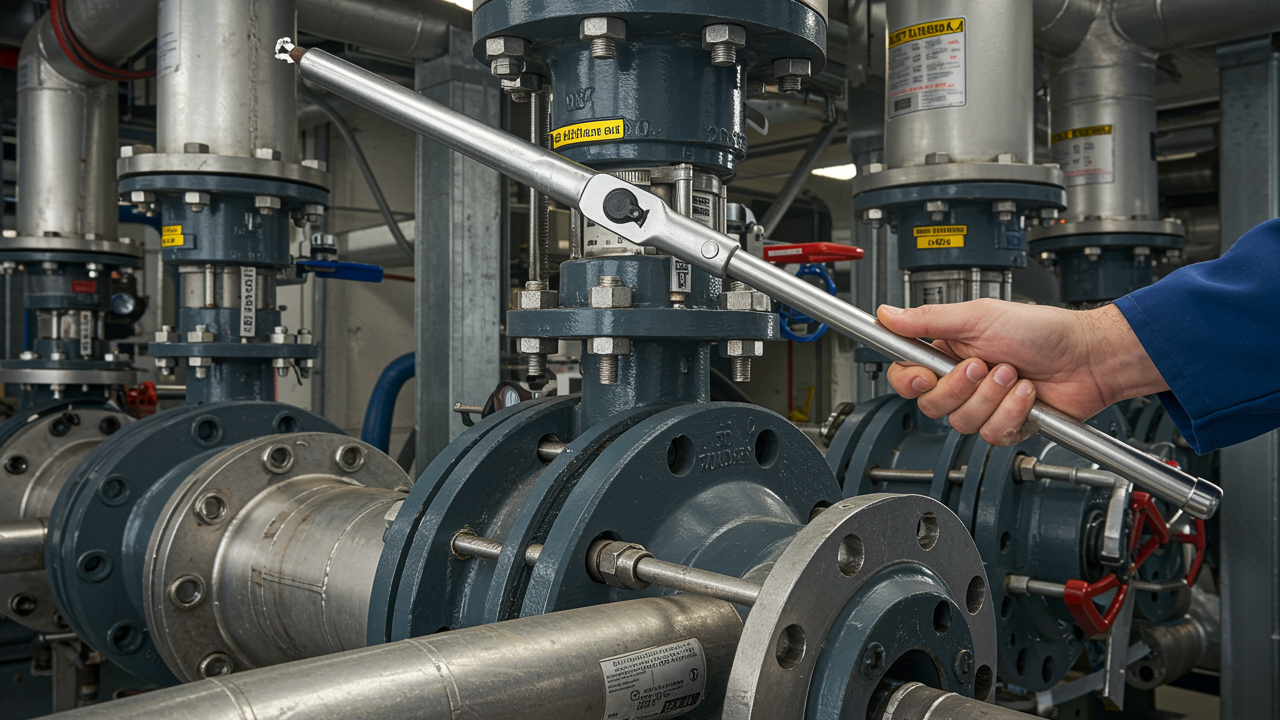
Pumps represent one of the highest energy-consuming assets in commercial heating and plumbing systems, yet energy costs tell only part of the ownership story. Over a typical 15-20 year operational lifespan, maintenance cost often exceeds the initial capital investment - sometimes by a factor of three or more. Understanding the true drivers of maintenance cost determines whether a pump delivers value or becomes a financial burden.
National Pumps and Boilers supplies commercial and domestic pumping equipment across the UK, and the patterns are clear: facilities that treat maintenance as reactive firefighting spend 40-60% more over the asset lifecycle than those following structured preventive schedules. The difference isn't just about fixing failures - it's about understanding which cost factors matter most and where investment delivers genuine returns.
Initial Equipment Quality and Maintenance Cost Trajectory
The relationship between purchase price and long-term maintenance cost follows a predictable curve, though not the linear one many specifiers assume. A Grundfos pump costing £1,200 versus a budget alternative at £600 doesn't simply halve maintenance expenses - it typically reduces them by 65-75% over ten years through superior bearing design, seal longevity, and component accessibility.
Design Engineering for Serviceability
Premium manufacturers engineer maintenance into the design phase. Cartridge-style mechanical seals that swap out in 20 minutes versus units requiring complete pump disassembly fundamentally alter labour costs. When a heating engineer charges £75-95 per hour, that design difference adds up to £200-300 per seal replacement across the pump's operational life.
Bearing quality provides another clear example. Ceramic hybrid bearings in high-specification circulators extend service intervals from 18-24 months to 48-60 months compared to standard steel variants. The bearing cost differential might be £45, but avoiding two additional service visits saves £300-400 in labour and system downtime.
Material Selection Impact
Material selection in wetted components directly impacts corrosion resistance and wear rates. Cast iron housings with bronze impellers handle typical system water chemistry for decades, whilst cheaper composite materials may require replacement within 5-7 years as chemical additives degrade polymer structures. The housing replacement alone costs more than the initial price difference between quality tiers.
System Integration and Operational Stress
Pumps don't fail in isolation - they fail because system conditions exceed design parameters. Undersized expansion vessels create pressure cycling that hammers seals and bearings. Inadequate water treatment allows magnetite accumulation that scores impellers and blocks clearances. Poor pipework design introduces cavitation that erodes components at accelerated rates.
Operating Within Design Parameters
A correctly sized pump operating within its duty curve experiences predictable wear patterns. The same unit forced to run at flow rates 30% beyond its design point might see seal life drop from 36 months to 14 months, and bearing replacement intervals halve. The maintenance cost doesn't increase linearly with operational stress - it accelerates exponentially as components operate outside engineered tolerances.
Water Quality Impact on Maintenance
System water quality represents the single largest variable cost factor. Untreated or poorly treated systems generate corrosion products that act as abrasive slurry, grinding away clearances and sealing faces. A commercial building with proper water treatment and filtration typically spends £180-250 annually on pump servicing expenses per unit. The same building without treatment averages £650-900 per pump, with frequent unplanned failures adding emergency callout premiums.
Temperature cycling in systems with a poor control strategy accelerates thermal expansion and contraction, fatiguing seals and gaskets. A pump experiencing 50+ thermal cycles daily (common in poorly commissioned systems) requires seal replacement 2-3 times more frequently than identical units in stable temperature environments. The mechanical seal itself costs £85-140, but the labour and system drain-down adds another £200-280 per replacement.
Labour Costs and Accessibility Design
Maintenance labour represents 60-70% of total servicing expense across typical commercial installations. A seal replacement requiring four hours of work at £85/hour costs £340 in labour versus £95 for the component - yet many specifications focus entirely on parts pricing whilst ignoring the accessibility factors that drive labour time.
Installation Design Impact
Pump location and installation design dramatically affect service efficiency. A circulator mounted in a plant room with 600mm clearance on all sides, isolation valves fitted correctly, and drain points accessible takes 90 minutes to service. The identical pump buried behind pipework, requiring partial system drain-down and scaffolding access, consumes 4-5 hours of labour. Over 15 years with 8-10 service interventions, that design difference costs an additional £4,000-5,500 per pump.
Modular Component Design
Modular component design separates premium from budget equipment. Wilo pumps with cartridge seal assemblies and quick-release motor mounts enable seal replacement without removing the pump from the line - a 45-minute job versus 3-4 hours for traditional designs requiring complete pump removal. The time saving translates directly to cost reduction, particularly for facilities teams managing multiple units.
Documentation Quality
Documentation quality affects diagnostic time and parts ordering accuracy. Manufacturers providing detailed service manuals with exploded diagrams and part numbers enable faster fault identification and first-time-fix rates above 90%. Poor documentation extends diagnostic time, increases incorrect part orders, and requires multiple site visits - each adding £300-450 to the maintenance cost per incident.
Spare Parts Availability and Pricing Models
Parts availability determines whether a failure costs £400 or £4,000. A mechanical seal available from stock for next-day delivery at £95 enables rapid repair with minimal downtime. The same seal on 4-6 week backorder forces temporary equipment hire, extended system shutdown, or emergency substitution with non-optimal alternatives - any of which multiplies costs significantly.
Distribution Networks and Stock Holdings
Manufacturers with UK-based parts distribution and comprehensive stock holdings reduce the total cost of ownership through faster restoration of service. National Pumps and Boilers maintains parts inventory for major brands, including Grundfos, Wilo, and Lowara pumps, enabling same-day dispatch for common service components and 48-72 hour delivery for specialist items.
Parts Pricing Structures
Parts pricing structures vary considerably between manufacturers. Some operate standardised pricing with published parts lists, whilst others use dynamic pricing that fluctuates with demand. A bearing assembly might cost £65 from one manufacturer and £180 for the equivalent component from another, despite similar performance specifications. Over 15-20 years, these differences compound into thousands of pounds per pump.
Obsolescence Risk
Obsolescence risk increases with niche or discontinued models. A pump from a manufacturer with 20+ yearsof parts support commitment protects against forced premature replacement. Equipment from suppliers who discontinue parts support after 7-10 years creates situations where a £300 component failure forces complete pump replacement at £1,800-2,400 because the part no longer exists.
Seal and Bearing Standardisation
Seal and bearing standardisation matters more than many specifiers recognise. Pumps using industry-standard mechanical seals (Burgmann, John Crane, or equivalent) enable parts sourcing from multiple suppliers, maintaining competitive pricing and availability. Proprietary seal designs lock facilities into a single-source supply with whatever pricing and availability that manufacturer offers.
Energy Efficiency and Maintenance Interaction
Declining pump efficiency signals developing maintenance issues long before catastrophic failure occurs. A circulator drawing 180W at commissioning that gradually increases to 240W over 24 months indicates bearing wear, impeller damage, or seal drag - all requiring intervention before complete failure.
Performance Monitoring Benefits
Monitoring energy consumption provides early warning of maintenance needs, enabling planned interventions during scheduled shutdowns rather than emergency repairs during peak demand. Facilities tracking pump power draw reduces unplanned maintenance by 40-55% compared to those operating on run-to-failure strategies.
Variable Speed Drive Impact
Variable speed drives extend mechanical component life by eliminating start-stop cycling and reducing operational stress during part-load conditions. A pump with VFD control typically achieves 25-35% longer bearing life and 30-40% extended seal life compared to fixed-speed operation. The drive itself requires maintenance, but the net effect reduces total maintenance cost by 15-20% over the asset lifecycle.
Efficiency Degradation Costs
Efficiency degradation costs compound over time. A pump losing 10% efficiency through wear adds £120-180 annually in unnecessary energy costs whilst simultaneously indicating developing mechanical problems. Addressing the maintenance issue restores efficiency and prevents the escalating energy penalty - a double benefit that reactive maintenance strategies miss entirely.
Preventive Versus Reactive Maintenance Economics
The financial case for preventive maintenance appears obvious in theory, but requires discipline in practice. Annual servicing costs £280-350 per pump for commercial installations, whilst emergency repairs average £650-900 per incident. A facility running five commercial circulators on preventive schedules spends £1,400-1,750 annually; the same facility on reactive maintenance averages £3,200-4,500 with 2-3 failures per year.
Secondary Benefits of Planned Maintenance
Preventive maintenance delivers secondary benefits beyond direct cost comparison. Planned shutdowns occur during low-demand periods, minimising disruption. Parts arrive in advance rather than requiring emergency procurement. Technicians work during standard hours rather than premium-rate emergency callouts. These factors typically add 30-40% to reactive maintenance costs beyond the direct repair expense.
Service Interval Calibration
Service intervals require calibration to actual operating conditions rather than generic manufacturer recommendations. A pump in a clean, stable system with excellent water treatment might extend service intervals to 18-24 months safely. The identical pump in a harsh environment with poor water quality needs 6-12 months intervals. Facilities that adjust maintenance frequency based on operational reality optimise cost without compromising reliability.
Predictive Maintenance Technologies
Condition monitoring technologies enable predictive maintenance that targets interventions based on actual component condition rather than time intervals. Vibration analysis, thermal imaging, and performance trending identify developing issues 4-8 weeks before failure, enabling planned repairs during convenient windows. The monitoring equipment costs £800-1,500 per pump but reduces pump servicing expenses by 20-30% across facilities with 10+ units.
Lifecycle Cost Modelling for Specification Decisions
Total cost of ownership calculations should span 15-20 years and include all cost elements: capital purchase, installation, energy consumption, scheduled maintenance, unplanned repairs, spare parts, and eventual replacement. A pump costing £1,800 with £4,200 in maintenance over 15 years delivers better value than a £900 unit requiring £7,500 in maintenance over the same period.
Application-Specific Considerations
Discount rates and inflation assumptions affect the present value calculations but don't change the fundamental relationships. Premium equipment with lower maintenance requirements consistently delivers superior lifecycle economics in commercial applications operating 8,760 hours annually.
The calculation changes for intermittent-duty applications. A pump operating 500 hours annually might justify a lower initial specification because maintenance intervals stretch to 8-12 years and component wear progresses slowly. The same logic doesn't apply to continuous-duty commercial installations where maintenance cost dominates the economic equation.
Replacement Timing Decisions
Replacement timing decisions depend on the maintenance cost trajectory. When annual pump servicing expenses exceed 40-50% of replacement cost, economic logic favours capital investment in new equipment. A 14-year-old pump requiring £800-1,000 annually in maintenance makes little sense when a new unit costs £1,600 and resets the maintenance clock.
Conclusion
Maintenance cost determines the true value proposition of pumping equipment far more than purchase price. Over typical commercial lifespans, pump servicing expenses exceed initial capital investment by factors of two to four, with the multiple determined by equipment quality, system design, operational conditions, and maintenance strategy.
Premium manufacturers deliver lower lifecycle costs through superior component design, material selection, and serviceability engineering. System integration quality - water treatment, sizing accuracy, and control strategy - affects maintenance requirements as much as equipment selection. Preventive maintenance reduces total costs by 35-50% compared to reactive approaches whilst improving reliability and system performance.
Facilities seeking to optimise pump ownership costs should prioritise accessibility during installation, implement structured preventive maintenance, monitor performance for early fault detection, and select equipment from manufacturers with strong parts support and UK-based distribution.
Contact us for technical guidance on pump selection, maintenance scheduling, or lifecycle cost analysis for specific applications.