

Maintenance Tips for Air-to-Water Heat Pumps in Commercial Use
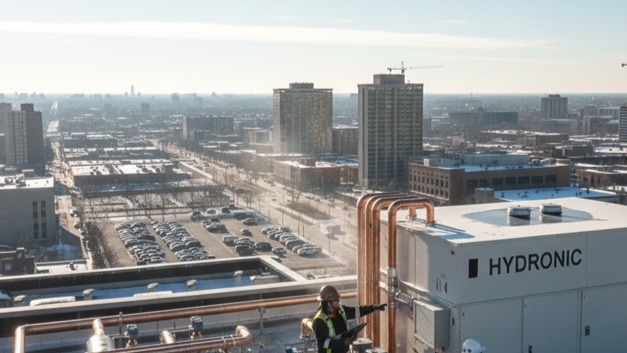
Regular maintenance forms the cornerstone of reliable, efficient operation for commercial air-to-water heat pump systems. Unlike domestic installations where occasional servicing may suffice, commercial applications demand rigorous preventative maintenance programmes to protect significant capital investments and ensure continuous operation. This comprehensive guide provides facility managers with practical heat pump maintenance strategies, inspection procedures, and troubleshooting approaches that maximise system lifespan whilst maintaining peak performance throughout the year.
Understanding Preventative Maintenance Requirements
Preventative maintenance prevents expensive breakdowns, maintains energy efficiency, and ensures compliance with regulatory requirements. Manufacturer service schedules typically specify annual professional inspections supplemented by routine checks facility staff can perform. Following these schedules protects warranty coverage - many manufacturers void warranties if service intervals are not maintained with documented evidence.
F-Gas regulations impose mandatory leak testing requirements based on refrigerant charge quantities. Systems containing more than 5 tonnes of CO2 equivalent (approximately 23kg of R410A refrigerant, common in commercial systems) require annual leak testing by qualified engineers. Larger systems face more frequent testing requirements - quarterly for systems above 500 tonnes CO2 equivalent. Electronic refrigerant registers track service history, leak testing results, and refrigerant additions or removals throughout equipment life.
Record-keeping extends beyond regulatory compliance, providing valuable operational intelligence. Detailed maintenance logs document system performance trends, recurring issues, and component replacement history. This information proves invaluable when troubleshooting problems, planning budgets for component replacements, or evaluating system performance against expectations. Establish comprehensive documentation practices from initial commissioning onwards.
Service contracts with qualified providers ensure maintenance receives appropriate priority rather than becoming an afterthought. Comprehensive contracts typically include scheduled preventative visits, emergency breakdown cover, parts and labour costs, and priority response times. Budget-conscious operations may opt for time-and-materials arrangements, though these risk higher costs during emergencies and may not provide the same response urgency.
Daily and Weekly Operational Checks
Facility staff should perform basic visual inspections during daily walkarounds. Check for unusual noises, vibrations, or visible leaks around equipment. Monitor temperature gauge readings confirming systems operate within normal ranges. Modern systems display operational parameters on integrated displays or building management system interfaces - review these regularly to identify developing problems before they cause failures.
Temperature differential across heat pumps indicates delivered heating capacity. Flow-return temperature differences typically range between 5-10°C depending on system design and operating conditions. Significant deviations from normal patterns suggest problems requiring investigation - reduced temperature differentials may indicate refrigerant charge issues or circulation flow problems, whilst excessive differentials suggest flow restrictions or control malfunctions.
Pressure gauges throughout hydraulic systems should display stable readings within expected ranges. System pressure typically sits between 1.0-2.5 bar cold, rising slightly when hot. Pressure drops indicate leaks requiring urgent attention. Pressure rises above relief valve settings suggest expansion vessel failures or excessive system fill. Address pressure abnormalities promptly to prevent equipment damage.
Air filters protecting outdoor heat exchanger coils require regular inspection and cleaning. Blocked filters restrict airflow, reducing capacity and efficiency whilst increasing compressor operating pressures that shorten equipment life. Clean filters monthly during leaf-fall seasons, quarterly during other periods. Establish filter cleaning schedules appropriate to local environmental conditions - facilities near trees, agriculture, or industrial areas face accelerated filter fouling.
Error codes displayed by modern control systems provide diagnostic information when problems occur. Record error codes and circumstances when they appear. Lowara pumps and other circulation equipment may also display fault codes requiring interpretation. Consult manufacturer documentation or contact service engineers for error code meanings and appropriate responses.
Seasonal Maintenance Procedures
Pre-heating season inspections prepare systems for winter demands. Schedule comprehensive checks during autumn before heating loads increase. Verify refrigerant charge, clean heat exchanger coils, inspect electrical connections, test controls and sensors, and confirm circulation pumps operate correctly. Addressing minor issues identified during pre-season inspections prevents mid-winter emergencies when building occupants depend on reliable heating.
Clean outdoor coils thoroughly before heating season commences. Accumulated dirt, leaves, pollen, and debris restrict airflow and reduce heat transfer efficiency. Use soft brushes or low-pressure water sprays to remove surface contamination. Avoid high-pressure washers that bend fins or force dirt deeper into coils. Chemical coil cleaners remove stubborn contamination but require careful application following product instructions.
Refrigerant charge verification ensures optimal performance. Manufacturers specify target superheat and subcool values for different operating conditions. Measure these parameters during seasonal inspections, adjusting refrigerant quantities if measurements fall outside acceptable ranges. Only qualified, F-Gas certified engineers should handle refrigerant adjustments - attempting DIY work risks equipment damage, environmental harm, and legal penalties.
Post-heating season maintenance during spring prepares systems for summer shutdown or cooling operation. Flush condensate drains to prevent algae growth during warmer months. Document system performance data from the heating season just concluded, comparing against previous years and design predictions. Performance deterioration indicates maintenance requirements or component wear requiring attention.
Annual Professional Service Requirements
Comprehensive annual service visits by qualified engineers maintain system reliability and regulatory compliance. Professional services include tasks beyond facility staff capabilities, requiring specialist equipment, technical knowledge, and F-Gas certification. Budget approximately £400-800 annually per system depending on capacity, complexity, and contract terms.
Refrigerant system inspection includes leak testing using electronic refrigerant detectors capable of identifying minute leaks. Bubble solution applied to suspect joints confirms leak locations. Measure refrigerant operating pressures and temperatures, comparing against manufacturer specifications. Oil level inspection through sight glasses (where fitted) confirms adequate compressor lubrication. Contaminated refrigerant exhibiting discolouration or acidity requires replacement to prevent compressor damage.
Electrical system testing verifies safe operation and identifies deteriorating components. Check electrical connections for tightness - vibration loosens connections over time, creating high-resistance joints that overheat. Measure current draw on all phases comparing against nameplate ratings and balanced loads. Test insulation resistance on motor windings using megohmmeter equipment - degraded insulation indicates motor deterioration requiring planning for replacement.
Pump valves throughout the system require inspection for wear, leakage, and smooth operation. Zone valves should move freely without binding. Isolation valves must seal completely when closed and open fully without restriction. Lubricate valve stems where manufacturer specifications permit. Replace worn valve seats and seals before leaks develop.
Control system functionality testing confirms sensors provide accurate readings and control logic operates correctly. Compare sensor readings against calibrated reference instruments, adjusting or replacing sensors showing significant errors. Test safety controls including high-pressure switches, low-pressure switches, and thermal overloads by simulating fault conditions. Verify control sequences operate as designed through complete operating cycles.
Hydraulic System Maintenance
Water quality profoundly affects heat pump and distribution system longevity. Corrosion, scaling, and biological growth in poorly maintained systems cause heat exchanger fouling, pump failures, and valve blockages. Test water pH annually - most systems operate best between pH 7.0-8.5. Acidic water (low pH) causes corrosion whilst alkaline water (high pH) promotes scaling. Add chemical treatment to maintain proper pH levels.
Corrosion inhibitors protect ferrous components from oxidation and non-ferrous components from galvanic corrosion. Test inhibitor concentration using manufacturer-supplied test kits. Replenish inhibitors as needed to maintain protective concentrations. Magnetic filters capture corrosion debris, keeping systems clean and protecting pump seals from abrasive particles. Clean magnetic filters annually, noting debris quantity as an indicator of corrosion rates.
Circulation pump maintenance varies by pump type. Modern variable-speed pumps typically run maintenance-free with sealed bearings requiring no lubrication. Older pumps may need periodic bearing lubrication following manufacturer schedules. Monitor pump performance through head-flow measurements confirming pumps deliver design flows. Excessive current draw indicates bearing wear or impeller damage requiring attention. DAB pumps popular in commercial systems offer reliable performance when properly maintained.
Expansion vessel pre-charge pressure requires annual verification. Connect pressure gauge to vessel air valve (after isolating vessel from system and draining water). Compare measured pressure against manufacturer specification - typically 0.3-0.5 bar below system fill pressure. Pressure loss indicates membrane failure or air valve leakage. Replace failed expansion vessels promptly to prevent pressure fluctuations that stress components and trigger safety devices.
Pressure relief valves require periodic testing to verify operation. Manually lift test levers annually whilst systems operate below maximum pressure - valves should discharge freely then seal completely when released. Leaking valves after testing indicate seat contamination or damage requiring replacement. Never cap or plug pressure relief valves - these critical safety devices prevent catastrophic over-pressure failures.
Heat Exchanger Maintenance
Heat exchanger efficiency directly impacts system performance and operating costs. Fouling from dirt, scale, or biological growth reduces heat transfer, forcing systems to work harder and consume more energy. Outdoor coils exposed to environmental contamination require regular cleaning. Indoor plate heat exchangers handling domestic hot water experience scaling in hard water areas, requiring periodic descaling.
Outdoor coil cleaning removes accumulated dirt, pollen, leaves, and airborne contaminants. Gentle cleaning methods preserve delicate aluminium fins whilst removing surface fouling. Soft brushes followed by low-pressure rinses typically suffice for routine cleaning. Stubborn contamination may require alkaline or acidic coil cleaning chemicals applied following product instructions. Rinse thoroughly after chemical cleaning to prevent residue build-up.
Bent fins restrict airflow even when coils appear clean. Straighten bent fins carefully using fin combs matched to fin spacing. Work systematically across coil surfaces, taking care not to damage fins further. Severely damaged coils may require professional straightening or replacement if damage is extensive. Protect coils from physical damage by maintaining adequate clearances and installing protective guards where accidental contact is likely.
Plate heat exchangers serving domestic hot water circuits accumulate scale deposits in hard water areas. Scale acts as insulation, reducing heat transfer efficiency and limiting hot water production. Descale plate heat exchangers every 2-3 years depending on water hardness and usage patterns. Descaling involves circulating acidic cleaning solutions through heat exchangers, dissolving calcium carbonate deposits. Only use cleaning chemicals approved by heat exchanger manufacturers to avoid damaging gaskets or brazed joints.
Control System Maintenance and Calibration
Temperature sensors throughout systems must provide accurate readings for proper control operation. Verify sensor accuracy annually by comparing readings against calibrated reference thermometers. Replace sensors showing errors exceeding ±0.5°C as inaccurate sensing causes poor comfort control and reduced efficiency. Outdoor sensors exposed to weather damage require more frequent inspection and replacement.
Pressure transducers monitoring system pressures require periodic calibration. Compare displayed pressures against calibrated gauge readings, adjusting zero and span settings as needed. Pressure sensor accuracy matters particularly for systems using pressure-based controls or diagnostic algorithms. Replace sensors that cannot be calibrated within acceptable tolerances.
Software updates from manufacturers address bugs, improve control algorithms, and add new features. Check manufacturer websites regularly for firmware updates applicable to your equipment. Follow update procedures carefully - failed updates can leave systems inoperable. Consider timing updates during mild weather periods when heating demands are minimal, reducing consequences if complications arise.
Control parameter optimisation based on operational data improves performance and efficiency. Review data logs identifying patterns such as excessive cycling, prolonged runtimes, or frequent alarm conditions. Adjust control parameters addressing identified issues - for example, increasing minimum runtime reduces cycling whilst adjusting weather compensation curves improves efficiency at different outdoor temperatures.
Common Issues and Troubleshooting
Heat pump servicing addresses various issues affecting commercial systems. Reduced heating capacity manifests as inadequate indoor temperatures or excessive runtime to achieve setpoints. Investigate causes systematically - check for dirty air filters, fouled heat exchangers, low refrigerant charge, inadequate circulation flow, or control setting errors. Temperature and pressure measurements across the refrigerant system indicate refrigerant-side problems whilst flow measurements and temperature differentials identify hydraulic issues.
Unusual noises often indicate developing problems. Rattling or vibrating sounds suggest loose mounting hardware, whilst grinding noises from compressors or pumps indicate bearing wear requiring urgent attention. Refrigerant flow noises (hissing or gurgling) may indicate expansion valve issues or refrigerant charge problems. Investigate noise sources promptly before minor problems escalate into expensive failures.
Frequent cycling where systems start and stop repeatedly wastes energy and stresses components. Short cycling results from oversized equipment, inadequate buffer capacity, or control setting problems. Installing or upsizing buffer vessels provides thermal mass that reduces cycling. Increasing minimum runtime settings and deadband ranges also helps, though these changes may affect comfort. Address underlying causes rather than simply accepting excessive cycling.
High energy consumption compared to expectations signals efficiency degradation. Contaminated heat exchangers, refrigerant charge issues, worn components, or poor control settings all increase energy usage. Benchmark current consumption against commissioning data or previous years identifying trends. Performance deterioration accelerates without proper maintenance - regular servicing maintains efficiency whereas neglect causes progressive performance decline.
Optimising System Performance
Performance monitoring provides objective data for assessing system health and identifying improvement opportunities. Track key performance indicators including energy consumption per degree-day, average coefficient of performance, system runtime hours, and alarm frequency. Modern building management systems capture this data automatically whilst standalone data loggers serve buildings without comprehensive BMS infrastructure.
Weather compensation curve optimisation based on actual building response improves efficiency without compromising comfort. Standard curves suit typical buildings but individual facilities may benefit from adjustments. Raise curves slightly if occupants report cold conditions during mild weather. Lower curves if buildings remain warm with unnecessary heat input. Small adjustments (2-3°C) can significantly impact annual energy consumption.
Zone control refinement balances comfort across building areas whilst minimising energy waste. Review zone temperature setpoints considering occupancy patterns and usage requirements. Reducing temperatures in lightly used zones or during unoccupied periods saves energy. Implement scheduled temperature setbacks overnight and weekends, allowing systems to recover temperatures before occupancy begins.
Long-Term Component Replacement Planning
Component lifespans vary based on operating hours, maintenance quality, and environmental conditions. Compressors in commercial applications typically survive 50,000-80,000 operating hours - approximately 8-15 years depending on usage patterns. Circulation pumps last 10-15 years with proper maintenance whilst expansion vessels require replacement every 10-20 years as membranes deteriorate. Plan budgets for major component replacements based on age and condition assessments.
Control system obsolescence represents an often-overlooked consideration. Electronics manufacturers discontinue products after 7-10 years, limiting spare parts availability. Aging control systems may lack modern features like remote connectivity, advanced diagnostics, or integration with building management platforms. Budget for control system upgrades when replacing major components to benefit from improved functionality and extend overall system life.
Upgrade opportunities arise during component replacement. Installing higher-efficiency compressors, advanced inverter controls, or improved heat exchangers when replacing failed components can improve overall system performance whilst addressing reliability issues. Evaluate upgrade benefits against costs - substantial efficiency improvements justify additional expenditure whilst marginal gains may not warrant investment.
Service Contract Options and Considerations
Comprehensive service contracts provide peace of mind through inclusive maintenance, parts, labour, and emergency breakdown cover. Monthly or annual fees spread costs predictably whilst ensuring systems receive proper attention. Comprehensive contracts suit risk-averse operations prioritising reliable heating or facilities where in-house maintenance capabilities are limited. Review contract terms carefully understanding exactly what's included and any exclusions or excess charges that may apply.
Breakdown-only cover provides emergency response without scheduled maintenance. Lower costs appeal to budget-conscious operations willing to self-perform routine maintenance or purchase ad-hoc services separately. However, breakdown cover rarely includes wear-and-tear items, potentially leaving operators facing substantial bills during failures. Consider whether savings justify risks of uncovered repairs.
Selecting qualified service providers requires verifying technical competence and appropriate certifications. F-Gas certification is legally required for refrigerant handling - uncertified engineers cannot legally service heat pump refrigerant systems. Manufacturer-approved service networks offer deep product knowledge and parts availability advantages though independent specialists may provide more competitive pricing. Submersible pumps and shower pumps serving auxiliary systems may require separate specialist support.
Response time guarantees matter for critical facilities where heating outages cause significant disruption or safety concerns. Premium service contracts offer 4-hour or same-day response whilst standard agreements typically promise 24-48 hour response times. Match service level agreements to building criticality - healthcare facilities and manufacturing operations justify premium support whereas office buildings tolerate longer response times.
Documentation and Record Keeping
Maintenance logbooks document service history and system performance over time. Record dates, work performed, measurements taken, parts replaced, and engineer details for every service visit. Digital record systems enable easier data analysis and retrieval compared to paper logbooks, though either approach satisfies regulatory requirements provided records remain accessible and complete.
F-Gas logbooks specifically track refrigerant system servicing including leak test dates, results, refrigerant quantities added or removed, and qualified engineer certificates. Electronic registers satisfy F-Gas reporting requirements whilst providing automated reminders for upcoming leak tests. Missing or incomplete F-Gas records can result in enforcement action and substantial fines - maintain rigorous record-keeping for all refrigerant systems.
Historical documentation proves valuable when troubleshooting recurring problems or selling properties. Complete service records demonstrate responsible ownership and proper system maintenance, supporting property valuations and providing confidence to prospective buyers. Conversely, incomplete records raise concerns about hidden problems or deferred maintenance.
Commercial air-to-water heat pumps deliver reliable, efficient heating when properly maintained. Implement comprehensive heat pump maintenance programmes combining daily operational checks, seasonal preparations, annual professional servicing, and systematic performance monitoring. Address minor issues promptly before they escalate into expensive failures. Invest in qualified service providers and comprehensive maintenance contracts appropriate to building criticality. With diligent maintenance, commercial air-to-water systems reliably serve facilities for 15-20 years or more whilst maintaining efficiency and minimising operating costs. National Pumps and Boilers provides expert maintenance services and technical support for commercial heating systems throughout the UK. For professional heat pump servicing and maintenance support, contact us to discuss service contract options and technical assistance.