

Managing the Transition Period Between Old and New Commercial Heating Systems
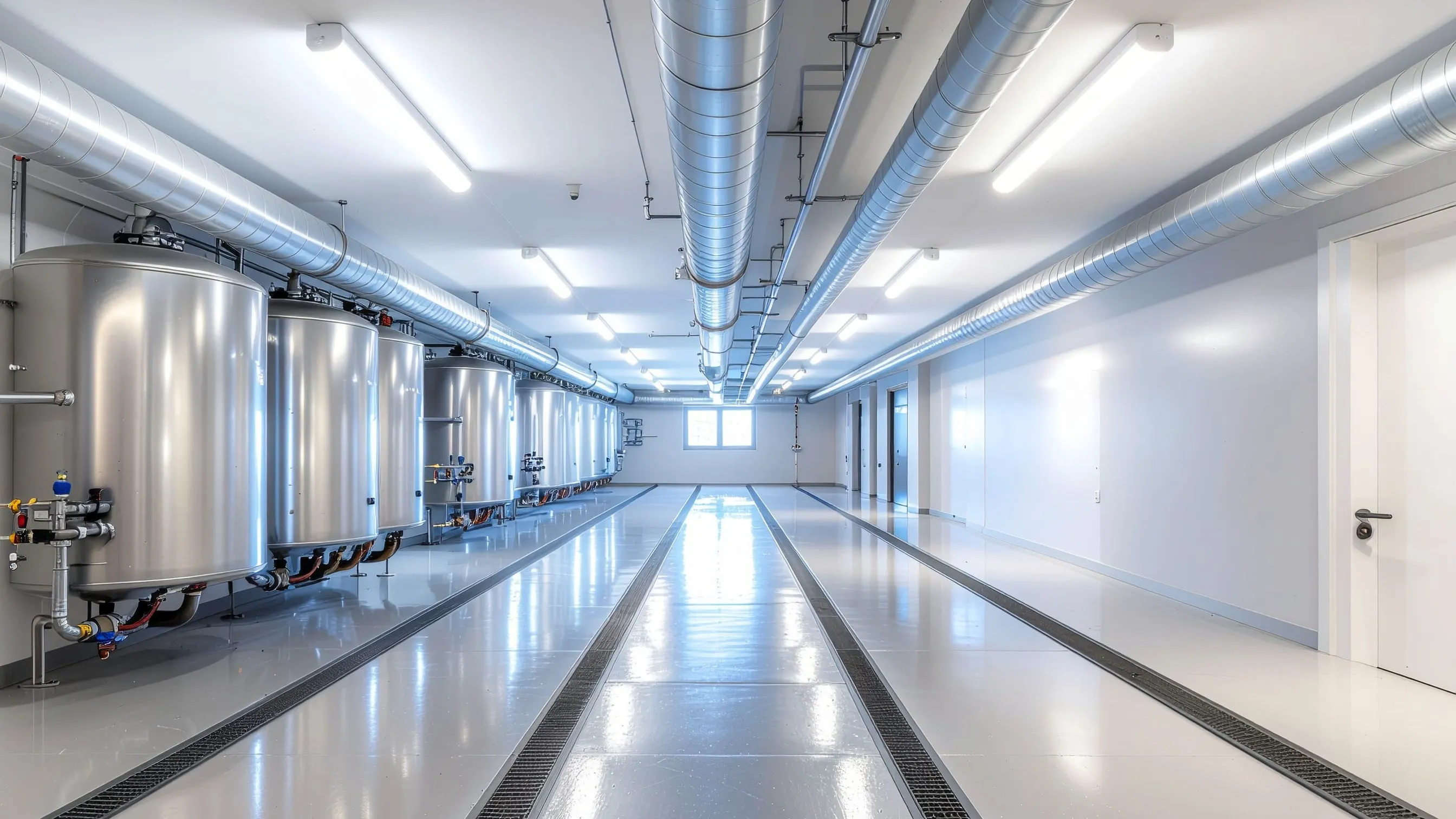
Commercial heating system replacement represents one of the most complex operational challenges facilities managers face. Unlike residential installations where brief service interruptions cause minor inconvenience, commercial premises require continuous environmental control. You must protect occupants, sensitive processes, and overall business continuity. A commercial heating system transition demands meticulous planning and flawless execution.
The financial stakes extend far beyond the base installation costs. A poorly managed commercial heating system transition can trigger massive productivity losses, severe tenant complaints, and potential regulatory non-compliance. Manufacturing facilities risk product quality issues when temperature control falters. Successful transitions balance three competing demands. You must minimise operational disruption, maintain acceptable environmental conditions, and ensure the new system achieves peak design performance from day one.
Understanding Pre-Installation Requirements
Thorough pre-installation assessment forms the absolute foundation of smooth transitions. Site surveys must document the existing system configuration perfectly. This includes pipework routes, electrical supplies, control wiring, and physical space constraints. These surveys frequently reveal undocumented modifications made during decades of operation. These hidden alterations will significantly impact your replacement planning.
Accurate heat loss calculations verify whether your proposed equipment actually matches actual building demands. Many commercial properties change use over time. Office conversions, manufacturing modifications, or building extensions drastically alter thermal requirements. Oversized replacement equipment wastes both energy and capital. Conversely, undersized systems fail to maintain comfort during peak demand periods.
Existing infrastructure condition assessment determines which components require replacement alongside the primary equipment. Corroded pipework, deteriorated insulation, and obsolete control valves might function adequately with old systems. However, they create severe reliability issues when paired with modern high-efficiency equipment. New systems deliver exact flow control that easily exposes previously masked distribution network deficiencies.
Phased Installation Strategies
Sequential zone replacement enables continuous building operation during multi-system installations. Large commercial properties typically incorporate multiple heating zones serving entirely different areas. By replacing one zone while others remain operational, facilities maintain acceptable conditions throughout most spaces. This phased approach extends the project duration but dramatically reduces your operational risk.
The sequence prioritises non-critical areas first. This allows contractors to refine procedures and identify unforeseen challenges before tackling essential zones. Administrative areas, storage spaces, and seasonal-use sections provide much lower-risk starting points. Critical zones receive attention only after the installation team establishes highly efficient workflows.
Parallel running configurations temporarily operate old and new systems simultaneously during the commissioning period. This strategy requires careful hydraulic design to prevent dangerous flow imbalances. Isolation valves, temporary bypass pipework, and coordinated control sequences allow gradual load transfer. This protects the equipment while maintaining continuous building services.
Temporary Heating Solutions
Portable heating units maintain conditions in isolated zones during equipment replacement. Electric fan heaters, radiant panels, and warm air blowers provide localised temperature control when permanent systems undergo modification. You must calculate these requirements carefully. Your capacity calculations must account for the lower efficiency of portable units and the additional heat loss from opened ceilings.
Temporary boiler hire provides whole-building heating continuity during primary plant replacement. Mobile boiler units connect directly to existing distribution networks through temporary pipework. You must plan your temporary boiler hire capacity meticulously. If your temporary boiler hire capacity is miscalculated, the entire building will suffer massive temperature drops during the changeover.
A facilities manager at a regional office complex recently skipped proper load calculations during a commercial heating system transition. They brought in an undersized temporary boiler, and when a cold snap hit, the existing central heating pump failed under the immense strain. The top two floors plummeted to 12°C. They spent triple their budget on emergency electric heaters. Proper temporary boiler hire capacity planning is absolutely non-negotiable.
Technical Integration Challenges
Pipework modifications connect new equipment to existing distribution networks. Modern systems often feature connection points that do not align with legacy installations. Careful planning prevents excessive pipework runs that increase pressure drop. You must also manage the condensing boiler return temperature accurately. A modern condensing boiler return temperature must remain low enough to ensure the boiler actually condenses and operates efficiently.
Control system integration presents particular challenges when replacing individual components. New boilers must communicate seamlessly with existing building management systems through compatible protocols. Proper Wilo pump interface configuration is a great example of this. A correct Wilo pump interface configuration ensures the new integrated controls communicate flawlessly with the legacy network to achieve coordinated system operation.
Pressure and flow rate balancing ensures new high-efficiency equipment operates safely within design parameters. Distribution networks designed for high-temperature differentials usually require immediate rebalancing. Installing new pump valves or revising control strategies helps optimise the new equipment performance safely.
Think of a commercial heating system transition like performing a heart transplant while the patient is running a marathon. You can't just stop the circulation entirely. You need temporary bypasses, perfect timing, and exact coordination to keep everything alive during the switch. A reliable Wilo pump acts as the new heart once the transition is complete.
Managing Building Occupancy and Operations
Communication protocols establish clear expectations with facility managers, tenants, and building users. Detailed schedules must outline exactly when specific areas will experience service interruptions. Regular updates address inevitable schedule adjustments as the installation progresses. Surprises erode goodwill rapidly, so proactive communication is essential.
Temperature maintenance standards define acceptable environmental conditions during transition periods. Most commercial leases specify strict minimum temperatures. Brief excursions below these standards may prove unavoidable during critical changeover work. However, extended periods require alternative arrangements like temporary heating or modified work schedules.
Critical area prioritisation identifies spaces requiring uninterrupted environmental control. Server rooms, medical storage, and manufacturing clean rooms cannot tolerate temperature excursions. These areas require dedicated temporary heating, isolated distribution networks, or highly accelerated installation schedules.
Testing and Commissioning Protocols
Progressive commissioning procedures verify system performance as the installation advances. Individual zones undergo functional testing immediately after installation. This approach identifies defects early, while contractors and equipment remain on-site. This completely prevents the common scenario where final commissioning reveals multiple issues requiring costly contractor recall.
System performance verification confirms the new equipment achieves design specifications under actual operating conditions. Flow rates, temperatures, pressures, and control sequences receive strict measurement and documentation. New grundfos circulation pumps require baseline performance data documentation to ensure they operate exactly as intended.
Witnessing procedures involve facility managers directly in the commissioning activities. Hands-on demonstration of control functions, safety features, and routine maintenance procedures prepares operators for independent management. This builds vital confidence in the new system operation before the contractors depart the site.
Post-Installation Optimisation
System balancing and fine-tuning extend beyond the initial commissioning period. Actual building use patterns, weather conditions, and occupant preferences always reveal optimisation opportunities. Proper building energy management integration allows you to track these metrics easily. Effective building energy management integration improves comfort and efficiency as operators gain real-world experience with the new systems.
Operator training requirements receive insufficient attention in many commercial installations. Sophisticated modern equipment offers extensive optimisation capabilities that remain completely unused when operators lack understanding. Comprehensive training programmes covering routine operation and seasonal adjustments maximise system performance and longevity.
Seasonal recommissioning addresses systems installed during varying weather conditions. DHW pumps and associated controls may require careful adjustment when domestic hot water demand patterns change throughout the year. You must monitor energy consumption and reliability metrics closely to identify issues before they become established problems.
Conclusion
Managing commercial heating system transitions demands far more than technical installation competence. Success requires coordinated planning that addresses operational continuity, occupant comfort, and system performance equally. The difference between smooth transitions and disruptive failures lies in preparation thoroughness and execution discipline.
Facilities managers facing heating system replacement should engage specialists early in the planning processes. Pre-installation assessments, transition strategy development, and temporary provision planning establish highly realistic expectations. This proactive approach identifies potential obstacles while the solutions remain straightforward and cost-effective.
Professional support from experienced heating system suppliers provides access to essential technical expertise and equipment knowledge. National Pumps and Boilers offers the comprehensive product range required to transform complex transitions into smoothly managed processes.
For expert guidance on sourcing reliable equipment and maintaining business continuity during your next project, Get Expert Advice today by speaking with our technical support team.