

Phased Pump Replacement Strategies for Large Multi-Pump Systems
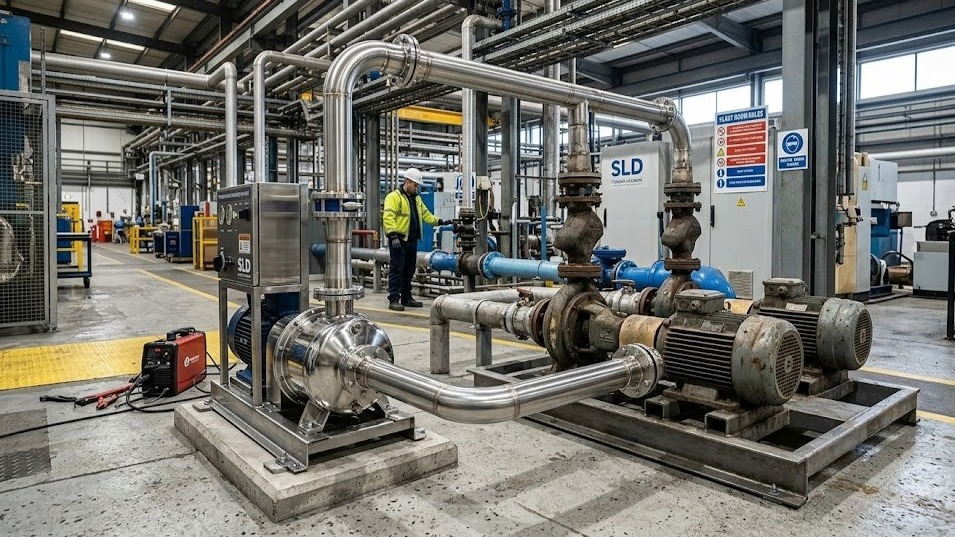
Large commercial buildings, district heating networks, and industrial facilities rarely have the luxury of shutting down entirely to replace ageing pump infrastructure. A hospital's heating system cannot go offline during winter. A manufacturing plant cannot halt production for a week-long pump overhaul. Data centres cannot risk temperature fluctuations while replacing cooling system pumps.
This operational reality demands a different approach: phased pump replacement. Rather than replacing all pumps simultaneously, facilities replace equipment in carefully planned stages, maintaining system operation throughout the transition. National Pumps and Boilers has developed specific methodologies for this work across hundreds of multi-pump installations, from university campuses with 40+ circulator arrays to NHS trusts managing complex heating and cooling networks.
The staged pump upgrade strategy differs fundamentally from single-pump replacements. It requires system analysis, redundancy planning, hydraulic rebalancing, and coordination across mechanical, electrical, and facilities teams. Done properly, phased pump replacement minimises disruption, spreads capital expenditure, and can actually improve system performance during the transition. Done poorly, it creates hydraulic imbalances, efficiency losses, and equipment failures that cascade through the system.
System Assessment Before Replacement Planning
Before replacing a single pump, facilities need comprehensive system data. This goes beyond pump nameplate information to include actual operating conditions, system demand profiles, and infrastructure constraints.
Hydraulic Mapping and Baseline Performance
Hydraulic mapping establishes baseline performance. Flow rates, differential pressures, and power consumption at various load conditions reveal which pumps work hardest, which operate inefficiently, and where redundancy exists. Many facilities discover that nominal pump capacity differs significantly from actual requirements - a 30kW pump might deliver only 18kW under real conditions due to system restrictions or control settings.
Electrical Infrastructure Constraints
Electrical infrastructure often constrains replacement options. Older buildings may have limited panel capacity or cable sizing that cannot support modern variable speed drives. A facility planning to replace fixed-speed Grundfos pumps with VSD models must verify that electrical infrastructure can handle the different load characteristics, including harmonic distortion and starting currents.
Mechanical Interdependencies
Mechanical interdependencies matter critically in multi-pump systems. Primary and secondary circuits, lead-lag arrangements, and pressure maintenance systems create relationships where replacing one pump affects others. A facility replacing primary heating pumps without considering secondary circuit impacts may find that new, more efficient primaries create pressure differentials that damage older secondary pumps or control valves.
Operational Scheduling Requirements
Operational scheduling determines replacement sequencing. Schools can replace pumps during summer holidays. Hospitals require 24/7 operation but may have lower heating loads in summer. Manufacturing facilities often have planned maintenance windows. The staged pump upgrade strategy must align with these operational realities, not fight against them.
Establishing Replacement Priorities Within the System
Not all pumps in a multi-pump system require replacement simultaneously, and prioritising correctly prevents wasted expenditure whilst addressing genuine risks.
Failure Risk Assessment
Failure risk assessment combines age, condition, and criticality. A 15-year-old Wilo pump showing bearing noise in a critical position takes priority over a 20-year-old pump in good condition with built-in redundancy. Thermal imaging, vibration analysis, and motor current signature analysis identify pumps approaching failure before they stop unexpectedly.
Energy Consumption Analysis
Energy consumption analysis reveals which pumps cost most to operate. In one university campus project, three oversized fixed-speed pumps consumed 68% of total pumping energy despite handling only 40% of system load. Replacing these three first delivered immediate energy savings that partially funded subsequent phases. Modern VSD-equipped pumps typically reduce energy consumption by 30-50% compared to fixed-speed equivalents in variable-load applications.
Hydraulic Efficiency Assessment
Hydraulic efficiency degradation occurs gradually as impellers wear, clearances increase, and internal components deteriorate. Pumps operating at 60% of original efficiency waste energy and may struggle to meet system demands during peak loads. Flow testing against manufacturer curves identifies pumps requiring replacement based on performance rather than age alone.
Parts Availability Considerations
Parts availability influences timing. Pumps from discontinued product lines or obsolete manufacturers should receive priority, as failure of these units creates emergency situations with limited replacement options. National Pumps and Boilers maintains cross-reference data for obsolete models, identifying modern equivalents before emergencies occur.
Maintaining System Operation During Replacement Phases
The central challenge of phased pump replacement involves maintaining adequate system performance whilst equipment is offline or newly installed pumps integrate with older units.
Duty-Standby Arrangements
Duty-standby arrangements provide inherent redundancy. Systems designed with N+1 pump capacity allow individual pump replacement without capacity loss. A heating system with three 40% capacity pumps can maintain 80% output with one pump offline - adequate for all but peak design conditions. Scheduling replacements during shoulder seasons ensures sufficient capacity throughout the work.
Temporary Bypass Systems
Temporary bypass systems maintain flow when permanent redundancy does not exist. Temporary pumps and pipework create parallel flow paths, allowing removal and replacement of existing equipment without system shutdown. This approach suits critical applications where even brief interruptions cause problems - data centre cooling, hospital theatres, or process cooling systems.
Hydraulic Isolation Procedures
Hydraulic isolation requires careful valve sequencing. Simply closing isolation valves around a pump can create pressure surges or flow starvation in other circuits. Proper isolation involves gradual valve closure, pressure monitoring, and verification that remaining pumps handle redistributed loads without cavitation or overload.
System Rebalancing Requirements
System rebalancing becomes necessary as new pumps integrate with old. A new VSD pump with flat efficiency curves and soft starting behaves differently from the 20-year-old fixed-speed unit it replaces. Control systems, balancing valves, and differential pressure settings require adjustment to prevent the new pump from either dominating flow distribution or being starved by older, less efficient units.
Phasing Strategies for Different System Configurations
Multi-pump systems follow different hydraulic arrangements, each requiring specific staged pump upgrade strategy approaches.
Parallel Pump Arrays
Parallel pump arrays with identical pumps allow straightforward sequential replacement. Replace one pump, verify performance, adjust controls if needed, then proceed to the next. This suits boiler house primary circuits, condenser water systems, and other applications where pumps share common headers and operate under similar conditions. The key challenge involves ensuring that new, more efficient pumps do not short-cycle or operate inefficiently whilst waiting for older units to be replaced.
Primary-Secondary Systems
Primary-secondary systems require coordination between circuits. Replacing primary pumps first maintains system pressure whilst allowing secondary circuit operation to continue unchanged. However, if secondary pumps are significantly degraded, new efficient primary pumps may create pressure conditions that damage old secondary equipment. In these cases, replacing secondary pumps first, then primaries, proves safer despite being counterintuitive.
Lead-Lag-Standby Configurations
Lead-lag-standby configurations benefit from replacing the standby pump first. This allows testing and commissioning without affecting normal operation. Once verified, the new pump becomes the lead unit, the old lead becomes lag, and the old lag pump is replaced. This rotation continues until all pumps are new, with minimal operational risk throughout.
Distributed Systems
Distributed systems with pumps in multiple locations require site-specific sequencing. A district heating network might have dozens of pumps across multiple buildings. Replacement sequencing follows building criticality, equipment condition, and access logistics rather than hydraulic considerations alone.
Control System Integration and Commissioning
Modern replacement pumps often include sophisticated controls that must integrate with existing building management systems and older pumps still in service during phased pump replacement programmes.
Communication Protocol Compatibility
Communication protocol compatibility determines integration success. A facility replacing old pumps with new VSD units featuring Modbus communication must verify that existing BMS systems support this protocol. Incompatibility may require control system upgrades, gateway devices, or accepting that new pumps operate in standalone mode until full system replacement completes.
Sequencing Logic Programming
Sequencing logic requires reprogramming as pump characteristics change. A BMS programmed to stage fixed-speed pumps based on differential pressure setpoints needs different logic for VSD pumps that modulate speed continuously. During phased pump replacement, control systems must handle mixed pump types - some fixed-speed, some VSD - without creating hunting, short-cycling, or efficiency losses.
Performance Verification
Performance verification after each phase ensures the replacement delivers expected benefits. Flow rates, power consumption, and differential pressures should be measured and compared to design predictions. Discrepancies indicate installation problems, control issues, or incorrect equipment selection that require correction before proceeding to subsequent phases.
Operator Training
Operator training becomes essential when replacing older equipment with modern technology. Facilities staff accustomed to simple on-off pumps need training on VSD operation, fault diagnostics, and performance optimisation. This training should occur progressively as each replacement phase completes, rather than attempting comprehensive training after the final installation.
Managing Hydraulic Transitions Between Old and New Equipment
The most technically challenging aspect of staged pump upgrade strategy implementation involves managing the hydraulic interactions between new efficient pumps and older degraded equipment.
Differential Pressure Management
Differential pressure management prevents new pumps from overwhelming older circuits. A new VSD pump capable of maintaining precise differential pressure may create conditions that cause older pumps or control valves to operate incorrectly. Pressure limiting, flow balancing, and careful setpoint selection ensure compatibility during the transition period.
Impeller Trimming and Speed Limiting
Impeller trimming or speed limiting may be necessary on new pumps to match system conditions until full replacement is completed. A facility installing new pumps designed for the fully upgraded system may need to temporarily limit their output to prevent hydraulic imbalances with the remaining old equipment. This seems counterproductive, but it prevents damage and efficiency losses that would otherwise occur.
Flow Distribution Monitoring
Flow distribution monitoring identifies problems early. After installing new commercial circulators, flow rates through various circuits should be verified against design expectations. Unexpected flow increases in some circuits and decreases in others indicate hydraulic imbalances requiring correction through valve adjustments or control changes.
Capital Planning and Budget Phasing
Phased pump replacement spreads capital expenditure across multiple budget cycles whilst delivering progressive benefits.
Priority-Based Budgeting
Priority-based budgeting allocates funds to the highest-risk or highest-return replacements first. A facility might allocate 60% of the year-one budget to replacing three critical pumps with high failure risk and poor efficiency, then use the remaining funds for condition monitoring and detailed planning of subsequent phases. This approach delivers immediate risk reduction and energy savings whilst developing robust plans for future work.
Energy Savings Reinvestment
Energy savings reinvestment uses operational savings from early phases to fund later work. A facility replacing its least efficient pumps first might achieve £15,000 annual energy savings. Over three years, these £45,000 savings fund significant additional replacement work. This approach requires accurate energy monitoring to verify savings and justify continued investment.
Lifecycle Cost Analysis
Lifecycle cost analysis justifies phased pump replacement over repair-until-failure approaches. A detailed analysis comparing repair costs, energy consumption, and failure risks of existing pumps against replacement costs and efficiency gains typically shows positive ROI within 3-5 years for commercial systems. This financial justification supports multi-year capital planning.
Risk Management Throughout the Replacement Programme
Extended replacement programmes spanning months or years introduce risks that single-phase projects avoid when implementing a staged pump upgrade strategy.
Equipment Obsolescence
Equipment obsolescence during multi-year programmes can create problems. A facility planning a five-year phased pump replacement must consider that pumps installed in year one may be discontinued by year five, creating mixed equipment that complicates spares stocking and maintenance. Selecting Wilo pumps or other manufacturers with stable product lines and long-term parts availability mitigates this risk.
Specification Consistency
Specification changes between phases should be minimised. Each replacement phase should use consistent equipment specifications, control strategies, and installation standards. Changing specifications mid-programme creates a patchwork system that complicates operation and maintenance.
Contractor Continuity
Contractor continuity benefits complex phased projects. Using the same installation contractor throughout the programme ensures consistent workmanship, accumulated system knowledge, and accountability for long-term performance. Contractors familiar with the facility work more efficiently and make fewer errors than new contractors learning the system with each phase.
Documentation Maintenance
Documentation maintenance becomes critical. As-built drawings, commissioning records, and performance data from each phase must be maintained and updated. Without rigorous documentation, later phases lack the information needed for proper design and commissioning.
Conclusion
Phased pump replacement in large multi-pump systems demands more sophisticated planning than single-pump projects, but delivers operational continuity that justifies the additional complexity. Facilities that conduct thorough system assessments, prioritise replacements based on risk and return, maintain hydraulic balance throughout transitions, and manage capital expenditure strategically achieve successful outcomes without operational disruptions.
The staged pump upgrade strategy suits any facility where continuous operation matters more than project speed - hospitals, universities, industrial plants, commercial offices, and district heating networks. By replacing equipment progressively whilst maintaining system performance, facilities avoid the impossible choice between continued operation of failing equipment and disruptive wholesale replacement.
Success requires technical expertise in hydraulics, controls, and mechanical systems, combined with project management skills that coordinate multiple phases across extended timeframes. Facilities lacking internal expertise benefit from specialist support throughout the programme, from initial assessment through final commissioning.
For guidance on planning phased pump replacement programmes, assessing system conditions, or selecting appropriate equipment for multi-pump installations, contact us for technical consultation and project support.