

Positive Head vs Negative Head Shower Pumps: Understanding the Difference
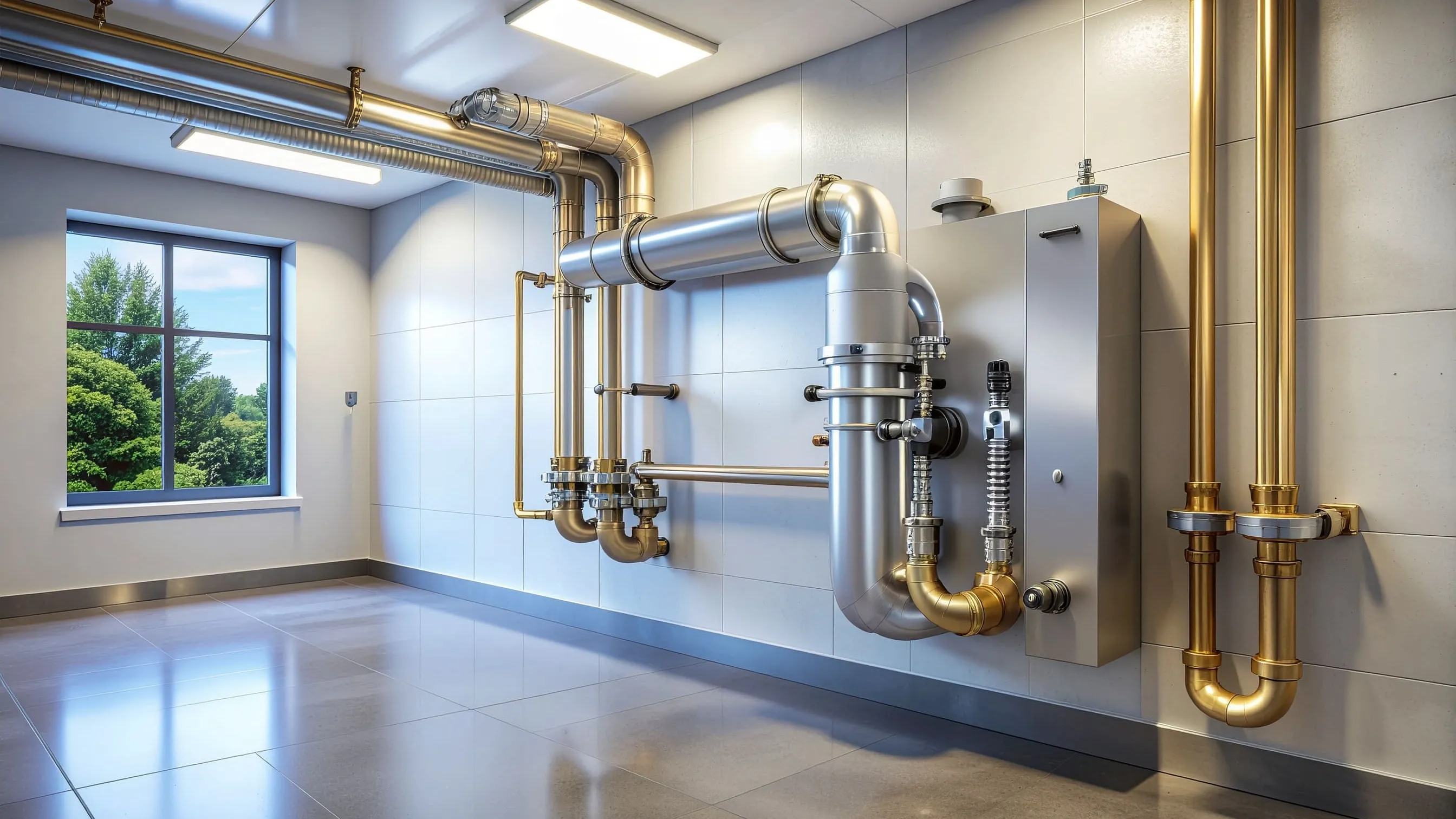
Shower performance frustrations plague thousands of UK households daily. Weak water pressure transforms a refreshing morning routine into a highly disappointing trickle. The solution almost always lies in fitting a mechanical shower pump. However, selecting a positive vs negative head shower pump requires understanding fundamental plumbing differences.
The essential distinction centres entirely on where your shower head sits relative to your cold water storage tank. This simple physical measurement determines which pump technology functions reliably. Understanding this distinction prevents the costly mistake of specifying the wrong setup. Getting this right is the absolute starting point for any successful installation.
Defining Positive Head Systems
A system qualifies as positive head when the cold water storage tank sits significantly higher than the shower outlet. This physical arrangement allows gravity to create natural downward pressure. The water pushes down through the pipework before it even reaches the pump inlet. These positive head systems represent the standard arrangement in most traditional UK properties.
The vertical distance between the tank base and the highest point of the shower head must measure at least 600mm. This 600mm drop provides the exact gravity pressure assistance needed to push water through the pump naturally. Because water flows on its own, these pumps rely entirely on basic flow switch activation.
When you open the shower valve, the gravity flow triggers the paddle switch, energising the pump motor instantly. Excellent Grundfos Pressure Sets feature these highly reliable switches specifically optimised for standard gravity-fed configurations.
Defining Negative Head Systems
Negative head conditions occur when your shower head sits above, level with, or less than 600mm below the cold tank. This physical arrangement completely eliminates the natural gravity pressure assistance that standard setups exploit. You commonly see these negative head configurations in modern loft conversions with ensuite bathrooms.
You also find them in bungalows with very limited roof space. Standard positive pumps fail instantly in these applications. Without sufficient gravity drop, there is simply not enough natural flow to trigger a mechanical switch. The water cannot reach the required 1 litre per minute natural flow rate on its own.
This operational challenge requires a highly specialised pump design. Rather than relying on simple flow switch activation, these models incorporate highly sensitive pressure transducers. When you open the shower valve, the transducer detects a tiny pressure drop and activates the pump. Premium Wilo Yonos Models include intelligent configurations perfectly suited for installations lacking gravity.
Key Differences Between Positive and Negative Head Pumps
The mechanical distinctions between these two pump types extend far beyond simple flow switch activation methods. A positive pump requires natural water movement to push the internal flow switch into the operating position. Negative models monitor the static system pressure continuously instead. They activate electronically whenever the system pressure drops.
Think of a positive head pump like a cyclist rolling down a hill. The natural gravity pressure assistance does all the hard work to get the bike moving initially. A negative pump is like starting a heavy bike at the absolute bottom of a steep hill. It requires an initial electronic kick from a pressure sensor to get moving.
Internal pump design varies significantly to handle these different physical forces. Negative models incorporate stronger impellers and enhanced sealing to handle increased suction demands. Robust DAB Jet Pumps provide the exact suction performance characteristics needed when drawing water against gravity.
Identifying Your System Type
Accurate system identification prevents very costly purchasing mistakes. You must measure the vertical distance from the base of the cold water storage tank. You must measure down to the actual shower head where the water exits, not the shower tray.
If this measurement strictly exceeds 600mm, your setup qualifies as one of the standard positive head systems. Most traditional two-storey properties easily meet this strict dimensional requirement. Measurements falling below 600mm indicate negative head configurations immediately.
The hot water cylinder position also matters heavily for your pump selection. Both your hot and cold supplies must individually meet the 600mm head requirement for a standard twin pump to work properly. Reliable Lowara End Suction pumps cover a massive range of residential shower applications requiring detailed hydraulic analysis.
Selecting the Right Pump for Your Installation
Flow rate requirements drive your pump selection once you establish your specific head type. Single shower installations typically need pumps delivering 1.5 to 2.0 bar of pressure at 12 litres per minute. Multiple shower heads or simultaneous bath filling demand higher specifications entirely.
A standard positive vs negative head shower pump comparison usually shows that positive units are cheaper. They offer a broader product choice due to their simpler internal technology. Budget constraints sometimes tempt installers to fit positive pumps in borderline situations. This dangerous approach guarantees performance problems and premature motor failure.
The additional cost of the correct negative unit always proves worthwhile. Quality Armstrong Twin Pumps provide excellent twin impeller performance for highly demanding residential applications. They offer models covering both standard positive and challenging negative setups easily.
Installation Considerations
British Standard BS 6700 governs all domestic shower pump installations. These regulations mandate specific requirements for electrical safety and hydraulic performance. All pumps require a dedicated electrical supply with appropriate circuit protection.
Standard positive head systems benefit from highly flexible positioning options. Locating the pump close to the hot water cylinder minimises your pipe runs and reduces friction losses. Negative installations demand rigorous attention to detail instead. The pump must sit below the cold tank with minimal horizontal pipe runs to prevent air locks.
Pipe sizing affects your overall performance significantly. Standard 15mm pipework restricts your flow rates over long distances. Using full-bore Isolation Valves Available on your 22mm supply pipes maximises the available flow to the pump inlet. This proper isolation allows safe maintenance without ever draining the entire property.
Performance Expectations
Properly specified positive head pumps deliver incredibly consistent pressure across their operating range. A 2.0 bar pump provides highly satisfactory performance for standard shower heads and basic thermostatic valves. Negative head pumps achieve similar pressure outputs but exhibit slightly longer activation times.
This delay happens because the pressure sensors take a fraction of a second to detect demand. This typically measures less than one second. It is noticeable compared to the instantaneous activation of a positive pump, but it is completely normal and safe.
A local homeowner recently spent £500 on a premium positive head unit for a loft conversion. Because the shower head sat higher than the cold tank, the pump never received enough water to turn on. We had to swap it for a negative model to fix the flow instantly. As specialists at National Pumps and Boilers, we see this exact sizing error happen constantly.
Troubleshooting Common Issues
Low pressure problems despite normal pump operation often indicate incorrect initial specification. You must verify that your pump pressure rating actually matches your household demand. You must also verify that you installed the correct positive vs negative head shower pump for your exact physical layout.
Pump cycling suggests your flow rates are dropping below the minimum activation threshold. This rapid on-off operation occurs when shower valves partially close or when leaking taps trigger the pressure sensors. Addressing these minor leaks stops the pump cycling immediately.
These negative head configurations prove highly susceptible to air lock problems. The lack of natural downward flow means air bubbles cannot naturally clear from your pipework. Installing automatic air vents at high points in your system prevents this dangerous air accumulation perfectly.
Conclusion
The physical distinction between a positive vs negative head shower pump fundamentally shapes your installation success. Positive systems benefit massively from natural flow, allowing simpler pump designs and lower costs. Negative installations demand highly specialised pumps with sensitive pressure-sensing technology.
Accurate measurement of your tank and shower head positions determines your exact path forward. The 600mm minimum head requirement serves as your critical, non-negotiable operational threshold. Professional assessment guarantees you choose the right positive vs negative head shower pump and enjoy reliable hot water for years.
For guidance on selecting the appropriate shower pump configuration for specific property requirements, Get Expert Advice tailored to your individual system configurations today.