

Pre-Commissioning Checklist for Commercial Pump Installations
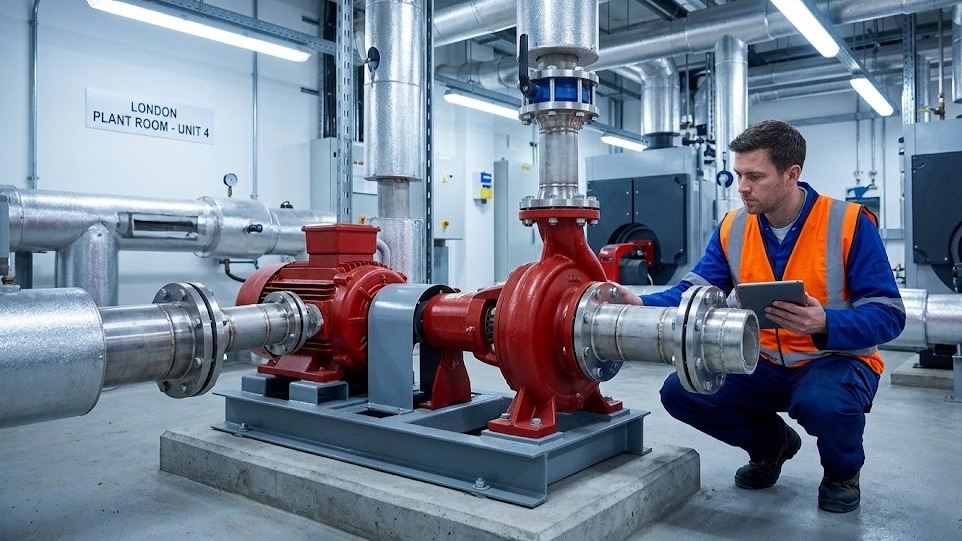
Commercial pump installations represent significant capital investments for building services projects. A single oversight during pre-commissioning can cascade into system inefficiencies, premature equipment failure, or costly emergency shutdowns. National Pumps and Boilers has documented that 73% of early pump failures in commercial installations stem from inadequate pre-commissioning procedures rather than equipment defects.
Pre-commissioning establishes the foundation for reliable pump operation. This phase verifies that every component meets design specifications before energising the system. For mechanical contractors and building services engineers, a systematic pre-commissioning pump checklist prevents the common pitfalls that compromise system performance and warranty coverage.
Documentation and Design Verification
Before physical inspection begins, verify that all installation documentation aligns with design specifications. Cross-reference the approved mechanical drawings against the installed equipment, confirming that pump models, motor ratings, and control configurations match the design intent. Discrepancies at this stage indicate potential specification changes that may affect system performance.
Manufacturer Specifications
Review manufacturer datasheets for all installed pumps, ensuring that performance curves match the system requirements. For Grundfos pumps and other premium equipment, verify that the supplied models include any specified optional features such as variable speed drives, enhanced seals, or monitoring capabilities. Building services specifications often include performance requirements that standard models cannot achieve without these enhancements.
Electrical Supply Verification
Confirm that electrical supply arrangements match motor requirements. Three-phase motors require correct voltage and phase sequence, whilst single-phase motors must connect to appropriately rated circuits. Document any deviations from the original specification, as these may require design team approval before proceeding.
Mechanical Installation Inspection
Examine pump mounting arrangements for structural integrity and alignment. Commercial pumps generate significant vibration during operation, particularly during startup and shutdown cycles. Foundation bolts must be fully tightened to manufacturer specifications, with anti-vibration mounts correctly positioned where specified. Loose mounting arrangements cause excessive vibration that damages bearings and mechanical seals.
Alignment Verification
Check pump alignment using precision measurement tools. Shaft misalignment between pump and motor causes premature bearing failure and increased energy consumption. For coupled pumps, measure angular and parallel misalignment at multiple rotation points. Acceptable tolerances typically fall within 0.05mm for precision installations, though manufacturer specifications take precedence.
Pipework Connection Assessment
Verify that pipework connections impose no strain on pump flanges. Poorly supported pipework transfers stress to pump casings, distorting alignment and damaging seals. All pipework adjacent to pumps requires independent support within 500mm of connections. Examine flexible connectors for correct installation - these components absorb vibration but cannot compensate for pipework misalignment.
Isolation Valve Inspection
Inspect isolation valves on both suction and discharge sides. These valves enable pump maintenance without draining the entire system. Confirm that valve handles operate smoothly through their full range and that position indicators function correctly. Gate valves should open fully to minimise head loss, whilst check valves must be installed in the correct flow direction.
System Cleanliness and Flushing
Commercial heating and chilled water systems accumulate substantial debris during construction. Welding slag, pipe thread cuttings, and installation debris circulate through systems if not removed before commissioning. This contamination damages pump impellers, blocks strainers, and scores mechanical seals.
Flushing Procedures
Verify that the system has undergone thorough flushing procedures before connecting pumps. Flushing should continue until the discharge water runs clear and debris-free. For large commercial installations, temporary strainers with fine mesh capture remaining particles during initial circulation. These strainers require frequent inspection and cleaning during the flushing phase.
Strainer Verification
Examine permanent strainers fitted before pump suction. Clean strainer baskets thoroughly, checking for construction debris that may have bypassed flushing procedures. Record the mesh size of installed strainers - excessively fine mesh increases pressure drop and reduces pump performance, whilst coarse mesh allows damaging particles to reach impellers.
Water Quality Standards
For DHW pumps in domestic hot water systems, verify that all pipework has been chemically cleaned and flushed according to Water Supply Regulations. Copper debris and flux residues cause premature corrosion in pump components. Systems should achieve pH levels between 7.0 and 8.5 before pump connection.
Electrical Connections and Control Verification
Confirm that electrical connections comply with BS 7671 wiring regulations and manufacturer requirements. Motor terminal boxes must be properly sealed with cable glands correctly sized for the installed cable. Water ingress through poorly fitted glands causes motor failure and creates safety hazards.
Motor Rotation Testing
Verify motor rotation direction before coupling pumps to driven equipment. Incorrect rotation damages impellers and may cause mechanical seal failure. With the motor uncoupled, briefly energise the motor and observe the rotation direction from the drive end. Three-phase motors rotate in the direction determined by phase sequence - swapping any two phases reverses rotation.
Insulation Resistance Testing
Test motor insulation resistance using a 500V megger. Readings should exceed 2 megohms for motors in good condition. Lower readings indicate moisture ingress or insulation deterioration that requires investigation before proceeding. Record insulation resistance values for future reference - declining readings during subsequent tests indicate developing problems.
Control System Verification
Examine the control panel wiring against the control schematics. Verify that all temperature sensors, pressure transducers, and flow switches connect to the correct terminals. Incorrectly wired controls cause inappropriate pump operation that damages equipment or compromises system performance. For variable speed installations, confirm that speed control signals reach the correct drive inputs.
System Pressurisation and Leak Testing
Pressurise the system to 1.5 times the maximum working pressure, maintaining this pressure for a minimum of one hour. Monitor pressure gauges continuously - any pressure drop indicates leakage that requires investigation. Pay particular attention to pump gland areas, flange connections, and valve stems.
Mechanical Seal Inspection
Inspect mechanical seals for weepage during pressure testing. Modern mechanical seals should remain completely dry during static pressure tests. Any moisture around seal faces indicates improper installation or damaged seal components. Replace suspect seals before commissioning - seal failure during operation causes water damage and system downtime.
Expansion Vessel Verification
Examine expansion vessels for correct pre-charge pressure. Expansion vessels accommodate water volume changes as systems heat and cool. Incorrect pre-charge pressure causes frequent safety valve discharge or inadequate system pressurisation. Measure pre-charge pressure with the system drained and adjust according to the system static head and maximum operating temperature.
Pressure Relief Valve Testing
Verify that pressure relief valves are set to the correct discharge pressure and that discharge pipework terminates safely. Relief valves protect systems from over-pressurisation but must be correctly configured to function reliably. Test relief valves manually to confirm operation - seized valves fail to protect systems during fault conditions.
Bearing Lubrication and Seal Priming
Check bearing lubrication levels and types against manufacturer specifications. Over-lubrication causes overheating and seal damage, whilst insufficient lubrication leads to bearing failure. For grease-lubricated bearings, fill to the level indicated on the pump casing or in the installation manual. Oil-lubricated bearings require correct oil grades and fill levels verified through sight glasses.
Seal Flush Systems
Examine mechanical seal flush arrangements for correct configuration. Many commercial pumps require external seal flush systems that supply clean, cool fluid to seal faces. Verify that flush pipework connects correctly and that any heat exchangers or filtration equipment function properly. Inadequate seal flushing causes rapid seal failure and system contamination.
Gland Packing Adjustment
For pumps fitted with gland packing rather than mechanical seals, adjust packing compression to allow slight leakage during operation. Gland packing requires lubrication from the pumped fluid - completely stopping leakage causes packing to overheat and seize. Expect approximately 40-60 drops per minute from correctly adjusted gland packing.
Instrumentation Calibration and Testing
Verify that all pressure gauges read zero with the system depressurised. Gauges that show residual pressure readings are damaged or incorrectly calibrated. Replace suspect gauges before commissioning - inaccurate pressure indication compromises system monitoring and fault diagnosis.
Temperature Sensor Verification
Test temperature sensors against known reference temperatures. Immerse sensors in temperature-controlled baths or use calibrated reference thermometers to verify accuracy. Temperature sensors that read outside acceptable tolerances require recalibration or replacement. For critical applications, maintain calibration certificates demonstrating traceability to national standards.
Flow Switch Testing
Examine flow switches for correct operation. Flow switches protect pumps from dry running and verify system circulation. Test switches by simulating flow conditions or, where possible, using temporary bypass arrangements. Confirm that control systems respond appropriately to flow switch signals - delayed responses or ignored signals indicate wiring faults or control logic errors.
Variable Speed Drive Calibration
Calibrate variable speed drives according to system requirements. VSD-controlled pumps adjust speed to match system demand, reducing energy consumption significantly. Verify that speed control signals produce the expected pump speed changes and that minimum and maximum speed limits are correctly configured. Wilo pumps with integrated VSD controls often include commissioning software that simplifies this process.
Safety Device Verification
Test all emergency stop devices for correct operation. Emergency stops must immediately de-energise pump motors and trigger appropriate alarms. Verify that emergency stop buttons are clearly labelled and accessible to operators. Reset procedures should require deliberate action to prevent inadvertent restart after emergency shutdown.
Motor Protection Settings
Confirm that motor overload protection settings match motor's full load current. Overload relays protect motors from damage during fault conditions, but must be correctly adjusted to avoid nuisance tripping. Settings typically range from 105% to 115% of motor full load current, depending on motor duty and starting characteristics.
System Protection Devices
Examine high-temperature cutouts and low-pressure switches for correct setpoints. These devices protect systems from damage during abnormal operating conditions. Verify setpoints against design specifications and confirm that control systems respond appropriately when devices activate. For central heating equipment, low water temperature protection prevents the circulation of inadequately heated water.
Pre-Start Checks and Initial Operation
With all pre-commissioning pump checklist items complete, perform a final visual inspection before energising pumps. Confirm that all tools and installation equipment have been removed from the area and that access panels are secured. Verify that all isolation valves are in their correct positions - suction valves fully open and discharge valves closed for centrifugal pumps.
Startup Procedures
Brief all personnel involved in the initial startup on emergency shutdown procedures. Ensure that qualified electricians and mechanical engineers are present during the first operation. Position observers at key points to monitor for leaks, unusual vibration, or abnormal noise during startup.
Initial Operation Monitoring
Energise the pump and immediately verify correct rotation and normal operating sounds. Open discharge valves gradually whilst monitoring motor current and system pressure. Current draw should stabilise at or below motor full load current once the system reaches normal operating conditions. Excessive current indicates system problems such as closed valves, blocked strainers, or incorrect impeller diameter.
Temperature Monitoring
Monitor bearing temperatures during the first hour of operation. Temperatures should stabilise below 80°C for standard installations. Rising temperatures indicate lubrication problems, misalignment, or bearing defects requiring immediate investigation. Record baseline temperature readings for comparison during future maintenance inspections.
Documentation and Handover
Compile comprehensive commissioning records documenting all pump installation checklist activities and test results. Include photographs of key installation details, copies of test certificates, and as-fitted drawings showing any deviations from original designs. These records prove invaluable during warranty claims and future maintenance activities.
Operation and Maintenance Manuals
Prepare operation and maintenance manuals specific to the installed system. Generic manufacturer literature often lacks the system-specific information that operators require. Include valve schedules, control sequences, and troubleshooting guidance tailored to the actual installation.
Training and Handover
Conduct formal handover training with building operators and maintenance personnel. Demonstrate normal operating procedures, routine maintenance requirements, and emergency shutdown protocols. Effective training reduces the risk of operator errors that damage equipment or compromise system performance.
Conclusion
Systematic pre-commissioning procedures protect commercial pump installations from the premature failures and performance issues that plague inadequately prepared systems. The investment in thorough pre-commissioning pump checklist procedures - typically 5-8% of total installation costs - prevents problems that would cost substantially more to rectify after commissioning.
For mechanical contractors and building services engineers, documented pump installation checklist procedures demonstrate professional competence and provide essential protection during warranty periods. Equipment failures traced to inadequate pre-commissioning void manufacturer warranties and expose contractors to liability claims.
National Pumps and Boilers supplies the complete range of commercial pumps and associated equipment required for building services installations. The technical team provides specification support and commissioning guidance for complex installations. For expert advice on commercial pump selection and pre-commissioning requirements, contact us for project-specific guidance.