

Propylene Glycol vs. Ethylene Glycol: Key Differences Explained
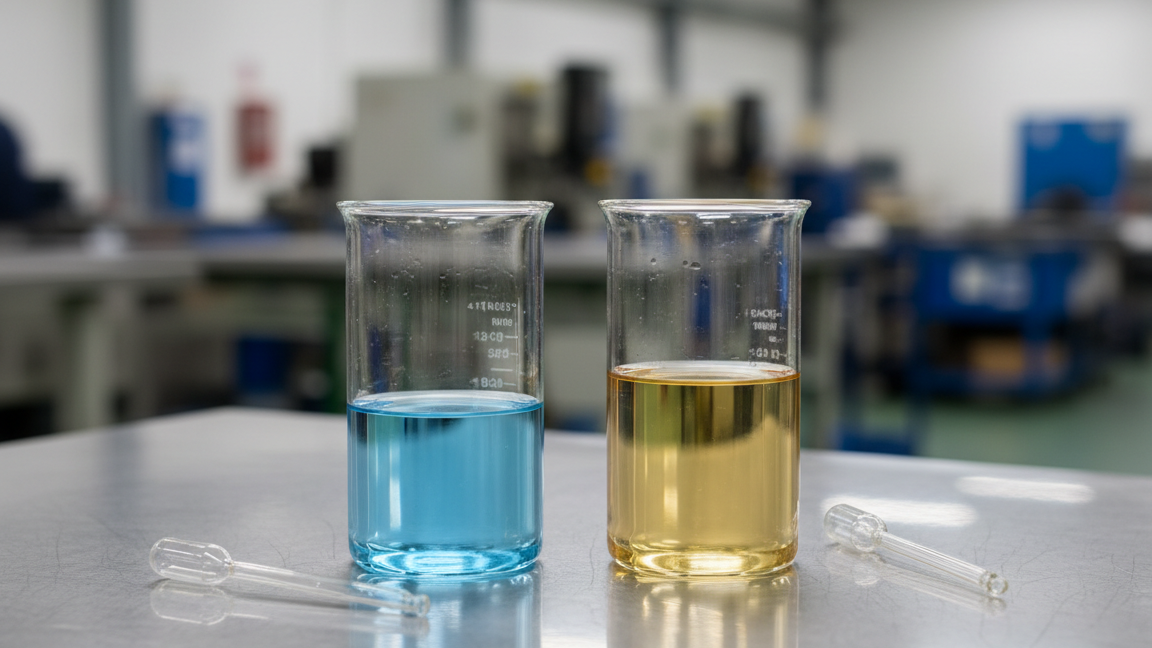
When protecting heating and cooling systems from freezing, propylene glycol and ethylene glycol stand as the two primary antifreeze solutions available to system owners. The choice between these glycol-based fluids carries significant implications for safety, performance, regulatory compliance, and long-term operating costs. Understanding the fundamental differences between these chemical compounds enables informed decision-making that protects both system integrity and human health.
Both glycol types serve the same basic function - lowering the freezing point of water in closed-loop systems whilst facilitating heat transfer. However, their chemical properties, safety profiles, and appropriate applications differ substantially. For building managers, facilities operators, and homeowners alike, selecting the correct glycol type represents a critical decision that affects system performance for years to come.
The distinction between propylene glycol and ethylene glycol extends beyond simple chemistry - it encompasses regulatory compliance, environmental responsibility, and risk management considerations that every system owner should understand before making a selection.
What Are Glycol Solutions and Why Do They Matter?
The Role of Antifreeze in Heating Systems
Glycol solutions prevent catastrophic system damage by lowering the freezing point of water circulating through pipes, heat exchangers, and equipment. When water freezes, it expands by approximately 9%, generating forces exceeding 25,000 psi - sufficient to rupture pipes, crack heat exchangers, and destroy pump housings. In UK climates where temperatures regularly drop below freezing during winter months, glycol protection becomes essential for systems in unheated spaces, outdoor installations, or buildings with intermittent heating.
Beyond freeze protection, glycol solutions provide corrosion inhibition when properly formulated with appropriate additives. Modern glycol products contain inhibitor packages that protect ferrous and non-ferrous metals, preventing oxidation that leads to system degradation. These inhibitors maintain pH balance, neutralise acidic compounds, and create protective films on metal surfaces throughout the system.
Propylene glycol and ethylene glycol both excel at freeze protection, but their thermal properties differ in ways that affect pump sizing, energy consumption, and overall system efficiency. The viscosity of glycol solutions increases compared to pure water, requiring careful consideration during central heating system design and pump selection.
Chemical Composition Basics
Propylene glycol (1,2-propanediol) and ethylene glycol (1,2-ethanediol) share similar molecular structures but differ fundamentally in toxicity and performance characteristics. Ethylene glycol contains two carbon atoms, whilst propylene glycol contains three, creating distinct physical and chemical properties that influence their suitability for different applications.
The molecular structure of ethylene glycol provides superior heat transfer capabilities and lower viscosity at operating temperatures. Its smaller molecular size allows more efficient thermal energy transfer between system components. However, this same structure creates the compound's significant toxicity, as ethylene glycol metabolises in the human body into toxic compounds including glycolic acid and oxalic acid.
Propylene glycol exhibits substantially lower toxicity due to its different metabolic pathway in biological systems. The human body metabolises propylene glycol into lactic acid, a naturally occurring compound that poses minimal health risk. This fundamental chemical difference explains why propylene glycol receives Generally Recognised As Safe (GRAS) status from regulatory bodies for food contact applications, whilst ethylene glycol carries strict toxicity warnings.
Propylene Glycol: Properties and Applications
Safety Profile and Toxicity Considerations
Propylene glycol stands as the preferred choice for applications where human safety takes priority. Its low toxicity rating makes it suitable for systems in food processing facilities, healthcare environments, and installations where accidental contact with potable water systems could occur. The compound's GRAS status reflects decades of safety data demonstrating minimal health risk even with direct ingestion.
In practical terms, propylene glycol exposure through skin contact or accidental ingestion produces minimal adverse effects in humans and animals. This safety margin provides significant advantages in facilities where workers regularly maintain heating systems or where system leaks could contaminate food preparation areas. Building operators can implement propylene glycol systems with reduced liability concerns and simplified safety protocols compared to toxic alternatives.
Environmental considerations favour propylene glycol as well. The compound biodegrades more readily than ethylene glycol, breaking down into non-toxic components that pose minimal ecological risk. Spills and disposal present fewer regulatory complications, reducing compliance costs and environmental liability for system owners. Grundfos pumps and other quality circulation equipment handle propylene glycol solutions effectively when properly specified for the application.
Performance Characteristics
Whilst propylene glycol offers clear safety advantages, its thermal performance characteristics require careful consideration during system design. The compound exhibits approximately 15% lower heat transfer efficiency compared to ethylene glycol at equivalent concentrations. This reduction necessitates larger heat exchangers or increased flow rates to achieve the same heating or cooling capacity.
Viscosity represents another performance consideration. Propylene glycol solutions demonstrate higher viscosity than ethylene glycol mixtures, particularly at lower temperatures. This increased thickness requires more powerful circulation pumps and consumes additional electrical energy during operation. For large commercial systems, the incremental pumping costs can accumulate significantly over decades of operation.
However, modern variable-speed circulators compensate for these viscosity differences through advanced hydraulic design and intelligent control technology. Proper system design accounts for propylene glycol properties during initial equipment specification, ensuring adequate flow rates and heat transfer without excessive energy consumption. The safety benefits typically outweigh the modest performance penalties for most applications.
Where Propylene Glycol Excels
Food and beverage processing facilities mandate propylene glycol for all glycol-based systems due to contamination risk. Breweries, dairies, and food manufacturing plants rely on propylene glycol to protect process cooling systems whilst maintaining compliance with food safety regulations. The compound's GRAS status eliminates concerns about product contamination from system leaks.
Healthcare facilities increasingly specify propylene glycol for HVAC and process cooling applications. Hospitals, pharmaceutical manufacturing plants, and research laboratories prioritise patient and worker safety, making the compound's low toxicity profile essential. These facilities often maintain potable water systems in close proximity to heating and cooling infrastructure, creating cross-contamination risks that only propylene glycol can safely address.
Residential applications benefit from propylene glycol safety as well. Homes with underfloor heating systems, outdoor connections, or solar thermal installations frequently choose propylene glycol to protect families and pets from accidental exposure. The peace of mind provided by non-toxic antifreeze justifies any incremental performance or cost differences for residential system owners.
Ethylene Glycol: Properties and Applications
Performance Advantages
Ethylene glycol delivers superior thermal performance in applications where human contact risk remains minimal. Its heat transfer efficiency exceeds propylene glycol by approximately 15%, allowing smaller heat exchangers, reduced flow rates, and lower pumping energy consumption. For large commercial installations, these performance advantages translate into measurable capital cost savings and reduced operating expenses.
The compound's lower viscosity compared to propylene glycol reduces pumping power requirements, particularly in systems operating at lower temperatures. Wilo circulators designed for commercial applications can operate more efficiently with ethylene glycol solutions, reducing electricity consumption over the system's operational life. This viscosity advantage becomes more pronounced as glycol concentration increases.
Ethylene glycol solutions cost less than equivalent propylene glycol products, typically 20-30% lower per litre. For large systems requiring hundreds or thousands of litres of glycol solution, this price difference represents substantial savings during initial fill and periodic replacement. Industrial facilities with tight capital budgets often select ethylene glycol based primarily on cost considerations when safety protocols permit its use.
Toxicity and Safety Concerns
Ethylene glycol's primary limitation stems from its significant toxicity to humans and animals. Ingestion of even small quantities can cause severe health effects including kidney damage, neurological impairment, and potentially death. The compound's slightly sweet taste makes it particularly dangerous, as accidental ingestion may occur without immediate detection by the victim.
Occupational exposure limits for ethylene glycol require strict handling procedures and worker training. Facilities using ethylene glycol must implement comprehensive safety programmes including personal protective equipment requirements, spill response protocols, and emergency medical procedures. These requirements increase administrative burden and liability exposure for system owners.
Environmental regulations govern ethylene glycol disposal due to its aquatic toxicity and persistence. Spent glycol solutions require proper collection and disposal through licensed waste management contractors, adding to lifecycle costs. Spills trigger regulatory reporting requirements and remediation obligations that can prove costly for facility operators.
Appropriate Use Cases
Closed-loop heating and cooling systems in industrial facilities represent the ideal application for ethylene glycol. These systems feature robust containment, limited public access, and trained maintenance personnel capable of implementing proper safety procedures. The performance and cost advantages of ethylene glycol justify its use when appropriate safeguards exist.
Large commercial HVAC installations in office buildings, retail centres, and institutional facilities commonly employ ethylene glycol in isolated closed-loop systems. These applications benefit from the compound's thermal efficiency whilst managing toxicity risk through proper system design and maintenance protocols. Expansion vessels and other system components must be rated for the specific glycol type in use.
District heating networks and large-scale thermal energy systems leverage ethylene glycol's performance advantages across extensive piping networks. The economies of scale in these applications make the compound's cost benefits particularly attractive, whilst centralised operation facilitates comprehensive safety management.
Direct Comparison: Key Differences
Heat Transfer Efficiency
Thermal conductivity measurements reveal ethylene glycol's approximately 15% efficiency advantage over propylene glycol at equivalent concentrations. This difference stems from molecular structure variations affecting heat transfer at the microscopic level. For a system requiring 100 kW of heating capacity, propylene glycol necessitates approximately 115 kW of heat exchanger capacity to achieve the same output as ethylene glycol.
System designers compensate for propylene glycol's lower thermal conductivity through larger heat exchangers, increased flow rates, or higher fluid velocities. Each approach carries cost implications - larger heat exchangers increase capital expenses, whilst higher flow rates demand more powerful pumps and consume additional electrical energy.
In practice, modern high-efficiency equipment minimises these performance differences. Variable-speed commercial circulators optimise flow rates dynamically, whilst advanced heat exchanger designs maximise surface area for thermal transfer. The efficiency gap between propylene glycol and ethylene glycol systems narrows considerably with proper design and equipment selection from suppliers like National Pumps and Boilers.
Freeze Protection Capabilities
Both propylene glycol and ethylene glycol provide excellent freeze protection when properly concentrated. However, ethylene glycol achieves lower freeze points at equivalent concentrations due to its molecular properties. A 40% ethylene glycol solution protects to approximately -23°C, whilst 40% propylene glycol protects to approximately -20°C - a modest but measurable difference.
This concentration difference matters primarily in extreme cold climate applications or systems requiring maximum freeze protection margins. For typical UK heating installations, both glycol types provide adequate protection at reasonable concentrations. Most systems specify 30-40% glycol concentration, protecting well below the lowest anticipated ambient temperatures experienced in British winters.
Freeze protection testing should occur annually using a refractometer or hydrometer to verify glycol concentration remains within specification. Glycol degradation, water dilution from system makeup, and leakage can reduce concentration over time, leaving systems vulnerable to freeze damage regardless of which glycol type was originally installed.
Cost Analysis
Initial purchase price favours ethylene glycol by 20-30% compared to propylene glycol products. For a 500-litre system requiring 40% glycol concentration, this difference amounts to £100-150 in product cost. Larger systems magnify these savings proportionally, making ethylene glycol attractive for budget-conscious projects where safety considerations permit its use.
However, total cost of ownership extends beyond initial glycol purchase. Propylene glycol's superior safety profile reduces insurance premiums in some applications, simplifies regulatory compliance, and minimises liability exposure. These indirect costs prove difficult to quantify but represent real economic value for risk-averse organisations.
Energy consumption differences between glycol types accumulate over decades of system operation. Ethylene glycol's lower viscosity reduces pumping energy by approximately 10-15% compared to propylene glycol at equivalent concentrations. For a commercial system consuming £5,000 annually in pumping energy, this difference amounts to £500-750 per year - a significant consideration for long-term operational budgets.
Regulatory Requirements and Compliance
UK and European Standards
Building Regulations affecting glycol selection focus primarily on preventing contamination of potable water supplies. Systems connected to or near drinking water infrastructure must use propylene glycol to eliminate health risks from potential cross-contamination. DHW pumps and domestic hot water systems fall under these requirements when glycol-protected circuits share proximity with potable water.
Health and Safety Executive guidelines govern workplace exposure to ethylene glycol, requiring risk assessments, control measures, and worker training for facilities using the compound. These requirements add administrative overhead and ongoing compliance costs that propylene glycol installations avoid.
Industry-specific regulations impose additional constraints. Food processing facilities operating under Food Safety Act requirements cannot use ethylene glycol in any system where product contamination could occur. Healthcare facilities must demonstrate that glycol selection aligns with patient safety priorities and infection control protocols.
System Design Considerations
Proper labelling and identification requirements apply to all glycol-protected systems. Labels must clearly identify the glycol type, concentration, and any hazard warnings. This information guides maintenance personnel and emergency responders in handling the system appropriately.
Backflow prevention in potable water systems becomes critical when glycol circuits exist in the same building. Appropriate air gaps, check valves, and break tanks prevent glycol contamination of drinking water supplies. Pump valves and control components must be rated for the specific glycol type in use.
Leak detection and containment strategies differ based on glycol toxicity. Ethylene glycol systems require more robust containment measures and faster leak response protocols than propylene glycol installations. Regular inspection schedules help identify developing leaks before they create safety hazards or environmental problems.
Selection Criteria for Your System
Risk Assessment Framework
Evaluating human contact potential forms the foundation of glycol selection. Systems in occupied spaces, residential buildings, or areas accessible to untrained personnel should use propylene glycol regardless of performance considerations. The liability exposure from ethylene glycol incidents far exceeds any performance or cost benefits.
Environmental sensitivity analysis considers the consequences of potential leaks or spills. Systems near water courses, in ecologically sensitive areas, or with drainage to municipal systems benefit from propylene glycol's lower environmental impact. Disposal costs and procedures also factor into the total cost of ownership calculation.
System accessibility and containment evaluation determines whether ethylene glycol can be used safely if performance requirements favour it. Fully enclosed systems in restricted-access plant rooms with trained maintenance staff may safely use ethylene glycol when proper protocols exist.
Application-Specific Recommendations
Residential heating systems should use propylene glycol exclusively. The presence of family members, including children and pets, combined with the difficulty of maintaining industrial-grade safety protocols in domestic settings, makes non-toxic glycol the only responsible choice. Lowara pumps handle propylene glycol solutions effectively for residential applications.
Commercial building considerations balance performance requirements against occupant safety. Buildings with public access typically specify propylene glycol, whilst industrial facilities with restricted access may consider ethylene glycol if robust safety measures exist.
Food and beverage facilities must use propylene glycol without exception. Regulatory requirements, liability concerns, and product safety considerations make any other choice unacceptable regardless of performance implications.
Maintenance and Monitoring Best Practices
Regular Testing Requirements
Glycol concentration testing should occur at least annually, with more frequent testing in critical applications. Refractometers provide quick field measurements, whilst laboratory analysis offers comprehensive fluid condition assessment including inhibitor levels and contamination detection.
pH level monitoring identifies glycol degradation before it causes system damage. Fresh glycol maintains pH between 8.5 and 10.5. Values below 8.0 indicate significant degradation requiring fluid replacement. DAB pumps and other system components can suffer accelerated corrosion when degraded glycol fails to maintain proper pH levels.
Record-keeping and documentation standards support warranty claims, regulatory compliance, and maintenance planning. Maintain records of glycol type, concentration, test dates, test results, and any maintenance actions taken. This documentation history proves invaluable for troubleshooting and demonstrates due diligence.
System Flushing and Replacement
Service life expectations vary between glycol types and operating conditions. Most manufacturers recommend complete replacement every 5-7 years, though annual testing may indicate earlier replacement needs. Systems operating at higher temperatures or with air ingress typically require more frequent replacement.
Proper flushing procedures remove degraded glycol and accumulated contaminants before refilling. Circulate clean water through the system, drain completely, and verify flushing water runs clear before introducing fresh glycol. Incomplete flushing contaminates new glycol and reduces its effective service life.
Disposal requirements differ significantly between propylene and ethylene glycol. Whilst both require proper waste management, ethylene glycol disposal involves hazardous waste protocols and higher disposal costs. Factor these end-of-life costs into total ownership calculations when selecting glycol type.
Making the Right Choice
The decision between propylene glycol and ethylene glycol ultimately depends on balancing safety requirements against performance considerations. For most residential and commercial applications, propylene glycol's safety advantages outweigh its modest performance penalties. The peace of mind, simplified compliance, and reduced liability exposure justify any incremental costs.
Ethylene glycol remains appropriate for industrial applications with robust containment, trained personnel, and no risk of human contact or environmental contamination. The performance and cost benefits can be realised safely when proper protocols exist and are consistently followed.
Professional guidance ensures appropriate glycol selection for specific applications. Contact Us to discuss system requirements and receive expert recommendations tailored to individual installations and operational needs.