

Pump and Boiler Mounting: Why Proper Support Matters
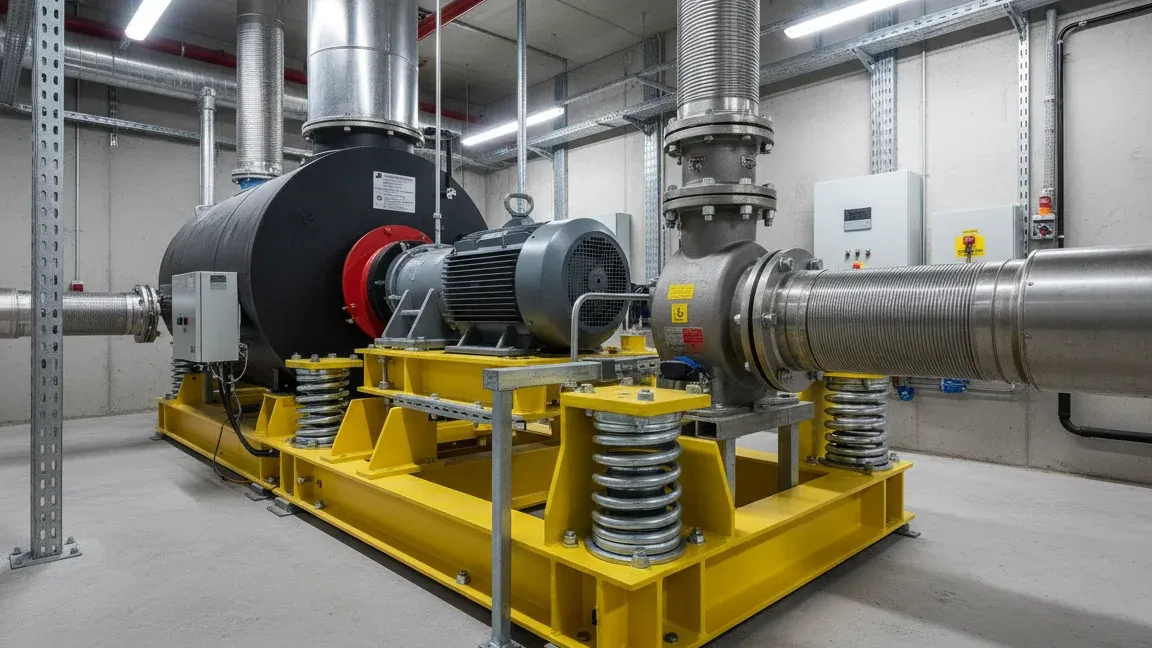
When a pump mounting system fails, the consequences extend far beyond simple equipment malfunction. Inadequate support structures lead to premature bearing failure, seal damage, excessive vibration, and costly emergency repairs. Across the UK, facility managers and homeowners face thousands of pounds in avoidable expenses each year because mounting considerations were treated as an afterthought rather than a critical engineering requirement.
The foundation of any reliable heating system starts with how equipment connects to the building structure. Whether installing a compact domestic circulator or a commercial boiler system, the mounting arrangement determines operational efficiency, equipment lifespan, and long-term maintenance costs. Proper pump mounting prevents the majority of common mechanical failures in heating systems.
Why Proper Mounting Forms the Foundation of System Performance
The Engineering Principles Behind Secure Mounting
Every operating pump generates vibration. Without adequate pump mounting support, these vibrations transfer directly into pipework, building structures, and connected equipment. The resulting stress concentrations accelerate wear on bearings, mechanical seals, and shaft components. In extreme cases, vibration amplification can crack pipe joints, loosen electrical connections, and create noise problems throughout a building.
Load distribution represents another critical mounting consideration. Central heating pumps exert static weight plus dynamic forces during operation. Mounting brackets must distribute these loads across sufficient structural area to prevent localised stress points. Wall-mounted installations require proper assessment of wall construction - a plasterboard partition cannot safely support equipment designed for masonry fixing.
Thermal expansion affects every heating system. As equipment reaches operating temperature, metal components expand. Rigid mounting arrangements that do not accommodate this movement create internal stresses that reduce equipment lifespan. Professional installations include expansion allowances in pipe supports and mounting designs, preventing stress transfer to pump casings and boiler connections.
Acoustic performance depends heavily on mounting design. Vibration isolation materials incorporated into pump mounting systems reduce noise transmission by 60-70% compared to direct-fixed installations. This matters particularly in residential settings where heating equipment operates near living spaces. Spring isolators, rubber dampening pads, and resilient mounting brackets all contribute to quieter system operation.
The Cost of Inadequate Support Systems
Real UK examples demonstrate the financial impact of poor mounting decisions. A Manchester office building experienced repeated circulator failures over three years, replacing pumps four times before an assessment revealed inadequate wall brackets causing shaft alignment problems. The total cost - including emergency callouts, replacement pumps, and lost heating during repairs - exceeded £8,000. Proper mounting installed during the fifth replacement cost £450 and eliminated further failures entirely.
Premature equipment failure represents just the beginning of potential costs. Secondary damage to pipework often costs more than the original equipment replacement. Vibration from poorly mounted pumps loosens compression fittings, cracks soldered joints, and fatigues copper pipe over time. Water damage from vibration-induced pipe failures can total tens of thousands of pounds in repair costs.
Energy waste from misaligned equipment adds ongoing operational costs. When pump mounting allows shaft misalignment, internal friction increases and pump efficiency drops measurably. A 10% efficiency loss on a commercial heating system operating 5,000 hours annually wastes approximately £400-600 in electricity costs. Over a typical 15-year equipment lifespan, inadequate mounting costs thousands in unnecessary energy consumption.
Downtime costs vary by application but always exceed the mounting investment many times over. Residential heating failures during winter create emergency situations requiring premium-rate callouts. Commercial facilities lose productivity when heating systems fail unexpectedly.
Mounting Requirements for Different Pump Types
Central Heating Circulators and Residential Applications
Domestic heating pumps require mounting that provides rigid support whilst isolating vibration from building structures. Wall-mounting represents the most common approach, using brackets designed specifically for pump weight and dimensions. The mounting surface must be solid masonry or structural timber - never plasterboard alone. Proper installations include backing plates or spreader bars to distribute loads across multiple fixing points.
Pipe support becomes critical in circulator installations. The pump body should never carry the weight of connected pipework. Independent pipe supports positioned within 300mm of pump connections prevent stress transfer to pump casings. This protection extends equipment lifespan significantly, particularly for central heating pumps operating continuously throughout heating seasons.
Isolation requirements vary by pump size and building construction. Smaller circulators in solid-wall buildings may need only rubber mounting washers. Larger pumps or installations in lightweight construction benefit from spring isolators or resilient mounting pads. The goal is preventing vibration transmission whilst maintaining rigid support for the pump body itself.
Accessibility deserves consideration during mounting design. Service engineers need clear access to pump isolating valves, electrical connections, and the pump head for maintenance. Mounting positions that place pumps against walls or in tight corners increase service time and costs. Allowing 500mm clearance around the pump facilitates efficient maintenance and reduces long-term operating expenses.
Commercial and Industrial Pump Installations
Heavy-duty mounting requirements increase substantially for larger circulators and commercial pump sets. Floor-mounting becomes standard for pumps exceeding 50kg, using concrete bases or structural steel frames. These foundations must be designed for pump weight plus dynamic loads during operation. Inadequate foundation design causes settlement, misalignment, and premature mechanical failure.
Commercial circulators often require dedicated vibration isolation systems. Spring isolators sized for equipment weight and operating speed reduce vibration transmission by 90% or more. Inertia bases - concrete blocks mounted on isolators - provide additional mass that dampens vibration before it reaches building structures. These systems cost £500-2,000 depending on pump size but eliminate noise complaints and structural damage.
Multi-pump configurations require careful mounting coordination. Parallel pump arrangements need individual isolation to prevent vibration transfer between units. Pump spacing must accommodate maintenance access whilst keeping pipework runs efficient. Manifold connections require independent support preventing any single pump from carrying system pipe loads.
Grundfos pumps and other quality manufacturers provide detailed mounting specifications in their installation documentation. Following these specifications ensures equipment operates within design parameters and maintains warranty coverage.
Boiler Mounting and Support Considerations
Wall-Hung Boiler Installation Standards
Wall-hung boilers place significant demands on mounting structures. Modern condensing boilers weigh 30-50kg empty, with water content adding another 10-15kg. The mounting wall must be solid masonry capable of supporting 150% of total boiler weight - the safety factor required by most manufacturers. Stud walls require substantial reinforcement or alternative mounting approaches.
Bracket design varies by manufacturer but all share common requirements. Fixing points must penetrate deep into masonry - typically 75-100mm minimum. Resin anchors or through-bolts provide superior holding power compared to expansion anchors in many wall types. The bracket itself must be rigid steel construction, not pressed sheet metal, to prevent deflection under load.
Clearance requirements affect mounting position significantly. Gas Safe regulations specify minimum distances from windows, doors, and property boundaries for flue terminals. Service access requires clearance below and to the sides of the boiler. Mounting height should position controls at comfortable operating level whilst maintaining these clearances.
Flue positioning relative to mounting location requires careful planning. The flue must have adequate fall for condensate drainage whilst maintaining manufacturer-specified maximum length. Mounting the boiler to achieve optimal flue routing often provides better long-term performance than mounting in the most convenient location with compromised flue design.
Floor-Standing Boiler Support Systems
Floor-standing boilers require purpose-built foundations in most installations. Concrete bases provide stable, level support for boiler weight whilst distributing loads across sufficient floor area. The base should extend 50-100mm beyond boiler footprint on all sides, with thickness determined by boiler weight and floor construction. Typical domestic installations use 100-150mm thick concrete bases, whilst commercial boilers may require 200mm or more.
Levelling becomes critical for boiler performance. Most manufacturers specify maximum permissible deviation from level - typically 2-3mm across the boiler base. Uneven mounting causes water circulation problems, uneven combustion, and premature heat exchanger failure. Professional installations use precision levelling during base construction, with shims or adjustable feet for final adjustment.
Thermal expansion allowances matter particularly for larger boilers. As the boiler reaches operating temperature, the casing expands. Rigid pipe connections without expansion provision transfer stress to boiler connections, causing leaks and connection failures. Proper installations include flexible connections or expansion loops in pipework near the boiler.
Anti-vibration mounting applies to larger commercial units where burner operation creates noticeable vibration. Wilo pumps and other commercial circulator manufacturers specify isolation requirements for their largest models. Boilers with integral pumps benefit from similar isolation, using resilient pads beneath the boiler base to reduce vibration transmission.
Common Mounting Failures and How to Prevent Them
Identifying Inadequate Support Before Problems Escalate
Warning signs of mounting problems appear long before catastrophic failure occurs. Excessive noise represents the most obvious indicator - pumps should operate with minimal audible vibration. Loud humming, rattling, or vibration felt through nearby surfaces indicates inadequate mounting or isolation. Early intervention prevents the bearing damage and seal failure that follows prolonged vibration exposure.
Visual inspection reveals mounting deterioration. Cracks in walls near mounting brackets, loose fixing bolts, or visible movement when equipment operates all indicate inadequate support requiring attention. Corrosion on steel brackets reduces load capacity, particularly in damp environments like boiler rooms. Annual inspection catches these issues before they cause equipment failure.
Shaft alignment checking procedures identify mounting problems affecting pump performance. Alignment between pump and motor should remain within manufacturer specifications - typically 0.1-0.2mm for smaller pumps. Misalignment increases bearing loads, reduces efficiency, and shortens equipment lifespan. Mounting settlement or inadequate rigidity allows alignment to drift over time.
National Pumps and Boilers recommends professional assessment when problems persist despite maintenance. Vibration analysis equipment measures frequency and amplitude, identifying whether issues stem from mounting, internal wear, or system design. This diagnostic approach prevents replacing equipment when mounting improvements would solve the problem at a fraction of the cost.
The Relationship Between Mounting and System Efficiency
Misalignment from inadequate pump mounting directly reduces pumping efficiency. Internal clearances between impeller and pump casing are designed to tight tolerances - typically 0.3-0.5mm. When mounting allows shaft deflection, these clearances increase on one side and decrease on the other. The result is reduced hydraulic efficiency and increased recirculation losses. Efficiency drops of 5-15% are common with significant misalignment.
Cavitation risks increase when mounting problems cause vibration and pressure fluctuations. Cavitation - the formation and collapse of vapour bubbles in the pump - damages impellers and reduces performance. Proper pump mounting maintains stable operating conditions that prevent cavitation, particularly in systems operating near saturation temperature.
Bearing wear patterns indicate mounting issues long before failure occurs. Bearings experiencing uneven loading from misalignment show wear concentrated on one side rather than uniform wear around the circumference. Vibration analysis during routine maintenance identifies these patterns, allowing corrective mounting adjustments before bearing replacement becomes necessary.
Energy consumption increases measurably with poor mounting. Studies of commercial heating systems found that pumps with inadequate mounting consumed 8-12% more electricity than properly mounted identical units. Across thousands of operating hours annually, this waste represents substantial unnecessary cost. The payback period for proper mounting improvements typically runs under two years from energy savings alone.
Professional Installation Standards and Compliance
UK Regulations and Building Standards
Building regulations Part L addresses energy efficiency in heating systems, with implications for equipment mounting. Properly mounted and aligned pumps operate more efficiently, contributing to overall system compliance. Whilst regulations do not specify mounting methods explicitly, the efficiency requirements effectively mandate professional installation practices.
Gas Safe requirements apply directly to boiler installations. Registered engineers must follow manufacturer instructions for mounting and support, as these affect safe operation. Inadequate boiler mounting that allows movement or stress on gas connections creates safety hazards requiring immediate attention.
Manufacturer specifications carry warranty implications. Most pump and boiler warranties require professional installation following manufacturer guidelines. These guidelines always include mounting requirements - bracket types, fixing methods, and support provisions. Installations that deviate from specifications may void warranties, leaving owners liable for premature failure costs.
Professional certification through bodies like CIPHE (Chartered Institute of Plumbing and Heating Engineering) indicates installers understand proper mounting practices. Certified professionals recognise the engineering principles behind mounting requirements and implement installations that deliver long-term reliability.
Material Selection for Mounting Components
Appropriate fixing materials vary by application and environment. Stainless steel brackets resist corrosion in damp environments like boiler rooms and external installations. Galvanised steel provides adequate protection in dry internal locations at lower cost. Pressed steel brackets may be suitable for light domestic pumps but lack the rigidity required for commercial installations.
Corrosion resistance requirements increase in aggressive environments. Coastal locations, swimming pool plant rooms, and industrial facilities with chemical exposure all demand superior material selection. Stainless steel fixings, plastic-coated brackets, and corrosion-resistant anchor systems prevent premature mounting failure.
Load-rated brackets and support systems provide defined capacity specifications. Commercial installations should use only components with published load ratings exceeding equipment weight by appropriate safety factors. Lowara and other quality manufacturers can advise on appropriate mounting specifications for their equipment.
Isolation materials for vibration control include rubber, cork, and spring systems. Rubber pads suit light domestic applications, providing 40-60% vibration reduction. Cork composites offer similar performance with better resistance to oils and chemicals. Spring isolators deliver 90%+ isolation efficiency for commercial applications where vibration control is critical.
Maintenance Access and Service Considerations
Designing Mounting Systems for Long-Term Serviceability
Clearance requirements around equipment facilitate efficient maintenance and reduce long-term costs. Pumps need 500mm clearance for head removal and seal replacement. Boilers require access to all service panels, with manufacturers specifying minimum clearances in installation manuals. Mounting positions that compromise these clearances increase service time and costs throughout equipment life.
Valve accessibility in mounting design prevents service complications. Isolating valves should be reachable without removing the pump or boiler. Drain points need clear access with space for drainage containers. Electrical connections require clearance for safe disconnection during maintenance. Expansion vessels and other system components similarly require accessible mounting for periodic inspection and maintenance.
Future replacement considerations should influence mounting design. Using standard bracket types and fixing patterns allows equipment upgrades without extensive mounting modifications. Avoiding custom fabrications that fit only one equipment model reduces replacement costs when equipment reaches end of life.
DHW pumps and other heating system components require similar attention to mounting design for long-term serviceability. Professional installation ensures mounting systems meet all these requirements, delivering installations that perform reliably for decades.
Conclusion
Pump mounting represents far more than a simple installation detail - it forms the foundation of reliable, efficient heating system operation. Proper support structures prevent premature equipment failure, reduce energy consumption, eliminate noise problems, and minimise long-term maintenance costs. The engineering principles behind effective mounting apply universally, whether installing a compact domestic circulator or a multi-pump commercial system.
The modest additional investment in professional mounting pays dividends through reduced maintenance costs, improved efficiency, and extended equipment lifespan. Expert assessment of structural conditions, proper material selection, and compliance with manufacturer specifications deliver installations that perform reliably throughout equipment service life.
For expert guidance on pump and boiler mounting requirements, Contact Us to discuss specific installations with experienced heating specialists who can recommend solutions ensuring long-term reliability and performance.