

Pump Control Strategies for Hybrid Heat Pump and Boiler Combination Systems
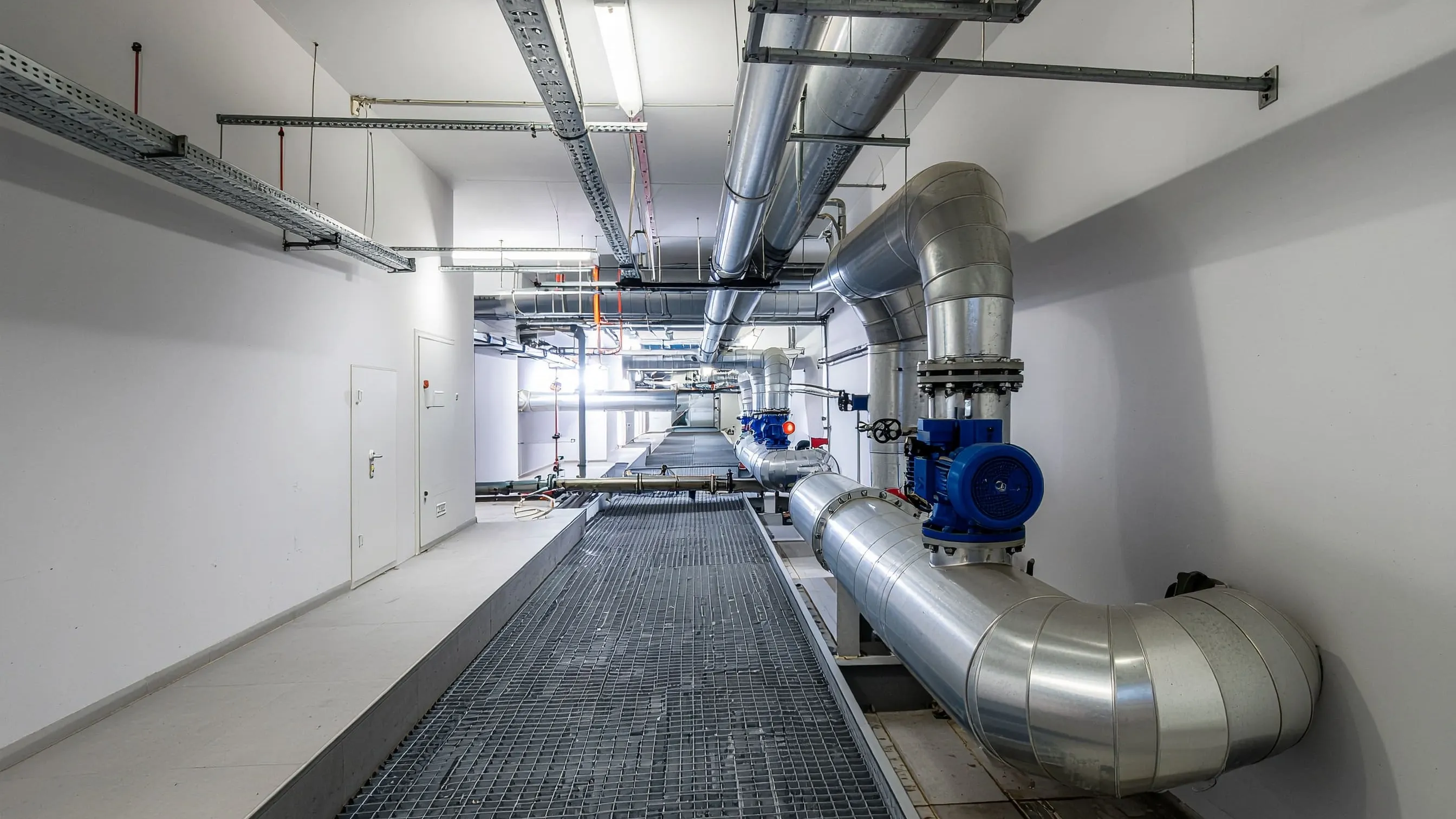
Integrating two entirely different heat sources creates one of the most technically demanding installations in modern heating engineering. Coordinating a modern hybrid heat pump boiler system centres on managing two generators with distinct operating characteristics. You must maintain indoor comfort, minimise energy consumption, and protect equipment longevity simultaneously. The pump control strategy determines whether your setup delivers genuine efficiency gains or becomes an expensive failure.
The control philosophy differs drastically from traditional single-source systems. A conventional boiler installation might use straightforward on-off control with simple zone valves. However, hybrid setups require intelligent sequencing between heat sources. Incorrect hydraulics cause the heat pump to run against unnecessary resistance while the boiler short-cycles. This negates the massive efficiency advantages that justify the initial installation cost.
Understanding Hybrid System Architecture
The fundamental principle positions the heat pump as the primary heat generator. The boiler provides supplementary capacity during periods of high demand or extremely cold weather. This arrangement exploits the heat pump's superior efficiency during mild conditions. It ensures adequate heat output when outdoor temperatures drop below the heat pump's effective operating range.
Think of a hybrid heat pump boiler system exactly like a hybrid car. The electric motor handles the highly efficient low-speed city driving. The petrol engine then kicks in for heavy acceleration or steep hills when maximum power is needed. As specialists at National Pumps and Boilers, we understand that blending these two power sources smoothly is key to success.
Hydraulic separation between the two heat sources proves absolutely essential. Direct connections without proper isolation create dangerous scenarios. The boiler's higher flow temperature can circulate back through the heat pump's condenser. This forces the refrigeration circuit to work against elevated return temperatures, destroying its efficiency immediately.
Primary Pump Control Methods
Variable speed pump operation delivers the most refined control available today. Modern electronically commutated motors adjust flow rates automatically in response to system pressure changes. They maintain constant pressure across the distribution network regardless of how many zones are calling for heat.
Using the highly efficient grundfos proportional pressure mode is an excellent example of this technology. It modulates the flow perfectly to match the reduced heat output required during milder weather. It also requires relying on a precise weather compensation sensor to dictate the exact adjustments needed.
Fixed speed pumps with zone valve control represent a traditional approach that still works in smaller installations. This uses spring-return motorised valves on each heating zone. The electrical consumption remains high regardless of actual heat demand, making variable speed options far more attractive.
Hydraulic Separation Techniques
Proper separation prevents the boiler from inadvertently heating the heat pump's return water. Without separation, the boiler's 80°C flow temperature can migrate through the distribution circuits. This elevates the heat pump return temperature to a level where the unit becomes a net energy liability. When specifying a Remeha Quinta cascade arrangement, strict isolation is required to prevent these catastrophic thermal clashes.
A low loss header provides this separation perfectly. Heat sources pump into the header from one side, and distribution circuits draw from the opposite side. The large internal volume and low flow velocity prevent significant mixing. Using a reliable remeha cascade setup handles this division seamlessly.
Each heat source requires its own dedicated pump on the primary side of the header. Secondary circuit pumps then serve the distribution zones. You can find all the necessary commercial heating supplies to build these hydraulically separated networks correctly.
Weather Compensation Integration
An outdoor weather compensation sensor continuously monitors ambient conditions. This adjusts system behaviour to match actual heat demand rather than reacting slowly to internal temperature drops. Proper bivalent point adjustment represents the outdoor temperature where the heat pump alone cannot meet the building's heat loss.
A commercial installer recently set the bivalent point too high on a care home's new setup. The gas boiler was running constantly even in mild weather. A simple bivalent point adjustment dropped their daily gas consumption by 40% while maintaining perfect indoor comfort.
For a typical UK dwelling, this crossover point usually falls between -3°C and +3°C. Above this point, the heat pump operates alone efficiently. Below it, the boiler supplements or entirely replaces the heat pump operation.
Zone Control in Hybrid Systems
Independent zone circulation allows different areas of the building to receive specific heat levels. Managing a hybrid heat pump boiler system requires coordinating this demand perfectly. You must direct the right temperature water to the appropriate circuits without wasting energy.
Underfloor heating circuits typically require 35°C to 45°C flow temperatures, which aligns perfectly with heat pump operation. Radiator circuits might need 50°C to 70°C depending on the radiator sizing and the outdoor temperature. A high-capacity Remeha Quinta cascade setup handles the high-temperature radiator circuits efficiently when demand spikes.
Mixing valves blend the available heat sources to suit each circuit's specific requirements. They direct low-temperature demand to the heat pump and reserve the boiler for high-temperature zones. Using an intelligent peripheral pump on secondary circuits helps maintain precise flow control across these mixed networks.
DHW Priority Control
Domestic hot water preparation introduces massive control complexity. Cylinder charging requires temperatures around 60°C to prevent Legionella bacteria growth. This temperature requirement often exceeds the heat pump's efficient operating range during freezing weather.
Installing a robust DHW priority diverter valve completely isolates the space heating circuits during cylinder charging. When the cylinder calls for heat, the DHW priority diverter valve shifts the full output of the selected heat source to the hot water coil. You should always use a high-efficiency domestic hot water pump for this dedicated circuit.
During cold weather when the heat pump struggles to reach 60°C efficiently, the boiler takes priority. Using a Remeha Quinta cascade for deep winter cylinder charging ensures rapid recovery times. A dedicated hot water recirculation pump keeps the supply lines primed safely.
Electrical Control Architecture
Relay logic for pump activation requires careful design to prevent conflicting commands. Each heat source needs a dedicated relay to energise its primary pump correctly. The control logic must safely manage the DHW priority diverter valve during rapid source switching.
Failsafe protocols ensure the system defaults to a safe operating mode if sensor faults occur. If the weather compensation sensor fails completely, the system should assume cold weather conditions and enable both heat sources. Manual override provisions allow temporary operation outside normal automatic control during maintenance.
Proper electrical architecture prevents indefinite DHW priority. If a fault prevents the cylinder from reaching temperature after 90 minutes, the control system must revert to space heating. This keeps the building warm even if the hot water thermostat fails.
Performance Optimisation
Seasonal efficiency monitoring reveals whether your setup delivers its theoretical benefits. A well-optimised hybrid heat pump boiler system should achieve outstanding SCOP values in UK climate conditions. If your monitoring reveals poor efficiency, you likely have a hydraulic separation failure.
Flow temperature optimisation involves progressively reducing system temperatures. You monitor the building to ensure comfort standards are fully maintained. Reducing your radiator flow temperature from 70°C to 50°C extends heat-up times slightly. However, it allows the heat pump to carry a much larger proportion of the annual heating load.
Runtime balancing between heat sources provides deep insight into system performance. An accurate bivalent point adjustment ensures the boiler only fires during the absolute coldest periods. The heat pump should easily provide 70% to 85% of your total annual heat demand.
Conclusion
The hybrid heat pump boiler system achieves its potential only through intelligent sequencing and precise hydraulic separation. Distribution pump control must maintain design flow rates independently of how the heat sources modulate. Getting these physical parameters right prevents thermal interference and catastrophic efficiency loss.
Proper weather compensation configuration transforms a complex arrangement into a reliable, low-carbon heating network. Professional commissioning remains absolutely essential for long-term success. Individual component quality can never compensate for poor hydraulic integration or flawed control logic.
If you require expert guidance on configuring these complex systems, Speak to a Pump & Boiler Specialist today. Our technical team understands the strict requirements for integrating modern heat pumps with traditional boiler plants successfully.