

Pump Material Requirements for Glycol-Based Heating Systems
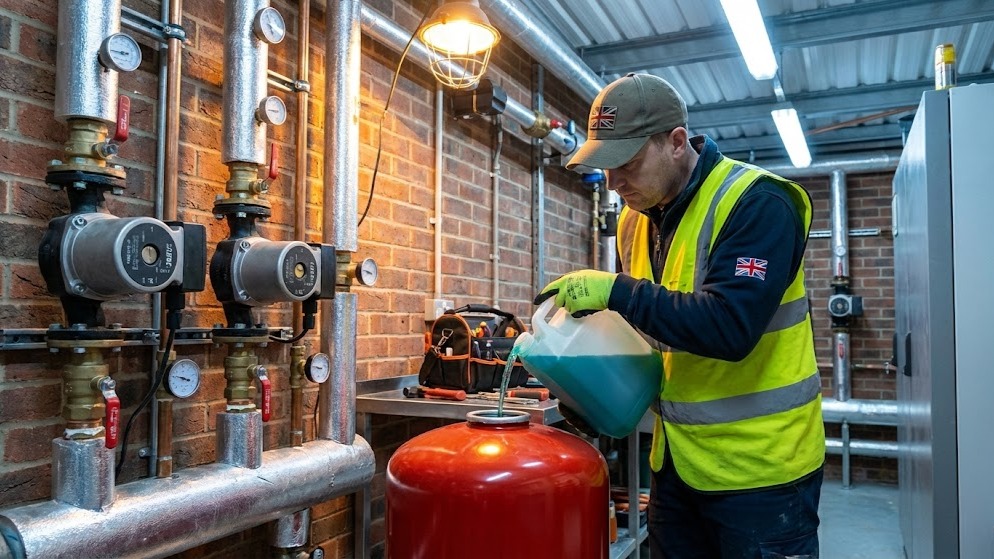
Glycol-based heating systems present unique challenges that standard pump materials may not withstand. When antifreeze concentrations reach 30-50% in commercial HVAC applications, the fluid's chemical properties change dramatically - affecting viscosity, lubrication characteristics, and material compatibility. Selecting pumps with inappropriate materials leads to premature seal failure, impeller degradation, and costly system downtime.
National Pumps and Boilers supplies commercial heating equipment specifically rated for glycol service, addressing the glycol heating pump materials compatibility requirements that distinguish these systems from standard water-based installations.
Why Glycol Changes Material Requirements
Glycol solutions - whether ethylene glycol or propylene glycol - alter the chemical environment inside heating systems. The antifreeze reduces the fluid's natural lubricity compared to water, increasing friction on mechanical seals and bearings. This change in lubrication properties accelerates wear on pump components designed only for water service.
Viscosity Impact on Performance
The fluid's increased viscosity at higher concentrations also affects pump performance. A 40% propylene glycol solution exhibits roughly 3-4 times the viscosity of water at 10°C, requiring glycol compatible pumps with adequate power margins and impeller designs that maintain efficiency under these conditions. Standard central heating pumps rated for water may experience flow rate reductions of 15-20% when handling glycol mixtures without appropriate specification adjustments.
Chemical Compatibility Challenges
Chemical compatibility becomes critical with elastomer seals and gaskets. Glycol solutions can cause certain rubber compounds to swell, harden, or deteriorate over 12-24 months of continuous exposure. Pumps using standard nitrile (Buna-N) seals may show acceptable initial performance, but long-term glycol exposure often leads to seal deformation and eventual leakage.
Seal Material Selection for Glycol Service
Mechanical seals represent the primary failure point in glycol heating applications. The seal faces must maintain contact under reduced lubrication conditions whilst resisting chemical attack from the antifreeze solution.
EPDM Seals
EPDM (Ethylene Propylene Diene Monomer) seals provide excellent glycol resistance for both ethylene and propylene glycol solutions. This elastomer maintains flexibility across the temperature range typical in heating systems (-20°C to 110°C) without significant hardening or swelling. Grundfos circulators specified for glycol service typically incorporate EPDM seals as standard, offering service life exceeding 5 years in properly maintained systems.
Viton and Carbon-Ceramic Seals
Viton (FKM) seals deliver superior chemical resistance and temperature stability, making them suitable for high-temperature glycol applications or systems with glycol concentrations above 40%. Whilst more expensive than EPDM, Viton seals justify the cost in critical commercial installations where extended service intervals reduce maintenance expenses. Commercial Wilo pumps for district heating often specify Viton seals for installations operating at 90-110°C.
Carbon-ceramic mechanical seals provide the longest service life in demanding glycol applications. The carbon seal face running against a ceramic counterface tolerates the reduced lubricity of glycol solutions whilst maintaining seal integrity. These seals typically appear in larger commercial circulators (50mm connections and above) where replacement costs justify the premium specification.
Seal Verification Requirements
Installers must verify seal materials before commissioning glycol systems. Pumps supplied with standard nitrile seals require replacement with glycol-compatible alternatives - a specification often overlooked during equipment selection that leads to premature failure within 18-24 months.
Impeller and Volute Material Considerations
Cast iron impellers and volutes serve adequately in most glycol heating applications, provided the system maintains proper inhibitor levels. Glycol solutions themselves do not aggressively corrode ferrous metals, but the antifreeze's ability to mobilise oxygen and carry it through the system can accelerate corrosion if inhibitors deplete.
Bronze and Stainless Steel Options
Bronze impellers offer enhanced corrosion resistance in systems where inhibitor maintenance may prove inconsistent. The material withstands both glycol exposure and the elevated corrosion potential from oxygen ingress. Lowara pumps for commercial glycol systems often specify bronze-fitted impellers, particularly for installations in remote locations where regular water treatment monitoring presents challenges.
Stainless steel components (typically 316 grade) provide maximum corrosion protection in critical applications or systems with extended service intervals. The material cost premium becomes justified in installations where pump failure causes significant operational disruption - data centres, pharmaceutical facilities, or process heating systems requiring continuous operation.
Plastic Impellers
Plastic (typically glass-reinforced noryl) impellers appear in some smaller domestic circulators rated for glycol service. These materials eliminate corrosion concerns entirely and reduce rotating mass, but limit maximum operating temperatures to 90-95°C. Domestic central heating equipment using plastic impellers suits underfloor heating systems with glycol protection, where lower operating temperatures align with the material's limitations.
Bearing and Shaft Material Requirements
Bearing systems in glycol compatible pumps must function with reduced fluid lubrication compared to water applications. Standard wet-rotor circulators rely on the pumped fluid to lubricate the rotor bearings - a design approach that requires careful material selection when handling glycol.
Ceramic and Carbon Bearings
Ceramic bearings provide superior wear resistance under glycol's reduced lubricity conditions. Silicon carbide or alumina ceramic bearings maintain dimensional stability and resist the abrasive wear that can occur when glycol solutions carry fine particulate matter through the system. Premium DHW pumps rated for glycol service incorporate ceramic bearings to ensure 10+ year service life.
Carbon bearings offer acceptable performance in moderate-duty glycol applications at lower cost than ceramic alternatives. The self-lubricating properties of carbon bearing materials compensate partially for glycol's reduced lubricity, though wear rates exceed those of ceramic bearings by 2-3 times over equivalent service periods.
Shaft Materials
Shaft materials must resist both corrosion and wear under glycol exposure. Stainless steel shafts (typically 316 grade) serve as standard specification for commercial glycol pumps, providing corrosion resistance and adequate wear properties when paired with appropriate bearing materials. Some manufacturers specify ceramic-coated shafts in high-performance applications, reducing friction and extending bearing life by 30-40% compared to standard stainless steel.
O-Ring and Gasket Material Compatibility
Beyond the mechanical seal, pumps contain numerous O-rings and gaskets that require glycol compatibility. These static seals prevent external leakage at flanges, ports, and removable covers.
Compatible O-Ring Materials
EPDM O-rings provide reliable sealing in glycol service across the full temperature range of heating applications. The material resists both ethylene and propylene glycol without significant swelling, maintaining seal compression over years of service. Installers should verify that all pump O-rings use EPDM or equivalent glycol-compatible elastomers before system commissioning.
Viton O-rings offer enhanced chemical resistance for high-temperature applications or systems with aggressive water treatment chemicals alongside glycol. The material's higher cost limits its use to critical seal locations in premium pump specifications.
Nitrile O-Ring Limitations
Standard nitrile O-rings show variable compatibility with glycol solutions. Whilst some nitrile compounds tolerate glycol exposure adequately, others exhibit swelling or hardening that compromises seal integrity. Pumps supplied with nitrile O-rings require verification of glycol compatibility from the manufacturer - a specification detail often absent from standard product literature.
System Inhibitor Impact on Material Selection
Glycol heating systems require corrosion inhibitors to protect ferrous metals and prevent pH drift that accelerates material degradation. These inhibitors affect glycol heating pump materials compatibility independently of the glycol itself.
Inhibitor Types
Molybdate-based inhibitors provide effective corrosion protection for ferrous metals whilst showing good compatibility with EPDM and Viton seals. Systems using molybdate inhibitors allow standard cast iron pump construction with appropriate seal materials.
Nitrite-based inhibitors offer robust corrosion protection but may affect certain seal materials over extended exposure. Pumps in nitrite-inhibited systems require specific seal material verification, as some EPDM compounds show reduced service life in high-nitrite environments.
Organic acid technology (OAT) inhibitors deliver long-life corrosion protection with minimal impact on seal materials. These inhibitors suit systems requiring extended service intervals (5+ years between fluid changes) but cost more than traditional inhibitor formulations. Premium pump specifications often assume OAT inhibitor use, allowing broader material compatibility and extended component life.
Matching Materials to Inhibitors
Installers must match pump materials to the specific inhibitor package used in the system. Glycol suppliers provide inhibitor compatibility data, but this information rarely reaches the pump selection stage - creating a specification gap that contributes to premature component failure.
Performance Derating for Glycol Applications
Glycol's increased viscosity requires pump performance derating beyond material specification changes. Manufacturers provide derating curves showing flow and head reduction at various glycol concentrations, but installers frequently overlook this critical specification step.
Flow and Power Impacts
A pump delivering 3.5 m³/h at 4.0 metres head with water typically provides only 2.8-3.0 m³/h at the same head when handling 40% propylene glycol at 20°C. This 15-20% flow reduction affects system heat output unless the pump specification includes adequate capacity margin.
Motor power requirements increase with glycol concentration due to higher fluid viscosity. A circulator drawing 85 watts with water may require 110-120 watts when handling 40% glycol - affecting electrical specification and operating costs. Variable-speed pumps partially compensate by increasing speed to maintain flow, but maximum speed limitations may prevent achieving design flow rates in systems with inadequate initial pump sizing.
Temperature Considerations
Temperature significantly affects glycol viscosity and pump performance. A 40% propylene glycol solution shows 3-4 times water viscosity at 10°C but only 1.5-2 times at 40°C. Systems operating at lower temperatures require more aggressive performance derating than high-temperature applications. Underfloor heating systems with glycol protection present the most challenging specification scenario, combining high glycol concentrations with low operating temperatures (35-45°C supply).
Specification Process for Glycol Heating Pumps
Proper pump specification for glycol service requires systematic consideration of fluid properties, material compatibility, and performance requirements. This process differs substantially from standard water-based heating system design.
Glycol Selection and Concentration
Determine glycol type and concentration based on freeze protection requirements. Propylene glycol suits potable water systems and applications requiring lower toxicity, whilst ethylene glycol provides better heat transfer at equivalent concentrations. Concentration typically ranges from 25% (protection to -12°C) to 40% (protection to -23°C) for UK commercial heating applications.
Flow and Material Requirements
Calculate system flow requirements including the performance derating for the specified glycol concentration and minimum operating temperature. Add 20-30% capacity margin beyond calculated requirements to ensure adequate flow under worst-case viscosity conditions.
Verify material compatibility for all wetted components including seals, O-rings, impeller, volute, bearings, and shaft. Request specific glycol compatibility confirmation from the manufacturer rather than assuming standard materials suffice.
System Component Compatibility
Confirm inhibitor compatibility between the pump materials and the glycol supplier's inhibitor package. This specification step often requires coordination between multiple suppliers but prevents material incompatibility issues that emerge only after months of operation.
Select appropriate pump valves and system components with equivalent glycol compatibility. Isolation valves, check valves, and control valves require the same material specification rigour as the circulator itself.
Common Material Specification Errors
Several recurring specification errors compromise glycol heating system reliability. Understanding these failure modes helps installers avoid costly mistakes when selecting glycol compatible pumps.
Using Standard Water-Rated Pumps
Using standard water-rated pumps without verification represents the most common error. Installers assume that pumps handling water will tolerate glycol without material changes - an assumption that leads to seal failure within 12-24 months in 40-60% of cases based on field service data.
Performance and Material Mismatches
Inadequate performance derating causes systems to underperform from commissioning. Pumps sized for water flow rates cannot overcome the additional resistance of glycol solutions, resulting in reduced heat output and occupant complaints even when materials prove compatible.
Mixing incompatible materials occurs when installers replace failed components with standard parts rather than glycol-rated alternatives. A pump with glycol-compatible seals but standard nitrile O-rings will fail at the O-ring locations despite the correct seal specification.
Inhibitor Incompatibility
Ignoring inhibitor compatibility creates delayed failure modes that appear months or years after commissioning. Seal materials compatible with glycol itself may degrade rapidly in contact with certain inhibitor formulations, creating failures that appear unrelated to the initial material specification.
Maintenance Considerations for Glycol Systems
Pumps in glycol service require modified maintenance protocols compared to water-based systems. Regular monitoring prevents material degradation and maintains system performance.
Testing and Inspection
Annual glycol testing verifies inhibitor concentration, pH levels, and freeze protection. Inhibitor depletion accelerates corrosion of ferrous pump components even when materials initially specified correctly. Testing costs £150-200 annually but prevents pump replacement expenses exceeding £800-1,500 for commercial circulators.
Seal inspection during routine maintenance identifies early degradation before complete failure occurs. Slight weeping at the mechanical seal indicates approaching end-of-service-life, allowing planned replacement rather than emergency repair.
Performance Monitoring
Performance monitoring detects viscosity-related issues before they affect system operation. Reduced flow rates or increased power consumption indicate either glycol concentration increase (from water evaporation) or pump wear requiring attention.
System cleanliness proves more critical in glycol applications than water systems. Glycol solutions suspend particulate matter more effectively than water, carrying debris through pump bearings and seals. Installing adequate filtration and maintaining system cleanliness extends component life by 50-100%.
Conclusion
Glycol heating systems demand specific glycol heating pump materials specifications that extend beyond standard water-based applications. EPDM or Viton seals provide essential chemical compatibility, whilst bronze or stainless steel wetted components ensure long-term corrosion resistance. Ceramic bearings deliver superior performance under glycol's reduced lubricity conditions, justifying their cost premium in commercial installations.
Performance derating for glycol's increased viscosity requires 20-30% additional pump capacity beyond water-based calculations - a specification step frequently overlooked during system design. Matching pump materials to the specific inhibitor package prevents compatibility issues that emerge only after extended operation.
Installers must verify complete material compatibility including seals, O-rings, impellers, bearings, and shafts before commissioning glycol systems. Standard pumps rated only for water service will fail prematurely, creating expensive emergency repairs and system downtime.
For technical guidance on pump selection for glycol heating applications, contact us at National Pumps and Boilers for specification support tailored to specific system requirements.