

Pump Solutions for Commercial Irrigation and Landscape Systems
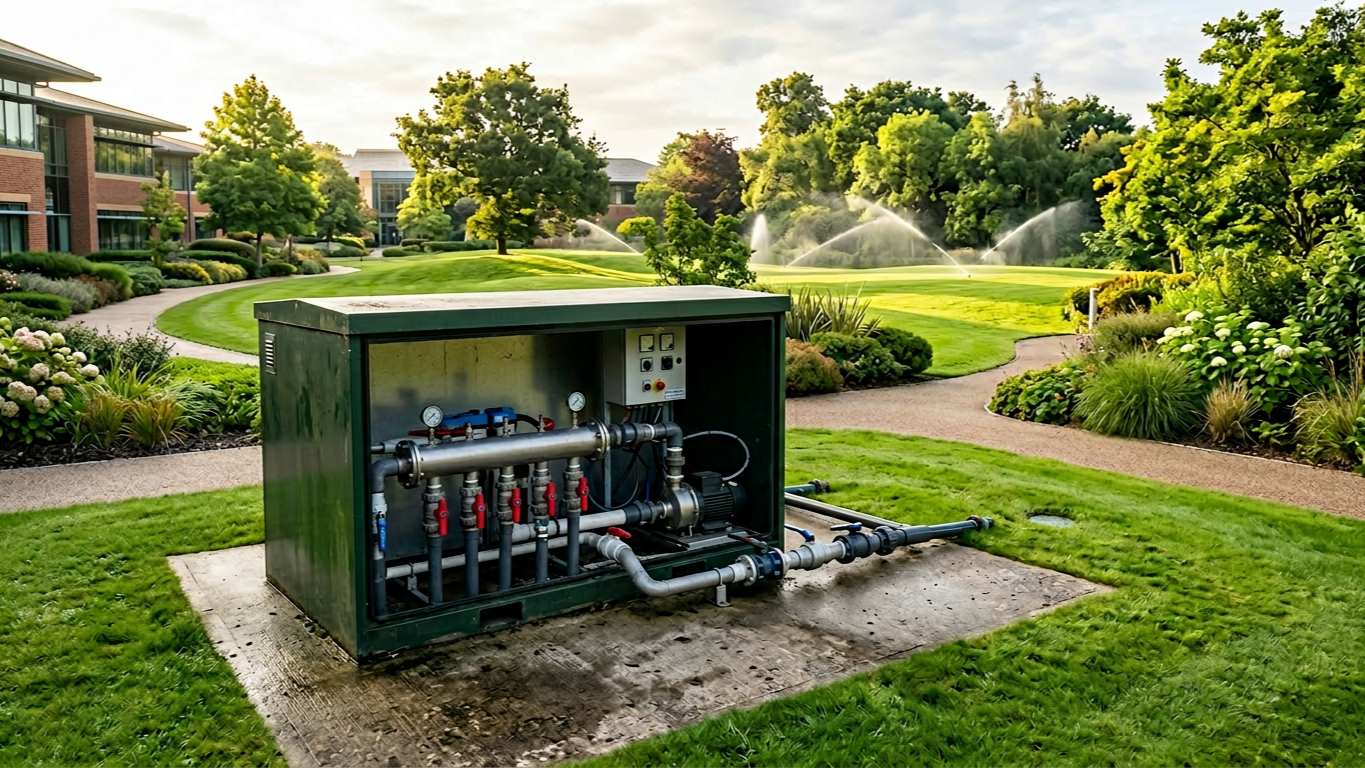
Commercial irrigation pumps demand consistent pressure, reliable operation, and efficient water distribution across expansive landscapes. Whether maintaining corporate grounds, sports facilities, golf courses, or municipal parks, selecting appropriate pump solutions determines system performance, operational costs, and landscape health.
Unlike domestic garden systems, commercial applications involve multiple zones, varied terrain, extended pipe runs, and simultaneous operation of numerous sprinklers or drip lines. These demands require pumps engineered for continuous duty cycles, precise pressure control, and robust construction that withstands seasonal operation patterns.
Understanding Commercial Irrigation Pump Requirements
Commercial irrigation pumps must overcome significant hydraulic challenges that residential systems never encounter. A typical commercial landscape might span several acres with elevation changes, require flow rates exceeding 100 litres per minute, and operate multiple irrigation zones simultaneously during early morning watering windows.
Critical Design Parameters
The pump must generate sufficient head pressure to reach the furthest sprinkler while maintaining adequate pressure at the nearest point. For systems with 50-metre elevation changes, pumps need additional capacity to overcome gravitational resistance - approximately 0.1 bar per metre of vertical lift.
System designers specify commercial irrigation pumps based on three critical parameters: total flow rate (combining all active zones), total dynamic head (accounting for friction losses, elevation, and pressure requirements), and duty cycle (hours per day the system operates). A sports complex with eight zones operating sequentially for 15 minutes each requires different pump characteristics than a golf course running multiple zones simultaneously.
Grundfos and Lowara dominate commercial irrigation applications because both manufacturers engineer models specifically for landscape water management, with corrosion-resistant materials and pressure-sustaining capabilities essential for reliable operation.
Centrifugal Pumps for Large-Scale Irrigation
Centrifugal pumps represent the most common solution for commercial irrigation systems, converting rotational energy into water pressure through impeller design. These pumps excel in applications requiring high flow rates with moderate pressure - precisely the conditions found in most landscape irrigation systems.
End-Suction Centrifugal Pumps
End-suction centrifugal pumps offer compact installation footprints and straightforward maintenance access. Models with bronze or stainless steel impellers resist corrosion from water containing minerals or treatment chemicals. For systems drawing from boreholes, lakes, or storage tanks, these pumps provide flow rates from 50 to 500 litres per minute while generating pressures between 2 and 6 bar.
Horizontal Split-Case Pumps
Horizontal split-case pumps serve larger installations where flow demands exceed 300 litres per minute. These pumps feature symmetrical casing design allowing maintenance without disturbing pipework connections - a significant advantage for systems requiring seasonal servicing. The balanced impeller arrangement reduces bearing loads, extending operational life in continuous-duty applications.
Vertical Turbine Pumps
Vertical turbine pumps suit installations drawing directly from deep wells or reservoirs. The submerged impeller design eliminates priming concerns while the vertical configuration minimises surface-level space requirements. Golf courses and large parks frequently specify these pumps when water sources exceed 10 metres depth.
Pressure Control and System Protection
Commercial irrigation systems require precise pressure management to ensure uniform water distribution across all zones. Excessive pressure wastes water through misting and causes premature wear on sprinkler mechanisms. Insufficient pressure creates dry spots and uneven coverage requiring manual intervention.
Variable Frequency Drives
Variable frequency drives (VFDs) provide optimal pressure control by adjusting pump speed to match system demand. As irrigation zones open and close, the VFD modulates motor speed maintaining constant pressure regardless of flow variations. This technology reduces energy consumption by 30-50% compared to fixed-speed pumps with pressure-reducing valves.
Pressure-Sustaining Valves
Pressure-sustaining valves protect systems when pumps operate at reduced flow rates. Without protection, centrifugal pumps can generate excessive pressure during low-demand periods, potentially damaging pipes, fittings, and sprinkler heads. These valves automatically bypass excess flow back to the water source, maintaining safe operating pressures.
National Pumps and Boilers supplies complete pump packages integrating pressure sensors, control panels, and protection devices engineered specifically for commercial irrigation applications, ensuring systems operate within design parameters throughout varying demand conditions.
Booster Sets for Mains-Fed Systems
Some commercial irrigation systems supplement the mains water supply rather than drawing from private sources. However, mains pressure rarely provides sufficient pressure or flow for extensive landscape irrigation, particularly during peak demand periods when municipal pressure drops.
Booster Set Configurations
Booster sets increase incoming mains pressure to levels adequate for effective irrigation. These packaged systems typically include multiple pumps operating in a lead-lag configuration, pressure sensors, control panels, and break tanks preventing backflow into the mains supply. DAB manufactures booster sets specifically rated for outdoor installation with weather-resistant enclosures.
Twin-pump configurations provide redundancy, ensuring irrigation schedules continue even during pump maintenance or component failure. The control system automatically alternates lead pump duty, equalising wear across both units and extending overall system life. For critical applications like sports pitch maintenance, this redundancy proves essential.
Break Tank Functions
Break tanks serve dual purposes in mains-fed systems. They provide hydraulic separation, preventing pump operation from affecting mains pressure, and they offer buffer storage to smooth demand peaks. A 1,000-litre break tank allows pumps to operate at steady flow rates while irrigation zones cycle on and off, reducing motor starts and extending equipment life.
Submersible Pumps for Borehole and Lake Sources
Commercial landscapes often utilise private water sources, reducing operational costs and ensuring supply during hosepipe restrictions. Submersible pumps excel in these applications, operating submerged within boreholes, wells, or surface water bodies.
Borehole Pump Requirements
Borehole pumps must fit within casing diameters while generating sufficient pressure to lift water to the surface and distribute it across the landscape. A 100-metre deep borehole requires approximately 10 bar pressure just to overcome static head before accounting for friction losses and system pressure requirements. Multi-stage submersible pumps achieve these pressures through series-connected impellers, each contributing incremental pressure increase.
Material Selection
Stainless steel construction proves essential for submersible pumps exposed to varying water quality conditions. Bronze components corrode in water with high chloride content, while cast iron deteriorates rapidly in acidic conditions. Premium submersible pumps utilise 304 or 316-grade stainless steel throughout wetted components, ensuring decades of reliable operation.
Floating Intake Pumps
Floating intake pumps suit irrigation systems drawing from lakes, ponds, or reservoirs. These units suspend below the surface, avoiding debris accumulation near the bottom while remaining submerged during water level fluctuations. The floating design also positions the intake below surface water temperature variations, providing consistent water temperature for sensitive landscape plants.
Energy Efficiency Considerations
Commercial irrigation pumps represent significant operational costs, particularly for systems operating daily during growing seasons. Energy-efficient pump selection and system design reduce electricity consumption while maintaining irrigation effectiveness.
High-Efficiency Motors
High-efficiency motors meeting IE3 or IE4 standards reduce energy consumption by 10-20% compared to standard efficiency motors. For pumps operating 1,000 hours annually, this efficiency improvement translates to substantial cost savings over the motor's 15-20 year lifespan. Wilo will integrate premium efficiency motors across its commercial irrigation range, optimising lifecycle costs.
Proper Pump Sizing
Proper landscape irrigation pump sizing prevents energy waste from oversized equipment. Pumps operating continuously at partial capacity through throttling valves waste energy, generating pressure that is subsequently dissipated as heat. Accurate system calculations ensure pump selection matches actual irrigation requirements rather than incorporating excessive safety margins.
Night-Time Operation
Night-time irrigation schedules reduce evaporation losses while potentially accessing off-peak electricity tariffs. Systems equipped with programmable controllers and time-of-use metering can shift operation to periods with lower energy costs, reducing operational expenses by 20-30% in regions with significant tariff variations.
Maintenance and Reliability
Commercial irrigation pumps require regular maintenance ensuring reliable operation throughout demanding seasonal schedules. Unlike heating systems operating during winter months, irrigation equipment faces peak demand during hot, dry periods when landscape water requirements reach maximum levels and equipment failures cause immediate visible damage.
Seasonal Commissioning
Seasonal commissioning before each irrigation season includes inspecting pump seals, checking bearing condition, verifying pressure settings, and testing control systems. This proactive approach identifies wear before failure occurs, preventing emergency repairs during peak operation periods. Pump seals typically require replacement every 2-3 years depending on operating hours and water quality.
Winterisation
Winterisation protects pumps in climates experiencing freezing temperatures. Complete drainage prevents ice formation that cracks pump casings and destroys internal components. Submersible pumps installed below the frost line avoid this concern, while surface-mounted pumps require either heated enclosures or seasonal removal and storage.
Spare Parts Availability
Spare parts availability determines system downtime following component failure. Specifying pumps from established manufacturers like Grundfos, Lowara, or Ebara ensures replacement seals, impellers, and motors remain available throughout the equipment's operational life. Proprietary or discontinued models leave system operators vulnerable to extended downtime sourcing obsolete components.
System Integration and Controls
Modern commercial irrigation systems integrate pumps with sophisticated control systems that manage watering schedules, monitor soil moisture, and respond to weather conditions. These integrated systems optimise water usage while ensuring landscape health through precise irrigation management.
Pressure Sensors and Feedback
Pressure sensors provide continuous feedback, allowing controllers to adjust pump operation, maintaining target pressure regardless of zone configuration. As irrigation zones open and close, the controller modulates pump speed or sequences multiple pumps, maintaining stable pressure throughout the system. This closed-loop control eliminates pressure fluctuations that cause uneven watering patterns.
Flow Meters and Monitoring
Flow meters track water consumption, identifying leaks, broken sprinklers, or system inefficiencies. Unexpected flow increases indicate problems requiring investigation, while gradual flow reductions suggest nozzle clogging or system deterioration. Historical flow data supports maintenance planning and system optimisation.
Remote Monitoring
Remote monitoring capabilities allow facilities managers to oversee irrigation systems across multiple sites from centralised locations. Cloud-connected controllers provide real-time status updates, alert operators to faults, and enable schedule adjustments without site visits. This connectivity proves particularly valuable for landscape contractors managing numerous commercial properties.
Selecting the Right Pump Configuration
Landscape irrigation pump sizing balances hydraulic requirements, site conditions, budget constraints, and operational preferences. No single pump type suits every application - successful system design matches equipment capabilities to specific project demands.
Small Commercial Properties
For systems requiring flow rates below 100 litres per minute with moderate pressure demands, single-end-suction centrifugal pumps offer cost-effective solutions with straightforward installation and maintenance. These pumps suit small commercial properties, building perimeter landscaping, and supplementary irrigation systems.
Medium-Sized Installations
Medium-sized installations with flow requirements between 100-300 litres per minute benefit from horizontal split-case pumps or twin end-suction configurations. The split-case design simplifies maintenance while twin-pump systems provide operational redundancy. Sports facilities, corporate campuses, and municipal parks typically specify these configurations.
Large-Scale Applications
Large-scale applications exceeding 300 litres per minute demand either large split-case pumps or multiple pumps operating in parallel. Golf courses, botanical gardens, and extensive park systems fall into this category. Multiple smaller pumps offer flexibility, redundancy, and improved part-load efficiency compared to single large units. Accurate landscape irrigation pump sizing ensures optimal performance across all operating conditions.
Conclusion
Commercial irrigation pumps form the foundation of effective landscape water management, determining system reliability, operational costs, and irrigation effectiveness. Selecting appropriate pump solutions requires understanding hydraulic demands, site conditions, and operational requirements specific to each commercial landscape application.
Centrifugal pumps dominate commercial irrigation for their proven reliability, wide capacity range, and straightforward maintenance requirements. Variable speed control optimises energy consumption while maintaining precise pressure management across varying zone configurations. Submersible pumps excel when drawing from private water sources, while booster sets enhance mains-fed systems requiring supplementary pressure.
Energy efficiency, maintenance accessibility, and control integration increasingly influence pump selection as facility managers balance operational costs against system performance. Premium efficiency motors, VFD controls, and remote monitoring capabilities reduce lifecycle costs while improving irrigation effectiveness.
National Pumps and Boilers specialises in commercial irrigation pump solutions, offering technical expertise in system design, equipment selection, and installation support. Whether specifying pumps for new landscape installations or upgrading existing systems, proper landscape irrigation pump sizing ensures optimal equipment selection matching specific site requirements and operational objectives. For expert advice on commercial irrigation pump selection or to discuss specific project requirements, contact us for personalised equipment recommendations and system design support.