

Record-Keeping Best Practices for Commercial Heating Compliance
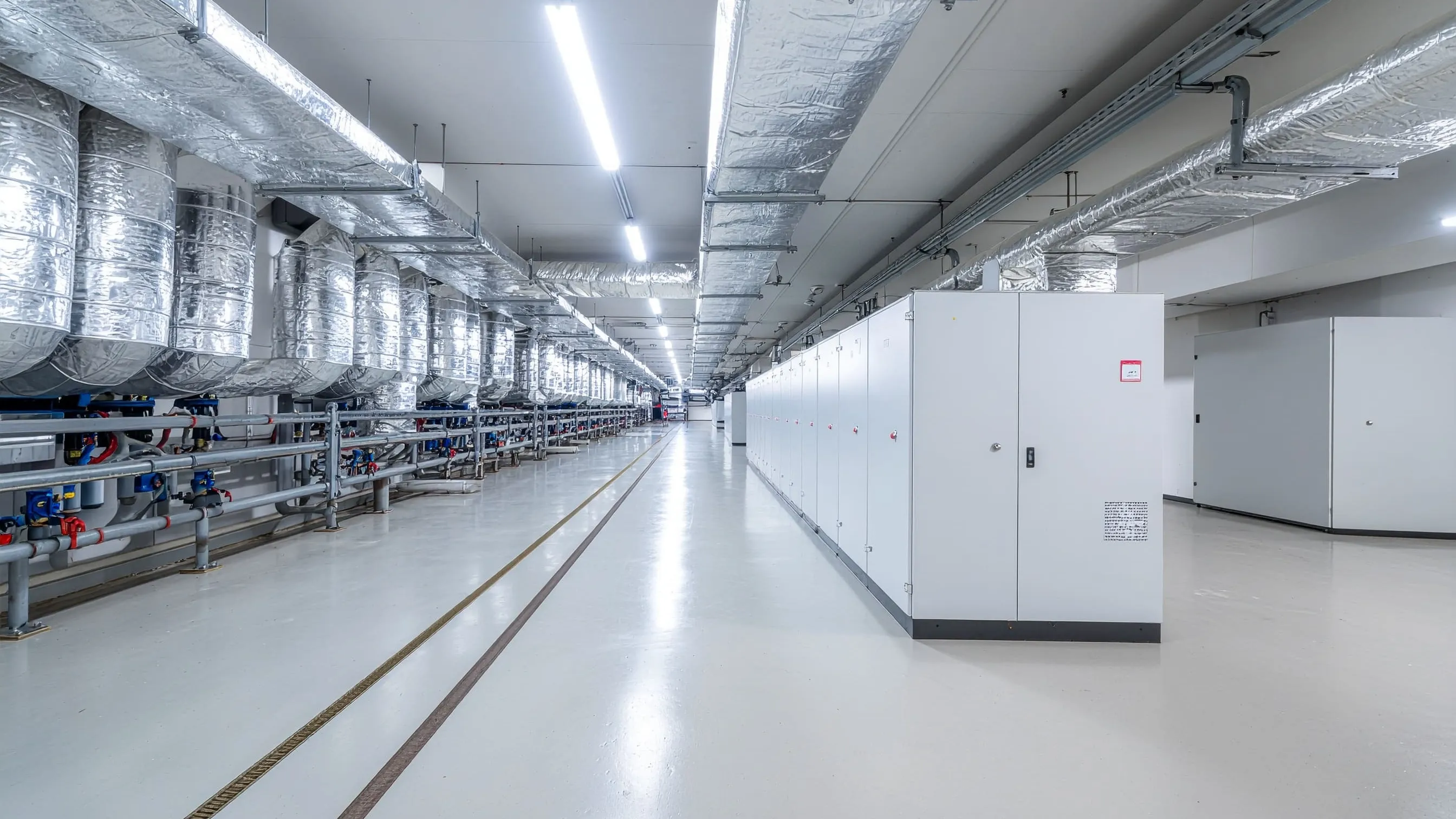
Commercial heating systems operate under strict regulatory oversight. Inadequate record-keeping represents one of the most common failures during Health and Safety Executive inspections. Building managers face potential enforcement action, insurance complications, and operational shutdowns when their paperwork fails to demonstrate proper safety protocols. Establishing robust commercial heating compliance records is an absolute necessity for protecting your facility, its occupants, and your business continuity.
The consequences of poor documentation extend far beyond simple regulatory penalties. Insurance claims following a catastrophic heating system failure frequently fail when maintenance logs cannot prove proper preventative care. You must view meticulous record-keeping not as an administrative burden, but as your primary defence mechanism against legal and financial liability.
The Regulatory Framework for Heating Documentation
The regulatory landscape demands meticulous attention to paperwork across multiple disciplines. The Gas Safety (Installation and Use) Regulations 1998 mandate annual inspections of all commercial gas appliances. You must retain these records to prove ongoing safety and regular maintenance by competent engineers.
The Pressure Systems Safety Regulations 2000 apply directly to pressurised commercial heating systems. These strict rules mandate formal written schemes of examination. You must secure a formal pressure system examination report to demonstrate that your pressure vessels and pipework undergo regular checks by a competent person. National Pumps and Boilers regularly advises facility managers on maintaining these critical compliance files to satisfy intense regulatory scrutiny.
Failing to produce these documents during an inspection often triggers immediate prohibition notices. An inspector will assume a system is unsafe if you cannot provide the paperwork proving otherwise.
Essential Documents Every Facility Needs
Proper commissioning certificate documentation forms the absolute foundation of your safety files. These initial certificates establish the baseline performance parameters of your equipment. You use these original baseline figures to measure future system degradation and plan proactive replacements.
Annual service logs document your preventative maintenance and component replacements over the lifespan of the equipment. Each entry must identify the specific engineer, the date of service, and the exact tasks completed. For example, if you replace a grundfos pressure pump during a routine visit, the log must show that it was commissioned within the manufacturer's safe operating specifications.
Safety inspection reports differ slightly from routine maintenance records. They focus specifically on identified hazards and regulatory compliance rather than general servicing. You must keep these formal reports separated and highly accessible.
Refrigerant and F-Gas Documentation
Commercial heating systems incorporating heat pumps or air conditioning units impose additional documentation burdens. The F-Gas Regulations require facilities to maintain highly detailed logs of refrigerant quantities, leak checks, and recovery operations.
You must maintain an accurate F-Gas leak check log for any qualifying installations on your premises. This F-Gas leak check log proves that you are conducting mandatory quarterly inspections for larger setups. If your plant room runs a modern Wilo Stratos circulator alongside a large commercial heat pump, you must document its integration and maintenance schedule clearly to satisfy environmental audits.
Failing to maintain these specific environmental logs can result in massive fines from the Environment Agency. They treat undocumented refrigerant handling as a severe environmental hazard.
Structuring a Compliance-Ready Filing System
Effective commercial heating compliance records require systematic, logical organisation. You need a robust system that enables rapid document retrieval during an emergency or an unexpected safety audit.
Think of a compliance filing system like a well-organised tool chest. If you throw every spanner and screwdriver into one big drawer, finding the exact 10mm socket during a frantic breakdown takes forever. If you use properly labelled compartments, you find exactly what you need instantly. Your paperwork requires this exact same level of disciplined compartmentalisation.
Equipment-specific folders group all documentation relating to a particular boiler or system zone. If you operate a high-efficiency remeha calenta boiler, its dedicated folder should contain the original commissioning certificate documentation, all subsequent maintenance logs, and any modification records. This targeted structure allows engineers to review the complete history of a problematic component instantly.
Transitioning to Digital Management
Paper-based filing systems provide simplicity, but they are incredibly vulnerable to physical loss, water damage, or misplacement. Transitioning to a digital maintenance database offers secure, searchable records and automated off-site backups.
A proper digital maintenance database tracks multiple complex compliance deadlines simultaneously. It automatically alerts facilities managers when statutory examinations become due, effectively preventing missed inspections across your entire facility.
If you manage multiple properties utilising heavy-duty DAB pump systems, cloud-based platforms allow head office staff to oversee compliance status remotely. Mobile inspection apps even allow site engineers to upload photographic evidence directly to the digital maintenance database, providing irrefutable proof of component condition on specific dates.
Common Failures and Audit Preparation
Missing commissioning records and undocumented emergency repairs represent the most common causes of audit failures. Facilities often rush emergency fixes to restore heating, entirely forgetting to generate the required modification paperwork.
A facilities manager at a large retail complex recently failed a critical insurance audit because they lost the paperwork for a major plant room modification. They had to pay a specialist engineering consultant thousands of pounds to reverse-engineer the system specifications. The consultant had to generate a brand new pressure system examination report just to restore their insurance coverage. Proper record-keeping would have entirely prevented this massive, unnecessary expense.
You must also show that corrective actions are actually completed, not just noted on a clipboard. When you install new central heating system pump components to fix a flagged defect, you must generate corrective action records. These records demonstrate a closed-loop management of the safety concern.
Statutory Retention Periods
Statutory minimum retention periods vary significantly by document type and legal framework. Basic gas safety records generally require retention for at least two years. However, this minimum period represents inadequate practice for heavy commercial installations.
A formal pressure system examination report should remain securely accessible throughout the system's entire operational life. Maintaining commercial heating compliance records indefinitely represents the most prudent, legally defensive practice available to facility managers.
Digital storage costs are now practically negligible. Keeping these historic records proves absolutely invaluable during long-latency health litigation or historical building defect investigations. Never throw away maintenance history just because the statutory minimum period has expired.
Conclusion
Comprehensive commercial heating compliance records provide crucial evidence of responsible, professional system management. They demonstrate your due diligence during regulatory inspections, protect your staff, and heavily support your insurance claims following an incident.
By combining strict statutory requirements with modern digital tracking tools, facilities managers can maintain flawless documentation that withstands intense legal scrutiny. Prioritise your paperwork just as highly as you prioritise your physical equipment maintenance.
If you need support organising your statutory paperwork, require a new commissioning certificate documentation review, or simply want to Send Us Your Enquiry, speak directly with our experienced commercial heating engineers today.