

Recycling and Salvaging Components from Decommissioned Commercial Pumps
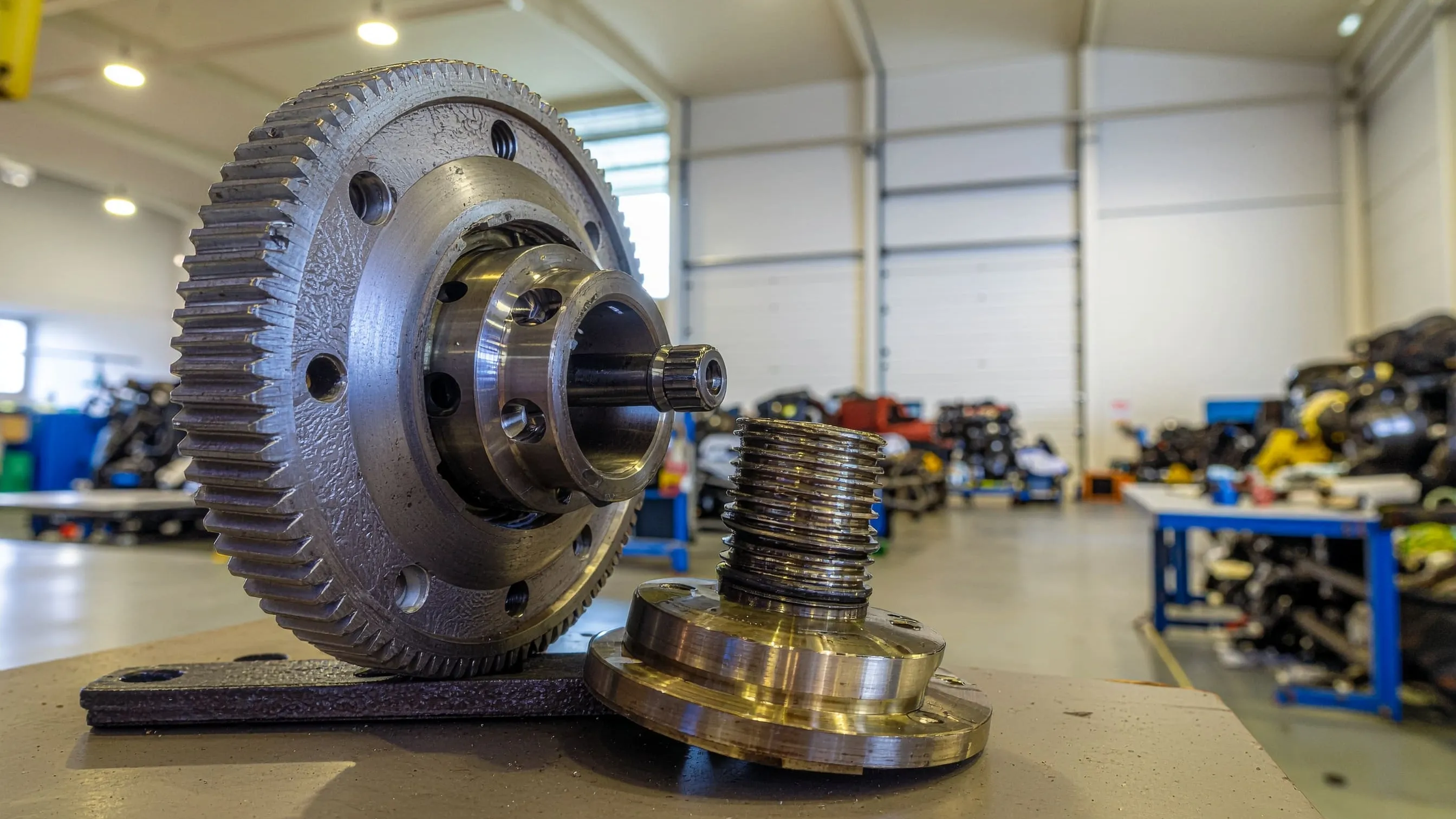
Recycling commercial pump components represents a significant opportunity for facilities to recover value while reducing environmental impact. With an estimated 40,000 commercial units reaching end-of-life annually across UK heating systems, the potential for component salvage extends well beyond simple scrap metal recovery. Modern commercial pumps contain high-quality materials worth recovering when properly assessed, tested, and reintegrated safely into service.
The economic case for recycling commercial pump components strengthens as material costs rise and sustainability regulations tighten. Heavy metal housings, rotating internals, and stainless steel shafts retain substantial value even after years of service, provided the decommissioning process follows proper protocols. Facilities managing multiple heating systems can establish a systematic approach to component recovery that delivers measurable returns.
Identifying High-Value Components
Not all pump components offer equal salvage value. The assessment process begins with understanding which materials and assemblies withstand extended service life. You must focus on ferrous metals, non-ferrous alloys, electrical assemblies, mechanical components, and electronic controls.
Cast iron pump bodies from grundfos commercial units often show minimal wear after two decades of service in closed-loop systems. Think of a cast iron pump volute (the heavy outer casing) like the chassis of a heavy-duty transport truck. Long after the engine wears out, the heavy metal frame remains structurally sound and ready for a complete rebuild. The material's durability and resistance to corrosion in treated heating water makes these housings prime candidates for refurbishment.
Bronze impeller salvage presents the highest value-to-weight ratio amongst salvaged components. A single bronze impeller (the rotating core that moves the water) from a 150mm commercial pump contains copper alloys highly prized as scrap metal. When the impeller shows minimal wear, the component retains tremendous value for reuse after dimensional verification and surface inspection.
Regulatory Framework and Compliance
The Waste Electrical and Electronic Equipment (WEEE) Directive establishes legal requirements for commercial pump disposal. Pumps containing electrical components above 1kW require registered waste carriers to handle decommissioning. Facilities generating decommissioned equipment must maintain strict disposal records for Environmental Agency audits.
Building Regulations Approved Document L2B addresses the replacement of heating system components. It includes specific provisions for reusing tested components that meet current efficiency standards. Salvaged pump components integrated into existing systems must achieve equivalent performance to new parts. You must hold documentation proving pressure ratings and flow characteristics match original specifications.
Testing and Certification of Salvaged Components
Establishing confidence in salvaged component performance requires systematic testing. Performance testing begins with dimensional verification. Critical clearances between the impeller and volute, shaft diameter tolerances, and mounting face flatness all affect pump operation. A central heating pump requires tight dimensional tolerances to prevent internal recirculation and energy waste.
Pressure testing validates the structural integrity of housings and eliminates components with hidden cracks. The test procedure fills the housing with water, seals all ports, and applies pressure at 1.5 times the maximum working limit for 10 minutes. Zero pressure drop during the test period confirms suitability for reuse.
Electrical testing of motor assemblies follows a defined safety sequence. Engineers conduct visual inspections, test insulation resistance, measure winding resistance, and verify no-load current draw. Following this, certified technicians conduct variable frequency drive testing through diagnostic software. Proper variable frequency drive testing checks for capacitor degradation and cooling fan operation before the electronics are cleared for secondary market reuse.
Economic and Environmental Impact
The financial case for component salvage depends on pump size, condition, and local labour costs. Bronze impeller salvage shows the strongest economics for mid-sized units. Refurbishing an existing bronze impeller costs a fraction of buying a new replacement part. This massive cost saving makes bronze impeller salvage worthwhile even when labour rates are factored into the testing process.
A facility manager at a regional hospital recently saved thousands by testing and retaining the large bronze internals from their decommissioned chilled water system. By swapping just the worn bearings and seals, they safely restored the system for a fraction of the cost of total replacement, proving the immense value of targeted salvage.
Component salvage delivers massive environmental benefits. Manufacturing a new cast iron pump volute requires mining iron ore, burning coke, and generating heavy carbon emissions. Reusing an existing cast iron pump volute eliminates over 90% of these manufacturing emissions. Diverting these heavy metals from landfill directly supports global carbon reduction targets.
Best Practices for Component Decommissioning
Systematic decommissioning procedures maximise component recovery value while ensuring strict worker safety. The process begins with total mechanical isolation. Engineers must execute electrical disconnection using lockout procedures, close isolation valves, and depressurise the entire network.
Fluid recovery must precede physical equipment removal. Commercial systems contain large volumes of treated heating water loaded with chemical inhibitors. You can't simply drain these chemicals into public sewers. Closed-loop systems may allow fluid recovery for reuse, reducing both hazardous disposal costs and replacement chemical expenses.
Component labelling during disassembly prevents confusion and enables complete traceability. Each major part requires a tag identifying its source location, original serial number, and removal date. Photographs document assembly configuration, particularly for complex pump valves and control arrangements. Proper storage conditions significantly affect the condition of salvaged parts. Cast iron components require dry storage to prevent rapid surface rust on machined faces.
Integration with Manufacturer Programmes
Several manufacturers operate recovery programmes that complement your on-site salvage efforts. An industry-standard Ebara core exchange programme is a great example of this circular economy approach. An Ebara core exchange setup allows facilities to return complete used assemblies for recycling or remanufacturing. Participating in an Ebara core exchange ensures older equipment avoids landfill entirely, providing credits that may offset new equipment costs depending on model and size.
Warranty implications require careful consideration when mixing old and new parts. Most manufacturers void equipment warranties when non-original or untested salvaged components are installed. However, exceptions occasionally exist for certified refurbished parts sourced from authorised service centres. Sometimes, certified refurbishers supply components for systems like andrews water heaters with warranties that might be compatible with specific installations.
Facilities must constantly balance warranty coverage against potential cost savings. Critical applications requiring maximum uptime heavily favour entirely new components despite the higher initial costs. Non-critical secondary circuits present the ideal opportunity for safely integrating tested, salvaged parts where cost savings outweigh warranty considerations.
Conclusion
Recycling commercial pump components delivers economic returns and environmental benefits that perfectly align with modern sustainability goals. A systematic approach transforms end-of-life equipment from a costly disposal burden into a distinct value recovery opportunity. Proper decommissioning, thorough testing, and strategic reuse are essential skills for modern plant room management.
Tightening environmental regulations make proper disposal and material recovery increasingly important. Heating engineers who establish standardised salvage operations can drastically reduce carbon emissions, and they should consult National Pumps and Boilers when sourcing reliable replacement components. Always ensure you rely on certified professionals for testing and verification.
For expert guidance on upgrading your commercial plant room and sourcing replacement components for your next project, Get the Right Solution today by speaking with our technical support team.