

Seal Leakage Diagnosis: When to Repair vs. Replace Your Pump
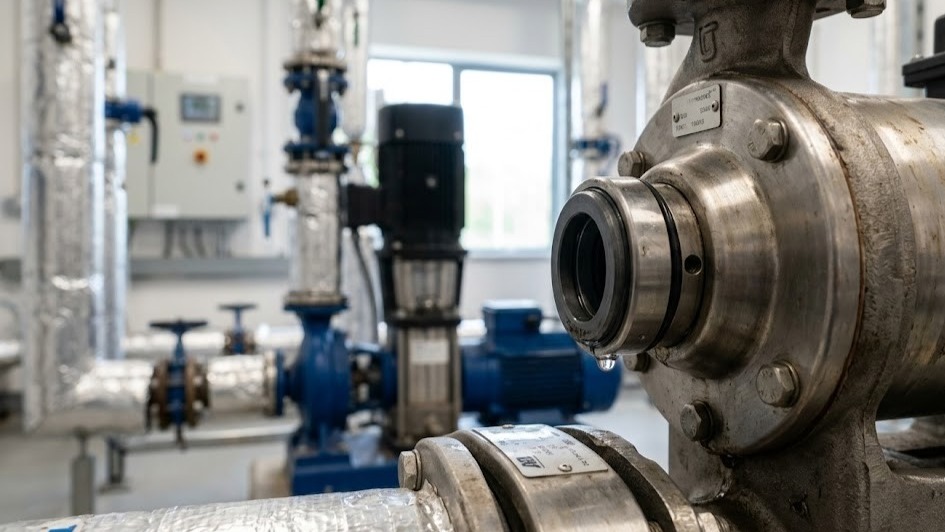
Mechanical seal failure accounts for approximately 40-50% of all pump breakdowns in commercial heating and HVAC systems, making pump seal leakage diagnosis one of the most critical maintenance skills for building services engineers. A single undetected seal leak can waste thousands of litres of system water annually, damage surrounding equipment, and trigger costly emergency callouts. Yet many facilities teams struggle with a fundamental question: does this seal need immediate replacement, or can a repair extend its service life?
The financial implications of this decision are substantial. Premature seal replacement wastes capital budgets on unnecessary parts, whilst delayed replacement risks catastrophic pump failure, system contamination, and potential water damage to mechanical plant rooms. Understanding the precise indicators that separate repairable seal wear from terminal failure requires systematic diagnostic methodology and practical experience with commercial circulator pumps.
National Pumps and Boilers supplies a comprehensive range of Grundfos pumps and replacement components for commercial applications, supporting facilities teams across the UK with technical guidance on seal maintenance and replacement strategies.
Understanding Mechanical Seal Construction and Failure Modes
Commercial heating circulators typically employ mechanical seals rather than traditional gland packing, particularly in central heating equipment operating above 3 bar system pressure. These seals comprise several critical components: a rotating ceramic or silicon carbide face attached to the pump shaft, a stationary seal face mounted in the pump body, secondary elastomer seals (O-rings), and a spring assembly maintaining contact pressure between the faces.
Common Failure Patterns
Mechanical seal problems pump systems experience manifest through distinct patterns, each indicating specific underlying causes:
Abrasive Wear: Gradual face deterioration caused by system debris, magnetite accumulation, or inadequate filtration. This wear pattern appears as uniform scoring across both seal faces, typically developing over 18-36 months in commercial systems.
Thermal Cracking: Sudden temperature fluctuations or dry-running conditions create visible cracks radiating from the seal face centre. This failure mode often occurs within minutes of a loss-of-water event, particularly in high-temperature applications exceeding 90°C.
Chemical Degradation: Incorrect system inhibitors or excessive pH levels attack elastomer components, causing swelling, hardening, or complete dissolution of O-rings. Glycol-based antifreeze solutions require specific seal materials to prevent this degradation.
Face Distortion: Excessive shaft deflection, bearing wear, or installation misalignment causes uneven contact pressure, creating localised wear patterns and intermittent leakage. This condition progressively worsens as bearing clearances increase.
Spring Failure: Corrosion or fatigue causes spring compression loss, reducing face contact pressure and allowing system fluid to bypass the sealing interface. This typically occurs in systems with inadequate corrosion inhibitor concentrations below 1,000 ppm.
Primary Diagnostic Indicators for Seal Condition Assessment
Effective pump seal leakage diagnosis begins with systematic visual inspection and operational assessment. These primary indicators reveal seal condition and guide the repair-versus-replacement decision:
Leakage Rate Quantification
Minor weeping (1-2 drops per minute) often indicates early-stage wear suitable for monitoring, whilst continuous dripping (10+ drops per minute) or streaming leakage demands immediate intervention. Measure leakage over a 10-minute observation period with the pump at normal operating temperature and pressure.
Leak Timing Characteristics
Seals that leak only during initial warm-up but seal effectively at operating temperature typically suffer from elastomer hardening - a condition often resolved through O-ring replacement rather than complete seal renewal. Conversely, seals that leak continuously regardless of temperature indicate primary seal face failure requiring full replacement.
Deposit Accumulation Patterns
White crystalline deposits around the seal area suggest system water evaporation from minor weeping, whilst brown or black staining indicates magnetite contamination - a condition requiring system cleansing before seal replacement to prevent premature failure of new components.
Bearing Condition Correlation
Excessive shaft play (>0.5mm radial movement) or audible bearing noise indicates that seal replacement alone will prove inadequate. Bearing wear causes shaft misalignment, creating uneven seal face loading that destroys replacement seals within weeks.
System Pressure Stability
Unexplained pressure loss in sealed systems (>0.2 bar per week) often correlates with internal seal leakage, where system fluid bypasses the seal faces but remains contained within the pump volute. This condition requires immediate seal replacement to prevent bearing contamination and motor damage.
Secondary Seal Inspection Criteria
Beyond visual observation, detailed seal inspection criteria provide definitive evidence for repair-versus-replacement decisions. These assessments require pump isolation, drain-down, and partial disassembly:
Seal Face Surface Examination
Remove the seal assembly and inspect both faces under adequate lighting. Acceptable wear appears as uniform, mirror-smooth surfaces with consistent contact patterns. Reject seals showing deep grooves (>0.1mm depth), heat discolouration (blue or brown tinting), or visible cracks regardless of length.
Elastomer Component Assessment
Secondary O-rings should exhibit consistent cross-sectional diameter, smooth surfaces, and elastic recovery when compressed. Replace seals if O-rings show permanent compression set (flat spots), surface cracking, swelling beyond 10% of original diameter, or hardness changes (Shore A durometer variance >5 points).
Spring Assembly Integrity
Measure spring free length against manufacturer specifications. Springs showing >15% compression loss or visible corrosion pitting require seal replacement. Test spring force using calibrated gauges - acceptable springs maintain 80-100% of specified contact pressure.
Shaft Sleeve Condition
Inspect the seal contact area on the pump shaft or shaft sleeve. Surface roughness exceeding Ra 0.8μm, visible scoring, or corrosion pitting prevents effective seal operation. Minor imperfections (<0.05mm depth) may be polished out, whilst deeper damage necessitates shaft sleeve replacement alongside seal renewal.
Seal Chamber Cleanliness
Accumulated magnetite, scale deposits, or corrosion products within the seal chamber indicate system water quality issues. Address these conditions through system cleansing and inhibitor dosing before installing replacement seals, otherwise new components will fail prematurely.
Cost-Benefit Analysis: Repair vs. Replacement Economics
The financial decision between seal repair and complete pump replacement requires systematic cost comparison across multiple factors:
Component Costs
Mechanical seal kits for commercial circulators range from £45-180 depending on pump size and seal material specification. Complete pump replacement costs £350-1,200 for equivalent units from manufacturers like Wilo or Lowara.
Labour Requirements
Seal replacement on standard end-suction pumps requires 1.5-3 hours including isolation, drain-down, disassembly, seal installation, reassembly, and commissioning. Pump replacement typically requires 2-4 hours including pipework modifications, electrical disconnection, and system recommissioning.
Downtime Implications
Critical heating circulators serving occupied commercial buildings may justify premium costs for rapid pump replacement over seal repair, particularly during heating season when building occupancy depends on continuous operation.
Expected Service Life
Properly installed replacement seals in well-maintained systems typically achieve 3-7 years service life. However, seals installed into pumps with worn bearings, corroded seal chambers, or contaminated systems often fail within 6-18 months, making pump replacement more economical over a 5-year horizon.
System Efficiency Considerations
Pumps exceeding 10-12 years service age typically operate at reduced hydraulic efficiency (70-85% of original performance) due to internal wear. Replacement with modern ErP-compliant circulators from DHW pumps ranges can reduce electrical consumption by 30-50%, offsetting higher initial costs through energy savings.
Systematic Decision Framework for Repair vs. Replacement
Apply this structured methodology to determine the optimal intervention strategy:
Replace Complete Pump If:
- Pump age exceeds 12 years with no previous seal replacement
- Bearing wear produces >0.5mm shaft deflection
- Pump body shows corrosion, cracking, or previous repair attempts
- Motor insulation resistance tests below 2 megohms
- Pump operates significantly below design duty point
- Replacement parts unavailable or exceed 60% of new pump cost
Replace Seal Only If:
- Pump age 3-10 years with documented maintenance history
- Bearings operate smoothly with minimal shaft play
- Leak rate manageable (<20 drops/minute) without emergency urgency
- System water quality meets BS 7593 recommendations
- Pump delivers design flow and pressure performance
- Genuine manufacturer seal kits readily available
Monitor and Defer Action If:
- Minor weeping (1-3 drops/minute) with no deposit accumulation
- Seasonal operation with off-season approaching
- Recent system modifications may have caused temporary pressure fluctuations
- Budget constraints prevent immediate action
- Alternative pumps provide system redundancy
Preventative Measures to Extend Seal Service Life
Implementing these maintenance practices significantly extends mechanical seal longevity and reduces mechanical seal problems pump systems commonly experience:
System Water Quality Management
Maintain inhibitor concentrations per BS 7593 (1,000-1,500 ppm for mixed-metal systems), pH 8.5-10.5, and dissolved oxygen below 0.1 ppm. Test quarterly and dose as required to prevent corrosion and deposit formation.
Filtration and Magnetic Separation
Install magnetic filters on system returns to capture magnetite before it reaches pump seals. Clean filters every 6-12 months depending on system age and water quality.
Pressure Relief Protection
Fit expansion vessels and pressure relief valves to prevent transient pressure spikes exceeding seal design limits (typically 10 bar for standard commercial seals).
Temperature Control
Prevent pump operation above maximum seal temperature ratings (typically 110°C for standard EPDM elastomers, 140°C for Viton specifications). Verify system temperatures during commissioning and peak load conditions.
Bearing Maintenance
Replace pump bearings at manufacturer-recommended intervals (typically 5-7 years) or when audible noise develops. Bearing failure is the primary cause of premature seal damage in otherwise well-maintained systems.
Shaft Alignment Verification
Check coupling alignment annually using dial indicators or laser alignment tools. Misalignment exceeding 0.1mm causes uneven seal face loading and accelerated wear.
Installation Best Practices for Replacement Seals
When seal replacement proves appropriate, these installation procedures maximise new component service life:
Pre-Installation Preparation
Thoroughly clean the seal chamber, shaft sleeve, and seal housing using non-abrasive cloths and approved cleaning solvents. Remove all magnetite deposits, scale, and corrosion products that could damage new seal faces.
Component Lubrication
Apply clean system water or manufacturer-specified lubricant to all elastomer components during assembly. Never use petroleum-based greases on EPDM or Viton O-rings as these cause swelling and premature failure.
Seal Face Protection
Handle ceramic and silicon carbide seal faces only by their metal components. Fingerprints, dust, or debris on seal faces create leak paths and reduce service life. Inspect faces under good lighting immediately before installation.
Spring Compression Verification
Ensure spring assemblies seat correctly with specified compression. Insufficient compression allows seal faces to separate under system pressure, whilst excessive compression accelerates face wear.
Shaft Sleeve Inspection
Verify shaft surface finish meets Ra 0.8μm maximum roughness. Polish minor imperfections using 600-grit wet/dry abrasive paper, rotating the shaft to maintain concentricity.
Post-Installation Commissioning
Fill the system slowly to purge air from the pump chamber. Start the pump and verify seal operation at low speed initially, then gradually increase to full operating speed whilst monitoring for leakage. Allow 15-20 minutes at operating temperature before final leak assessment, as elastomer components require thermal stabilisation.
Conclusion
Effective pump seal leakage diagnosis requires systematic assessment of leakage characteristics, seal component condition, and broader system factors that influence seal longevity. The repair-versus-replacement decision hinges on quantifiable criteria: pumps under 10 years old with good bearing condition and manageable leak rates typically justify seal replacement, whilst older units with multiple failure indicators warrant complete pump renewal.
The economic analysis extends beyond immediate component costs to encompass labour requirements, system downtime, expected service life, and energy efficiency improvements available through modern replacement pumps. Facilities teams managing commercial heating systems should establish documented inspection protocols, maintain water quality per BS 7593 recommendations, and implement preventative maintenance schedules that address bearings, alignment, and system cleanliness before seal failure occurs.
National Pumps and Boilers stocks genuine replacement seals and complete pump assemblies for commercial applications, supporting building services teams with technical guidance on seal maintenance strategies. For expert advice on specific seal failure diagnosis or replacement component selection, contact us for technical support tailored to your system requirements.