

Seasonal Maintenance Tasks for Commercial Heating Systems
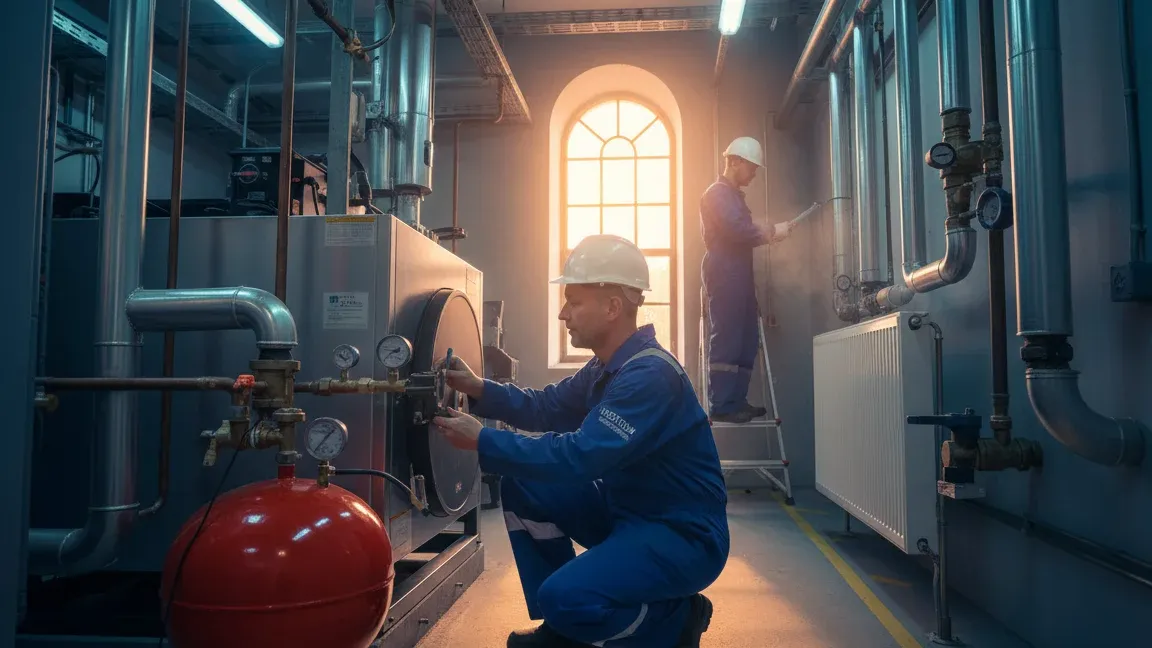
Commercial heating systems demand consistent attention throughout the year, with specific maintenance tasks aligned to seasonal demands and operational patterns. Facilities managers who implement structured seasonal maintenance schedules significantly reduce emergency breakdowns, extend equipment lifespan, and maintain optimal energy efficiency across their commercial properties.
Why Seasonal Maintenance Matters for Commercial Heating
Preventing Costly Mid-Winter Failures
Commercial heating failures peak during winter months when systems operate under maximum stress. Industry research indicates that approximately 68% of commercial heating breakdowns occur between November and February, precisely when businesses can least afford downtime. Emergency repairs during peak heating season cost approximately 3-4 times more than planned maintenance, with additional losses from business disruption, staff discomfort, and potential building damage.
Seasonal maintenance identifies wear patterns before components fail catastrophically. A circulator pump showing bearing noise in October can be replaced during a planned shutdown, whereas the same pump failing in January requires emergency callout, expedited parts delivery, and potential system damage from running dry or overheating.
National Pumps and Boilers engineers consistently observe that facilities with quarterly maintenance schedules experience 80% fewer emergency callouts than properties relying on reactive maintenance approaches.
Real UK examples demonstrate this principle clearly. A Manchester office complex implementing pre-winter checks in 2022 identified three aging commercial circulators requiring replacement before winter. The planned summer replacement cost £4,200 including labour. A comparable building nearby experienced two pump failures during January 2023, resulting in £18,500 in emergency repairs, temporary heating rental, and productivity losses from staff working in cold conditions.
Regulatory Compliance and Warranty Protection
UK commercial properties face specific legal obligations regarding heating system maintenance. The Health and Safety at Work Act 1974 requires employers to maintain workplace temperatures at reasonable levels, typically minimum 16°C for office environments. The Gas Safety (Installation and Use) Regulations 1998 mandate annual inspections of gas-fired heating equipment by Gas Safe registered engineers, with detailed records maintained for inspection.
Beyond legal compliance, manufacturer warranties universally require documented maintenance at specified intervals. Most commercial boiler warranties become void if annual servicing lapses, potentially leaving building owners liable for expensive repairs that would otherwise be covered. Seasonal maintenance schedules naturally incorporate these warranty requirements whilst spreading maintenance workload across the year.
Spring Maintenance Tasks (March-May)
Post-Winter System Assessment
Spring provides the ideal opportunity for comprehensive system assessment after months of intensive winter operation. Begin with detailed component inspection of all major components, checking for stress-related damage that accumulated during peak heating season. Pump maintenance takes priority, as circulators operating continuously through winter show wear patterns requiring attention before the following heating season.
Examine pump bearings for noise, vibration, or excessive heat indicating deterioration. Many commercial installations use Grundfos pumps or Wilo pumps in multi-pump configurations, allowing individual units to be serviced whilst maintaining system operation. Check coupling alignment, shaft seals for weeping, and motor windings for insulation resistance.
Expansion vessel inspection follows pump assessment. Check pre-charge pressure against manufacturer specifications, typically 0.5 bar below system cold fill pressure. Vessels losing pre-charge allow system pressure fluctuations and frequent pressure relief valve discharge. Test the Schrader valve for air leakage and inspect the vessel exterior for corrosion.
System pressure testing reveals leaks that developed during winter thermal cycling. Slowly increase system pressure to maximum operating level whilst inspecting all joints, flanges, and valve glands. Small leaks tolerable during winter can worsen significantly if left unaddressed through summer.
Cleaning and Efficiency Optimisation
Heat exchanger efficiency deteriorates throughout the heating season as combustion deposits and waterside scale accumulate. Spring cleaning restores efficiency before summer shutdown, preventing deposits from hardening during warm months. Gas-fired boilers require particular attention to burner condition, flame pattern, and combustion efficiency testing.
System water quality directly impacts component longevity and efficiency. Take water samples from multiple system points, testing pH (target 7.5-8.5), conductivity, and inhibitor concentration. Glycol-based systems require freeze protection testing, particularly if the system experienced extreme cold exposure.
Power flushing larger commercial systems during spring removes accumulated magnetite and debris before summer stagnation allows settlement. Follow power flushing with fresh inhibitor dosing to protect cleaned surfaces.
Summer Maintenance Tasks (June-August)
Major Component Replacements and Upgrades
Summer's reduced heating demand creates the optimal window for significant repairs and system upgrades. Schedule major component replacements during this period to avoid disrupting heating service during shoulder seasons or winter.
Replacing aging circulators with modern energy-efficient models delivers immediate efficiency gains whilst eliminating reliability concerns. Variable speed central heating pumps reduce electrical consumption by 30-50% compared to fixed-speed predecessors whilst maintaining superior comfort through modulated flow. Summer installation allows thorough system commissioning and optimisation before the heating season begins.
Boiler component replacement benefits from summer scheduling when backup capacity can cover essential hot water needs. Replace worn burners, failed heat exchangers, or aging control systems without the pressure of maintaining full heating capacity.
Consider upgrading building management system integration during summer months. Modern controls with weather compensation, optimum start/stop, and remote monitoring capabilities reduce energy consumption whilst improving system reliability through early fault detection.
System Flushing and Water Treatment
Comprehensive system flushing during summer addresses water quality issues before they impact winter performance. Commercial systems typically require power flushing every 5-7 years, with more frequent treatment for systems showing water quality problems or those in hard water areas.
After flushing, dose systems with fresh corrosion inhibitor and biocide as required. Commercial systems require higher inhibitor concentrations than domestic installations due to larger water volumes and higher operating temperatures. Test inhibitor concentration at multiple system points to ensure adequate distribution.
Autumn Maintenance Tasks (September-November)
Pre-Winter System Commissioning
Autumn commissioning ensures systems enter winter in peak condition. Begin pre-winter checks in early September, allowing time to address identified issues before heating demand increases. This proactive timing prevents the October rush when heating engineers face maximum demand from facilities simultaneously requesting pre-winter inspections.
Full system pressure testing verifies integrity before winter operation. Raise system pressure to maximum operating level and maintain for 2-4 hours whilst inspecting all accessible pipework, joints, and components. Address any pressure loss immediately, as small leaks worsen rapidly under winter thermal cycling and higher flow rates.
Bleed all radiators and high points to remove air accumulated during summer shutdown. Air locks reduce circulation effectiveness and create noise whilst accelerating corrosion in affected areas. Large commercial systems benefit from automatic air vents at strategic high points, though these require annual inspection to ensure proper operation.
Test all zone valves, actuators, and control systems under realistic operating conditions. Verify each zone responds correctly to thermostat demands and that control schedules match current building occupancy patterns.
Pump and Circulator Preparation
Pump maintenance intensifies during autumn as systems prepare for winter demand. Inspect all circulator seals and gaskets, replacing any showing signs of weeping or deterioration. Small seal leaks tolerable during summer become significant problems under winter operating pressures and continuous runtime.
Test pump speed settings against winter flow requirements. Many commercial installations use multi-speed or variable speed pumps that may have been set to reduced speeds during summer. Verify speed settings provide adequate flow for peak winter demand.
Check electrical connections for tightness and corrosion, particularly in damp plant room environments. Loose connections create resistance, generating heat that can damage motor windings or cause nuisance trips.
Replace circulators showing signs of age or deterioration before winter stress causes failure. Lowara and other quality pumps approaching manufacturer-specified service life (typically 10-15 years for quality commercial units) should be replaced proactively rather than risking mid-winter failure. Autumn replacement allows careful selection and proper commissioning rather than emergency substitution.
Winter Maintenance Tasks (December-February)
Ongoing Monitoring During Peak Season
Winter maintenance focuses on vigilant monitoring rather than invasive work that might disrupt heating service. Implement weekly visual inspections of all operating equipment, checking for leaks, unusual noise, vibration, or other indicators of developing problems. Early detection allows planned intervention before minor issues escalate into emergency failures.
Monitor system pressure levels daily during cold weather. Pressure loss indicates leaks requiring attention, whilst excessive pressure suggests expansion vessel failure or overfilling. Modern building management systems provide remote pressure monitoring, alerting maintenance staff to problems before they cause system shutdown.
Temperature monitoring across multiple system points identifies performance problems early. Reduced flow temperatures suggest boiler efficiency problems, whilst uneven temperatures between zones indicate circulation issues requiring investigation.
Listen for unusual noises indicating developing problems. Bearing failures, cavitation, and air entrainment create distinctive sounds that experienced engineers recognise as warning signs. Investigate any noise changes promptly, as most mechanical failures provide audible warning before catastrophic breakdown.
Emergency Preparedness
Maintain adequate stock of critical spare parts for winter operation. Pump valves, seals, pressure relief valves, and common control components should be readily available to minimise downtime if failures occur. The cost of maintaining spare parts inventory is negligible compared to emergency callout fees and extended downtime waiting for parts delivery.
Establish clear emergency contact procedures with qualified heating engineers. Ensure 24-hour contact numbers are readily available to security staff and facilities managers who may need to respond to out-of-hours alarms.
Train building staff to recognise warning signs requiring immediate attention. Unusual noises, pressure gauge readings outside normal range, or error codes on boiler displays should trigger immediate notification to maintenance staff.
Implement frost protection procedures during extreme cold weather. Exposed pipework, particularly in plant rooms or external locations, requires adequate insulation and heating trace where appropriate.
Component-Specific Seasonal Maintenance
Commercial Circulators and Pumps
Commercial circulators require component-specific maintenance schedules aligned with seasonal cycles. Bearing inspection follows a quarterly pattern, with detailed assessment in spring after winter operation and autumn before the heating season begins. Listen for bearing noise, check for excessive vibration, and measure bearing temperature under normal operating conditions.
Motor winding testing before winter verifies electrical integrity after summer shutdown. Measure insulation resistance between windings and earth, targeting minimum 1 megohm for motors in good condition. Lower readings indicate moisture ingress or insulation deterioration requiring motor replacement or professional rewinding.
Impeller condition affects pump performance and efficiency. Inspect impellers annually for erosion, corrosion, or damage from debris. Cast iron impellers in poor water quality systems may require replacement every 5-7 years.
Expansion Vessels and Pressurisation Units
Expansion vessels require quarterly pressure checks to ensure proper system pressurisation. Test pre-charge pressure with system isolated and drained down, adjusting to manufacturer specifications. Vessels losing pre-charge indicate membrane failure requiring replacement before winter operation.
Annual membrane inspection involves draining the vessel and checking for water on the air side of the membrane, indicating failure. Replace failed vessels immediately, as continued operation without proper expansion capacity causes frequent pressure relief valve discharge and potential system damage.
Pressurisation units require more frequent attention than simple expansion vessels. Check pump operation, pressure switch settings, and control system function quarterly. Clean strainers and verify adequate water supply to the unit.
Control Systems and Sensors
Calibrating temperature sensors seasonally ensures accurate system control. Sensors drift over time, causing comfort complaints and efficiency losses. Compare sensor readings against calibrated reference instruments and adjust or replace sensors showing significant deviation.
Test building management system integration to verify data accuracy and control response. Update control schedules for seasonal occupancy changes, particularly in educational or hospitality facilities with varying usage patterns.
Verify weather compensation settings match current building thermal characteristics. Building envelope improvements, occupancy changes, or equipment upgrades may require weather compensation curve adjustments for optimal efficiency.
Creating a Seasonal Maintenance Schedule
Developing a Comprehensive Calendar
Effective seasonal maintenance requires structured planning that maps specific tasks to optimal seasons whilst coordinating with building occupancy and operational requirements. Begin by listing all maintenance tasks with manufacturer-recommended intervals, then assign each task to the most appropriate season based on operational impact and technical requirements.
Spring schedules focus on post-winter assessment and cleaning tasks that benefit from mild weather and reduced heating demand. Summer concentrates on major repairs and system upgrades that require extended shutdown periods. Autumn emphasises commissioning and preparation for winter operation, whilst winter maintenance focuses on monitoring and minor adjustments.
Coordinate maintenance scheduling with building occupancy patterns to minimise disruption. Educational facilities benefit from concentrating major work during summer holidays, whilst retail properties may prefer scheduling around trading patterns.
Working with Professional Maintenance Providers
Selecting qualified heating engineers ensures seasonal maintenance delivers intended benefits. Look for providers with experience in commercial heating systems and relevant manufacturer certifications.
Establishing annual maintenance contracts with reputable service companies ensures consistent quality and creates service history continuity. Contracts should specify seasonal inspection frequencies aligned with system requirements.
DHW pumps and other critical components benefit from inclusion in comprehensive maintenance agreements that cover all system elements.
For guidance on developing seasonal maintenance programmes tailored to specific commercial heating systems, Contact Us to discuss requirements with experienced specialists.