

Shower Pump Maintenance: Keeping Performance Consistent Over Time
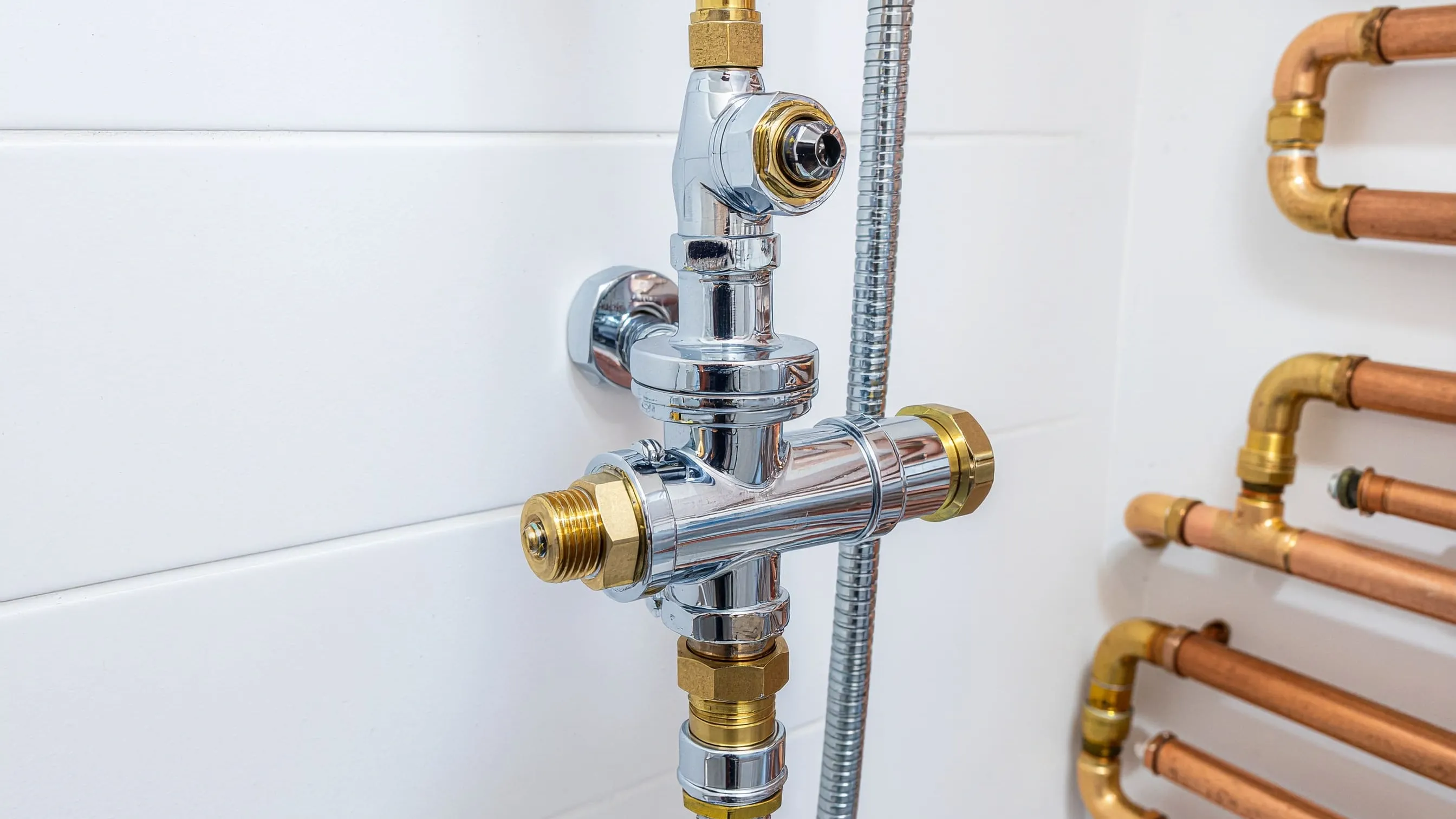
A premium mechanical pump represents a highly significant financial investment for any homeowner. Many people mistakenly assume these heavy-duty devices will operate flawlessly forever without any physical intervention. This false assumption guarantees premature mechanical failure, highly frustrating pressure drops, and massive replacement costs. Consistent shower pump maintenance extends the operational lifespan of your mechanical equipment significantly.
However, you must understand the strict physical boundaries of safe DIY intervention before you touch any plumbing connections. Modern pumps are highly calibrated electrical engines operating in extremely wet environments. Touching the wrong internal component instantly voids your manufacturer warranty and creates severe safety hazards.
The objective is to protect the delicate internal components from external damage without dismantling the core engine. You must focus entirely on maintaining perfect water quality, ensuring unrestricted flow, and verifying external physical connections. Executing these strict preventative routines safely guarantees you enjoy spectacular, hotel-quality shower pressure for well over a decade.
Understanding Sealed-for-Life Bearings
Modern mechanical pumps operate using highly advanced internal engineering. Decades ago, older systems required manual lubrication using dedicated oil ports. Today, manufacturers strictly utilise sealed-for-life bearings across almost all domestic models. You must never attempt to open the primary motor casing to lubricate the internal rotating shaft.
Doing so instantly destroys the factory water seal and ruins the electrical motor permanently. The pumped water itself physically lubricates and cools these modern ceramic bearings during standard daily operation. If your pump starts grinding loudly or screaming, the internal bearings have already failed completely.
You cannot reverse this specific mechanical damage with simple shower pump maintenance routines. Once the ceramic bearings score or crack, the entire motor shaft falls completely out of balance. If terminal bearing failure occurs, specifying reliable replacement Grundfos Shower Pumps is your only safe, permanent solution.
Cleaning Internal Inlet Filter Screens
The most critical maintenance task involves protecting the delicate internal impellers from heavy physical debris. Plumbers install your pump directly downstream from your hot water cylinder and your cold water storage tank. These massive storage vessels accumulate massive amounts of physical sludge, insect debris, and hard water scale over time.
This heavy debris eventually travels straight down the vertical supply pipes toward your delicate mechanical equipment. To prevent absolute destruction, manufacturers install tiny inlet filter screens strictly inside the pump connection ports. These tiny physical barriers catch the debris safely before it hits the high-speed spinning impellers.
When these filters block entirely, the pump starves for water and overheats rapidly. You must isolate the electrical supply and close the nearby Isolation Valves Available completely. You can then carefully unscrew the flexible hoses to remove and rinse these vital protective filters using plain warm water.
Managing Hot Water Temperatures Safely
Thermodynamic physics dictate exactly how scale forms inside your domestic plumbing system. When you heat water beyond 65°C, the dissolved calcium and magnesium precipitate out of the liquid incredibly rapidly. This chemical reaction forms rock-hard limescale directly onto your sensitive pump impellers.
Massive scale accumulation throws the spinning brass impellers completely off balance instantly. This severe imbalance generates heavy mechanical vibration that destroys the mechanical shaft seals within a matter of months. You must physically check your hot water cylinder thermostat setting during any routine visual inspection.
Ensure the thermostat sits strictly between 60°C and 65°C. This specific temperature range kills dangerous Legionella bacteria completely while preventing rapid, highly destructive scale formation. If your system requires heavy-duty performance in exceptionally hard water areas, robust Wilo Water Pumps offer excellent resistance to minor scale accumulation.
Preventing Severe Cavitation Damage
Cavitation represents the single most destructive physical force your pump will ever encounter. Cavitation damage occurs when a heavily starved pump creates a severe low-pressure vacuum inside the main impeller chamber. This extreme vacuum causes the water to literally boil at room temperature, creating microscopic vapour bubbles.
When these tiny bubbles hit the high-pressure side of the spinning impeller, they implode violently. These microscopic implosions generate massive kinetic shockwaves that blast tiny chunks of brass straight off the impeller surface. The pump will sound exactly like it is grinding a handful of loose gravel.
Preventing severe cavitation damage requires keeping your filters perfectly clean and ensuring your hot cylinder is fully vented. The technical experts at National Pumps and Boilers strongly advise checking your loft storage tank regularly. You must guarantee maximum water delivery reaches the pump inlets constantly to prevent this devastating vacuum effect entirely.
Bleeding Trapped Air from the System
Air locks create massive mechanical issues for high-speed domestic water pumps. Tiny air bubbles naturally form inside hot water cylinders during the standard daily heating cycle. If this trapped air travels down the pipework and enters the pump casing, it creates an impenetrable physical blockage.
The spinning impellers simply whip the trapped air into a frothy mixture without moving any actual water. You will hear the electrical motor spinning incredibly fast accompanied by a loud, high-pitched whining noise. You must bleed this trapped air out of the system safely to restore normal hydraulic operation immediately.
Most premium models feature a dedicated brass bleeding screw located directly on the main pump casing. You simply open this screw slightly until a steady stream of pure, bubble-free water emerges smoothly. Reliable DAB Booster Pumps are meticulously engineered to make this manual air bleeding process incredibly straightforward and perfectly safe.
Inspecting Flexible Braided Hoses
The physical connections between your rigid copper pipework and your vibrating pump require regular visual inspection. Manufacturers strictly supply flexible braided hoses to absorb the heavy kinetic energy generated by the electrical motor. Without these vital shock absorbers, the motor vibration would fracture the rigid copper pipe joints instantly.
However, the internal rubber lining of these flexible hoses degrades naturally over time due to constant hot water exposure. You must physically inspect these hoses annually for any signs of external fraying, rubber hardening, or severe kinking. A heavily kinked hose restricts the water volume dramatically, starving the pump and causing immediate overheating.
If the internal rubber feels completely rigid or brittle, you must replace the hoses immediately before they burst. Quality replacement parts from our Central Heating Spares range ensure your mechanical connections remain absolutely secure. You must always ensure replacement hoses remain completely straight to prevent internal water turbulence.
Testing System Isolation Valves
Isolation valves represent your absolute only line of defence when a mechanical plumbing emergency occurs. If your pump develops a severe leak, you must shut the water off instantly to prevent catastrophic property flooding. However, brass isolation valves frequently seize completely solid if left unoperated for several consecutive years.
The internal brass ball becomes heavily encrusted with hard water minerals, locking the handle permanently in place. You must proactively exercise every single isolation valve surrounding your pump at least once every six months. Simply turn the valve handle to the fully closed position, wait ten seconds, and open it fully again.
This basic physical action scrapes the internal mineral deposits away safely. It guarantees the valve functions perfectly during a real mechanical emergency. High-performance Lowara Circulation Pumps demand highly reliable isolation networks for safe, ongoing mechanical servicing and rapid emergency shutdowns.
Identifying Signs of Terminal Wear
Despite executing perfect shower pump maintenance routines, every mechanical device eventually reaches the end of its physical lifespan. You must learn to differentiate between a simple maintenance issue and complete terminal mechanical failure. The most obvious indicator of terminal wear involves water actively dripping from the bottom of the motor casing.
This dangerous external leak indicates that the internal mechanical shaft seals have failed completely. You will often see a highly visible white crusty line of dried minerals underneath the belly of the pump. You cannot safely repair failed mechanical shaft seals on a domestic unit because the internal electrical components are already compromised.
Mixing high-voltage electricity with a leaking water chamber creates a massive, lethal shock hazard for your entire household. If your unit leaks from the central motor housing, you must isolate the electrical fused spur immediately. You absolutely must arrange for a complete mechanical replacement rather than attempting a highly dangerous DIY repair.
Conclusion
Implementing a strict maintenance schedule protects your expensive mechanical equipment and guarantees consistent daily shower pressure. You must never attempt to open the main electrical motor casing or interfere with the factory-sealed ceramic bearings. Your primary focus must remain strictly on cleaning the inlet filter screens and bleeding trapped air from the system.
Managing your hot water cylinder temperature correctly prevents devastating scale accumulation and highly destructive cavitation damage. Regularly exercising your isolation valves and inspecting your flexible hoses prevents minor faults from escalating into catastrophic property leaks. If your unit begins leaking actively from the main electrical housing, you must shut the system down completely.
Knowing the strict physical boundaries of safe DIY intervention protects both your property and your personal safety. If you need replacement filters, new flexible hoses, or a completely new mechanical unit, Book a Service Consultation today. Our dedicated engineering team will provide the exact technical components required to restore your bathroom performance safely.