
 -
- Single Impeller vs Twin Impeller Shower Pumps: Which Type Do You Need?
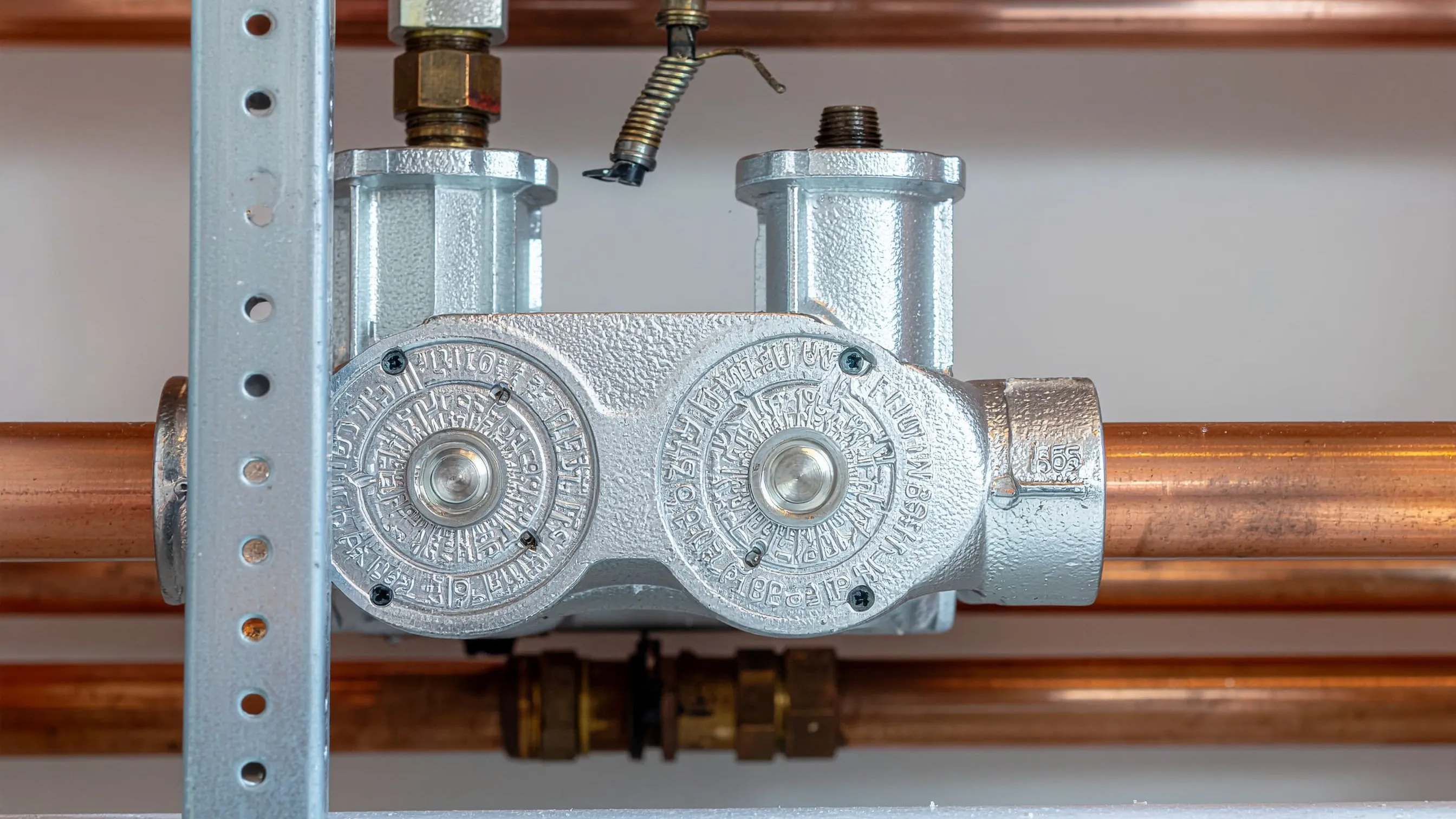
Selecting the correct pump configuration dictates exactly how your shower performs. Making the wrong choice leaves your bathroom severely lacking during peak morning demand. When you evaluate a single vs twin impeller shower pump, the decision heavily impacts your installation complexity and running costs. You must match the pump type precisely to your specific plumbing system.
These two pump types serve very distinct purposes within UK domestic plumbing. One is not inherently better than the other. They simply handle different hydraulic challenges. We know that getting this choice right prevents expensive installation mistakes. You must fully understand your existing plumbing layout before purchasing any equipment.
What Is a Single Impeller Shower Pump?
A single impeller pump operates with one motor-driven impeller inside a single chamber. It typically boosts just the hot water supply or just the cold water supply. Alternatively, you can install it after the shower valve to boost a pre-mixed water supply.
These single impeller models work exceptionally well when only one gravity supply needs a pressure increase. You must verify compatibility with your thermostatic mixer valve if you only boost the hot water. An unbalanced supply easily causes severe temperature fluctuations. We recommend highly reliable Grundfos Digital Models for these specific single-feed applications.
They fit easily inside cramped airing cupboards where larger units cannot physically fit. The single motor rotates at high speeds, drawing water through the chamber and delivering it at elevated pressure. This provides a highly effective solution for targeted pressure drops.
What Is a Twin Impeller Shower Pump?
A twin pump features two separate impeller chambers driven by a central motor. This twin impeller configuration connects to both the hot and cold gravity water supplies. It boosts both pipe lines equally before they ever reach the shower valve.
This independent hot and cold water boosting maintains perfectly balanced pressure across the entire shower system. It physically stops sudden temperature changes when someone flushes a toilet elsewhere in the house. Premium DAB Pressure Sets provide fully automatic operation for these balanced setups.
The dual chamber design monitors flow through both supplies simultaneously. It activates the motor the exact second you open the shower valve. This delivers instantaneous, balanced pressure directly to both sides of your thermostatic cartridge.
Key Performance Differences
Flow rate capacity clearly separates these two mechanical designs. A single pump boosting mixed water typically delivers 40 to 60 litres per minute. A twin pump delivers 60 to 100 litres per minute, easily supporting large luxury shower heads.
Comparing a single vs twin impeller shower pump reveals very similar bar pressure ratings. Both typically output between 1.5 and 3.0 bar. However, twin models maintain much steadier pressure when other taps open. Smart Wilo Digital Series units track exact electrical consumption for both configurations perfectly.
Energy consumption depends heavily on the motor size rather than the impeller count. A highly efficient twin pump can draw less current than an older, inefficient single model. You should always review the manufacturer performance curves rather than simply looking at motor wattage.
Installation Requirements and System Compatibility
Installation depends entirely on your existing plumbing architecture. Both configurations strictly require a traditional gravity-fed system with a cold water header tank. You must never connect standard shower pumps directly to mains-fed combi boilers or unvented cylinders.
Connecting a standard pump to a mains-pressure system violates UK water regulations immediately. The high incoming mains pressure will blow the internal pump seals instantly. You must install full-bore Butterfly Valves Available on every pipe connection for safe maintenance isolation.
Both pump types require a dedicated electrical connection via a 3-amp fused spur. You must position this switch safely outside the bathroom zones to comply completely with BS 7671 wiring regulations. Proper anti-vibration mounting pads are also strictly required for both mechanical types.
When to Choose a Single Impeller Shower Pump
Simple properties with balanced gravity supplies suit single pumps perfectly. These single impeller models cost less to purchase and require much less physical installation space. They easily slide under baths or into extremely tight loft spaces.
You use them primarily when boosting a single hot water gravity feed to match a higher-pressure mains cold feed. If you boost only the hot water, the hot pressure becomes much higher than the mains cold pressure. Robust Lowara Pressure Pumps handle these dedicated single-line boosting tasks effortlessly.
Because of this pressure difference, your thermostatic mixer valve must specifically state it handles unbalanced supplies. You also use single pumps to boost pre-blended water. The pump sits downstream of a manual shower valve and pushes the mixed water directly to the shower head.
When to Choose a Twin Impeller Shower Pump
Luxury bathroom installations absolutely demand a twin impeller configuration. Body jets and massive rainfall shower heads require huge water volumes that single pumps simply cannot provide. This independent hot and cold water boosting guarantees safe, high-flow showering for your entire family.
A local installer recently fitted a single pump on a luxury six-jet shower system. The flow was so weak the jets barely worked at all. Swapping it to a proper twin model fixed the massive pressure drop instantly. High-capacity Ebara Drainage Pumps share similar dual-motor principles to move massive water volumes reliably.
Multi-bathroom properties where simultaneous shower use occurs regularly also benefit massively from twin pumps. The separate hot water impeller maintains excellent shower pressure even when the central heating circuit activates downstairs.
Common Misconceptions About Shower Pump Selection
Many people falsely assume higher wattage always equals better performance. A highly efficient 150-watt pump easily outperforms a cheap 200-watt unit. You must evaluate the hydraulic efficiency rather than just the electrical draw.
Another massive misconception involves pump noise. Think of a single vs twin impeller shower pump exactly like a car engine. It is not the number of cylinders that makes it loud, but how poorly you isolate the mechanical exhaust. Solid anti-vibration mounts silence both types effectively.
Advanced Armstrong Smart Pumps feature soft-start technology to minimise mechanical vibration during activation. This prevents the sudden physical jolt that often rattles loose pipework in older residential homes.
Technical Specifications to Consider
You must match the bar rating to your actual shower head requirements. Most domestic showers require 1.5 to 3.0 bar of pressure. A 3.0 bar pump delivering only 10 litres per minute will still feel incredibly weak.
British Standard BS EN 60335-2-41 establishes strict safety requirements for all domestic water pumps. Pumps must carry an IP24 rating minimum to indicate robust protection against splashing water. Professional specification by National Pumps and Boilers guarantees these safety standards are met fully.
Conclusion
Choosing a single vs twin impeller shower pump depends entirely on your gravity plumbing layout and water demand. Twin models offer balanced, independent hot and cold water boosting for luxury setups and multi-valve bathrooms. Single models provide targeted pressure increases for much simpler plumbing configurations.
You must accurately measure your static head pressure before specifying either pump type. Installing the wrong configuration wastes money and leaves your shower pressure completely unresolved. Professional specification guarantees you purchase the exact mechanical match for your home.
If you are planning a bathroom upgrade and need exact hydraulic specifications, Talk to a Product Expert today for professional guidance.