

Stainless Steel vs Cast Iron Submersible Pumps: Which Should You Choose
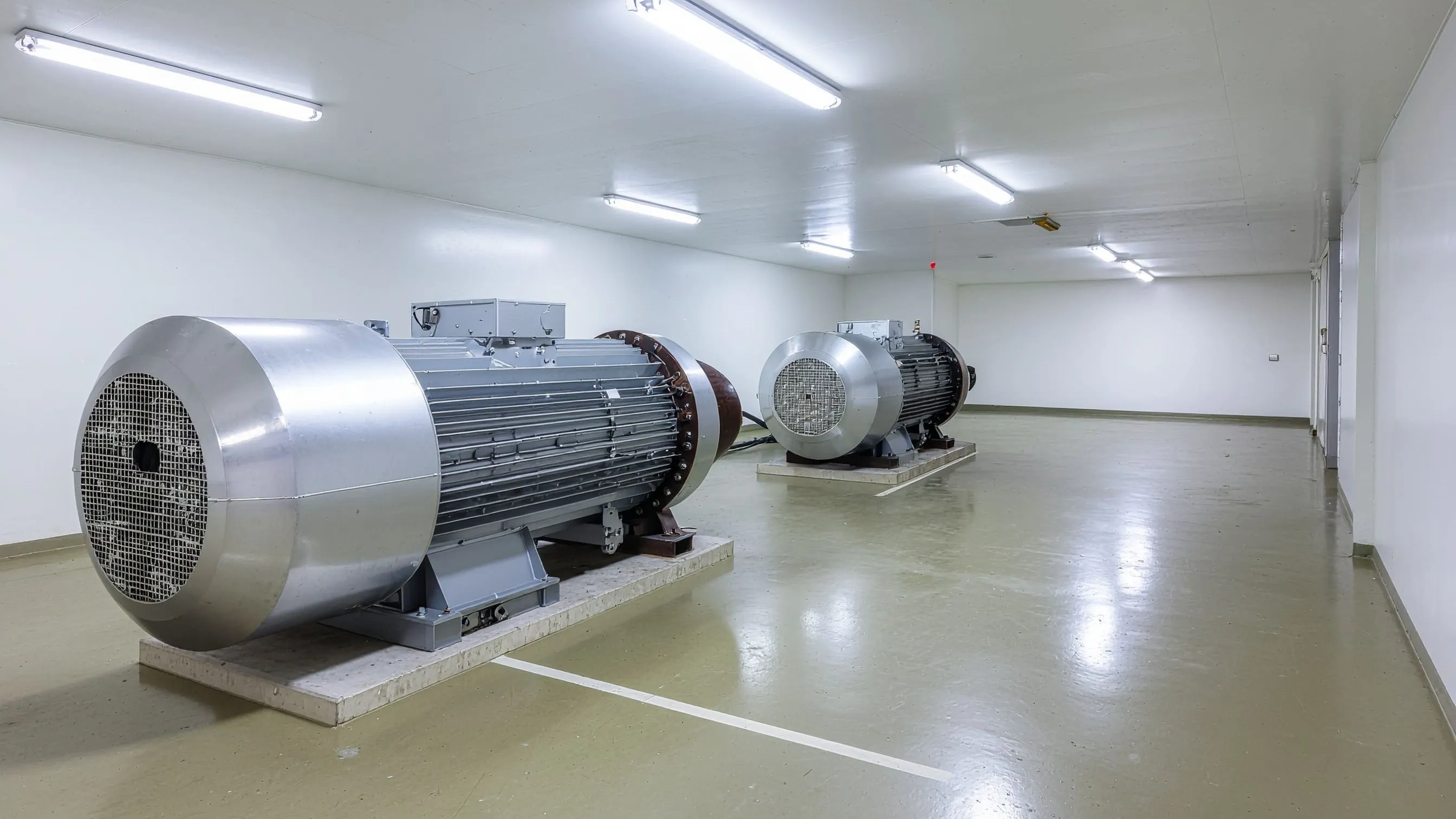
The stainless steel vs cast iron submersible pump decision is one of the most consequential specification choices in drainage and dewatering engineering. Unfortunately, contractors frequently make this choice based on purchase price alone rather than conducting a proper water chemistry analysis. Specifying cast iron for an application with aggressive fluid chemistry produces a pump that begins corroding immediately upon commissioning. This creates premature replacement costs that easily wipe out any initial capital savings.
Conversely, specifying stainless steel where cast iron performs perfectly well adds unnecessary capital cost without improving service life. Both materials produce highly reliable hardware for their respective applications. The difference lies entirely in understanding what those appropriate applications are, which is dictated by fluid chemistry, duty cycle intensity, and total service life expectations.
Why Submersible Pump Material Matters
A submersible pump operates fully immersed in fluid for days or weeks at a time. This continuous immersion creates harsh corrosion conditions that surface-mounted pumps never experience. There is no opportunity for surfaces to dry out, passivation layers to form fully in the air, or protective coatings to recover from local damage. The pumped fluid remains in continuous contact with every wetted surface, making your specification a continuous chemical interaction rather than an intermittent exposure.
The stainless steel vs cast iron submersible pump selection must begin with the pumped fluid's chemistry. Variables like pH, chloride content, dissolved oxygen, and suspended solids dictate how quickly different alloys degrade. An Ebara pump that performs reliably for 15 years in neutral clean groundwater might fail within two years in acidic industrial seepage.
Think of cast iron's specific vulnerability to graphitic corrosion like termites in a wooden structural beam. The outside shape looks completely solid and intact to the naked eye, but the internal structure is slowly hollowed out. The iron matrix oxidises and washes away, leaving behind a porous graphite skeleton that is mechanically weak and highly prone to sudden failure under pressure.
Cast Iron Submersible Pump: Construction and Characteristics
Grey cast iron provides excellent machinability, superior vibration damping, and a significant cost advantage over premium alloys. Its high carbon content creates a microstructure of graphite flakes within an iron matrix. This structure gives the metal its mechanical damping properties but also creates its primary vulnerability to the graphitic corrosion mentioned above.
In neutral to mildly alkaline water between pH 6.5 and 8.5, this corrosion process proceeds incredibly slowly. Standard National Pumps and Boilers hardware operating in these parameters easily achieves service lives of 10 to 15 years. Below pH 5.5, the degradation rate accelerates dramatically, visibly attacking the iron surfaces and forcing a replacement within 3 years. Epoxy paint and fusion-bonded coatings provide an excellent barrier layer, but they require periodic inspection to remain effective.
Applications Where Cast Iron Excels
Wastewater handling represents cast iron's strongest domain. The material's robustness under impact from large solids makes it the undisputed industry standard for municipal sewage service. A heavy-duty cast iron sewage pump provides the necessary free-passage impeller design and structural weight required for challenging lifting stations.
Intermittent duty applications actually suit cast iron exceptionally well. When a sump empties and the hardware spends time in the open air, a protective surface oxide layer forms. This natural rust barrier provides temporary protection when the unit returns to service.
Limitations of Cast Iron
Acidic water below pH 5.5 causes rapid surface attack that destroys cast iron regardless of coating quality. Industrial drainage containing acid process waste or natural acidic groundwater creates conditions where a standard DAB pump manufactured from basic iron simply won't survive. Attempting to manage acidic conditions with thick epoxy coatings addresses the symptom rather than the cause, as any scratch instantly exposes the bare metal to rapid failure. A submersible drainage pump requires an inherently resistant base material to handle these environments safely.
Stainless Steel Submersible Pump: Construction and Characteristics
The stainless steel vs cast iron submersible pump comparison is complicated by the distinct performance differences between various steel grades. Grade 304 provides excellent general-purpose resistance in fresh water with chloride content below 200 mg/l. Grade 316 adds molybdenum to the mix, which dramatically improves resistance to chloride attack. Specifying genuine 316 stainless steel is absolutely essential for coastal groundwater, road drainage, and industrial applications.
Duplex alloys combine austenitic and ferritic microstructures to achieve higher strength and elite chemical resilience. These are deployed in applications combining high chloride content with severe mechanical stress. When selecting a lowara water pump fabricated from premium grades, the specification must be documented against the site's exact water chemistry parameters prior to installation.
Applications Where Stainless Steel Excels
Potable water supply applications require 316 stainless steel strictly for material compliance. Water supply regulations mandate materials that won't leach contaminants into drinking water. Stainless steel meets these stringent requirements for borehole systems serving private water supplies, whereas cast iron would introduce unacceptable iron discolouration.
A coastal car park maintenance team recently found themselves replacing their basement cast iron sewage pump every 18 months due to severe chloride pitting from winter road salts. By swapping the entire sump layout to premium stainless steel units, they eliminated the failure cycle completely, saving the facility over £4,000 annually in emergency callouts. Seawater contains approximately 19,000 mg/l of chloride, far above the threshold where standard materials survive.
For hygiene-critical environments like food processing or pharmaceutical manufacturing, a premium Wilo pump provides compliance with HACCP legislation. The smooth surface finish naturally resists bacterial adhesion and tolerates harsh chemical sanitisation washdowns.
Limitations of Stainless Steel
Stagnant pockets at threaded connections or under gaskets represent the primary vulnerability of stainless steel. In chloride-heavy environments, oxygen-depleted crevices break down the passive oxide layer that protects the metal. Maintaining high crevice corrosion resistance requires specific engineering designs that eliminate tight mechanical clearances. If fluid stagnates, local acidic attack penetrates the components much faster than general surface wear.
Water Quality Assessment for Material Selection
Your pH measurement provides the primary data point for your specification. Water between pH 6.5 and 8.5 allows both materials to perform adequately, meaning your choice will depend heavily on whole-life cost metrics. Water below pH 5.5 eliminates cast iron entirely, while highly alkaline water above pH 9 requires specialist linings for both options.
Chloride content determines your grade selection once you commit to a steel chassis. UK freshwater aquifers typically sit safely below 100 mg/l chloride. However, any application connected to marine or industrial chloride sources requires comprehensive chemical analysis before finalising a grundfos pump specification package. Excellent crevice corrosion resistance must be actively engineered into marine systems.
Application-Specific Material Recommendations
When installing an Armstrong pump into commercial building services, coordinating material choices prevents galvanic degradation at dissimilar metal interfaces. Connecting a stainless steel unit directly to carbon steel pipework creates a galvanic couple that rapidly destroys the less noble carbon steel. You must utilise electrically isolating flanges or ensure material consistency through the entire discharge arrangement.
Whole-Life Cost Comparison
The initial 30 to 60% purchase premium for premium alloys looks completely different when viewed through a long-term service life lens. In neutral freshwater, both materials achieve comparable lifespans of 10 to 15 years, making cast iron the economical winner. However, in acidic drainage, cast iron requires replacement after 3 years whilst premium alloys like a robust submersible drainage pump continue operating flawlessly for 15 years.
Conclusion
The material specification decision demands thorough water chemistry analysis rather than a default budgetary preference. Cast iron provides incredible, cost-effective reliability in neutral clean water and municipal sewage applications. Stainless steel remains the mandatory specification wherever fluid chemistry creates corrosion risks that basic iron cannot manage, especially in coastal zones or hygiene-critical environments.
If you aren't certain which material grade best suits your upcoming dewatering project or commercial drainage sump, Find the Right Pump by discussing your site's specific chemical parameters with an experienced building services specialist today.