

Storage vs Instantaneous Water Heating: Which Suits Your Commercial Building?
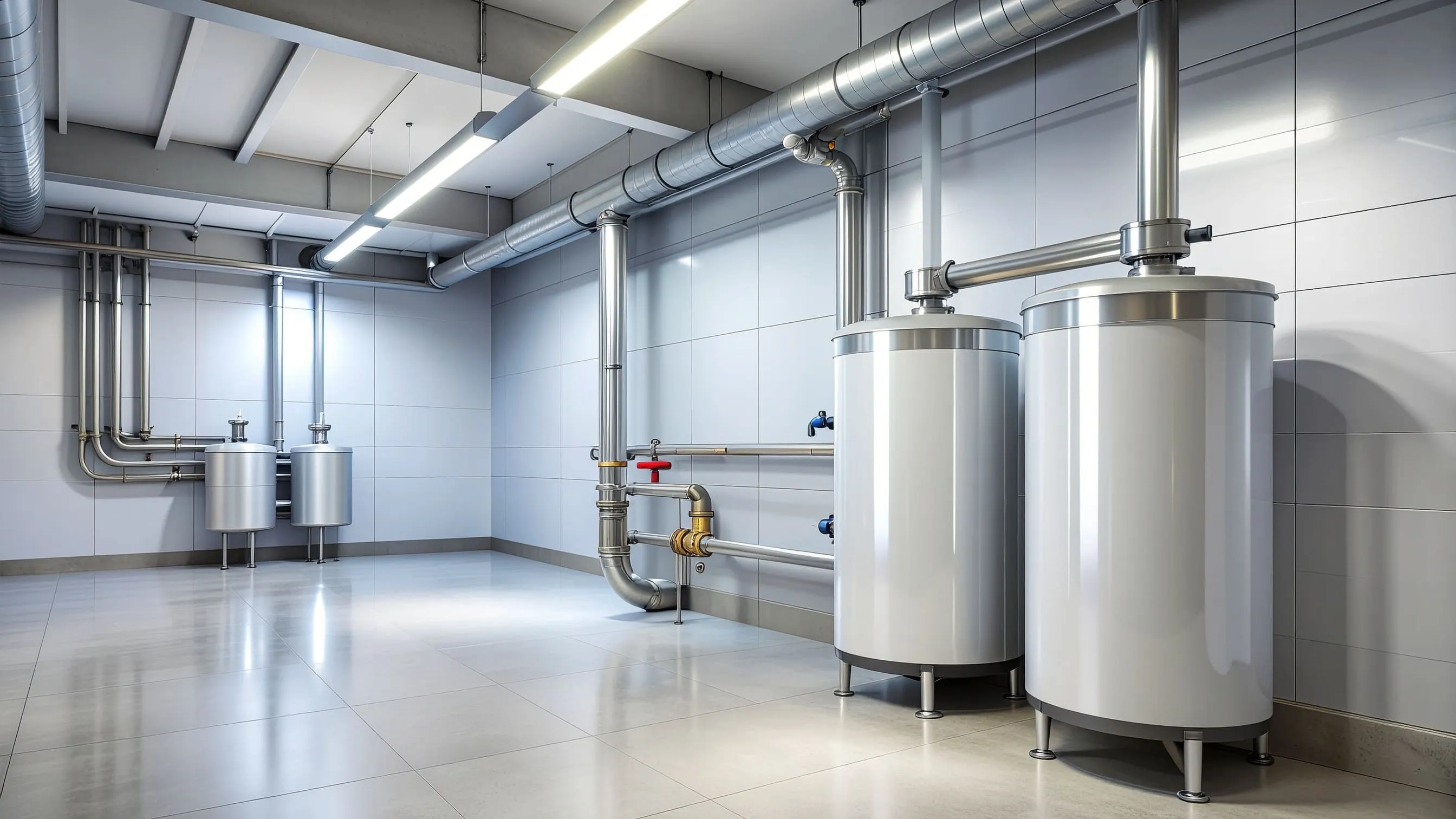
Commercial hot water provision represents a massive energy demand in modern non-domestic buildings. The storage vs instantaneous water heater decision requires careful technical scrutiny from the very beginning. Choosing the wrong system creates compounding financial and operational problems over many years. You either suffer excessive energy waste from oversized storage or inadequate flow during peak demand.
Both failure modes are completely avoidable through proper mechanical analysis. Understanding the fundamental thermodynamic differences between these technologies enables facility managers to specify systems correctly. You must match the equipment to the exact usage patterns of your specific commercial building safely.
How Storage Water Heaters Operate
Storage water heaters maintain a massive reserve of hot water inside insulated cylinders. This pre-heated water sits ready for immediate draw-off the exact second a tap opens. The system heats water continuously during off-peak periods using thermostatically controlled gas burners or electric elements. Commercial cylinder capacities typically range from three hundred litres to several thousand litres.
The critical performance metric for this technology is the mechanical recovery rate. This indicates exactly how quickly the system reheats water after a significant draw-off period. A large commercial cylinder might need ninety minutes to recover completely from a cold state. Premium Andrews Commercial Units manufacture cylinders specifically engineered to handle these heavy commercial duty cycles flawlessly.
Think of a storage system exactly like a large rechargeable battery. It charges up slowly overnight to deliver a massive surge of power instantly during the morning rush. In the storage vs instantaneous water heater comparison, storage excels when demand is highly predictable and heavily concentrated.
How Instantaneous Water Heaters Function
Instantaneous water heaters eliminate storage cylinders entirely to save space and energy. They heat water only when internal flow sensors detect immediate physical demand at the taps. Cold mains water passes through a high-capacity metallic heat exchanger very rapidly. The system reaches the target temperature within seconds through incredibly intense heat input.
These modern units use a highly sensitive modulating burner to adjust their output instantly. By matching the exact flow rate and inlet temperature perfectly, the system maintains a highly consistent outlet temperature across varying demand levels. The complete absence of stored volume eliminates overnight energy waste and bacterial stagnation risks safely.
However, installation complexity increases significantly with powerful instantaneous systems. A massive 100kW instantaneous heater demands a highly specialised 150mm diameter flue to operate safely. Top-tier Remeha Wall Hung models handle these massive instantaneous demands brilliantly when properly specified and installed.
Capacity Planning and Peak Demand
Storage systems require careful volume calculations based entirely on peak hourly demand. Engineers assess these peaks using strict diversity factors from established CIBSE commercial guidelines. A busy hotel might experience a massive peak demand of two thousand litres during morning checkout. Instantaneous sizing focuses strictly on simultaneous flow rates rather than total daily volume.
That same hotel requires sixty litres per minute during its absolute peak period. A powerful instantaneous unit can achieve these simultaneous flow rates easily. The fundamental difference lies entirely in the temporal distribution of the hot water. Storage systems accommodate brief, intense peaks that temporarily exceed the primary heating capacity safely.
Instantaneous systems must meet the maximum simultaneous flow continuously without any thermal buffer. Commercial buildings with predictable, concentrated demand periods heavily favour storage commercial hot water options. Heavy-duty DHW Pressure Pumps maintain adequate delivery pressure across both system types seamlessly and safely.
Energy Efficiency Considerations
Standing heat losses penalise storage systems heavily regardless of their premium insulation quality. A massive commercial cylinder loses approximately three kilowatt-hours daily in a standard plant room. This wastes significant money annually purely maintaining temperature without delivering any useful water to the building. Larger installations with multiple cylinders amplify these standing heat losses substantially.
Instantaneous systems eliminate standing losses entirely but face completely different efficiency challenges. A modulating burner operating at a twenty percent load achieves lower efficiency than it does at full capacity. However, this part-load performance still beats maintaining storage temperatures all weekend long in an empty building. Strict adherence to Building Regulations Part L2 compliance heavily influences this specific specification choice.
Seasonal variations also affect these heating technologies quite differently. Storage systems maintain identical standing heat losses all year round regardless of the outside weather. High-efficiency Vaillant Full Range commercial solutions provide excellent efficiency ratings across varying seasonal conditions perfectly.
Space Requirements and Installation
Plant room real estate carries massive cost implications in modern commercial property developments. A large two-thousand-litre storage system occupies approximately three square metres of valuable floor space. An equivalent instantaneous installation requires less than one square metre of structural wall space. Retrofit projects frequently encounter severe structural limitations that completely preclude large, heavy storage cylinders.
Two thousand litres of water combined with the cylinder mass approaches two and a half tonnes. This extreme weight requires highly expensive structural engineering assessments before any installation can begin. Flue routing presents the primary installation challenge for instantaneous systems in tight commercial spaces. High-output gas burners generate substantial flue gas volumes requiring very careful external discharge routing.
Building Regulations mandate strict minimum distances from open windows for these massive flues. Regardless of which system you legally must install, reliable Wilo Next Day delivery services ensure you receive the exact circulation pumps needed for either configuration rapidly.
Running Costs and Lifecycle Analysis
Fuel consumption represents the dominant operational cost for any commercial heating technology. A large office building consuming massive volumes of hot water requires immense heat energy. Storage systems add fifteen percent to this figure through continuous standing and primary distribution losses. Instantaneous systems operate much closer to the theoretical minimum energy requirement for the property.
Maintenance frequencies differ substantially between these two mechanical configurations. Storage cylinders require annual inspections of sacrificial anodes and strict thermostat calibration checks. Instantaneous heaters demand annual burner servicing and rigorous heat exchanger descaling protocols. Scale accumulation ruins instantaneous heat exchangers incredibly rapidly in hard water areas.
A local facility manager recently ignored the annual descaling on a commercial instantaneous unit. Within eighteen months, hard water scale fractured the heat exchanger completely, causing a catastrophic internal flood. Premium Lowara Full Catalogue pumps support long-term lifecycle cost planning across both commercial hot water options securely.
Application-Specific Recommendations
Hotels and large leisure facilities traditionally specify massive storage systems for very good reason. Two hundred guests showering simultaneously will always exceed practical instantaneous heating capacities safely. However, modern engineering approaches often combine moderate storage with a high-capacity instantaneous boost. This highly efficient hybrid approach saves massive amounts of valuable plant room space.
Office buildings present the absolute ideal scenario for commercial instantaneous heating applications. They experience highly sporadic demand throughout working hours with practically zero weekend usage. The complete absence of standing losses during unoccupied periods delivers immediate financial payback for the business.
Healthcare facilities require continuous hot water availability with zero tolerance for supply interruption. Storage systems with full mechanical redundancy remain the absolute standard here despite the known efficiency penalties. Fast Grundfos Next Day replacements guarantee these critical healthcare distribution networks never lose their vital circulation pressure.
Hybrid Solutions and System Integration
Combining storage with an instantaneous boost delivers the distinct advantages of both technologies flawlessly. A medium buffer cylinder provides an immediate response to sudden demand spikes very smoothly. A powerful instantaneous heater then maintains the exact temperature during sustained draw-off periods. This prevents the excessive energy waste associated with massively oversized storage cylinders.
This hybrid approach perfectly suits the storage vs instantaneous water heater decision for complex refurbishment projects. It works brilliantly when existing storage remains serviceable but the overall peak capacity proves insufficient. Solar thermal integration heavily favours storage configurations due to highly variable daytime solar outputs.
Commercial heat pump water heaters also inherently require large storage volumes due to their limited instantaneous capacity. Buffer vessel configurations allow multiple instantaneous heaters to operate in a highly efficient commercial cascade. These hybrid setups provide massive redundancy whilst avoiding the severe space penalties of giant storage tanks.
Conclusion
The storage vs instantaneous water heater decision shapes your commercial energy bills for decades. You must match the exact technology to your specific daily usage patterns carefully. Storage systems provide massive immediate power for intense, predictable morning rushes perfectly. Instantaneous systems eliminate wasteful standing heat losses for buildings with highly sporadic daily demand.
Proper mechanical specification requires calculating simultaneous flow rates and total daily volumes accurately. You must balance available plant room space against strict Building Regulations compliance safely. If you need expert guidance evaluating your exact commercial hot water options, Request a System Assessment from our dedicated technical engineering team today.