

Strategies for Retrofitting Smart Controls to Legacy Commercial Heating Systems
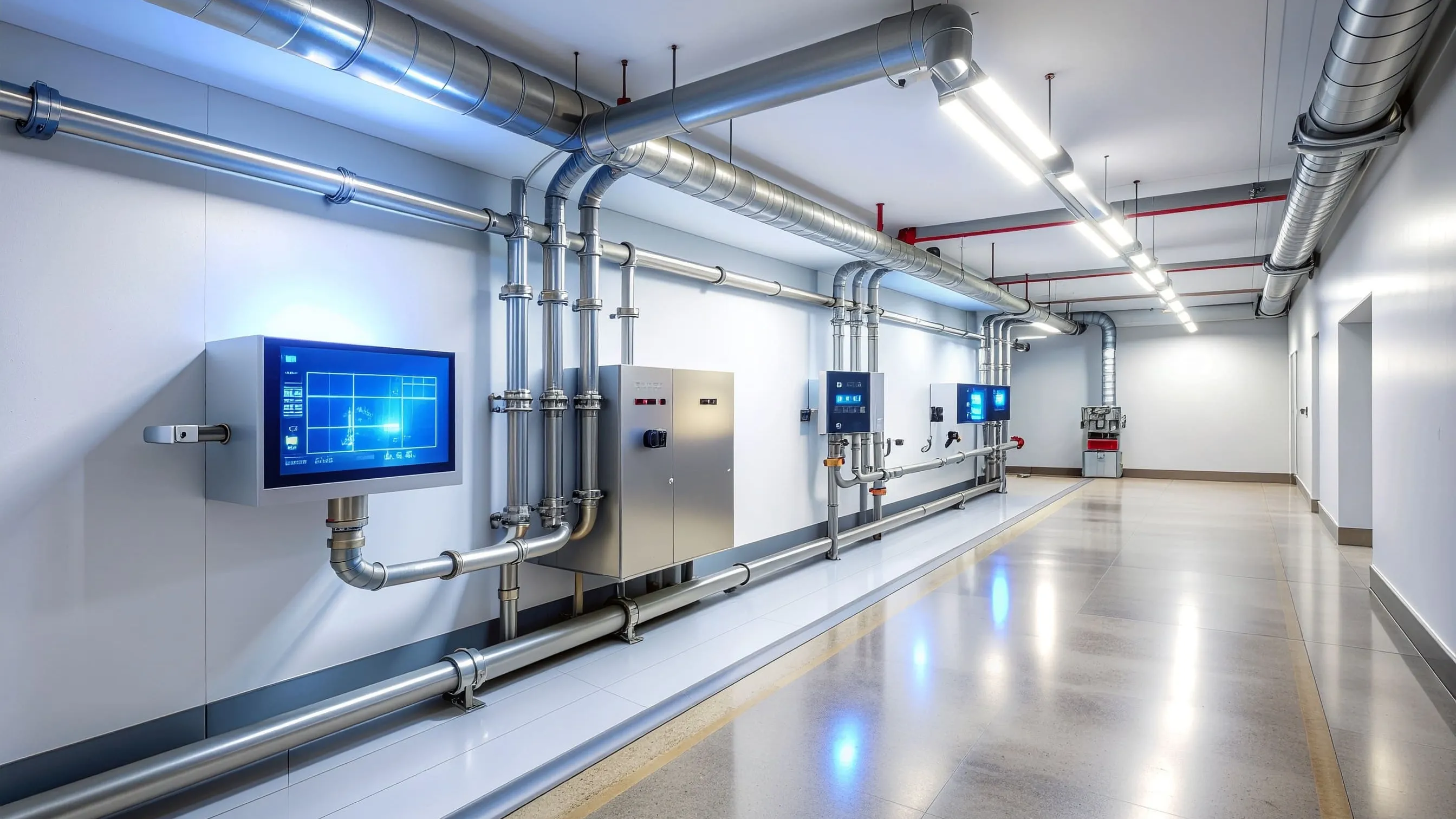
Commercial heating systems built decades ago run on severely outdated logic. They fire at maximum capacity, waste immense amounts of energy, and offer zero visibility to facility managers. Today, retrofitting smart controls changes everything. You can transform a blind, reactive plant room into a highly intelligent, predictive network without the massive capital expense of replacing every pipe and boiler.
Heavy cast-iron boilers often have a physical lifespan of thirty years, but their basic relay controls become obsolete in just ten. Tearing out perfectly good heat exchangers simply because the thermostat is old is a terrible waste of capital. Upgrading the electronic brain of the plant room allows you to harness modern energy efficiency whilst preserving your existing heavy infrastructure.
The Challenge of Upgrading Legacy Heating Infrastructure
Older plant rooms rely on basic mechanical thermostats and rudimentary relays. They simply turn heavy equipment completely on or completely off. National Pumps and Boilers frequently advises facility managers on how to safely bridge this technological gap. Upgrading these outdated setups requires strategic engineering to ensure new digital components talk to old mechanical iron safely.
When retrofitting smart controls, you must evaluate the existing control panel wiring thoroughly. You don't just slap a digital touchscreen onto a 30-year-old boiler and expect it to magically understand modern commands. The transition requires a highly methodical approach to electrical integration. Engineers must map the existing circuits to ensure the new digital relays can safely trigger the legacy contactors without electrical faults.
Bridging the Gap with a BMS Communication Gateway
Legacy equipment speaks in simple analog voltage signals. Modern platforms use complex data protocols like BACnet, Modbus, or LONworks. To solve this language barrier, you must install a sophisticated BMS communication gateway.
Think of a BMS communication gateway like an elite international translator at a UN summit. It listens to the highly complex digital language of your new building management system and translates it instantly into the basic electrical signals the old equipment understands. Integrating a highly intelligent Wilo Stratos circulator requires this exact translation process to report its live flow data back to the main desk.
A proper BMS communication gateway establishes seamless two-way traffic. It allows the new software to issue commands whilst simultaneously collecting basic fault data from the old hardware. This protects the fragile legacy circuits from modern voltage irregularities whilst delivering total visibility to the facility manager.
Implementing a Weather Compensation Curve
Older heating setups push water out at a constant 80 degrees Celsius, even on a mild autumn afternoon. This burns a staggering amount of unnecessary gas. By retrofitting smart controls, you can establish an external ambient temperature sensor network. This allows you to set up a precise weather compensation curve for your entire building.
A properly calibrated weather compensation curve automatically lowers the system water temperature as the outside air gets warmer. If you run a powerful remeha quinta ace boiler on site, using this curve ensures it operates entirely in its highly efficient condensing mode.
Getting the weather compensation curve right eliminates the suffocating heat typical in older office blocks. It matches the heat generation perfectly to the heat loss of the building. This single software adjustment often generates the fastest return on investment in the entire plant room.
Upgrading to Modulating Burner Control
Standard legacy burners only know two modes. They are either running at high fire or completely off. This causes rapid cycling, which destroys internal mechanical parts and wastes fuel during the purge cycles. Installing a system with modulating burner control allows the boiler to adjust its flame size perfectly to match the exact building demand.
Proper modulating burner control prevents the violent temperature swings associated with old equipment. Upgrading your heating system components to support this modulation heavily extends the physical lifespan of the plant. It creates a smooth, continuous burn rather than an aggressive start-stop cycle.
You must ensure the new control links the air-to-gas ratio precisely. Reliable modulating burner control provides exactly the heat you need, completely eliminating wasteful overheating and significantly reducing harmful NOx emissions in the process.
Efficiency Gains from a Variable Speed Pump Drive
Fixed-speed pumps push maximum water volume every single minute of the day, consuming massive amounts of electricity. Adding a variable speed pump drive to an existing motor fundamentally changes the physics of your distribution. If zone valves close, the variable speed pump drive senses the pressure change and slows the motor down automatically.
A facilities manager at a 1980s university block recently retrofitted a variable speed pump drive to each of their massive legacy circulation pumps. The new drives stopped the pumps from fighting against closed radiator valves during low-demand afternoon periods. This simple change cut their pump electrical consumption by an incredible 40 percent in the first quarter alone.
This makes matching your infrastructure to an energy efficient HVAC pump incredibly cost-effective. However, there is a strict technical caveat. You must ensure the legacy motor insulation can physically handle the rapid PWM voltage spikes generated by a modern variable speed pump drive. If the motor is compatible, the electrical savings are massive due to the cube law of fluid dynamics.
Sensor Placement and Data Collection
Smart systems are only as intelligent as the physical data they receive. You must install highly accurate temperature, pressure, and flow sensors throughout the primary and secondary loops. When you utilise grundfos proportional pressure mode on your distribution circulators, accurate sensor data ensures the pumps react flawlessly to opening and closing radiator valves.
Poor sensor placement will feed bad data straight back to your advanced control panel. For instance, strapping a temperature sensor to the outside of a heavily lagged pipe provides a horribly delayed reading. Engineers must install proper thermowells directly into the hydraulic flow path.
Retrofitting smart controls demands rigorous hydraulic knowledge to find these true measurement points. You must measure the true flow and return temperature differential accurately to allow the new software algorithms to optimise the boiler firing sequence.
Phased Integration and Overcoming Compatibility Issues
You don't have to upgrade the entire plant room in a single chaotic weekend. A phased approach allows you to upgrade the primary generation side first, followed by the secondary distribution circuits later. This breaks the capital expenditure into manageable chunks whilst minimising system downtime.
When retrofitting smart controls, you might discover that old mechanical pump valves are completely seized. A seized mechanical component can't respond to a brilliant new electronic actuator. You must aggressively isolate and replace these physical mechanical bottlenecks before the software can do its job.
Phasing the work protects your operational budget whilst delivering immediate, measurable efficiency improvements. It allows your engineering team to verify that each new digital interface communicates flawlessly with the legacy hardware before moving on to the next complex zone.
Conclusion
Modernising an aging plant room through intelligent controls is a highly technical but incredibly rewarding engineering process. Implementing features like a weather compensation curve and a BMS communication gateway protects your building from volatile, skyrocketing energy prices. You gain total visibility over your mechanical assets, reducing emergency breakdowns and extending equipment lifespans.
You extract modern efficiency from heavy legacy iron. However, you should never attempt these complex electronic integrations without qualified commercial M&E engineers who understand both digital protocols and traditional hydraulics. If you are ready to modernise your legacy plant room, Get the Right Solution by speaking directly with our commercial heating controls specialists today.