

Submersible Pump Maintenance: Inspection and Servicing Best Practices
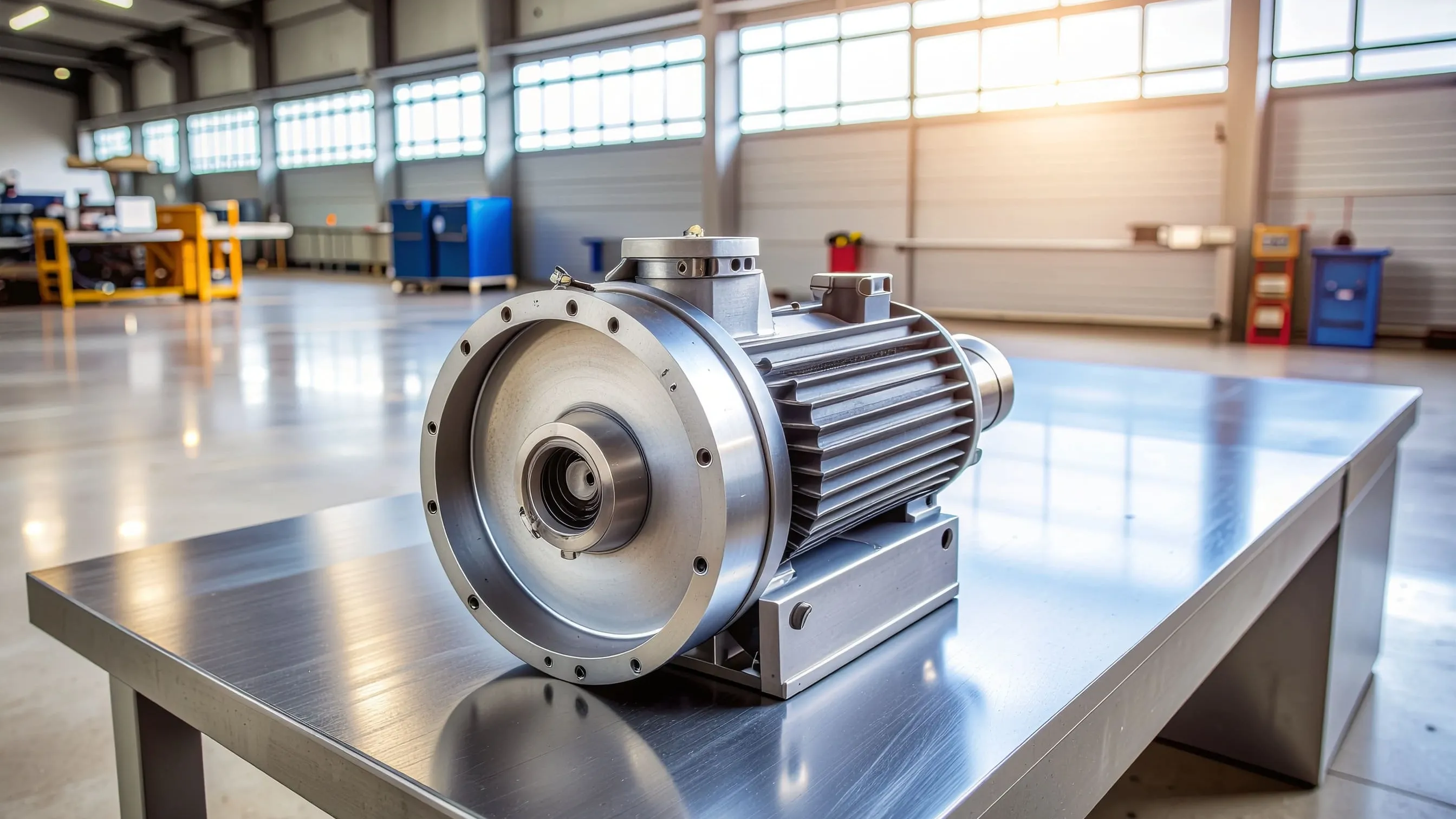
Submersible pump maintenance UK practice determines whether these components last three years or fifteen. A pump failure in a commercial heating system or drainage application does not merely stop working - it can flood plant rooms, halt building services, and trigger emergency callouts costing multiples of what a systematic maintenance programme would have cost to prevent. The inspection and servicing practices that separate reliable from unreliable submersible pump installations are neither complex nor expensive: they require discipline, correct testing equipment, and understanding of what each test is actually detecting.
The UK operating environment creates specific stresses for submersible pumps that maintenance programmes must address. Groundwater applications encounter variable mineral content depending on local geology - high calcium carbonate in chalk areas, dissolved iron in certain sandstone formations, aggressive dissolved gases in areas with peaty soils. Condensate drainage in heating systems handles water with dissolved carbon dioxide creating mildly acidic conditions. Each application creates distinct wear patterns and failure modes that submersible pump maintenance UK professionals learn to recognise through systematic inspection records built over multiple service visits.
Understanding Submersible Pump Operating Conditions
Complete immersion means every external surface contacts the pumped fluid for hours or weeks at a time - a corrosion exposure condition that surface-mounted pumps never experience. Motor cooling relies entirely on heat transfer through the casing to surrounding liquid, making thermal management entirely dependent on adequate fluid flow past the motor exterior and adequate submersion depth maintaining that contact.
The most common failure mechanism in submersible pump maintenance UK practice is seal degradation. Mechanical seals separating the motor chamber from pumped fluid operate under continuous pressure differential. Seal faces wear microscopically with each shaft rotation. Abrasive particles accelerate this process - magnetite from corroding central heating pipework acts like grinding paste between seal faces in heating system drainage applications. Eventually, water penetrates the motor housing, contaminating insulation and causing electrical failure. This process can take years or happen rapidly depending on water quality and maintenance frequency.
Cable damage represents the second most frequent failure pathway. The power cable experiences constant flexing where it enters the pump housing and at the surface connection point. Once outer sheath protection fails, moisture migrates along cable cores to terminal connections, causing tracking faults and earth leakage that produce symptoms appearing unrelated to the cable entry point damage that caused them.
Pre-Inspection Safety Protocols
Electrical isolation must be absolute before any submersible pump maintenance UK work begins. The isolation procedure requires switching off the supply at the distribution board, physically locking the isolator in the off position, and attaching a warning tag. After isolation, voltage testing confirms zero potential at the pump terminals - testing all phases to neutral and earth, plus phase-to-phase on three-phase installations. Only after confirmed zero voltage should any physical work commence.
PPE requirements depend on the pumped media and installation location. Minimum equipment includes electrical safety gloves, safety glasses, and appropriate footwear. Pumps handling sewage or contaminated water require additional protection: waterproof gloves, face shields, and protective clothing. Confined space entry for inspecting sump installations requires specific training, atmospheric monitoring equipment, and rescue procedures - not as bureaucratic requirements but as practical responses to real risks that have caused fatalities in similar work.
Visual Inspection Procedures
External and Cable Inspection
External submersible pump inspection begins at the surface connection point. The cable entry gland should show no signs of moisture, corrosion, or mechanical damage. Cable insulation requires checking along its entire accessible length for cuts, abrasion, UV degradation, or rodent damage. Any compromise to the outer sheath demands immediate attention - even minor damage allows moisture ingress that eventually causes failure months or years after the original damage, at which point tracing the root cause requires cable excavation or sump dewatering.
Lifting the pump from its operating position allows thorough housing inspection. Heavy scaling indicates aggressive water chemistry requiring treatment - scaling reduces heat dissipation from the motor exterior and accelerates component wear. Biological growth suggests extended periods of stagnant operation. Both conditions reduce thermal management effectiveness and warrant investigation of the cause rather than simply cleaning and reinstatement.
Mechanical Seal Condition Assessment
Mechanical seal inspection requires examining the seal housing area carefully. Moisture, rust staining, or mineral deposits around the seal indicate leakage that has been occurring for some time before the inspection. Fresh oil residue confirms recent seal failure with motor oil escaping from the double mechanical seal chamber - the presence of oil means the outer seal has failed and the motor is relying on the inner seal alone. Either condition demands immediate seal replacement before reinstating the pump. For Grundfos submersible pumps with double mechanical seals, the oil chamber condition provides the diagnostic information - emulsified oil in the chamber confirms water ingress through the outer seal even before any external leak signs appear.
Electrical Testing Requirements
Insulation Resistance Testing
Pump insulation resistance testing forms the cornerstone of electrical submersible pump maintenance UK assessment. A 500V megger applies test voltage between motor windings and earth, with readings above 1 megohm considered acceptable for most applications. Values below 0.5 megohms indicate deteriorating insulation requiring investigation. Readings below 0.1 megohms mean the pump should not return to service without motor reconditioning.
Testing procedure requires disconnecting all external wiring from pump terminals before applying the test voltage. Test each motor phase to the pump body earth, allowing readings to stabilise for 60 seconds before recording. The measurement's value lies not just in the absolute reading but in the trend - recording results at every service visit builds a history showing gradual deterioration even when readings remain technically acceptable, allowing planned motor replacement or rewinding before catastrophic insulation failure causes secondary damage to drainage infrastructure.
Motor Winding Resistance Testing
Motor winding resistance testing checks for shorted turns or open circuits using a digital multimeter measuring resistance between phases on three-phase motors. Readings should match manufacturer specifications within 5% between phases. Significant deviations indicate winding damage requiring motor replacement or rewinding rather than continued operation that risks catastrophic failure during critical drainage periods.
Earth Continuity Verification
Earth continuity verification measures resistance between the pump body and the earth pin on the power cable. Readings must not exceed 0.5 ohms under BS 7671 requirements. Higher values indicate connection degradation creating electric shock risk - a fault condition that has no visible symptom during normal operation but creates lethal hazard in the wet environment of a drainage sump.
Mechanical Component Assessment
Bearing condition assessment during submersible pump maintenance UK servicing involves checking for play, roughness, or noise during manual shaft rotation. Excessive shaft movement indicates bearing wear that, if unaddressed, causes shaft misalignment that then damages the mechanical seal faces - a sequence where one worn component causes the failure of an adjacent component that could otherwise continue in service for years.
Impeller wear assessment examines blade thickness, edge condition, and clearances between impeller and housing. Abrasive media - sand, silt, or magnetite - gradually erodes impeller vanes, reducing hydraulic efficiency in a pattern visible through performance testing before it becomes noticeable through visual inspection. Measuring vane thickness at several points and comparing to manufacturer specifications quantifies wear that flow rate testing only detects after it is already significant.
Shaft condition requires inspection for scoring and corrosion pitting at seal contact surfaces. Scoring creates micro-leak paths past seal faces regardless of seal condition. Attempting to fit new seals against a scored shaft is not a valid repair - the new seal will fail at the same location as its predecessor, making shaft replacement the only effective remedial action. Wilo submersible pumps incorporate wear-resistant shaft materials at seal contact points, but all shafts eventually reach the replacement threshold that submersible pump maintenance UK programmes must anticipate rather than discover during a reactive repair.
Lowara shaft and seal documentation specifies the dimensional tolerances against which measured shaft condition is evaluated - maintaining reference data from commissioning inspection enables objective replacement decisions rather than judgement calls that vary between service engineers.
Performance Testing Methods
Flow rate measurement quantifies hydraulic performance against manufacturer specifications. Running the pump against its design head whilst measuring discharge volume - using a calibrated flow meter or timed volume into a known container - identifies impeller wear, internal recirculation, or efficiency losses before they affect drainage adequacy. National Pumps and Boilers recommends annual performance testing for critical installations, with more frequent assessment for pumps handling abrasive or aggressive media where wear accumulates faster than calendar-based service intervals would suggest.
Power consumption analysis reveals motor efficiency and loading. Measuring current draw on each phase during operation shows whether the motor operates within design parameters. Higher than specified current indicates overloading from mechanical resistance, incorrect voltage, or developing motor problems. Lower current with reduced performance suggests efficiency losses from wear - a combination that points to impeller wear rather than motor problems as the primary cause.
Servicing Intervals and Schedules
A structured submersible pump maintenance UK programme operates across three service tiers. Annual service includes visual inspection, electrical testing, seal examination, and performance verification. Three-yearly major services involve pump removal, complete disassembly, bearing replacement, seal renewal, and internal cleaning. Five-yearly overhauls encompass shaft replacement assessment, housing integrity verification, and motor rewinding consideration. For Ebara commercial submersible pumps, manufacturer service documentation defines inspection requirements specific to application severity - clean water drainage, sewage handling, and industrial process applications each have distinct servicing scopes reflecting the different wear rates and contamination risks each service category generates.
Application conditions demand adjustment to these baseline intervals. Clean water applications in controlled environments may achieve 12-month inspection intervals. Pumps handling contaminated water, operating continuously, or in critical drainage applications require quarterly assessment. Harsh conditions - abrasive solids, aggressive chemistry, or elevated temperatures - may justify monthly inspection intervals that seem frequent until compared with the cost of emergency replacement and flood damage remediation.
Documentation forms an essential element of systematic maintenance. Recording inspection findings, electrical test results, performance measurements, and servicing actions creates the history enabling trend analysis that reactive maintenance cannot provide. Gradually declining insulation resistance values across three annual tests identify developing motor problems 12–24 months before failure. Increasing power consumption reveals efficiency losses justifying impeller replacement before complete wear causes drainage failure.
Common Issues and Remedial Actions
Cable damage assessment determines whether repair or replacement is appropriate. Minor outer sheath damage may permit localised repair using heat-shrink sleeving and waterproof sealant. Damage exposing conductors demands full cable replacement - repairs to conductor insulation rarely achieve long-term reliability in continuously wet conditions, and the labour cost of repeated repair visits quickly exceeds the cost of replacement cable.
Seal replacement during submersible pump maintenance UK servicing involves pump disassembly, cleaning seal housing surfaces, fitting new seals with appropriate lubricant, and careful reassembly ensuring correct alignment. Using genuine manufacturer seals ensures proper elastomer compounds and face materials - generic seals may fit mechanically but fail prematurely because the seal face materials or elastomer chemistry differs from the application's requirements.
Motor rewinding becomes economically viable for larger pumps where replacement costs are substantial. Modern motors with higher-efficiency designs often make replacement preferable to rewinding older, less efficient units - energy savings from improved efficiency can offset the higher initial cost within months in continuously operated drainage applications.
Preventive Maintenance Strategies
Water quality management dramatically extends submersible pump life. Filtration removes abrasive particles that erode impellers and damage seal faces. Chemical treatment controls corrosion and biological growth. pH adjustment prevents acidic attack on metal components and elastomeric seals. These measures cost relatively little compared to premature pump replacement or the emergency repair and flood damage costs that inadequate water quality management generates. For heating system condensate drainage applications where pumps handle mildly acidic condensate alongside DHW pumps drainage, pH monitoring prevents the slow acid attack on seal elastomers and impeller materials that presents no visible symptoms until failure occurs.
Monitoring system integration enables condition-based maintenance rather than time-based schedules. DAB offers pumps with integrated monitoring capabilities that detect bearing wear, seal problems, or blockages through characteristic current signature changes before these problems generate visible symptoms. Runtime logging tracks operational patterns enabling predictive maintenance scheduling based on actual duty accumulation rather than calendar time.
Spare parts inventory management ensures rapid response to failures. Maintaining seals, bearings, and cables for installed pump models - plus complete pump spares for essential drainage applications - eliminates the extended downtime that occurs when critical components require procurement rather than being immediately available from site stock. Maintaining stocks of pump valves - non-return valves and isolation valves for installed pump types - prevents discharge pipework faults from extending downtime when valve failures coincide with pump maintenance periods.
Conclusion
Systematic submersible pump maintenance UK practice delivers substantial returns through extended equipment life, reduced energy consumption, and prevented failures in drainage and heating system applications. The inspection and servicing practices described - rigorous electrical safety protocols, comprehensive visual and electrical testing, structured service intervals, and preventive water quality management - form a proven framework for reliable pump operation across the full range of UK drainage and heating applications.
For specialist guidance on submersible pump maintenance programmes tailored to specific applications and operating conditions, Contact Us to discuss inspection and servicing schedules that protect capital investment whilst ensuring reliable drainage performance throughout the pump's design life.