

Submersible Pump Motor Protection and Thermal Overload: What You Need to Know
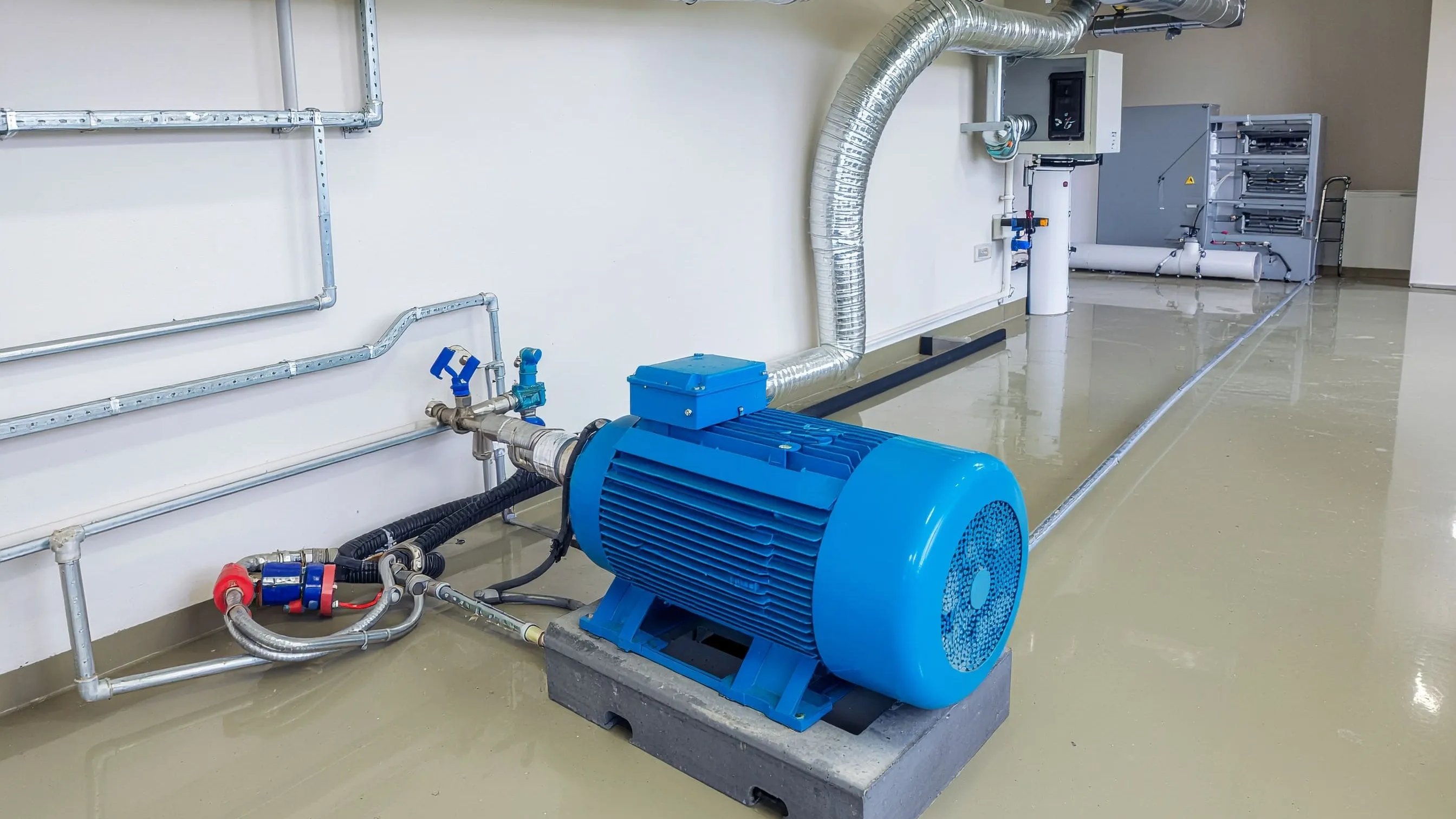
Motor failure represents the single most common cause of downtime in commercial drainage, sewage, and dewatering applications. A failed motor instantly eliminates your drainage capability until the heavy hardware is manually extracted, repaired, and reinstated. During this critical downtime, basement sumps overflow and sewage lifting stations back up. Submersible pump motor protection systems exist specifically to prevent this scenario, detecting developing faults and shutting the unit down before the mechanical damage becomes irreversible.
The protection requirements of a sealed submersible motor differ completely from surface-mounted variants. A submersible motor is thermally isolated from the ambient air by the fluid it operates in. Heat generated in the windings can only dissipate through the heavy casing into the pumped fluid. Add the constant threat of fluid seeking entry through the shaft seals, the risk of the sump emptying too quickly, and fluctuating industrial power supplies, and the need for dedicated submersible pump motor protection becomes undeniable.
Why Submersible Motors Need Specialist Protection
A submersible motor operates in an environment that acts simultaneously as its heat sink, its primary seal lubrication source, and its greatest mechanical threat. The surrounding water provides the vital cooling that prevents overheating. Remove that water, and the motor's thermal dissipation collapses instantly.
Operating a submersible motor without fluid cooling is exactly like running a car engine without a radiator. The immense heat generated by the moving parts has absolutely nowhere to escape to. Within just a few minutes, the internal temperatures spike violently, leading to a catastrophic seizure that destroys the entire block.
The shaft seal sits between the motor and hydraulic end, acting as the primary barrier preventing fluid ingress. In a surface-mounted pump, a seal failure results in a visible puddle on the floor. In a submersible environment, a failed double mechanical seal allows fluid to enter the motor housing directly under hydrostatic pressure. This specific failure mode will destroy the motor windings in minutes if electronic moisture detection isn't active.
Thermal Protection Systems
PTC thermistors embedded directly into the motor stator windings provide the most responsive thermal defence available. As the winding insulation temperature approaches its absolute maximum threshold, the thermistor's electrical resistance spikes exponentially. An external control panel equipped with a grundfos float switch relay interprets this spike as an immediate trip signal, cleanly shutting down the unit before the internal insulation melts.
A facility manager recently bypassed a nuisance-tripping PTC thermistor relay on a basement sump pump instead of investigating the root cause. Just two days later, a heavy rag blocked the impeller. Without the thermal protection active, the stator windings melted within ten minutes, requiring a complete £3,000 pump replacement that could have been entirely avoided.
External thermal overload relays calibrated to the motor's full-load current provide secondary protection against sustained overcurrent. However, because of the thermal isolation effect of operating underwater, a motor can easily overheat its windings without drastically spiking its current draw. A dedicated PTC thermistor relay responds to actual heat rather than just electrical load, catching thermal faults that basic current breakers consistently miss.
Moisture and Leakage Detection
Conductive moisture detection probes sit in the lower part of the motor housing, actively hunting for water accumulation. The internal circuit measures electrical resistance between two conductors. It registers high resistance in dry air, but low resistance when bridged by conductive water. The monitoring relay interprets this low resistance as a critical seal failure and locks the pump out immediately.
Response time is absolutely critical for moisture detection to be valuable. A modern building services pump equipped with electronic monitoring circuits can achieve response times of less than 1 second. Slower systems allow too much water to accumulate, wetting the windings before the shutdown sequence even begins.
The IP68 submersible motor rating confirms the housing prevents water ingress under continuous immersion conditions. However, this rating certifies the motor as supplied from the factory, not as an indefinite exclusion guarantee as seals naturally age. A robust double mechanical seal acts as the true long-term defence against fluid pressure.
Dry Run Protection
Dry running occurs when the hardware operates without being fully submerged, usually because the float switch failed to cut the power when the sump emptied. Without fluid at the impeller, the mechanical seal faces run entirely without lubrication. This generates immense frictional heat that permanently damages the precision seal faces in minutes.
To prevent this, low-level float switch cutoffs must be positioned correctly above the pump intake. For a compact DAB water pump installation, the float cable routing must ensure it cannot become trapped against the sump wall or entangled in debris. Current monitoring provides a highly effective secondary dry run detection mechanism, as a motor running dry draws noticeably less current than one shifting heavy fluid.
Overload and Short Circuit Protection
Your motor starter selection must account for the intense starting duty class of the specific application. A small drainage unit that activates 20 times per hour imposes a far more demanding electrical duty on the contactor than a massive commercial unit that only activates twice daily.
An advanced electronic motor protection relay combines overload, short circuit, phase loss, and thermistor protection into a single modular device. These integrated units massively simplify panel design and reduce the number of individual components that can develop faults.
Three-phase motors continue running on just two phases if one supply conductor drops out. Running on two phases forces the motor to draw roughly 173% of its normal full-load current, rapidly destroying the internals. Phase monitoring functions detect the loss of a supply phase and execute an emergency shutdown in less than a second, saving you from a costly lowara pump repair bill.
Control Panel Design for Submersible Pump Protection
Modern control panels consolidate your motor starter, an electronic motor protection relay, and level controls into one integrated assembly. High-end fault memory functions actively record the fault type, exact time of occurrence, and cumulative running hours. This diagnostic data helps site engineers establish whether a fault resulted from a sudden operating event or gradual mechanical deterioration.
For comprehensive pumping station pump applications in commercial buildings, BMS communication outputs allow centralized monitoring. Voltage-free fault contacts connect pump operational status directly to the building's central alarm infrastructure, ensuring facilities managers never miss a critical basement fault.
Maintenance Practices Supporting Motor Protection
Replacing your shaft seals based on actual running hours rather than an arbitrary calendar date provides the most reliable protection schedule. A pump cycling 20 times per day accumulates wear far faster than one cycling twice daily. Tracking these running hours through the control panel enables a maintenance routine tailored to your actual duty demands.
Inspecting the cable entry gland at every service visit is non-negotiable. The flex entry seal at the junction between the fixed National Pumps and Boilers wiring and the submersible cable is heavily exposed to mechanical handling and thermal cycling. A compromised cable gland allows pressurized water to track straight down the conductors, severely compromising the winding insulation temperature limits.
Conclusion
Comprehensive submersible pump motor protection requires multiple layered systems addressing highly specific underwater failure modes. Thermal overload from inadequate cooling, moisture ingress from seal failure, and electrical supply issues must all be actively monitored. The combination of thermistor protection, rapid moisture detection, and scheduled maintenance creates a robust defence that no single breaker can provide alone.
For professional guidance on control panel specification or establishing a predictive maintenance programme that prevents catastrophic motor failures, Talk to a Product Expert to discuss your site's exact electrical parameters with an experienced building services engineer today.