

Temporary Pumping Solutions During Major System Replacements
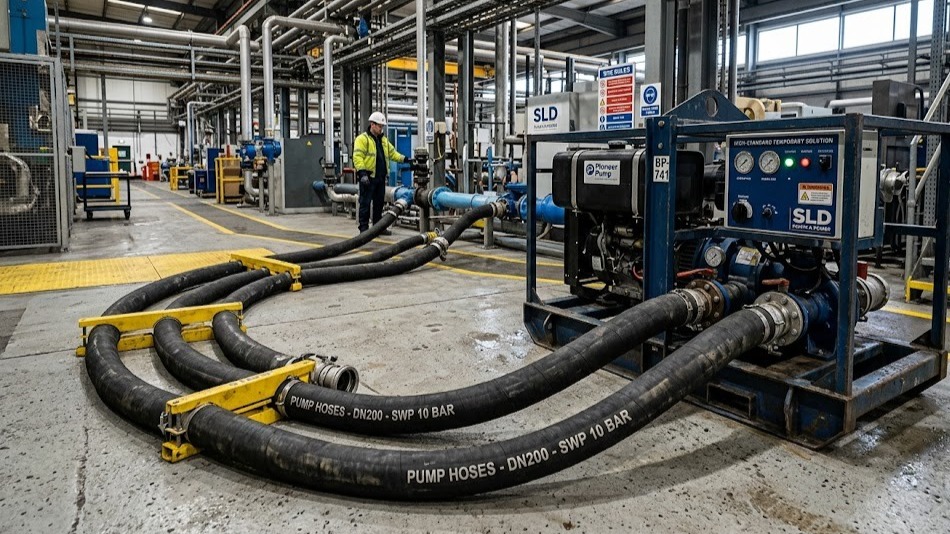
Major heating system replacements in commercial buildings, hospitals, and industrial facilities present a critical challenge: maintaining operational continuity while infrastructure undergoes transformation. A complete boiler replacement or circulation system overhaul might require weeks of work, yet building occupants cannot simply tolerate frozen pipes or absent hot water during winter months. Temporary pump solutions bridge this gap, providing reliable heating and hot water circulation whilst permanent equipment undergoes installation, commissioning, or emergency repair.
The strategic deployment of temporary pumping equipment has evolved from emergency stopgap to sophisticated engineering solution. Modern temporary installations can match the performance parameters of permanent systems, incorporating variable speed drives, pressure monitoring, and remote diagnostics. For facilities managers, mechanical contractors, and building services engineers, understanding when and how to deploy temporary pump solutions determines whether a major project proceeds smoothly or descends into operational chaos.
When Temporary Pumping Becomes Essential
Several scenarios demand interim pump fixes beyond simple equipment failure. Planned boiler house refurbishments in occupied buildings create the most common requirement - existing plant must continue operating until replacement systems achieve full commissioning. This overlap period might extend from three days for straightforward like-for-like replacements to six weeks for complex multi-boiler installations with upgraded controls and distribution modifications.
System Expansion and Emergency Scenarios
System expansion projects frequently require temporary arrangements. Adding a new wing to a hospital or extending a district heating network means connecting new pipework whilst maintaining existing services. Interim pump fixes maintain circulation through operational zones while contractors integrate new sections, preventing thermal shock and maintaining system pressure throughout the transition.
Emergency scenarios create immediate temporary pumping needs. When primary circulation pumps fail catastrophically during peak heating season, facilities cannot wait for manufacturer lead times or insurance assessments. Grundfos pumps and other major manufacturers typically specify 3-7 day delivery for standard models, yet a hospital or care home requires heating restoration within hours, not days. Temporary pump solutions provide this immediate response whilst permanent replacements undergo procurement and installation.
Heritage Properties and Conservation Requirements
Listed buildings and heritage properties present unique challenges. Planning restrictions and conservation requirements might mandate specific equipment locations or aesthetic considerations that extend project timelines. Temporary pumping maintains building function during these extended installation periods, protecting vulnerable fabric from condensation and thermal stress whilst respecting conservation protocols.
Sizing Temporary Pump Solutions for System Continuity
An accurate temporary pump specification requires a detailed understanding of existing system parameters. Flow rate, head pressure, and power supply constraints determine equipment selection, yet many facilities lack current commissioning data for ageing systems. The original design specifications rarely reflect decades of modifications, extensions, and component replacements that alter hydraulic characteristics.
Flow Rate and Head Pressure Calculations
Starting with system volume calculations provides baseline flow requirements. A typical commercial heating system requires approximately 1.5 litres per kilowatt of installed boiler capacity, with circulation rates of 20-40 litres per minute per 100kW of heat output, depending on temperature differentials. These calculations establish minimum flow requirements, though actual demand varies with system configuration and control strategies.
Head pressure requirements prove more complex. Temporary pumps must overcome static head (vertical height between the highest and lowest points), friction losses through pipework and components, and pressure drops across heat exchangers and control valves. Systems with multiple zones, plate heat exchangers, or extensive horizontal runs require significantly higher head pressures than simple single-loop arrangements. Undersized temporary pumps create flow starvation in remote circuits, whilst oversized units waste energy and potentially damage system components through excessive pressure.
Electrical Supply Considerations
Electrical supply limitations frequently constrain temporary pump selection in older buildings. Three-phase supplies support larger pumps with better efficiency characteristics, yet many facilities offer only single-phase connections at convenient temporary locations. This might necessitate multiple smaller pumps or temporary electrical installations to support appropriately sized equipment. Wilo pumps offer extensive ranges in both single and three-phase configurations, providing flexibility for varied supply conditions.
Installation Methodologies for Minimal Disruption
Interim pump fixes demand careful integration with existing systems to maintain operational continuity. The connection methodology depends on system configuration, available isolation points, and acceptable downtime windows. Most installations utilise one of three primary approaches: parallel installation, series installation, or complete bypass arrangements.
Parallel and Series Installations
Parallel installations suit scenarios where existing pumps remain partially functional but lack sufficient capacity for full building demand. The temporary pump connects into the system via tee pieces or existing test points, supplementing rather than replacing existing circulation. This approach minimises downtime to hours rather than days, as contractors can complete connections during evening periods without extended system shutdowns. Balancing becomes critical - both pumps must operate at compatible duty points to prevent flow reversal or dead-heading.
Series installations place temporary pumps downstream of existing equipment, adding supplementary head pressure for systems with inadequate circulation. This configuration suits buildings where pipework modifications or system extensions have increased resistance beyond the original pump capabilities. The temporary unit boosts pressure without requiring the removal of existing equipment, though careful attention to combined pump curves prevents excessive pressure that might damage components or cause leaks at ageing joints.
Complete Bypass Arrangements
Complete bypass arrangements provide the most robust temporary pump solutions during major replacements. Contractors install temporary pipework that routes flow around the area undergoing work, connecting the temporary pump into this bypass circuit. This methodology supports extensive boiler house refurbishments or complete distribution header replacements, maintaining building services whilst construction proceeds unimpeded. The approach requires more extensive temporary works but delivers complete operational independence between temporary and permanent systems.
Control Integration and Performance Monitoring
Modern temporary pump solutions extend beyond simple fixed-speed circulation. Variable speed drives, pressure sensors, and temperature monitoring ensure temporary installations match the performance characteristics of permanent systems whilst avoiding energy waste and component stress. Integration with existing building management systems (BMS) provides seamless operation during transition periods.
Differential Pressure and Temperature Control
Differential pressure control suits most commercial heating applications. Sensors monitor pressure across the system, with the pump controller adjusting speed to maintain target differential pressure regardless of load variations. This approach ensures adequate flow during peak demand whilst reducing energy consumption during partial load conditions. Temporary installations typically target differential pressures between 0.2 and 0.8 bar depending on system size and complexity.
Temperature-based control strategies suit domestic hot water (DHW) circulation applications. The temporary pump maintains flow whenever return temperatures drop below set points, ensuring rapid hot water delivery at outlets whilst minimising heat losses during low-demand periods. This methodology requires temperature sensors at strategic locations but delivers superior comfort and efficiency compared to fixed-speed operation.
Remote Monitoring Capabilities
Remote monitoring capabilities prove invaluable for extended temporary installations. Cellular or WiFi-connected controllers provide real-time visibility of pump performance, energy consumption, and alarm conditions. Facilities managers and contractors can identify developing issues before they impact building services, adjusting parameters remotely without site visits. This becomes particularly valuable for multi-site projects or installations in remote locations where immediate physical response proves challenging.
Safety Considerations and Regulatory Compliance
Temporary pumping installations must meet the same safety and regulatory standards as permanent equipment, despite their transitional nature. Electrical safety, pressure system regulations, and water quality requirements apply equally to temporary works, with additional considerations around temporary connections and non-standard configurations.
Electrical and Pressure System Safety
Electrical installations require competent person oversight and compliance with BS 7671 wiring regulations. Temporary supplies must incorporate appropriate circuit protection, earth bonding, and isolation facilities. Extension leads and domestic-grade equipment prove wholly inadequate for commercial temporary pumping - proper industrial connectors, armoured cabling, and weatherproof enclosures protect against the environmental conditions typical of construction sites and plant rooms.
Pressure system safety regulations (Pressure Systems Safety Regulations 2000) apply to temporary heating installations exceeding 0.5 bar or containing more than 250 litres of water above atmospheric pressure. This encompasses virtually all commercial heating systems, requiring written schemes of examination and periodic inspection by competent persons. Temporary installations must include appropriate pressure relief devices, isolation valves, and pressure gauges to maintain safe operating conditions.
Water Quality Management
Water quality considerations gain particular importance during temporary installations. System contamination during connection works or inadequate filtration in temporary circuits can distribute debris throughout heating systems, damaging pumps, blocking control valves, and degrading heat exchanger performance. Magnetic filters and strainers protect temporary pumps whilst preventing contamination of the broader system. Biocide treatment becomes essential for extended temporary DHW installations to prevent legionella proliferation in temporary pipework and storage.
Equipment Selection and Supplier Capabilities
Choosing appropriate temporary pump solutions balances performance requirements against practical considerations of availability, cost, and installation complexity. Rental versus purchase decisions depend on project duration, likelihood of future requirements, and total lifecycle costs, including transportation, installation, and maintenance.
Rental and Purchase Options
Rental arrangements suit most temporary applications, particularly emergency responses and projects under six months' duration. Specialist pump hire companies maintain inventories of pre-configured temporary units with integrated controls, filtration, and monitoring equipment. Typical rental costs range from £150 to £500 per week, depending on pump size and specification, with additional charges for delivery, installation support, and fuel or electricity consumption where applicable.
Purchase options become economically viable for contractors undertaking regular refurbishment projects or facilities with predictable replacement cycles. Central heating equipment suppliers stock pumps suitable for temporary deployment, with capital costs from £800 for basic single-phase circulators to £5,000+ for large three-phase units with variable speed drives. The equipment retains residual value after temporary deployment, either as an emergency standby plant or for subsequent projects.
Hybrid Procurement Strategies
Hybrid approaches combine owned basic equipment with rented specialised components. A contractor might maintain a stock of standard circulators and connection hardware whilst renting variable speed controllers, monitoring equipment, or unusually large pumps for specific projects. This strategy optimises capital deployment whilst ensuring appropriate equipment availability across varied project requirements.
National Pumps and Boilers supplies both permanent and temporary pumping solutions, with technical support for sizing, selection, and integration challenges. The range encompasses compact DHW pumps for domestic hot water circulation through to heavy-duty commercial units capable of serving district heating networks and large institutional buildings.
Project Planning and Stakeholder Communication
Successful temporary pumping deployments require comprehensive planning that extends beyond technical equipment selection. Stakeholder communication, contingency arrangements, and clear handover protocols determine whether interim pump fixes deliver seamless continuity or create operational disruptions that undermine broader project objectives.
Stakeholder Engagement and Contingency Planning
Early engagement with building occupants, facilities management teams, and end users establishes realistic expectations around temporary arrangements. Whilst modern temporary installations can match permanent system performance, some operational differences inevitably occur. Pump locations might generate different noise profiles, control response times may vary, and energy consumption patterns could shift. Transparent communication about these factors prevents complaints and builds confidence in temporary arrangements.
Contingency planning addresses potential temporary system failures. Even reliable temporary pumps occasionally experience mechanical issues, electrical supply disruptions, or control system faults. Documented response procedures, emergency contact details, and standby equipment arrangements ensure rapid resolution of any issues. For critical facilities such as hospitals or care homes, dual-pump temporary installations provide complete redundancy despite increased costs.
Handover Protocols
Handover protocols establish clear responsibility boundaries between temporary and permanent systems. As new equipment reaches commissioning stage, defined procedures for transitioning from temporary to permanent operation prevent confusion and ensure continuous service. This includes isolating temporary equipment, verifying permanent system performance, and confirming removal of temporary connections without introducing leaks or system contamination.
Cost-Benefit Analysis of Temporary Solutions
Temporary pump solutions represent significant project expenditure that demands rigorous economic justification. Direct costs include equipment rental or purchase, installation labour, electrical supplies, and ongoing monitoring. Indirect costs encompass energy consumption, maintenance requirements, and potential performance compromises compared to permanent systems.
Quantifying Opportunity Costs
These costs must balance against the consequences of inadequate temporary arrangements. Building downtime in commercial properties generates lost rental income, business disruption, and potential lease complications. Healthcare facilities face clinical service interruptions with patient safety implications. Educational institutions confront timetable disruptions and safeguarding concerns around inadequate heating during winter terms. Industrial facilities experience production losses that dwarf temporary equipment costs.
Quantifying these opportunity costs establishes the true value of robust temporary pump solutions. A hospital maintaining full operational capacity throughout a six-week boiler replacement might spend £15,000 on temporary pumping equipment and installation. The alternative - ward closures or patient diversions - could cost hundreds of thousands in lost income and service disruption. The temporary solution delivers overwhelming economic benefit despite substantial absolute cost.
Energy Efficiency Considerations
Energy efficiency considerations influence longer-term temporary installations. Fixed-speed pumps consume significantly more electricity than variable speed alternatives over extended operating periods. A three-month temporary installation might see a variable speed pump consume £2,000 less electricity than a fixed-speed equivalent, partially offsetting higher rental costs whilst reducing carbon emissions. This calculation gains particular importance for organisations with aggressive sustainability targets or high electricity costs.
Conclusion
Temporary pump solutions transform major heating system replacements from operational nightmares into manageable engineering projects. The strategic deployment of appropriately sized and controlled temporary pumping equipment maintains building services throughout boiler replacements, distribution upgrades, and emergency repairs that would otherwise create unacceptable disruption.
Success demands more than simply connecting a pump into existing pipework. Accurate system analysis, proper sizing calculations, robust installation methodologies, and comprehensive monitoring ensure temporary arrangements deliver performance that matches permanent systems. Safety compliance, stakeholder communication, and contingency planning separate professional temporary installations from makeshift arrangements that create more problems than they solve.
The investment in quality temporary pump solutions delivers returns that extend far beyond avoided downtime. Building occupants maintain comfort and productivity, facilities managers preserve operational continuity, and mechanical contractors complete complex projects without the pressure of occupied buildings suffering service loss. For critical facilities such as hospitals, care homes, and industrial processes, temporary pumping represents essential infrastructure that enables necessary maintenance and improvement works whilst protecting core functions.
Whether planning a scheduled boiler replacement or responding to emergency equipment failure, early consideration of temporary pumping requirements improves project outcomes. Equipment availability, installation logistics, and control integration all benefit from advance planning rather than last-minute improvisation. For technical guidance on temporary pump solutions suited to specific applications, contact us for expert advice on equipment selection, sizing, and deployment strategies.